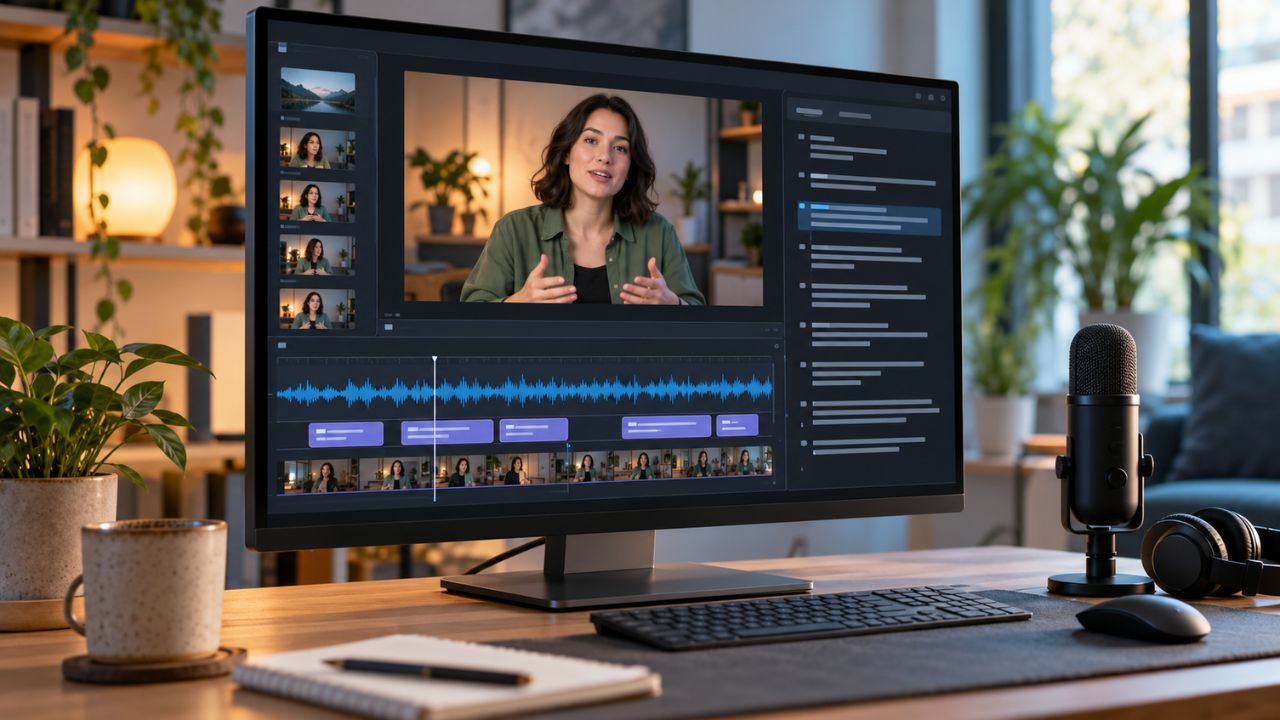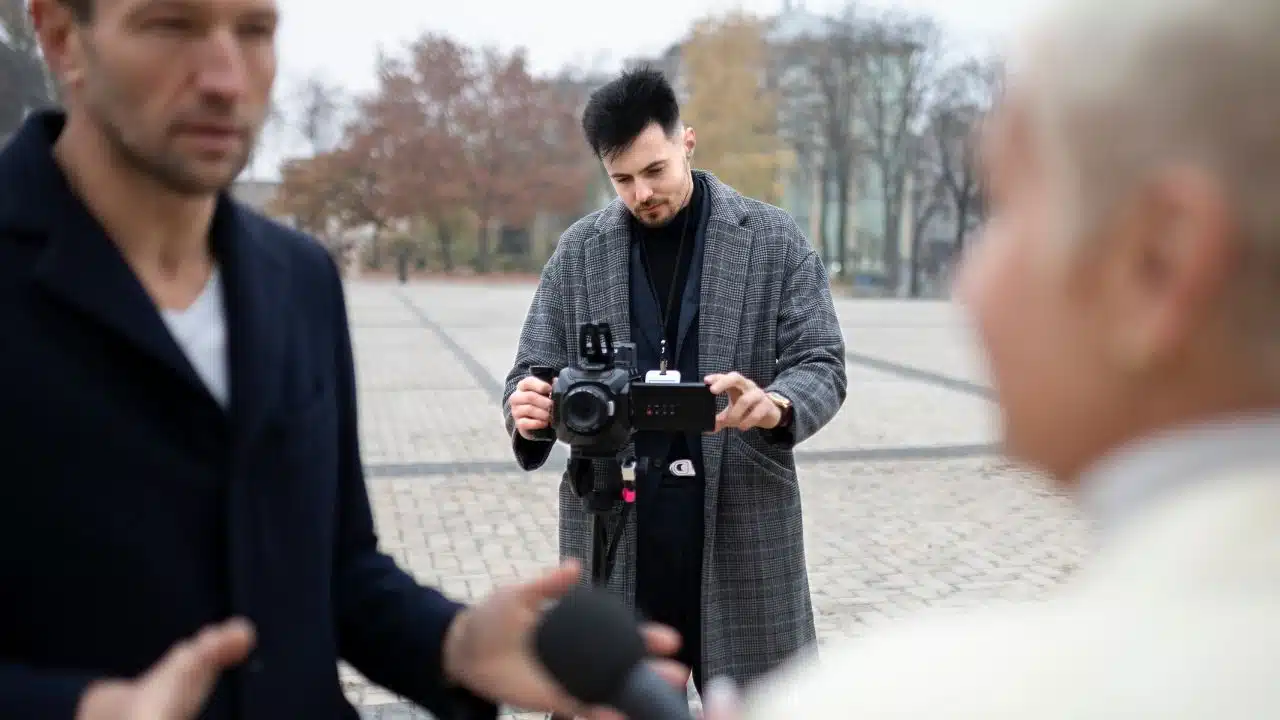
A DUI traffic stop today is rarely just about what an officer remembers in the moment. It often comes down to what the camera captures without bias or pause. Every gesture, instruction, pause, and reaction recorded on bodycam or dashcam footage can become a critical piece of evidence later in court. A DUI attorney carefully reviews this video to determine whether the stop was justified from the outset, whether standardized testing procedures were followed correctly, and whether any subjective assumptions influenced the officer’s conclusions.
Even subtle details like unclear instructions, uneven road conditions, or inconsistent observations can shift how the entire interaction is interpreted. This is where legal strategy becomes highly technical, focusing on what the footage shows versus what is claimed in reports. For individuals trying to understand this process and protect their rights after an arrest, losangelesduiattorney.com provides insight into how video analysis is used to challenge evidence and build a stronger defense in DUI cases.
Why Video Matters
Recordings matter because memory shifts under stress, in poor lighting, and during fast decision-making. In many cases, counsel reviews body camera clips, dash footage, and nearby surveillance footage before weighing whether the officer’s account aligns with the visual record. This process often involves assessing speech patterns, physical conduct, and timing against the report when lawyers evaluate the evidence. This comparison can expose omissions, overstatements, or plain inconsistencies.
The First Seconds
Early footage often shows whether the stop began with a lawful reason. Counsel watches lane position, signal use, braking, speed changes, and surrounding traffic. If the recording does not capture the claimed violation, that absence may matter. A weak basis for the stop can affect every later step. Those opening moments often shape suppression arguments before any jury hears the case.
Officer Contact
First contact can reveal far more than the report suggests. Lawyers study whether commands were clear, whether the driver had time to respond, and whether stress affected speech or movement. A shaky voice may reflect fear rather than intoxication. Slow answers can stem from fatigue, hearing loss, pain, or limited English. Footage sometimes shows confusion that sounds incriminating only after an arrest occurs.
Statements And Timing
Spoken remarks are reviewed against the written narrative with close attention to sequence. If the officer says one thing on camera and records another later, credibility may be called into question. Timing also carries legal weight. Counsel tracks when questions began, when roadside tests started, and when the detention widened. Long gaps without a clear reason can suggest an unsupported extension rather than a justified investigation.
Roadside Conditions
Field sobriety testing is hard to judge without context. Video may show sloped pavement, loose gravel, flashing lights, passing cars, cold air, or loud traffic. Each factor can disrupt concentration, balance, or divided attention. Footwear, joint disease, inner ear problems, age, and body habitus also matter. If those conditions were ignored, the officer’s interpretation of performance may deserve less confidence.
Field Test Performance
Experienced counsel does not treat roadside exercises like a simple checklist. The review asks whether the instructions were complete, the demonstrations were visible, and the driver had enough space to move safely. A missed heel-to-toe step can arise from anxiety, uneven ground, or orthopedic limitations. Video may also capture rushing, interruption, or inaccurate counting. Each flaw can weaken the prosecution’s reading of the test.
Arrest Procedure
The arrest sequence often shows whether the decision was formed too early. Counsel checks when handcuffs appeared, when warnings were given, and how the officer described the basis for custody. If the recording suggests the outcome was fixed before testing ended, that point may help the defense. A camera can also capture language that shows assumptions, impatience, or bias rather than a measured evaluation of observed facts.
What The Camera Misses
Strong footage still has limits, and careful lawyers account for them. A lens can flatten distance, block depth, and miss odor, body temperature, or subtle neurologic signs. Audio may drop during key exchanges. An officer may step outside the frame at a critical point. Silence on video does not always prove silence at the scene. Missing context still requires disciplined review before firm conclusions are drawn.
Comparing Video With Reports
The most useful review compares the recording with reports, dispatch logs, and chemical test records. Counsel looks for changed wording, mismatched times, and omitted observations. Even minor conflicts can matter if they affect probable cause or the stated basis for arrest. Judges often respond to direct visual contradiction. When the paperwork drifts from the footage, the defense may gain support for suppression or trial cross-examination.
Conclusion
A DUI attorney does much more than watch a clip for obvious mistakes. Effective review measures timing, environment, officer language, driver responses, and each point where video supports or challenges the written account. This work can uncover unsupported assumptions, incomplete observations, or procedural errors. In traffic stop litigation, careful analysis of footage often becomes one of the strongest tools available for testing the prosecution’s version of events.