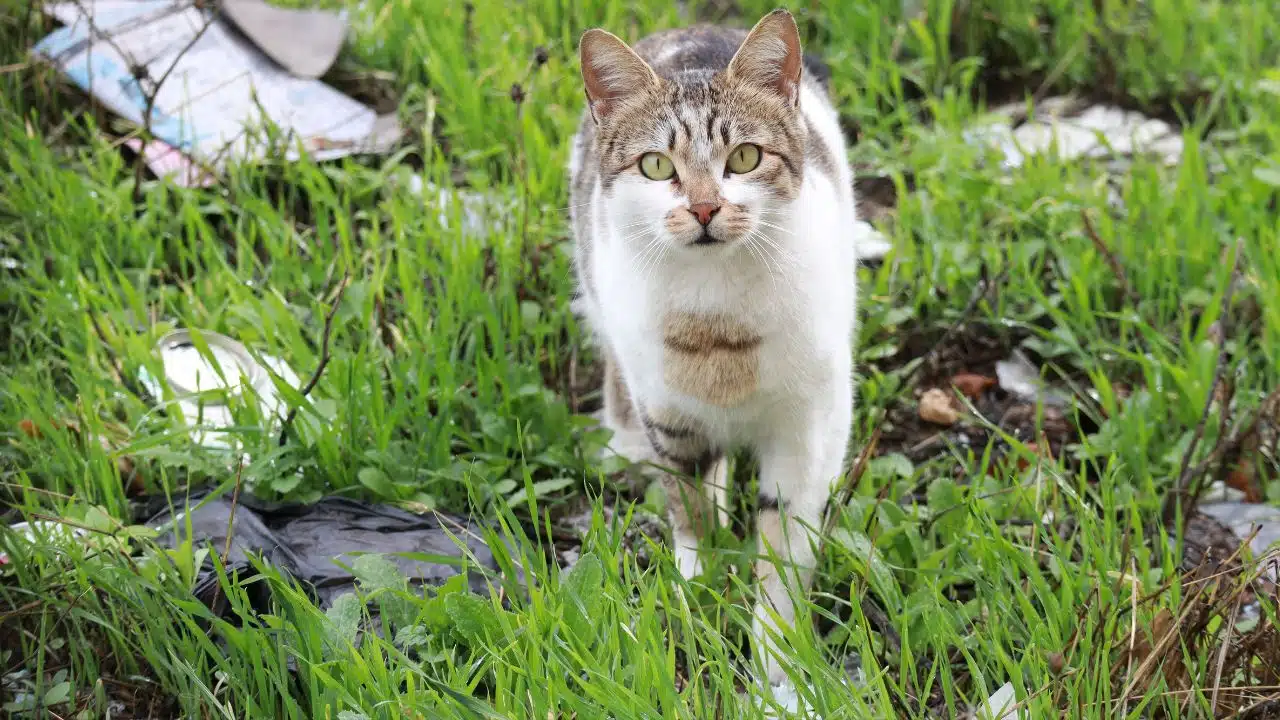
The popular image persists: a cat lounging regally on a windowsill, completely self-sufficient, needing nothing from humans except an occasional food refill and perhaps a chin scratch when the mood strikes. This stereotype of the aloof, independent feline has shaped expectations for generations of cat owners. Then reality arrives—a cat following their owner from room to room, meowing persistently for attention, and developing separation anxiety when left alone. Suddenly, that promise of effortless, hands-off pet ownership feels like a myth.
For first-time cat owners, this misconception can lead to inadequate care, unmet expectations, and confusion when their supposedly self-reliant cat demands constant companionship. Understanding the truth about feline independence—what’s real and what’s mythology—helps prospective owners prepare appropriately and build satisfying relationships with their feline companions.
The Myth of Complete Cat Independence
The belief that cats are entirely independent stems from comparing them to dogs. Unlike canines bred for thousands of years to work cooperatively with humans, cats retain more of their ancestral solitary hunting behaviors. This difference doesn’t mean independence—it means different social structures and communication styles.
Cats domesticated themselves approximately 10,000 years ago, choosing to live near human settlements to hunt rodents attracted to stored grain. However, modern house cats have lived alongside humans for millennia. They’ve evolved to read human emotions, communicate through meows (a behavior rarely used between adult cats), and form genuine social bonds with their families.
What Looks Like Independence
Several cat behaviors create the impression of self-sufficiency:
- Grooming Habits: Cats spend up to 50% of waking hours on self-grooming, requiring no bathing assistance
- Litter Box Usage: Instinctive bathroom habits eliminate the need for outdoor walks
- Sleeping Patterns: Cats sleep 12-16 hours daily, appearing self-contained during extended rest periods
- Selective Socialization: Cats choose when they want attention, contrasting with dogs’ eager enthusiasm
These behaviors represent aspects of feline nature but don’t equal true independence. They simply mean cats have different care requirements than dogs—not that they require no care or emotional connection.
The Reality: What Cats Actually Need From Owners
Describing any cat as a truly independent cat overlooks substantial care requirements, emotional needs, and social dependencies that all domestic cats possess.
Daily Care Essentials
Feeding Management: Cats depend entirely on owners for nutrition. Quality food, appropriate portions, and fresh water require daily attention.
Litter Maintenance: Cats won’t clean their own boxes. Daily scooping and regular complete changes are non-negotiable responsibilities that prevent health and behavioral issues.
Environmental Enrichment: Cats need mental stimulation through toys, climbing structures, and interactive play. Boredom leads to behavioral problems, depression, or destructive behaviors.
Health Monitoring: Cats instinctively hide illness. Owners must actively monitor eating habits, litter box usage, behavior changes, and physical condition.
Emotional and Social Needs
The biggest misconception about cat independence relates to emotional requirements. Cats form genuine attachments to their families and suffer when these bonds are neglected.
Most cats crave regular interaction with their owners through play, petting, or simply being near their humans. They thrive on predictable routines and become stressed by sudden changes. Many cats experience loneliness when left alone for extended periods, and they show affection through slow blinks, head bumps, purring, and choosing to be near their people.
Breed Variations in Independence Levels
More Independent Cat Breeds
Russian Blue: Reserved and intelligent, these cats form strong bonds but tolerate alone time well. They’re affectionate on their own terms without being clingy.
British Shorthair: Dignified and self-contained, they enjoy companionship but don’t require constant interaction.
Maine Coon: While social and friendly, they retain independence and confidence, participating in family life without needing constant attention.
Less Independent Breeds
Siamese: These vocal, highly social cats form intense bonds with their families. They follow owners everywhere and struggle with extended alone time.
Ragdoll: They crave physical affection and prefer constant proximity to their humans.
Scottish Fold Cat: Despite their unique folded ears and adorable appearance, Scottish Fold cats are remarkably people-oriented. They form deep attachments, enjoy being held, and actively seek owner attention throughout the day.
Sphynx: These hairless cats demand interaction, follow their owners constantly, and become stressed when ignored or left alone.
Common Misconceptions First-Time Owners Believe
“Cats Don’t Need Daily Attention”
The Myth: Cats are fine being left alone for days with enough food and water set out.
The Reality: While cats tolerate alone time better than dogs, they still need daily interaction, fresh food and water, and litter maintenance. Extended absences cause stress and health issues.
“Cats Don’t Form Strong Bonds”
The Myth: Cats view owners merely as food providers without emotional attachment.
The Reality: Research confirms cats form secure attachments to their owners comparable to human infant-parent bonds. They recognize their owners’ voices, scent, and appearance.
“Any Cat Will Be Low-Maintenance”
The Myth: All cats require minimal effort compared to other pets.
The Reality: Care requirements vary dramatically between individuals and breeds. Some need extensive grooming, others demand constant interaction, and many develop health issues requiring significant care.
What Independence Actually Means for Cat Ownership
Reframing cat independence more accurately helps set appropriate expectations for first-time owners.
Realistic Independence
Cats handle their own grooming and exercise through self-directed play. They adapt to various feeding schedules and can manage 8-10 hour absences without distress. Litter box usage is instinctive, requiring no extensive training. They thrive in apartments and utilize vertical space effectively.
Required Owner Involvement
Despite independent traits, cats require daily feeding, fresh water, and litter maintenance, taking 15-30 minutes minimum. Most need 15-20 minutes of active play daily to maintain health. Regular affection and bonding meet their social needs. Annual veterinary care and appropriate environmental enrichment are essential responsibilities.
The Balanced Truth About Cat Independence
Cats occupy a middle ground between needy dogs and truly independent animals. They’re neither completely self-sufficient nor constantly demanding. Understanding this balance allows first-time owners to appreciate what cats genuinely offer—companionship on somewhat more flexible terms than dogs, with different but not diminished care requirements.
The independent reputation has some truth. Cats don’t need walks, obsessive attention, or constant supervision. These traits make them excellent companions for working professionals and smaller living spaces.
However, dismissing cats as fully independent creatures leads to neglect and behavioral problems. Cats need daily care, regular interaction, emotional connection, and lifelong commitment. They form genuine attachments, experience loneliness, and depend entirely on their owners for well-being.
For prospective cat owners, the question isn’t whether cats are independent, but whether their specific independence style matches personal lifestyles and preferences. Cats offer different—not less—companionship than dogs. They communicate subtly, show affection selectively, and maintain dignity while still forming profound bonds.
Understanding the reality behind the independence myth transforms cat ownership from managing a detached cohabitation into building a genuine relationship with a companion who chooses to share their life—independent spirit intact but heart fully engaged.