Many Kiwi brands want to show māori culture but feel stuck. They pick random patterns that lack real meaning. One fact: Māori design in New Zealand links each motif to land, ancestry, and identity.
This post will share 7 Māori-Inspired Design Trends. We cover concepts like koru and pikorua and tools like CAD, natural materials, and 3D carving. We guide you toward respectful, sustainable design for your brand.
Keep reading.
Key Takeaways
- Kiwi brands add koru, pukeko, hei matau, and pikorua motifs to logos, packaging, and facades. Tennent Brown carved a koru form into Te Kaitaka at Auckland Airport, and Kiri Nathan blends hei matau in vector graphics.
- Marketers weave Te Ao Māori stories into ads, gift boxes, and digital campaigns. They use CAD tools like Adobe Illustrator, SketchUp, and AutoCAD and meet education standards at venues such as the Auckland War Memorial Museum.
- Brands work with Māori artists and kaumātua to protect cultural integrity. Hori Te Ariki Mataki co-designs at Waha’s studio, and Dr. Johnson Witihera of AUT reviews sketches. Teams honor tino rangatiratanga and follow clear style guides.
- Designers pick palettes from New Zealand land and sea. They use Pantone sky blue, sunset pink, fern green, and flax gold. A Wellington clinic applies slate and flax gold on its walls to calm patients.
- Brands embrace kaitiakitanga with bamboo, rimu, and solar design. Te Kura Kaupapa Māori o Te Rito audits material lifecycles, and Tūranga Christchurch Central Library weaves flax mats into walls to save energy.
Incorporating Koru for Symbolic Branding
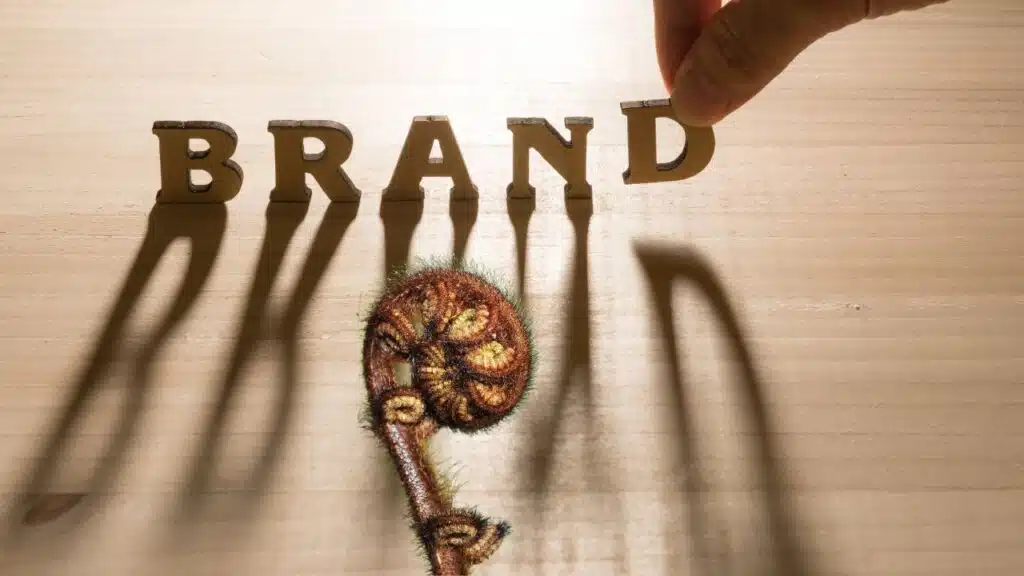
Maori architects shape walls with a koru curve. Tennent Brown carved this form into Te Kaitaka at Auckland Airport. The motif nods to new life and a fern shoot. It ties into contemporary māori design and maori art themes.
Clients sense local landscapes and Māori cosmology.
Brands wrap koru around logos and store fronts. They tap a symbol filled with storytelling. It mirrors natural surroundings and tribal roots. Fans link that detail to maori identity and culture.
Designers drop a hint of te papa tongarewa in brand tales.
Using Pūkeko-Inspired Patterns in Packaging Design
Designers sketch Pūkeko motifs in Adobe Illustrator to express resourcefulness and adaptability. This staple in contemporary māori design gains fresh life. Feather marks sit side by side, mirroring wetland reeds.
Pantone hues echo sky blues and sunset pinks. Local shops near Te Wharewaka o Pōneke and the Museum of New Zealand adopt these prints. Brands wrap boxes in hemp paper and flax fiber.
Labels gain depth with weaving (raranga) textures, tied to kaupapa māori. Galleries such as the Auckland War Memorial Museum showcase similar patterns. These prints aid sensory perception and social-emotional learning in retail spaces.
Teams use vector masks and pattern recognition tools to refine every layer. Learners at kura kaupapa spot lines in social studies and art lessons.
Infusing Hei Matau Motifs in Logos
A hook icon grabs the eye, linking to strength and good fortune. Brands sketch the shape in Adobe Illustrator or Sketch. They carve fine curves, echoing native wood and bone. People spot it on facades in Wellington, at Te Wharewaka o Pōneke, on café awnings.
The motif roots the brand in maori culture, it invites a story.
Kiri Nathan adapts that symbol, she blends age-old lore with vector graphics. She prints it on grainy paper and natural materials, for Māori immersion schools. It joins math posters for place value, fractions, and multiplication.
It appears in phonics games, it boosts literacy, even for learners with dyslexia or adhd. The mark shows heritage, it signals growth to your audience.
Adopting Pikorua to Represent Connectivity
Pikorua twist pops in contemporary māori design. It stands for eternal bonds and community ties. Craftspeople carve it into wooden panels and concrete walls. They shape it with natural materials, like wood or stone.
It shows up in wharenui and wharekai art.
Te Wharewaka o Pōneke architectural designs use it to link rooms and courtyards. Its loops map paths that guide visitors through spaces. The motif boosts nonverbal communication, social skills and memory in group areas.
It aids speech tasks and sight words practice in learning pods. It also soothes anxiety for learners with autism or ebd.
Integrating Wharenui-Inspired Architecture in Storefronts
Shops in Wellington show wharenui forms on their front walls. They echo community heritage. Panels of carved timber meet bright kowhaiwhai swirls. Builders choose natural materials like rimu and totara.
Te Wānanga o Raukawa and Te Papa Tongarewa Museum use similar lines. They blend heritage with retail.
Architects model storefronts in SketchUp, then refine plans in AutoCAD. Builders check structural integrity to meet safety codes. They add biophilic design and use sustainable timber.
One baker joked the bakery has more selfies than doughnuts. Planners tie in māori cultural values and use contemporary māori design. This blend draws kids and elders alike.
Embracing Kowhaiwhai Patterns in Product Labeling
Kowhaiwhai swirls on label wraps tell old stories of whānau links. Tennent Brown and Ariki Creative print these forms on kraft paper packed with natural materials, echoing contemporary Māori design.
Designers apply typography and color theory to boost information clarity. They add icons for shoppers with slow processing speed, auditory processing delays or deaf and hard of hearing needs.
They sketch in a vector editor to keep each curve crisp.
Clients at te wharewaka o poneke in Wellington ask for these genealogy marks on tea, honey, and oil tins. Crafting labels feels like classroom management for art, where each swirl follows Māori design principles and dual language prompts.
Businesses tap this style to give products soul and cultural depth.
Highlighting Te Ao Māori Storytelling in Marketing Campaigns
Creative teams highlight stories from Te Ao Māori to spark emotion. They screen animated sequences of woven panels crafted like tukutuku art. They show stair-step motifs, repeating the staircase concept of poutama to symbolize growth.
Music and voice draw in audiences, they follow a simple equation: heritage plus heart. Brands set pacing to suit kids in homeschool or sped settings. They frame scenes so those with behavioral disorders feel calm.
Marketing blends contemporary māori design with natural materials in gift boxes and digital ads.
Agencies cite examples like Auckland War Memorial Museum and Te Oro Music and Arts Center. Venues host films and talks that meet next generation science standards for cultural learning, they also link to common core state standards in reading and writing.
Families in sped classrooms join guided tours that use puppets and recorded chants. Marketers laugh and cry with audiences, they build trust like family kites in a wind storm. Tactics spark new connections, they honor history and values.
Incorporating Natural Color Palettes Reflecting Māori Landscapes
Designers pick hues from mountain ridges and coastal streams to craft modern palettes. They pull deep green from native forest ferns and warm brown from river stones. These tones reflect local light and sky on Otago hills.
Artists use simple color theory and equations to balance each shade. This mix links to kaitiakitanga and supports sustainable design in hospitality spaces.
A clinic in Wellington uses soft slate and flax gold in its waiting rooms. Adobe Color and Pantone labels help match shades to natural materials like timber and flax. Interior teams cite contemporary māori design as a guide to local and global trends.
Stone walls glow with sunset ochre to warm the mood of patients. Hospitality brands use this same palette in lounges and lobbies.
Collaborating with Māori Artists for Authentic Design Creation
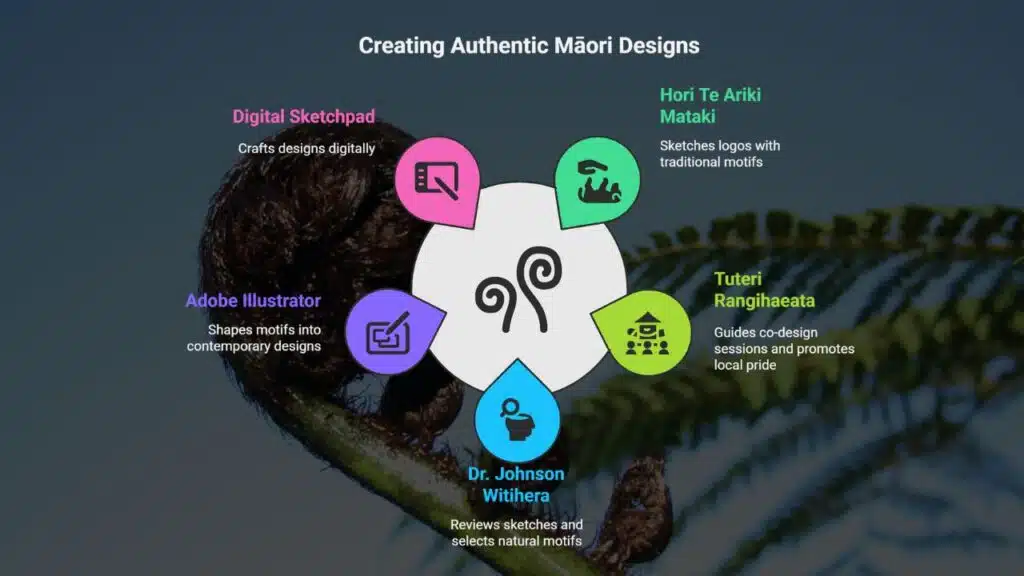
A brand team invited Hori Te Ariki Mataki from Ariki Creative to sketch logos that bring koru and hei matau to life. The crew held co-design sessions in Waha’s studio, guided by Tuteri Rangihaeata, director at Waha, who champions Māori Market Mix and shows how it fuels local pride.
Dr. Johnson Witihera, a lecturer at AUT with a Ph.D. in Māori Art & Design, reviews each sketch. He picks motifs that match natural materials like wood and flax, then shapes them in Adobe Illustrator and a digital sketchpad to craft contemporary māori design for everything from packaging to shop windows.
Protecting Cultural Integrity in Commercial Design
Design teams engage Māori communities early in the process. Hui with tribal elders and kaumātua offer vital guidance. Teams honor tino rangatiratanga to safeguard cultural autonomy.
Permission for ancestral symbols like Mount Aoraki stays essential. This step protects cultural integrity and respects heritage.
Commercial design firms use guidelines as a tool. Iwi consultation guides the addition of contemporary māori design elements. Clear style guides and ethical frameworks avoid misappropriation.
This method builds community trust and shows respect.
Encouraging Sustainability Through Māori-Inspired Practices
Communities put kaitiakitanga first. Te Kura Kaupapa Māori o Te Rito leads the way. The academy uses sturdy bamboo, rimu timber, and wool cloth, each piece lasts ages. It runs life cycle audits, it finds hidden waste.
Solar orientation slashes energy use, rainwater tanks fill green gardens. Such moves follow environmental guardianship, they treat the earth as whanau.
Architects fuse buildings with bush and hill slopes. Tūranga Christchurch Central Library stands proud, it feels like part of the land. The repository hugs a river bank, its decks reach under tall totara.
GIS mapping helped place windows, fans help cool rooms. Designers wove flax fiber mats into walls and shelves to add warmth, and to prove green design can shine. Visitors spot native ferns in each corner, they thrive under a crafted canopy.
Takeaways
Māori forms spark fresh brand stories across New Zealand. They leverage spiral forms and twist patterns for deep symbolism. Design teams mix traditional patterns with vector art tools to honor the land. Brands gain ancestral ties and cultural depth.
This blend drives real connection with customers. Kiwi labels now stand proud with meeting house echoes and fish hook symbols. Marketers pair storytelling and CAD software to build honest experiences. Māori design concepts and craft tools shape tomorrow’s brand world.
FAQs
1. What are the top Māori-style design trends that reshape Kiwi brands?
They favor smooth spiral curves. They use earth colors like brown and green. They show carved lines. They add woven shapes. They use story symbols drawn by hand. They show simple nature icons. They make bold symbols. Each trend pulls you in like a good yarn.
2. Why do Kiwi brands tap these Māori-style trends?
They link their look back to land and people. They hit home with local hearts, they tell a deep tale, they stand out from the crowd. I once saw a café sign use a swirl shape and it felt like a warm hug. That mix spoke to both tourists and home folk with a grin.
3. How can a small brand use these Māori-style designs the right way?
Start with one simple idea. Talk to local artists. Get their voice. Own your own story, do not just copy. Use real feedback, adjust your colors or lines. Walk the talk, treat the art with respect.
4. Will Māori-style design trends in Kiwi brands fade away?
No, they have roots in long culture. Good designs stand the test of time. They keep brands fresh but feel old and deep at once. These trends have staying power. They weave past and present into one.