Settlement agreements are often seen as the final step in resolving disputes, whether in the workplace, after an accident, or following a contract issue. But before you sign one, it’s essential to understand the legal implications.
These documents are legally binding and can impact your rights, finances, and future. Unfortunately, many people rush through them without understanding the fine print, which can lead to unintended consequences.
In this article, we’ll explore the 12 key legal considerations before signing a settlement agreement. This guide is designed to help you protect your interests and avoid potential pitfalls.
What Is a Settlement Agreement?
A settlement agreement is a legally binding document where two or more parties agree to resolve a dispute without going to trial. It usually involves compensation or some form of remedy offered in exchange for waiving certain rights.
| Feature | Details |
| Purpose | Resolve disputes without legal proceedings |
| Common in | Employment, personal injury, business contracts |
| Legal Binding | Yes |
| Benefits | Saves time, legal costs, and maintains privacy |
Legally Binding Nature
Once signed, settlement agreements are enforceable by law. If one party fails to honor the terms, the other party can sue for breach of contract. That’s why understanding each clause is crucial before putting pen to paper.
12 Legal Considerations Before Signing a Settlement Agreement
Before you finalize any settlement agreement, it’s important to understand that you may be giving up significant rights. These agreements are often written in complex legal language, and one small oversight could cost you dearly in the future. Below are 12 essential legal points you must consider carefully before signing, each designed to help you make an informed and secure decision.
1. Review the Terms Carefully
Before signing, read every part of the agreement thoroughly. Look for ambiguous language, fine print, and any obligations you’re expected to meet. Don’t assume that every detail has been covered just because it was discussed verbally. Only the written terms will be legally binding. Clarify any confusing sections by consulting a lawyer. Never rely on assumptions. Even simple wording can have complex legal implications.
| Checklist | Details |
| Ambiguity | Clarify unclear clauses |
| Factual Errors | Check names, dates, and amounts |
| Missing Details | Ensure all discussed terms are included |
2. Know Your Rights and Claims

When you sign, you’re usually giving up the right to sue or make any further claims. Understand exactly what you’re waiving. Make sure you know what rights are protected under federal or state laws. If you’re unsure what you’re entitled to, speak with an attorney before agreeing. You could be surrendering valuable rights such as severance pay, future claims, or medical reimbursements.
| Type of Rights You May Waive | Example |
| Future Legal Claims | Suing for wrongful termination |
| Employment Benefits | Unused vacation pay |
| Medical or Insurance Rights | Reimbursement for future treatments |
3. Confidentiality Clauses
These clauses can limit what you say about the agreement, the dispute, and the other party. Breaching a confidentiality clause can lead to legal penalties or reversal of the settlement. Understand what information you are allowed to share with friends, family, or future employers. Some confidentiality clauses may last indefinitely, so know how long you’re bound to silence.
| Type of Confidentiality Clause | Restriction |
| Full Confidentiality | You cannot discuss the agreement at all |
| Limited Confidentiality | You may speak to certain parties only |
| Non-Disclosure Agreement (NDA) | You must not disclose specific details |
4. Non-Disparagement Provisions
Non-disparagement terms prevent you from making negative comments about the other party. These clauses often apply to social media, professional networks, and even private conversations. Violating this term could expose you to lawsuits or loss of settlement benefits. Some agreements allow limited exceptions, such as legal or regulatory disclosures.
| Provision Type | Meaning |
| Broad | No negative talk in any context |
| Narrow | Limited to certain platforms or topics |
| Penalty for Breach | Legal action or repayment |
5. Tax Implications
Settlement payments can sometimes be taxable, depending on the nature of the dispute. Tax laws vary, so consult a certified tax advisor to avoid surprise liabilities. Improper classification of settlement funds can trigger audits or penalties. Knowing the tax breakdown ahead of time can help you plan financially.
| Payment Type | Taxable? |
| Back Wages | Yes |
| Emotional Distress (no injury) | Yes |
| Physical Injury Compensation | No (in most cases) |
| Legal Fees | Depends on who pays |
6. Non-Compete or Restrictive Covenants
Check if the agreement restricts your ability to work in your field or with competitors. These clauses may limit your career options for a certain period. Make sure the scope and duration are reasonable and legally enforceable. Some states restrict or even ban certain types of non-compete agreements.
| Clause Type | Impact |
| Non-Compete | Limits employment in similar roles |
| Non-Solicitation | Prevents you from contacting clients |
| Time/Geographic Limits | Duration and areas covered by restrictions |
7. Legal Fees and Costs
Understand who is paying legal fees. Some agreements include clauses requiring each party to bear their own costs. Legal costs can be significant, especially in complex cases. Be sure to calculate the total cost before agreeing to the settlement terms. Check whether you’ll be reimbursed for legal consultation or advice.
| Cost Element | Who Pays? |
| Legal Representation | You or the opposing party |
| Filing/Processing Fees | Usually split or paid by employer |
| Tax Advisors or Experts | Usually on your own |
8. Waiver of Future Claims
Many agreements include broad waivers that can limit your rights even beyond the current issue. You may be giving up the right to pursue future claims you’re unaware of today. Avoid signing overly broad waivers unless you’re fully compensated for all possible risks. Narrow waivers are typically safer and more balanced.
| Waiver Scope | Description |
| Broad Waiver | Covers all known and unknown claims |
| Specific Waiver | Covers only defined incidents |
| Risk | You may give up rights unintentionally |
9. Deadlines and Timelines
Check how long you have to sign the agreement and how quickly payments will be made. You may have a legally mandated review period, especially in employment cases. Knowing when funds will be released helps you plan for the future. Some agreements include a short window to revoke your acceptance after signing.
| Deadline Type | Duration |
| Review Period (e.g., 21 days) | Common in employment settlements |
| Revocation Period (e.g., 7 days) | Time to cancel after signing |
| Payment Date | When you’ll receive settlement funds |
10. Mutual Release vs One-Sided Release
A mutual release means both parties agree not to sue each other, while a one-sided release usually favors the drafting party. One-sided releases may be unfair and leave you exposed to future legal action. Aim for a mutual release to ensure fairness and closure. Consult a lawyer if the release seems unbalanced.
| Release Type | Description |
| Mutual | Both sides waive future claims |
| One-Sided | Only one party gives up rights |
| Fairness Check | Ensure balance between parties |
11. Governing Law and Jurisdiction
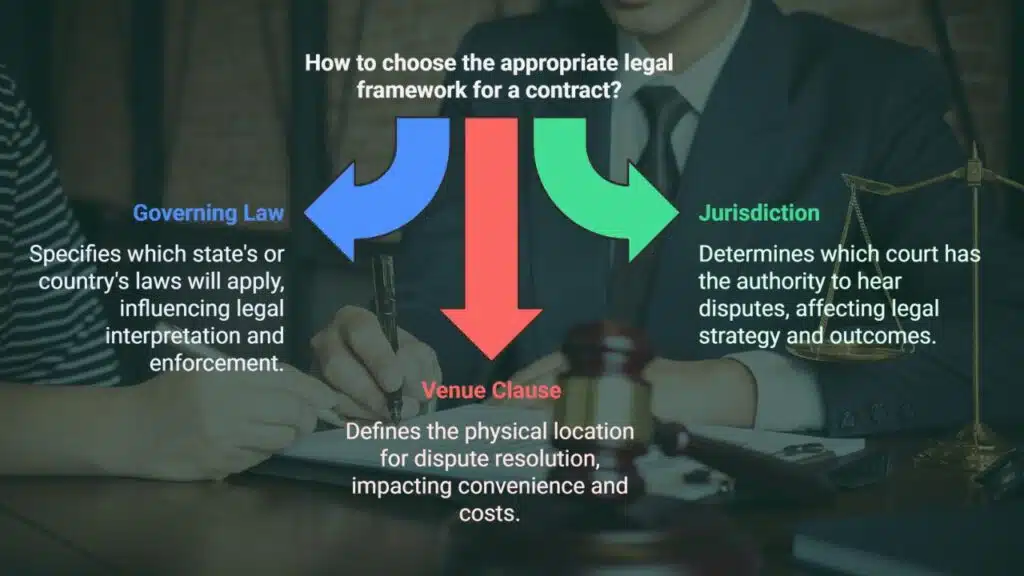
Make sure you know which laws apply and where legal issues will be handled. Some states or countries have more favorable laws for one party. Jurisdiction determines where a legal dispute would be resolved. Understanding the legal venue can affect the time and cost of litigation.
| Clause Type | Details |
| Governing Law | Specifies applicable state/country law |
| Jurisdiction | Decides which court has authority |
| Venue Clause | Location for any dispute resolution |
12. Independent Legal Advice Certificate (ILAC)
Some agreements require or recommend that you get independent legal advice before signing. This certificate proves that you understood the agreement and its consequences. It offers legal protection in case disputes arise later. Employers sometimes cover the cost of obtaining ILAC, so don’t hesitate to ask.
| ILAC Element | Benefit |
| Third-Party Review | Ensures fair understanding |
| Protection Against Disputes | Shows you signed with full knowledge |
| Employer-Provided Option | Sometimes the employer pays for it |
FAQ Section (with Schema Markup)
Can I cancel a settlement agreement after signing?
In most cases, settlement agreements are final once signed. However, some employment agreements provide a short revocation period (like 7 days).
Is it mandatory to consult a lawyer before signing?
It’s not always legally required, but it is strongly recommended, especially for complex or high-stakes agreements.
What happens if I break the confidentiality clause?
You could face legal action or be required to repay the settlement amount if you violate confidentiality terms.
Will the IRS tax my settlement money?
Yes, some parts of a settlement—like back wages or emotional distress (without injury)—may be taxable.
Takeaways
Settlement agreements are powerful legal tools. While they offer a chance to avoid court and resolve disputes privately, they also carry risks if not reviewed carefully. Understanding the legal considerations before signing a settlement agreement can save you from giving up critical rights or facing tax or employment consequences later.
Always take time to review the terms, consult a legal professional, and ask questions. Signing blindly can cost you in ways you never imagined.