Did Cooper Koch wear a prosthetic in the shower scene? This question dominated social media after the release of Netflix’s Monsters: The Lyle and Erik Menendez Story.
Koch, who plays convicted murderer Erik Menendez, confirmed he did not use a prosthetic during the unflinching prison shower sequence. Here’s a deep dive into the controversy, the actor’s revelations, and Hollywood’s evolving approach to on-screen nudity.
Did Cooper Koch Wear a Prosthetic in the Shower Scene?
Cooper Koch settled the speculation during an October 2024 Watch What Happens Live interview, stating plainly: “Mine was not a prosthetic.” Host Andy Cohen jokingly praised Koch’s anatomy, to which the actor quipped, “Well hung.” This candid admission contrasted with Hollywood norms, where prosthetics are often used for modesty or dramatic effect.
The Viral Shower Scene in Monsters
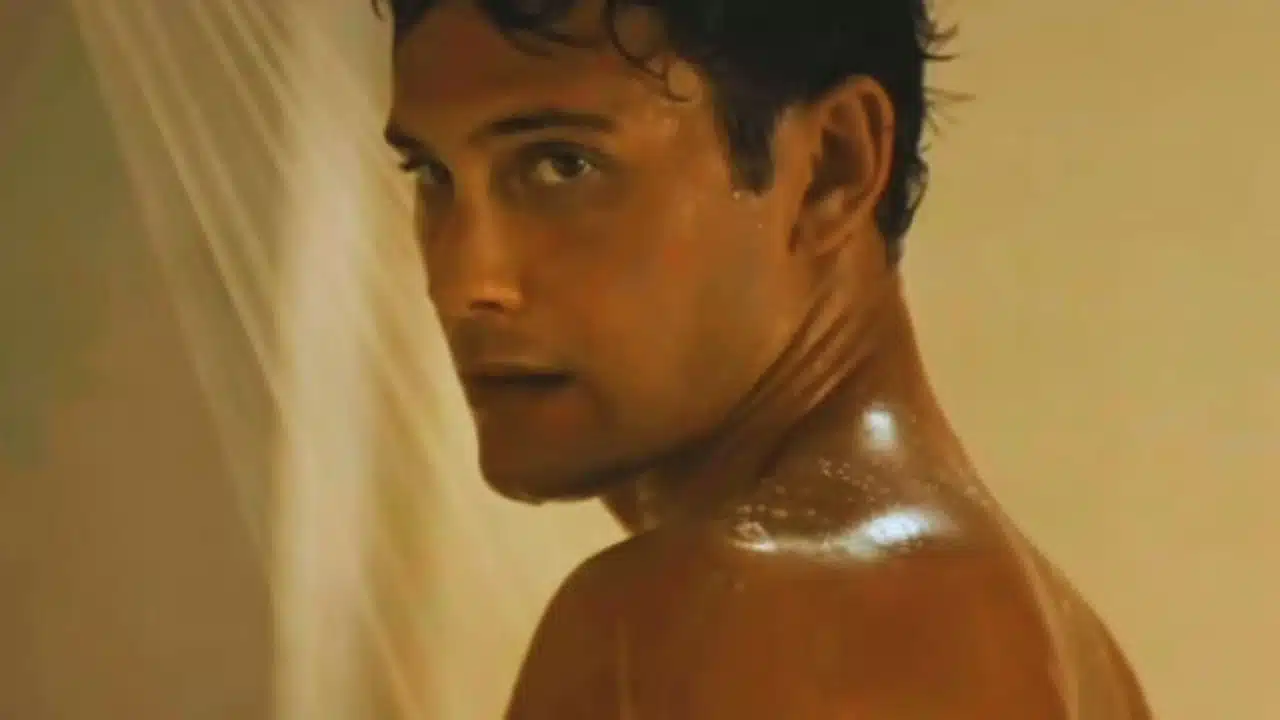
In Monsters: The Lyle and Erik Menendez Story, Koch portrays Erik Menendez, one of the brothers convicted of murdering their parents in 1989. The shower scene, featured in episode 3, depicts Erik in prison, surrounded by inmates, as he grapples with his newfound notoriety. The unflinching nudity quickly became a talking point, with viewers debating whether Koch’s anatomy was enhanced or authentic.
Cooper Koch’s Candid Confession
During an October 2024 appearance on Watch What Happens Live with Andy Cohen, Koch settled the speculation. When Cohen listed iconic on-screen nude moments—including Mark Wahlberg’s prosthetic use in Boogie Nights—Koch interjected:
“Mine was not a prosthetic.”
Cohen humorously replied, “Congratulations, Cooper! You’re very blessed,” prompting Koch to cheekily add, “Well hung.” The actor later described filming the scene as “uncomfortable at first” due to the cold set but emphasized it was crucial for Erik’s vulnerability.
Behind the Scenes of the Shower Scene
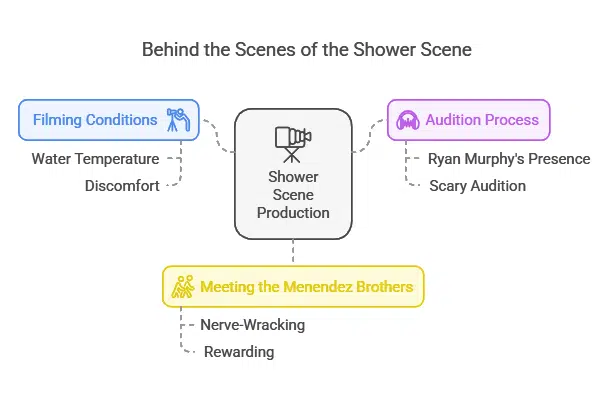
- Filming Conditions: Koch noted the water was initially warm but turned cold, heightening the discomfort.
- Audition Process: He admitted auditioning for the role was “scary,” particularly with producer Ryan Murphy present.
- Meeting the Menendez Brothers: Koch described meeting the real Erik and Lyle as “nerve-wracking” but ultimately rewarding.
Prosthetics in Hollywood: A Double-Edged Sword
The debate over Koch’s nudity ties into broader discussions about prosthetics in film. While some actors rely on them for realism or modesty, others embrace authenticity.
| Actor | Project | Prosthetic Use |
| Mark Wahlberg | Boogie Nights (1997) | Prosthetic penis |
| Charles Melton | May December (2023) | No prosthetic |
| Jared Leto | House of Gucci (2021) | Aging prosthetics |
| Cooper Koch | Monsters (2024) | No prosthetic |
Prosthetics have been praised for transformative roles (e.g., Charlize Theron in Monster) but criticized for overshadowing performances (e.g., Jared Leto in House of Gucci).
Why Authenticity Matters?
Koch’s choice to forego a prosthetic aligns with a growing trend of actors prioritizing raw authenticity. In Monsters, the scene underscores Erik’s isolation and psychological unraveling, making the character’s exposure both literal and metaphorical. As Koch explained:
“It’s about honesty. Erik’s nudity wasn’t just physical—it was emotional.”
Audience Reactions and Cultural Impact
- Social Media Buzz: The scene trended on Twitter/X, with fans calling it “jaw-dropping” and debating its necessity.
- Critics’ Take: While some praised Koch’s bravery, others questioned the show’s focus on sensationalized moments.
- Viewership: Monsters topped Netflix’s global charts, proving the enduring fascination with the Menendez case.
The Broader Context of Nudity in Film
Full-frontal nudity remains rare in mainstream media, often reserved for artistic or narrative impact. Koch’s approach contrasts with actors like Wahlberg or Saltburn’s Barry Keoghan, whose choices (prosthetic vs. real) reflect personal and creative preferences.
Final Verdict
The “Did Cooper Koch wear a prosthetic in the shower scene?” discourse underscores Hollywood’s tension between spectacle and authenticity. Koch’s choice to forgo artificial enhancements highlights a growing demand for vulnerability in storytelling.
As audiences dissect such moments, transparency—whether through prosthetics or their absence—remains key to bridging art and reality.