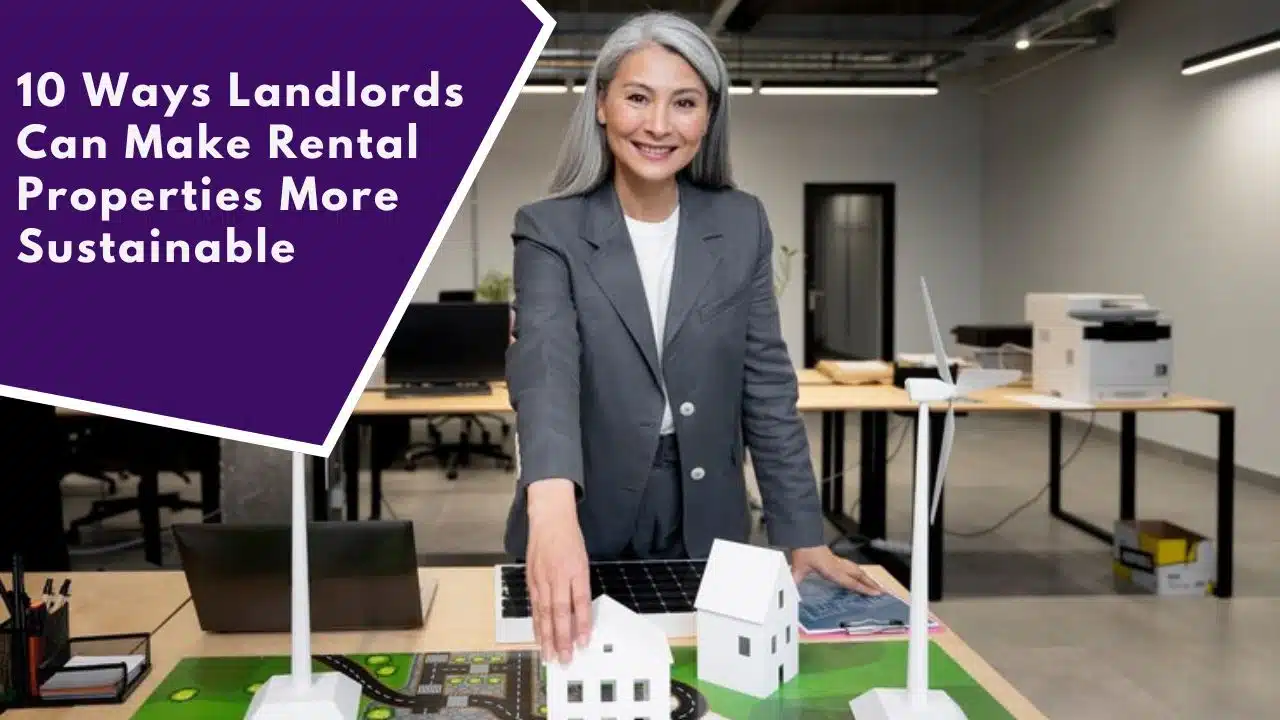
Sustainability is no longer just a buzzword; it’s a necessity. Landlords who prioritize eco-friendly practices not only contribute to the environment but also attract modern tenants who value sustainability.
From reducing energy costs to enhancing property value, adopting sustainable practices benefits everyone involved.
This guide explores ten actionable ways landlords can make rental properties more sustainable while appealing to environmentally conscious tenants.
Why Sustainability in Rental Properties Matters?
Growing Demand for Sustainable Housing
Tenants today actively seek eco-friendly rental options as part of a broader societal shift towards environmental responsibility. Properties equipped with green upgrades such as energy-efficient appliances, solar panels, and sustainable materials have become increasingly popular, particularly among millennial and Gen Z renters.
These demographics prioritize sustainability not only as a lifestyle choice but as a moral imperative. Offering sustainable rental properties can give landlords a competitive edge in a crowded market while showcasing their commitment to environmental stewardship.
Benefits for Landlords
- Cost Savings: Energy-efficient upgrades lead to reduced utility expenses, benefiting both landlords and tenants.
- Higher Tenant Retention: Green features often improve tenant satisfaction, leading to longer leases and reduced turnover.
- Increased Property Value: Properties with sustainable certifications or eco-friendly upgrades often command higher market values and rental rates.
| Key Benefits | Description |
| Cost Savings | Reduced utility bills due to energy-efficient upgrades. |
| Tenant Retention | Improved tenant satisfaction and longer lease agreements. |
| Property Value | Higher resale and rental value for sustainable properties. |
Energy Efficiency Upgrades
Installing Energy-Efficient Appliances
Energy-efficient appliances, such as those certified by ENERGY STAR, are designed to consume less energy while delivering optimal performance. These appliances include refrigerators, dishwashers, HVAC systems, and water heaters.
By replacing outdated appliances with energy-efficient ones, landlords can significantly reduce energy consumption and utility costs for their properties. Additionally, modern appliances often come with advanced features that enhance convenience and tenant satisfaction, such as smart controls or improved safety mechanisms.
Example: An ENERGY STAR-rated washing machine can save approximately 25% more energy and use 33% less water than conventional models.
| Appliance | Energy Savings | Water Savings | Annual Cost Savings |
| ENERGY STAR Fridge | 20-30% | N/A | $150-$200 |
| ENERGY STAR Washer | 25% | 33% | $50-$100 |
| HVAC System Upgrade | 20% | N/A | $200-$300 |
Switching to LED Lighting
LED bulbs are among the most energy-efficient lighting options available today, using up to 90% less energy than incandescent bulbs. Not only do LEDs consume less energy, but they also have a significantly longer lifespan—lasting up to 25 times longer. This reduces the frequency and cost of replacements for landlords. Furthermore, LEDs produce less heat, making them safer and more suitable for all types of rental properties.
| Lighting Type | Energy Usage | Lifespan (Hours) | Annual Savings per Bulb |
| LED | 7-10W | 25,000 | $10-$15 |
| CFL | 15-20W | 10,000 | $5-$10 |
| Incandescent | 60W | 1,000 | None |
Smart Thermostats and Automation
Smart thermostats, such as Nest or Ecobee, provide tenants with the ability to schedule and monitor heating and cooling remotely. These devices can significantly lower energy costs by ensuring that HVAC systems only run when needed. For landlords, smart thermostats offer the added benefit of appealing to tech-savvy tenants and promoting energy-efficient practices.
| Thermostat | Cost | Annual Savings | Features |
| Nest Thermostat | $250 | $130-$150 | App-controlled, energy reports |
| Ecobee SmartThermostat | $200-$300 | $100-$130 | Alexa integration, occupancy sensors |
Water Conservation Measures
Installing Low-Flow Fixtures
Low-flow plumbing fixtures are a cost-effective way to reduce water consumption in rental properties. These include toilets, faucets, and showerheads designed to use significantly less water without compromising functionality. For instance, low-flow showerheads use about 2 gallons per minute compared to 5 gallons in traditional models, offering both savings and sustainability.
Example: Installing low-flow toilets in a multi-unit property can reduce annual water usage by tens of thousands of gallons.
| Fixture | Water Savings | Annual Cost Savings |
| Low-Flow Showerhead | 40-60% | $20-$50 |
| Low-Flow Toilet | 30-50% | $50-$100 |
| Aerated Faucets | 30% | $15-$30 |
Landscaping with Native Plants
Using native plants in landscaping not only conserves water but also reduces maintenance efforts and costs. Native plants are adapted to local climates and soil conditions, requiring minimal irrigation and fertilization. This makes them an excellent choice for landlords seeking to create sustainable outdoor spaces.
Popular Native Plants for Mississippi:
- Coneflowers
- Black-eyed Susans
- Oakleaf Hydrangeas
| Benefit | Description |
| Water Conservation | Requires less irrigation compared to exotic plants. |
| Low Maintenance | Adapted to local conditions, reducing upkeep. |
| Environmental Impact | Supports local pollinators and biodiversity. |
Rainwater Harvesting Systems
Rainwater harvesting systems, such as rain barrels or underground cisterns, allow landlords to collect and store rainwater for irrigation or non-potable uses. These systems reduce dependency on municipal water supplies, cutting costs and conserving resources.
| System | Capacity | Cost | Use Case |
| Rain Barrel | 50-100 gallons | $100-$200 | Garden irrigation |
| Underground Cistern | 1,000+ gallons | $2,000+ | Large-scale landscaping |
Renewable Energy Options
Installing Solar Panels
Solar panels are a proven way to reduce energy costs and carbon footprints. With federal tax incentives like the Investment Tax Credit (ITC), landlords can offset installation costs while increasing property value. Additionally, solar panels make properties more appealing to eco-conscious tenants.
Example: A 5 kW solar panel system in Mississippi generates approximately 7,000 kWh annually, saving $1,200 in electricity bills.
| System Size | Cost After Incentives | Annual Savings | ROI Period |
| 5 kW | $10,000 | $1,200 | 8.3 years |
| 10 kW | $18,000 | $2,400 | 7.5 years |
Community Solar Programs
Community solar programs allow landlords to buy into shared solar farms, benefiting from renewable energy without installing on-site systems. These programs are particularly useful for multi-family properties or buildings with limited roof space.
| Program | Cost | Savings | Suitability |
| Shared Solar Farm | Subscription fee | 5-20% electricity savings | Multi-unit properties |
| Net Metering Program | Varies by utility | Credit for excess energy | Individual homes |
Waste Reduction Practices
Providing Recycling and Composting Facilities
Implementing recycling and composting programs can greatly reduce the amount of waste sent to landfills. Landlords can provide bins for recyclable materials and composting containers for organic waste, fostering sustainable habits among tenants.
Example: A recycling program in a 10-unit building can divert up to 50% of waste from landfills annually.
| Material | Recyclable? | Composting Feasibility |
| Paper/Cardboard | Yes | No |
| Glass | Yes | No |
| Food Scraps | No | Yes |
Partnering with Local Waste Management Programs
Local waste management agencies often provide resources such as free recycling bins or pickup services, reducing implementation costs for landlords.
Pro Tip: Contact your city’s waste management department for specific incentives available in your area.
Sustainable Building Materials
Using Recycled and Sustainable Materials for Renovations
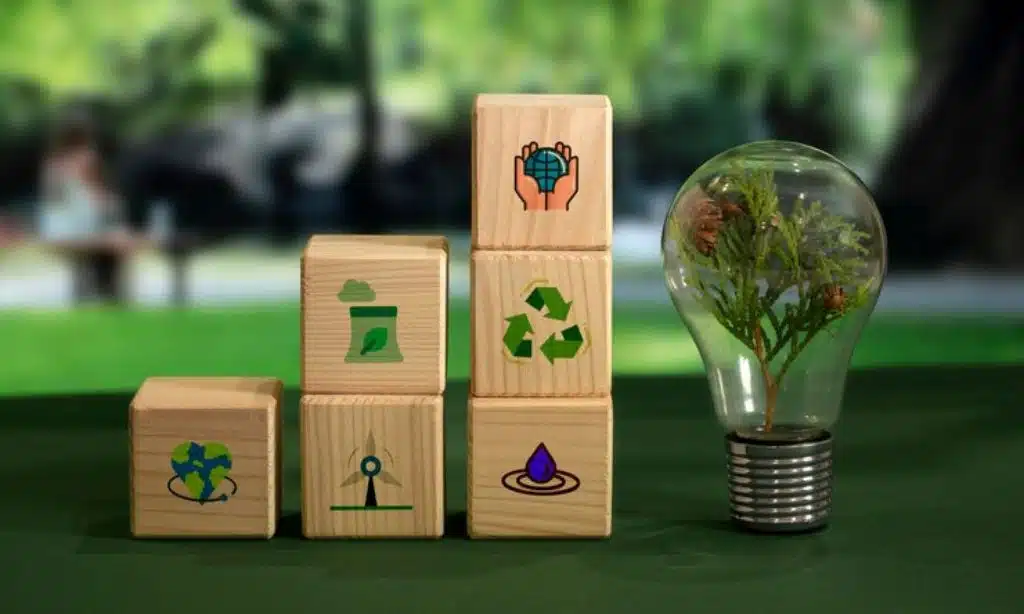
Renovations present an excellent opportunity to incorporate eco-friendly materials. Options like reclaimed wood, bamboo flooring, and recycled steel provide durable and stylish solutions while minimizing environmental impact. For instance, bamboo flooring grows faster than traditional hardwood, making it a renewable and sustainable option.
Example: Renovating with reclaimed wood reduces waste and adds a unique aesthetic to interiors.
| Material | Environmental Benefit | Durability |
| Reclaimed Wood | Reduces deforestation | High |
| Bamboo Flooring | Rapidly renewable | Medium-High |
| Recycled Steel | Diverts waste from landfills | High |
Low-VOC Paints and Finishes
Paints with low volatile organic compounds (VOCs) improve indoor air quality by emitting fewer toxic chemicals. These paints are especially beneficial for tenants with allergies or respiratory conditions. Many low-VOC options are now competitively priced, making them a practical choice for landlords.
Pro Tip: Choose certified low-VOC brands like Sherwin-Williams Harmony or Benjamin Moore Natura.
Insulating with Eco-Friendly Materials
Eco-friendly insulation materials, such as cellulose (made from recycled paper) or wool, are effective at maintaining indoor temperatures and reducing energy usage. These materials are non-toxic, biodegradable, and perform as well as traditional insulation options.
| Material | Thermal Performance | Sustainability |
| Cellulose | High | Made from recycled paper |
| Wool | Medium-High | Biodegradable |
Enhancing Indoor Air Quality
Adding Air-Purifying Plants
Houseplants such as snake plants, spider plants, and peace lilies not only beautify interiors but also improve indoor air quality by filtering pollutants like benzene and formaldehyde. Encouraging tenants to incorporate these plants into their living spaces enhances their well-being.
Popular Air-Purifying Plants:
- Peace Lily
- Snake Plant
- Spider Plant
Installing HEPA Filters in HVAC Systems
High-Efficiency Particulate Air (HEPA) filters capture small particles, including allergens and pollutants, improving air quality and reducing health risks. Regularly replacing filters ensures optimal performance.
Pro Tip: Schedule bi-annual HVAC maintenance to keep air circulation clean and efficient.
Ventilation Improvements
Improving ventilation systems by adding exhaust fans in bathrooms and kitchens helps reduce moisture buildup and prevent mold growth. This ensures a healthier living environment for tenants.
| Feature | Benefit |
| Exhaust Fans | Reduces humidity, prevents mold |
| HEPA Filters | Captures allergens and pollutants |
Leveraging Technology for Sustainability
Property Management Apps for Energy Monitoring
Apps like BuildingOS or Wattics enable landlords to monitor energy consumption across properties, helping identify inefficiencies and track improvements. These tools also provide actionable insights for optimizing energy use.
| App | Functionality | Cost |
| BuildingOS | Energy monitoring, reporting | Subscription-based |
| Wattics | Real-time energy analytics | Varies by property size |
Smart Water Leak Detectors
Devices like Flo by Moen or LeakSmart detect water leaks early, reducing water waste and preventing costly damage. These detectors are especially useful in older properties prone to plumbing issues.
| Device | Feature | Price |
| Flo by Moen | App alerts, auto shut-off | $200-$300 |
| LeakSmart | Remote monitoring | $150-$250 |
Virtual Tours to Reduce Carbon Footprint
Offering virtual property tours minimizes the need for prospective tenants to travel, reducing emissions. Platforms like Matterport and Zillow 3D Home make it easy to create immersive virtual experiences.
| Platform | Feature | Cost |
| Matterport | 3D walkthroughs, floor plans | Starting at $9.99/month |
| Zillow 3D Home | Integrated with Zillow listings | Free |
Engaging Tenants in Sustainability Initiatives
Hosting Green Workshops or Events
Educating tenants about sustainability through workshops or events fosters a sense of community and encourages eco-friendly behaviors. Topics might include composting techniques, energy-saving tips, or DIY recycling projects.
Providing Incentives for Sustainable Practices
Offering incentives such as rent discounts or gift cards motivates tenants to adopt green habits. For example, tenants who reduce energy usage or participate in recycling programs could receive rewards.
Including Sustainability Clauses in Lease Agreements
Incorporating sustainability clauses into lease agreements ensures tenants follow eco-friendly practices. Clauses could include proper recycling habits, limiting water usage, or supporting building-wide sustainability initiatives.
Financial Incentives and Government Programs
Tax Credits and Rebates for Landlords
Landlords can take advantage of various tax credits and rebates for implementing sustainable upgrades. Federal programs like the Investment Tax Credit (ITC) offer significant deductions for installing renewable energy systems such as solar panels. Additionally, state and local incentives may provide rebates for energy-efficient appliances, insulation, and HVAC systems.
| Program | Benefit | Eligibility |
| Federal Solar ITC | 30% tax credit on solar systems | All property types |
| State HVAC Rebates | $500-$1,500 rebate | Energy-efficient upgrades |
| Local Insulation Programs | Free or discounted insulation | Participating utilities |
Green Financing Options
Green loans and grants help landlords fund sustainable property improvements. Organizations like Fannie Mae offer programs specifically for eco-friendly renovations, while banks increasingly provide green financing options.
Utility Company Incentives
Many utility companies encourage energy-saving measures by offering rebates or free energy audits. These programs can help landlords identify cost-effective upgrades while reducing initial expenses.
Measuring and Reporting Sustainability Efforts
Setting Key Performance Indicators (KPIs)
Establishing KPIs allows landlords to measure the success of their sustainability initiatives. Common metrics include reductions in energy consumption, water usage, and tenant participation in green programs.
Sharing Sustainability Reports with Tenants
Transparency builds trust. Regularly sharing sustainability reports with tenants not only demonstrates commitment but also encourages continued participation in eco-friendly practices.
Using Third-Party Certifications
Certifications such as LEED or ENERGY STAR validate a property’s sustainability efforts, enhancing its marketability. These credentials reassure tenants and investors of a property’s green standards.
| Certification | Focus Area | Benefit |
| LEED | Overall sustainability | Higher property value |
| ENERGY STAR | Energy efficiency | Lower operational costs |
| WELL Certification | Health and well-being | Attracts health-conscious tenants |
Takeaways
Sustainability is a journey, not a destination. By adopting the practices outlined above, landlords can significantly make rental properties more sustainable while enjoying financial benefits and tenant loyalty.
Small changes like installing LED lights or low-flow fixtures can lead to substantial savings, while larger investments such as solar panels or green building materials can transform a property’s marketability. Engaging tenants and leveraging financial incentives further amplifies the impact of these efforts.
Start your sustainability journey today—both your tenants and the planet will thank you. For more insights on eco-friendly practices, visit Editorialge and take your first step toward a greener future.