Print-on-demand (POD) has revolutionized the e-commerce space, allowing entrepreneurs to create and sell custom-designed products without holding inventory.
While starting a POD business is relatively simple, standing out in a competitive market requires effective marketing strategies. For beginners, understanding the basics of POD marketing is crucial to building a loyal customer base and growing their brand.
This article explores 15 creative marketing strategies tailored for beginners in the POD space.
These strategies will help you attract customers, optimize sales, and achieve long-term success in your business.
1. Leverage Social Media Platforms
Social media platforms like Instagram, Facebook, and TikTok offer a cost-effective way to showcase your products, engage with potential customers, and build a community around your brand.
For POD businesses, these platforms are ideal for sharing visuals of your designs and directly interacting with your audience.
How to Implement:
- Instagram and Pinterest: Post high-quality, lifestyle-oriented images of your products in action. Use relevant hashtags like #CustomDesigns or #EcoFriendlyProducts to increase reach.
- TikTok Challenges: Short, engaging videos showcasing your product creation process or featuring customer testimonials can go viral quickly.
- Facebook Groups: Join or create niche-specific groups to discuss trends and share your products authentically without spamming.
Example:
A POD entrepreneur selling pet-themed T-shirts can post TikTok videos featuring cute pets wearing their products with a catchy soundtrack.
Pro Tip:
Schedule posts in advance using tools like Hootsuite or Buffer, ensuring consistency across platforms.
2. Create a Strong Brand Identity

A unique and cohesive brand identity differentiates your business from competitors. It builds trust, encourages repeat purchases, and establishes emotional connections with customers.
How to Implement
- Visual Identity: Develop a professional logo and stick to a consistent color palette and typography across all platforms.
- Brand Voice: Align your tone with your target audience. For example, a quirky and fun voice works for youth-oriented products, while a professional tone suits corporate merchandise.
- Mission and Values: Highlight your unique selling point, whether it’s eco-friendliness, quality, or supporting local artists. Customers love brands with purpose.
Example:
A POD store focusing on sustainable products can use green colors, minimalist designs, and slogans emphasizing environmental impact, such as “Wear the Change.
3. Offer Seasonal Promotions and Discounts
Seasonal promotions tap into consumer urgency and align your brand with festive buying trends. They are excellent for increasing short-term sales and clearing out older inventory.
How to Implement
- Holiday Sales: Create discounts around major events like Christmas, Black Friday, or summer vacations. For instance, “Get 20% off on Valentine’s Day gifts!
- Flash Sales: Limited-time offers with countdown timers add urgency to purchases.
- Thematic Bundles: Combine products for a seasonal theme, such as “Summer Essentials” or “Back-to-School Bundles.”
Example:
Run a Christmas campaign offering a free custom mug with every purchase of $50 or more.
Pro Tip:
Leverage email marketing to notify subscribers about upcoming seasonal deals.
4. Use Influencer Marketing
Influencers bridge the gap between your brand and your target audience. Their endorsement builds trust and brings new followers to your store.
How to Implement
- Identify Niche Influencers: Partner with micro-influencers (5K-50K followers) who have a highly engaged audience within your target demographic.
- Sponsored Posts: Provide influencers with free products to feature in their posts or stories.
- Affiliate Marketing: Offer influencers a commission for every sale generated through their unique affiliate link.
Example:
If you sell fitness-themed POD merchandise, collaborate with a fitness influencer to wear your T-shirts in their workout videos.
Pro Tip:
Use platforms like Upfluence or AspireIQ to connect with influencers.
5. Optimize Your Website for SEO
Search engine optimization (SEO) drives organic traffic to your site, reducing dependency on paid advertising. Optimized pages are easier for customers to find when searching for specific products or designs.
How to Implement
- Keyword Integration: Identify long-tail keywords like “custom travel mugs” or “funny graphic T-shirts” and include them in product titles, descriptions, and meta tags.
- High-Quality Content: Write blog posts related to your niche, such as “Top 10 Gift Ideas for Coffee Lovers” for a store selling custom mugs.
- Alt Text for Images: Add descriptive alt text to all images to improve accessibility and SEO rankings.
Example:
A POD business selling eco-friendly tote bags can target keywords like “sustainable grocery totes” or “reusable shopping bags.
Pro Tip:
Use free tools like Ubersuggest or Google Keyword Planner to refine your keyword strategy.
6. Run Targeted Paid Ads
Targeted paid ads enable you to reach specific audiences who are most likely to purchase your products. By focusing on precise demographics, interests, and behaviors, paid ads deliver quick results and boost sales.
How to Implement
- Facebook and Instagram Ads: Use carousel ads to showcase multiple products or run single-image ads with clear calls to action like “Shop Now” or “Get 20% Off.”
- Google Shopping Ads: Ensure your product listings are optimized with accurate titles, descriptions, and high-quality images for better visibility.
- Retargeting Ads: Reach out to potential customers who have previously visited your website or abandoned their cart.
Example:
Run an Instagram ad campaign targeting eco-conscious millennials for a POD store selling reusable water bottles. Use creative ad copy highlighting environmental benefits.
Pro Tip:
Set a budget for each campaign and analyze the performance using ad metrics like CTR (Click-Through Rate) and ROI (Return on Investment) to refine future ads.
7. Leverage Email Marketing
Email marketing is one of the most effective tools for maintaining customer relationships, promoting new products, and driving repeat purchases. It’s a cost-effective way to nurture leads and convert them into loyal customers.
How to Implement
- Build an Email List: Offer incentives like discounts or free downloads in exchange for email sign-ups.
- Automated Campaigns: Set up welcome emails for new subscribers, abandoned cart reminders, and post-purchase follow-ups.
- Personalization: Use customer data to personalize emails with their name, past purchases, or recommendations.
Example:
Send a personalized email to customers who bought holiday-themed products last year, promoting your latest Christmas collection with a “20% Off” coupon.
Pro Tip:
Use email marketing tools like Mailchimp or Klaviyo to segment your audience and track campaign performance.
8. Showcase Customer Reviews and Testimonials
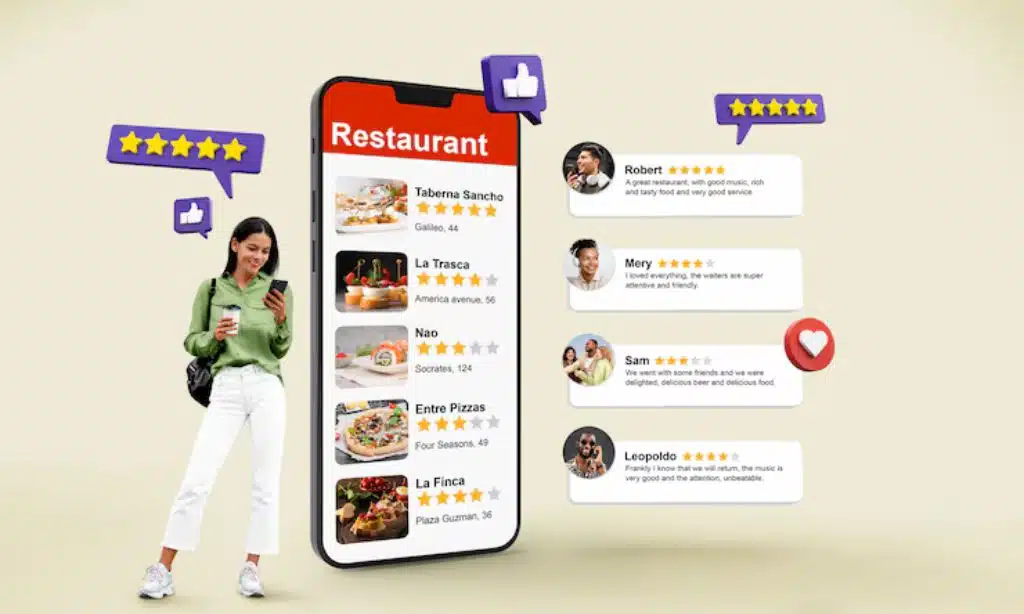
Positive reviews and testimonials build trust and credibility, encouraging new customers to make a purchase. User feedback reassures potential buyers about the quality and reliability of your products.
How to Implement
- Collect Reviews: Ask customers to leave reviews after purchase. Offer incentives like a discount on their next order for detailed feedback.
- Feature Testimonials: Display reviews prominently on your website’s homepage, product pages, and social media posts.
- Encourage Photos: Ask satisfied customers to share photos of their purchases and feature them in your marketing.
Example:
Highlight a glowing customer review for your custom-designed T-shirts on Instagram, accompanied by a photo of the customer wearing it.
Pro Tip:
Use third-party review platforms like Trustpilot or Yotpo to gather and display authentic customer reviews.
9. Utilize User-Generated Content (UGC)
User-generated content (UGC) showcases real customers enjoying your products, adding authenticity to your marketing efforts. UGC serves as social proof and helps build a community around your brand.
How to Implement
- Encourage Sharing: Ask customers to post photos of their purchases on social media and tag your brand.
- Create a Branded Hashtag: Develop a unique hashtag like #WearMyDesigns to make it easy for customers to share and for you to find their content.
- Feature UGC: Repost customer content on your social media, website, and email campaigns to show appreciation and inspire others.
Example:
A POD store selling gym accessories can repost customer photos using their branded workout gear with the hashtag #MyWorkoutStyle.
Pro Tip:
Run contests or giveaways to incentivize customers to share their content.
10. Build a Niche Community
Creating a community around your niche builds loyalty, increases engagement, and drives repeat purchases. Customers who feel connected to your brand are more likely to advocate for it.
How to Implement
- Private Groups: Create Facebook or Discord groups where customers can interact, share feedback, and discuss related topics.
- Exclusive Perks: Offer community members early access to new products, special discounts, or free webinars.
- Engage Regularly: Post valuable content, such as behind-the-scenes looks at your design process or tips relevant to your niche.
Example:
A POD store focusing on gamer-themed merchandise can create a Discord community for gaming enthusiasts, offering exclusive deals and hosting virtual events.
Pro Tip:
Encourage members to invite like-minded friends to grow your community organically.
11. Collaborate with Other POD Sellers
Collaboration with other Print-on-Demand sellers provides mutual benefits, including access to a broader audience, shared resources, and increased visibility. Working together can also foster creative synergy, helping both businesses to grow faster.
How to Implement
- Partner for Bundles: Combine complementary products from two POD stores into a themed bundle, such as matching T-shirts and mugs.
- Shared Promotions: Promote each other’s products through social media campaigns, email newsletters, or blogs.
- Joint Giveaways: Organize giveaways where followers of both brands can enter by liking and sharing posts from each store.
Example:
If you sell customized gym wear, collaborate with a POD seller offering water bottles or yoga mats for a “Fitness Starter Pack” bundle.
Pro Tip:
Choose collaborators whose niche aligns with yours but does not directly compete, ensuring a win-win relationship.
12. Offer Limited-Edition Products
Scarcity drives urgency. Limited-edition products encourage customers to act quickly before the items sell out, boosting sales while creating buzz around your brand.
How to Implement
- Seasonal Collections: Launch designs tied to specific seasons, holidays, or events, such as “Winter Wonderland Mugs” or “Halloween T-Shirts.”
- Time-Sensitive Sales: Announce that a design will only be available for a certain period, like “Available Until Midnight!”
- Collaborative Editions: Partner with an artist or influencer to create exclusive designs.
Example:
Release a “Summer Adventure” tote bag collection available only for three months, creating excitement among your customers.
Pro Tip:
Use countdown timers on your website or ads to visually show the limited availability, enhancing the urgency.
13. Host Virtual Events
Virtual events are an engaging way to connect with your audience and showcase your products. They offer an interactive platform for customers to learn about your designs, ask questions, and participate in real-time.
How to Implement
- Live Product Launches: Announce new designs during a live stream and offer exclusive discounts to attendees.
- Workshops: Host a session teaching your audience about topics related to your niche, such as styling tips or creating personalized gifts.
- Q&A Sessions: Engage with your audience by answering their questions about your products, business, or design process.
Example:
A POD store specializing in home décor could host a virtual workshop on “Decorating Your Living Space with Custom Prints.
Pro Tip:
Promote your event across all channels and offer incentives, like exclusive promo codes, for participants.
14. Incorporate Storytelling in Marketing
Stories create emotional connections, making your brand more relatable and memorable. Customers are more likely to support businesses that share authentic narratives about their products or mission.
How to Implement
- Behind-the-Scenes Content: Share how your designs are created, from concept to final product.
- Customer Stories: Feature testimonials or photos showing how your products are used in real life.
- Your Brand’s Journey: Highlight your motivation for starting a POD business, challenges faced, and milestones achieved.
Example:
A POD seller specializing in pet accessories can share stories about how their products have improved pet-owner relationships, featuring customer photos and quotes.
Pro Tip:
Use storytelling in your email campaigns and product pages to captivate your audience and drive sales.
15. Use Analytics to Refine Strategies
Data-driven decisions ensure your marketing efforts focus on what works best. Regularly analyzing metrics helps identify strengths, weaknesses, and opportunities for improvement.
How to Implement
- Track Website Performance: Use tools like Google Analytics to monitor traffic, bounce rates, and conversion rates.
- Ad Campaign Insights: Review metrics such as click-through rates (CTR), cost per click (CPC), and return on ad spend (ROAS) to optimize your campaigns.
- Social Media Engagement: Measure likes, shares, comments, and follower growth to evaluate content performance.
Example:
If a certain product category receives higher traffic but lower conversions, use the data to improve the product description or images.
Pro Tip:
Set specific goals for each campaign and regularly evaluate progress using analytics dashboards.
Takeaways
Print-on-demand businesses can achieve remarkable success with the right marketing strategies. By combining creativity, consistency, and data-driven techniques, even beginners can stand out in a competitive market.
Implement these 15 strategies to grow your POD store, build a loyal customer base, and achieve long-term profitability.
Start taking actionable steps today and watch your POD business flourish!