Web3 is becoming one of the biggest shifts in internet technology. It blends blockchain, digital ownership, decentralized apps, smart contracts, and new economic models into a single ecosystem. For many beginners, Web3 feels confusing, technical, or even intimidating. But the truth is simple: you can learn Web3 step-by-step, starting with very small, low-risk actions.
This guide breaks down 10 Web3 ideas perfect for beginners , all explained in easy vocabulary and supported with simple examples. You don’t need to be a developer, trader, or crypto expert. These ideas help you understand Web3 by doing—not just by reading.
Before we begin, here’s a quick note:
- You will not make financial decisions here.
- You will only learn how Web3 works safely.
- You can start with zero or very little money.
- Each idea builds your confidence in an important Web3 skill.
Let’s start your journey into the decentralized future of the internet.
1. Set Up a Non-Custodial Wallet and Learn Self-Custody
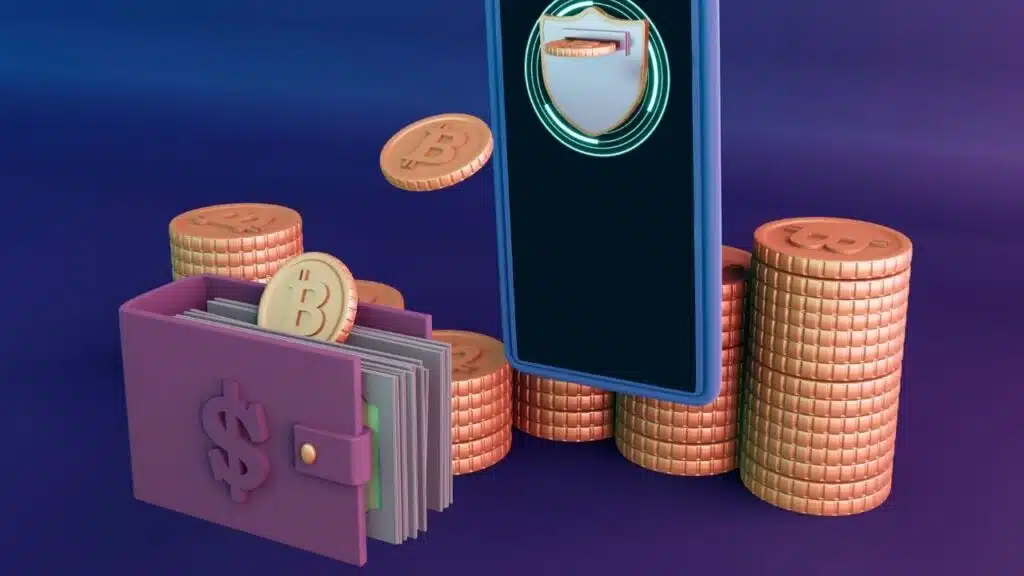
A Web3 wallet is your main tool for the decentralized world. It lets you store crypto, NFTs, and other digital assets. It also lets you sign transactions and connect to Web3 apps.
A non-custodial wallet means you control your private keys. No company can block your account or move your funds without your permission. This is one of the biggest differences between Web2 and Web3.
Why This Is the Best First Step
You cannot experience Web3 without a wallet. Learning how wallets work teaches you:
- How to access decentralized apps
- How public and private keys work
- How to store your digital property securely
- How to avoid scams and phishing attacks
A non-custodial wallet means you are in full control of your assets. Nobody can freeze them, move them, or access them without your permissions.
Steps for Beginners
1. Choose a Trusted Wallet
Look for features like security, ease of use, multi-chain support, and compatibility with your device.
2. Write Down Your Recovery Phrase
Your wallet gives you 12 or 24 secret words. These words unlock your assets.
- Write them on paper.
- Store offline.
- Do not take screenshots.
- Do not enter them on websites.
If you lose the phrase, you lose access forever.
3. Test Basic Wallet Features
- View your wallet address.
- Switch networks.
- Check token balances.
- Connect to a simple decentralized app.
This gives you your first hands-on Web3 experience.
2. Practice Everything on a Testnet—Zero Financial Risk
Testnets are perfect training grounds for beginners. They let you practice transactions, explore dApps, and make mistakes without losing money. This environment gives you the confidence and muscle memory you need before interacting with real blockchain networks. Think of testnets as your Web3 playground—safe, free, and beginner-friendly.
Why Testnets Help Beginners
Testnets allow you to:
- Understand gas fees
- Learn how transactions work
- Practice connecting wallets to dApps
- Explore smart contract interactions
- Make mistakes with no consequences
You can learn the entire Web3 flow for free.
Steps for Beginners
1. Add a Testnet to Your Wallet
Popular networks include Ethereum testnets like Sepolia or Holesky.
2. Get Free Tokens From a Faucet
A faucet sends free test tokens. You use them to experiment with:
- Transaction sending
- Swaps
- Contract calls
- Approvals
3. Practice Common Web3 Actions
Try:
- Sending test tokens
- Connections to a test dApp
- Rejecting and confirming transactions
- Observing transaction history
This builds your confidence before using real blockchain networks.
3. Try a Small On-Chain Payment Using a Stablecoin
Stablecoins introduce you to the practical side of Web3 by showing how fast, transparent, and low-cost digital payments can be. Even a small transaction teaches you the real power of blockchain: transferring value without middlemen, delays, or high fees. This is one of the most important Web3 experiences because it mirrors real-world use cases.
Why Beginners Should Try Stablecoin Payments
Stablecoins are:
- Less volatile than regular crypto
- Easy to send globally
- Cheaper than bank transfers
- Fast, usually within seconds or minutes
Trying a small stablecoin transaction teaches you the core purpose of blockchain: peer-to-peer money without intermediaries.
Steps for Beginners
1. Buy a Small Amount of a Stablecoin
Even $1–$5 worth is enough to learn.
2. Send It to Another Wallet
This can be:
- Your friend
- Your second wallet
- A test account
Check the speed, cost, and confirmations.
3. View the Transaction on a Block Explorer
Paste your address into a blockchain explorer and see:
- The sender
- The receiver
- The token
- The timestamp
- The gas fee
This helps you understand blockchain transparency.
4. Make Your First Simple DeFi Transaction (Swap Tokens)
Decentralized finance simplifies global financial access by removing intermediaries. Even a basic token swap shows you how open financial systems can work without banks or brokers. This step helps beginners understand how smart contracts automate trading and why DeFi has become one of the fastest-growing areas in Web3.
Why This Is a Good Idea
You learn:
- How decentralized exchanges work
- How liquidity pools support token swaps
- How slippage affects prices
- Why gas fees exist
- What approvals mean in Web3
This knowledge is the foundation of all Web3 finance.
Steps for Beginners
1. Select a Safe, Well-Known DeFi App
Choose platforms that have strong reputations and clear user interfaces.
2. Swap a Tiny Amount
Start with $1–$3 worth of a token. The goal is to learn—not to profit.
3. Study the Swap Details
You will see:
- Price impact
- Gas fees
- Estimated output
- Route optimization
- Transaction ID
This teaches you how on-chain trading works.
Safety Tips
- Only use official links.
- Double-check the contract addresses.
- Never provide your recovery phrase.
- Keep amounts very small at first.
5. Mint or Collect Your First NFT

NFTs bring the concept of digital ownership to life in a fun and interactive way. Whether you mint a simple artwork or collect a free NFT, you experience how blockchain verifies uniqueness, ownership, and authenticity. This step is perfect for beginners because it combines creativity with technology in a hands-on way.
- Art
- Music
- Tickets
- Membership passes
- Virtual items
- Collectibles
Why Beginners Should Try NFTs
NFTs teach you:
- How smart contracts work
- How ownership is stored on-chain
- How marketplaces operate
- What minting and metadata mean
- How decentralized storage works
Ways to Start
1. Mint a Free or Low-Cost NFT
Many projects offer free mints. You only pay for gas fees.
2. Buy an Inexpensive NFT
Choose beginner-friendly collections or educational drops.
3. Mint Your Own NFT
You can upload:
- A photo
- A poem
- A simple design
Use a platform that allows one-click NFT minting.
What You Learn
- How NFTs are created
- How token IDs work
- How on-chain data links to files
- How ownership transfers happe
- Why some NFTs are rare or valuable
NFTs are a fun way to learn Web3 without pressure.
6. Upload a File to Decentralized Storage (IPFS/Filecoin)
Decentralized storage solves one of the internet’s biggest problems—centralized control over data. By uploading a file yourself, you witness how information can live independently of any single company or server. This step teaches you the deeper infrastructure behind Web3 and why decentralization matters beyond tokens and trading.
Why This Is a Great Beginner Activity
It teaches you:
- What content identifiers (CIDs) are
- How data is pinned or stored
- How decentralized networks secure files
- Why NFTs often use IPFS
- How censorship-resistant storage works
Steps for Beginners
1. Choose a Non-Sensitive File
Pick something small like a simple image or text file.
2. Upload It Through an Easy Interface
Some services offer drag-and-drop storage with free tiers.
3. Receive Your CID
This hash points to your file across the network.
4. Open Your File Using a Public Gateway
Paste the CID into the gateway’s URL.
You’ve now used decentralized Web3 storage.
7. Join a DAO and Participate in a Vote
DAOs introduce beginners to Web3 governance, where communities—not corporations—decide how projects evolve. Joining a DAO gives you a sense of belonging and shows how transparent decision-making works on the blockchain. Voting on a proposal, even once, helps you understand how collective ownership shapes Web3 ecosystems.
- A project
- A community
- A treasury
- A protocol
Why Beginners Should Explore DAOs
DAOs help you understand:
- On-chain governance
- Voting tokens
- Proposals and community rules
- Collective decision-making
- Treasury management
DAOs are the future of many decentralized communities.
Steps for Beginners
1. Find a Beginner-Friendly DAO
Choose communities that focus on education, public goods, art, or open-source work.
2. Join Their Discord or Forum
Get familiar with their culture, discussions, and proposal formats.
3. Observe a Proposal
See how members debate and refine ideas.
4. Cast One Small Vote
Even if your vote is symbolic, it teaches you the mechanics of decentralized governance.
8. Join a Decentralized Social Media Platform
Decentralized social platforms highlight the shift from company-owned identities to user-owned social profiles. They allow you to control your data, followings, and online interactions across multiple apps. This step helps beginners see how Web3 transforms the everyday internet experience—not just money or finance.
Why Beginners Should Try Web3 Social
You learn:
- How Web3 identity works
- How posts can be collectible
- How creators can own their audience
- How decentralized profiles move between apps
- How followers are stored on-chain
Decentralized social is one of the fastest-growing areas of Web3.
Steps for Beginners
1. Create a Wallet-Linked Social Profile
Your profile might exist on a blockchain, making it portable.
2. Make a Few Posts
Understanding how interactions work in a decentralized feed helps you understand user-owned networks.
3. Try Collecting or Minting a Post
Some platforms let users mint posts or artworks with a click.
What You Learn
- Data ownership
- On-chain identity
- New monetization models for creators
- Portable social graphs
This area shows how the internet may shift in the next decade.
9. Experiment With a Layer-2 (L2) Blockchain
Layer-2 blockchains solve scalability issues and make Web3 smoother, faster, and cheaper. By exploring an L2, you understand how blockchain is becoming more efficient for everyday users. This step is essential because Web3’s future depends on scalable solutions that can support millions of people globally.
Why L2s Are Essential for Beginners
You learn:
- Why gas fees drop
- How scaling solutions work
- Why rollups matter
- How transactions are bundled
- Why L2s are important for mass adoption
Steps for Beginners
1. Bridge a Small Amount of Crypto to an L2
Use official bridging tools only.
2. Perform Basic Actions
Try:
- Sending a token
- Minting a small NFT
- Making a simple DeFi swap
3. Compare Costs
You will notice significantly lower gas fees.
What This Teaches You
- Blockchain scalability
- Network layers
- Data compression
- Practical differences between chains
Understanding L2 networks prepares you for advanced Web3 experiences.
10. Read a Smart Contract Using a Block Explorer
Reading a smart contract introduces you to the logic behind Web3 applications. Even if you do not code, you can learn how rules, functions, and permissions work on-chain. This step helps beginners build awareness and safety skills, making them smarter and more confident Web3 users.
Why Beginners Should Do This
You don’t need to code. Just exploring a contract helps you understand:
- Transparency in Web3
- How token balances are calculated
- How ownership works
- What functions users can call
- What makes a contract trustworthy
Steps for Beginners
1. Pick a Contract You Already Interacted With
For example, an NFT you minted or a token you swapped.
2. View It on a Block Explorer
Check:
- Contract address
- Source code (if verified)
- Holder count
- Recent transactions
3. Explore the “Read” and “Write” Sections
See what the contract exposes to users.
4. Understand Verified vs. Unverified Contracts
Verified contracts allow users to inspect real code.
This skill helps you avoid scams and understand how Web3 apps really work.
Bonus Idea: Follow a Structured Web3 Learning Path
There are many free and paid Web3 courses designed for beginners. They provide step-by-step guidance into:
- Web3 basics
- Wallet security
- DeFi
- NFTs
- Smart contract fundamentals
- DAO governance
- Blockchain scalability
Studying through a structured path ensures you learn Web3 in a logical order, without confusion.
Simple Overview of Web3 Concepts for Beginners
| Web3 Concept | What It Means | Why It Is Important for Beginners | Difficulty Level |
| Web3 Wallet | Tool to store digital assets and sign transactions | Needed for everything in Web3 | Easy |
| Testnets | Fake blockchains with no real money involved | Helps practice safely | Very Easy |
| Stablecoins | Crypto pegged to a stable currency | Learn real payments without volatility | Easy |
| DeFi | Financial apps on blockchain | Understand trading and swaps | Medium |
| NFTs | Unique digital items | Learn digital ownership and tokenization | Easy |
| Decentralized Storage | File storage on distributed networks | Understand data ownership | Easy |
| DAOs | Blockchain-based communities | Learn governance and voting | Medium |
| Decentralized Social | Social media on blockchain | Learn Web3 identity | Easy |
| Layer-2 Networks | Low-cost, fast blockchain layers | Understand scalability | Medium |
| Smart Contracts | Blockchain programs | Learn Web3 rules and transparency | Medium |
Final Thoughts
Web3 may seem complex at first, but it becomes far more approachable when you learn through small, safe, hands-on steps. Each beginner-friendly idea—from creating a wallet to exploring NFTs, DeFi, DAOs, and decentralized social networks—helps build your confidence. The more you interact with these tools, the easier it becomes to understand the core values of Web3: ownership, transparency, decentralization, and user empowerment. You begin to see the internet not as a set of centralized platforms, but as an open ecosystem where anyone can participate, contribute, and innovate.
As you move forward, take your time, stay curious, and always prioritize safety. Web3 is still evolving, and beginners who learn patiently today will be far ahead tomorrow. Whether you aim to explore digital creativity, participate in community governance, experiment with decentralized finance, or simply understand the technology shaping the next phase of the internet, these steps will guide you. The future of Web3 belongs to those who learn, adapt, and embrace the possibilities one small step at a time.