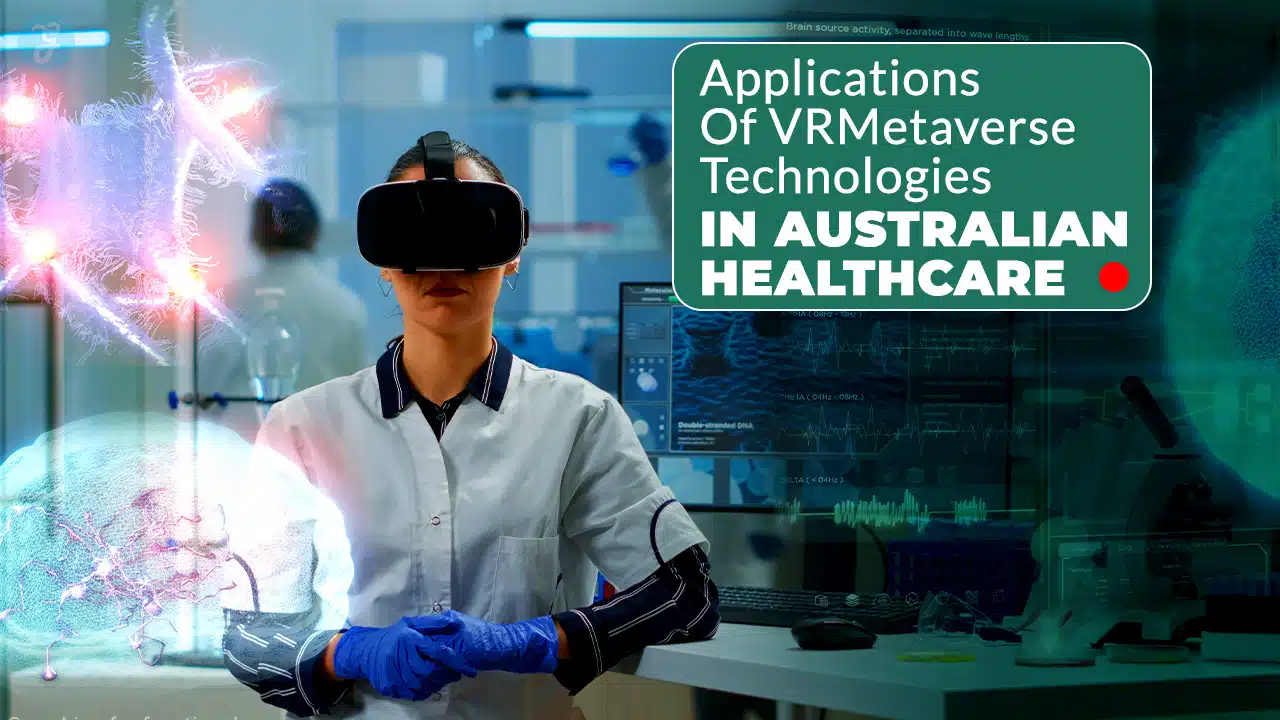
Imagine living in a remote Australian town, far from big hospitals. You face long drives for checkups, or doctors struggle to train without real risks. This hits hard for folks in the outback, where help feels worlds away.
It’s like chasing shadows for good care, leaving patients and pros frustrated.
The Metaverse changes that game. It blends virtual reality (VR) and augmented reality (AR) into immersive environments, opening doors to healthcare innovation. One key fact: VR creates full digital worlds using head-mounted displays, letting users enter simulated environments without leaving home.
This post explores six ways VR and Metaverse tech boost Australian healthcare, from surgical training to mental health treatment. You’ll see how these tools tackle real problems, like remote patient care and pain management.
Ready to step inside?
Key Takeaways
- Over 60% of survey respondents predict extended reality (XR) will go mainstream in five years, boosting surgical training and cognitive rehabilitation in Australian healthcare.
- In June 2020, Johns Hopkins University surgeons performed the first AR-assisted surgery, using transparent eye displays for tumor removal from a spine.
- XRHealth provides VR-based telemedicine platforms for remote consultations, therapy for PTSD, phobias, and pain management in remote Australian areas.
- Osso VR and SimX software offer realistic simulations with multiplayer modes and real-time feedback for medical training, including augmented reality overlays for diagnosis.
- Meta envisions the metaverse as an immersive digital world for global medical research collaboration, needing a consortium for universal data sharing schemas.
Enhanced Medical Training and Education
Picture doctors slipping on VR headsets to practice tough surgeries, feeling every cut
Realistic simulations for surgery and diagnosis
Doctors practice surgery in virtual reality. They enter lifelike scenes, cutting and stitching like in a real operating room. Surgical training simulations give step-by-step guidance.
Real-time feedback spots mistakes right away. Healthcare professionals love this, as it builds skills fast. Software like SimX boosts training with multiplayer modes. Teams work together in virtual environments.
Osso VR adds augmented reality overlays for sharp diagnosis. It helps spot issues in 3D models. VR even treats sexual disorders and Autism Spectrum Disorders. Patients face fears in safe, immersive virtual reality.
Therapists guide exposure therapy for phobias. This tech mixes with artificial intelligence for smarter care. Immersive technology changes how doctors learn and heal.
Risk-free practice environments for skill development
Imagine practicing brain surgery without touching a real patient. Virtual reality (VR) makes this possible. It creates risk-free practice environments for skill development. Medical professionals use head-mounted displays (HMD) to enter immersive technology.
They practice complex procedures in digitally generated scenes. No real harm comes to anyone, like a safety net in a high-wire act.
Over 60% of survey respondents predict extended reality (XR) will hit mainstream in five years. This boosts surgical training and cognitive rehabilitation. Doctors build skills in virtual worlds, free from risks.
Think of it as a flight simulator for medicine, where mistakes teach without consequences. Immersive virtual environments help with everything from physical therapy to overcoming dental phobia.
Wearable sensors add realism, making practice feel lifelike.
Interactive learning for medical students and professionals
Medical students engage with virtual reality simulations to master anatomy. They explore 3D models of the human body, turning complex lessons into hands-on adventures. A young doctor practices heart surgery without touching a real patient; that’s the magic of immersive technology.
It builds skills fast and boosts confidence. Professionals use augmented reality tools like Microsoft HoloLens to spot veins with ease during training sessions. This tech sharpens surgical precision and cuts errors in the real world.
Interactive VR tools let students role-play diagnoses in safe, digital spaces. They chat with virtual patients, asking questions and making choices that feel real. Think of it as a video game that saves lives down the line.
For pros, these setups refresh old skills and teach new ones, like handling rare cases. AR overlays guide them through tricky procedures, making learning stick. Healthcare innovation like this keeps everyone sharp and ready for anything.
Improved Diagnostics
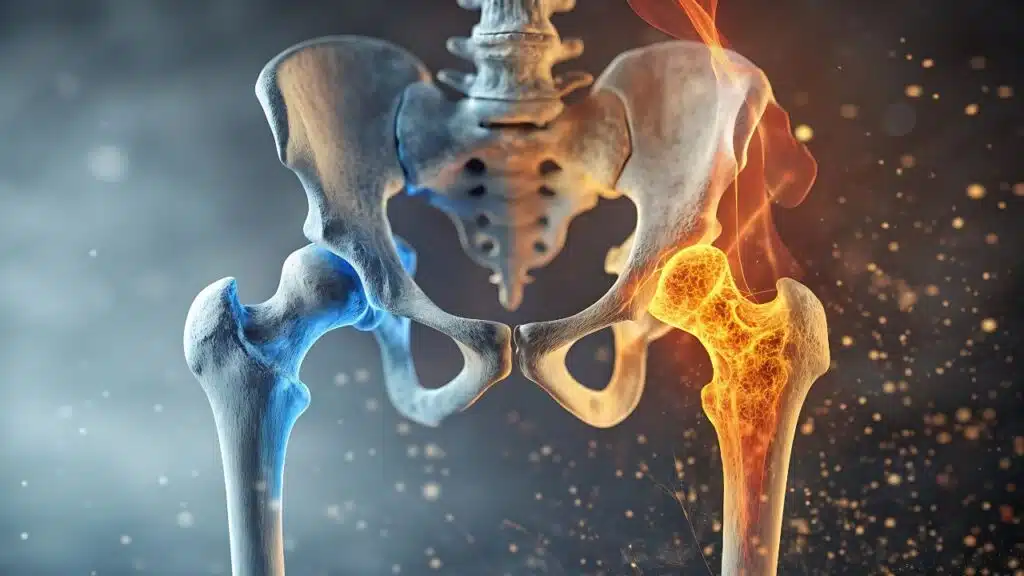
Doctors use VR to build 3D models of body parts, like hearts
Creation of 3D anatomical models for better visualization
Medical teams create 3D anatomical models from CT and MRI scans. These models help with analysis and pre-operative planning. Picture a doctor holding a virtual heart in their hands, spinning it to spot issues.
This healthcare innovation beats flat images from X-rays. It lets surgeons see patient anatomy in full detail. Augmented reality (AR) adds real-time data overlays on surgical sites.
That boosts accuracy during operations.
Such immersive technology turns complex scans into clear visuals. Teams use it for better diagnosis and treatment strategies. Imagine explaining a tumor to a patient with a 3D model they can poke at virtually.
No more confusion from 2D pics. This approach, like a digital twin of the body, speeds up planning. It cuts risks too. Virtual reality (VR) pairs with AR for even richer views, making healthcare feel like science fiction come true.
Integration of AR overlays during surgeries
Surgeons now use augmented reality overlays to see real-time patient data right on the surgical site. This immersive technology acts like a superpower, letting doctors view scans and vitals without looking away.
Picture a busy operating room where AR glasses show blood flow or tumor edges as clear as day. It cuts down errors and speeds up decisions, making complex ops feel more like a guided tour.
Back in June 2020, Johns Hopkins University surgeons led the way with the first AR-assisted surgery. They wore transparent eye displays to handle the job. Later, they tackled tumor removal from a spine using this extended reality tech.
Such healthcare innovation boosts precision, almost like having X-ray vision in real life. Patients get safer care, and doctors feel more confident, turning tough procedures into smoother rides.
Support for pre-operative planning and treatment strategies
Doctors create 3D models of patient anatomy from CT and MRI scans. These models help with analysis and pre-operative planning. Imagine a surgeon holding a digital twin of your heart, turning it this way and that, like a puzzle piece fitting just right.
Augmented reality overlays real-time patient data on surgical sites during operations. This boosts accuracy in treatment strategies. Visual-driven technologies, such as X-rays and CT scans, enable clear views of patient anatomy for better diagnosis and treatment.
Healthcare pros use immersive technology for planning. They integrate AR with VR to simulate procedures ahead of time. Think of it as a dress rehearsal before the big show, cutting risks way down.
Extended reality tools support pre-operative work by showing hidden details. Medtech like this drives healthcare innovation, making plans more precise. Patients gain from these virtual aids, feeling more at ease with what’s coming.
Virtual consultations for patients in remote areas
Imagine living in a remote Australian town, miles from the nearest doctor. VR changes that game. It lets patients chat with experts through virtual consultations. No long drives needed.
This immersive technology bridges the gap for underserved spots. XRHealth offers VR-based telemedicine platforms for these talks and therapy sessions. Picture slipping on a headset, feeling like you’re in the same room as your doc.
COVID-19 sped up these digital healthcare innovations, boosting telehealth and remote monitoring. Folks in the outback now get care without the hassle.
Such setups feel like a lifeline, don’t they? Doctors use augmented reality overlays to guide patients during virtual meets. This healthcare innovation cuts down barriers. Remote areas gain access to specialists via mixed reality tools.
It’s like having a medical team in your pocket, ready anytime. Extended reality makes it all possible, turning isolation into connection. Caregivers in rural spots cheer this shift, easing their load.
Remote monitoring using immersive platforms
Doctors in Australia use virtual reality for remote monitoring. This tech lets them check on patients from far away. XRHealth offers VR-based platforms for these tasks. Think of it like a digital bridge, connecting folks in remote spots to expert care.
COVID-19 sped up this shift, pushing telehealth into high gear. Patients skip long trips, staying home while doctors watch vital signs through immersive tools.
Immersive technologies make monitoring feel real and close. VR enables remote consultations, boosting access for underserved regions. Mixed reality adds layers of data right into the view.
It’s like having a doctor in your living room, without the house call. Healthcare innovation thrives here, cutting down risks and building trust. With augmented reality overlays, teams spot issues fast and act quick.
This setup helps everyone, from city dwellers to outback families.
Reduced travel requirements for patients and doctors
VR cuts down travel for patients and doctors in Australia. Imagine a rural farmer with chronic pain skipping long drives to the city. He logs into a virtual reality session from home instead.
This setup lets doctors check in fast, using immersive technology for real chats. XRHealth offers these VR-based telemedicine platforms, perfect for remote consultations and therapy.
It boosts access in underserved spots, like the Outback.
Such tools spark timely interventions too. A patient in a far-off town gets quick help without packing bags. Virtual reality enables this, slashing costs and stress from trips. Think of it as bringing the clinic to your living room, with no traffic jams.
Remote monitoring through these platforms keeps care steady, even for mental health disorders or pain management needs.
Mental Health Treatment
Imagine stepping into a calm virtual forest to ease your racing thoughts, where VR acts like a gentle guide for tackling anxiety. Therapists use these immersive worlds for exposure therapy, helping folks face fears like acrophobia without the real-world sweat, and even distract from chronic pain better than popping painkillers.
Exposure therapy for PTSD and phobias
Doctors use virtual reality (VR) to help people with PTSD and phobias. Picture facing your fears in a safe spot, like a video game that heals. VR creates controlled environments for exposure therapy.
Patients tackle traumas step by step, without real-world risks. This method works for fear of flying, fear of heights, and agoraphobia too.
XRHealth offers VR-based telemedicine platforms for remote sessions. Therapists guide you through virtual reality exposure therapy from afar. It even treats sexual disorders and Autism Spectrum Disorders.
Imagine beating acrophobia by “climbing” virtual mountains, all from your couch. Such immersive technology brings hope, cuts anxiety, and builds strength.
Virtual environments for stress and anxiety management
VR creates calm spaces for folks battling stress and anxiety. Imagine slipping into a peaceful beach scene, waves lapping gently, as worries fade like mist in the sun. This immersive technology lets you face fears head-on, but in a safe spot.
It aids exposure therapy for PTSD and phobias, building controlled environments that feel real yet secure. XRHealth offers VR-based telemedicine platforms, perfect for remote therapy sessions that ease panic disorder without leaving home.
People use these virtual worlds for cognitive behavioral therapy, like practicing deep breaths in a serene forest. It’s like having a personal escape hatch from daily grind. For pain management, distraction-based virtual experiences pull your mind away from aches, reducing the need for heavy meds like opioids.
Think of it as a magic carpet ride that soothes the soul and mends the mind, all through extended reality tools. Grandparents dealing with caregiving stress find relief here too, chatting with therapists in digital spaces that mimic cozy chats over coffee.
Pain management through immersive distraction techniques
Doctors use virtual reality for pain management. Patients slip on VR headsets and enter calming worlds. These immersive technologies distract from aches, like a mental vacation during tough treatments.
Think of kids facing shots; VR games chase away the fear of needles. Adults get relief too, cutting down on sedation for procedures. This distraction-based approach eases opioid overdoses by offering non-drug options.
VR shines in behavioral health as well. It aids exposure therapy for PTSD and phobias in safe, controlled spots. People with Autism Spectrum Disorders practice social skills through virtual setups.
Even sexual disorders find help in these digital twins of real life. Haptic technologies add touch feedback, making sessions feel real. Such tools boost adherence to therapy and cut stress fast.
Interactive tools to explain treatment plans and procedures
Interactive VR tools empower patients to make informed health decisions and adhere to treatments. You slip on a headset and enter a virtual world that shows your body’s inner workings.
These tools use augmented reality to overlay details on real views, like the Virtuali-Tee T-shirt by Curiscope. It lets you scan a shirt with an app for a 3D look at organs and systems.
Patients grasp complex procedures fast, like a light bulb flicking on. This immersive technology boosts understanding and cuts fear.
Educational simulations from VR and AR technologies provide better patient insight into diseases. You chat with a virtual guide that walks you through treatment steps, step by step.
Doctors use these to explain plans in simple terms, sparking questions like, “Hey, what happens next?” Such healthcare innovation makes folks stick to their meds, like glue on paper.
It turns confusion into clarity, helping everyone stay on track.
Virtual guides for disease management
Patients use virtual guides to manage diseases with ease. These tools, powered by virtual reality (VR) and augmented reality (AR), act like personal coaches right in your living room.
Imagine slipping on a headset and stepping into a world that shows you how to handle diabetes or heart issues, step by step. Interactive VR tools empower patients to make informed health decisions and adhere to treatments, just like the fact states.
Doctors love this, because it cuts down on confusion, you know?
Educational simulations for better patient understanding come from VR/AR technologies, and they make a big difference. Take the Virtuali-Tee T-shirt by Curiscope, for example, it overlays AR to teach about body parts in a fun way.
Folks in rural spots get these immersive technology guides without leaving home. They help with pain management too, turning tough days into manageable ones. One patient told me, “It’s like having a friend who knows all about my condition.” This healthcare innovation builds confidence, day by day.
Educational simulations for better patient understanding
VR technologies offer immersive simulations that help patients grasp complex health ideas. Picture stepping into a virtual body to see how your heart works, up close and personal. These tools, like augmented reality overlays, turn tough anatomy lessons into fun, hands-on adventures.
They spark curiosity and make learning stick.
Interactive VR tools empower folks to make smart health choices and stick to their treatments. Doctors use these immersive setups to explain diseases in simple ways, cutting through the confusion like a hot knife through butter.
AR boosts this by adding digital layers to real-world views, aiding in pain management chats too. This approach builds trust and keeps patients engaged in their care.
Global Medical Research Collaboration

Global Medical Research Collaboration: Picture doctors from Sydney teaming up with experts in New York inside a.
Virtual environments for real-time collaboration
Doctors use the Metaverse for virtual collaboration among global researchers. This setup speeds up healthcare innovation. Think of it like a digital meeting room where experts from different countries team up in real time.
Meta pictures an immersive world that connects everyone, but it needs a group to set up universal rules for data sharing. Teams share simulations and data across borders with ease.
Visual tools like X-rays and CT scans help by showing patient anatomy in virtual reality (VR). Researchers mix in augmented reality (AR) for better views during talks. Immersive technology lets them work on mixed reality (MR) projects together.
This boosts teamwork on things like surgical training or pain management. Global minds join forces, sparking new ideas in healthcare.
Sharing data and simulations across borders
Meta sees the metaverse as an immersive, interoperable digital world. This vision calls for a consortium to set universal schemas and enable smooth data exchange. Think of it like a global playground where researchers swap ideas without borders getting in the way.
They share virtual reality (VR) simulations of brain stroke cases or cognitive rehabilitation techniques. Augmented reality (AR) overlays help visualize patient anatomy, much like X-rays and CT scans do in real life.
Global teams collaborate in real time, speeding up healthcare innovation.
Imagine Australian doctors teaming up with experts in Europe through mixed reality (MR) platforms. They exchange data on pain management or occupational therapy methods. Immersive technology lets them explore shared simulations of surgical training or dementia treatments.
This virtual setup cuts down barriers, fostering teamwork that sparks new ideas. Tools like wearable technologies and the internet of medical things make it all possible. Researchers accelerate progress by pooling insights on everything from phobias to physical and occupational therapy.
Accelerating innovation through international teamwork
Global researchers team up in the Metaverse, speeding up healthcare innovation like never before. Doctors from Australia and beyond share data on X-rays and CT scans in real time, using virtual reality (VR) to visualize patient anatomy.
They build 3D models together, turning complex ideas into quick breakthroughs. Meta sees this as an immersive digital world, one that needs a group effort for shared rules and data swaps.
Immersive technology makes it happen, fostering teamwork that crosses borders with ease.
This international push drives progress in diagnostics and treatment. Teams collaborate on augmented reality (AR) overlays, mixing in artificial intelligence (AI) for smarter plans.
Think of it as a virtual lab where ideas bounce around, no plane tickets needed. Such setups cut down barriers, letting experts tackle tough cases head-on. Healthcare innovation thrives here, with mixed reality (MR) tools making every session count.
Opportunities in Healthcare Education
Medical teams now use virtual reality setups to master cutting-edge tools, like robotic surgery systems, without real-world risks. Picture rural doctors jumping into mixed reality labs for hands-on drills, bridging gaps that once left them out of the loop.
Enhanced training for new medical technologies
Doctors in Australia now train on fresh medical tools with VR, AR, and MR. These immersive technologies let them practice like pros in safe spots. Think of it as a video game that saves lives, folks.
SimX and Osso VR software boost this with multiplayer modes and instant feedback. Teams work together from afar, just like chatting on Facebook or Instagram. This healthcare innovation cuts risks and builds skills fast.
Rural areas gain big from these extended reality setups. No more long trips to cities for top training. Professionals access virtual labs right at home, making learning a breeze. It’s like having a high-tech gym in your backyard.
Such tools spark better surgical training and even touch on pain management ideas. Australia leads in this online world shift for health pros.
Virtual labs for hands-on practice
Virtual labs offer hands-on practice in safe settings. They let medical students engage in complex procedures without real risks. Envision slipping on a headset and operating in a digital space, feeling every move.
Software like SimX and Osso VR improves this with multiplayer features. Teams work together in virtual reality (VR), just like in a real hospital. Real-time feedback sharpens skills fast.
This immersive technology changes healthcare innovation for the better.
Enhanced training for new medical technologies shines through augmented reality (AR) and mixed reality (MR). Envision rural doctors accessing advanced tools from afar. They practice surgical training in virtual environments, building confidence.
Cognitive rehabilitation gets a lift too, with haptics adding touch sensations. These labs cut barriers, making education fun and effective. Patients benefit from pros who train this way, facing fewer errors in the external world.
Accessibility to advanced training tools in rural areas
Doctors in rural Australia often lack access to top training tools. VR and AR change that game. These immersive technologies bring advanced medical training right to remote spots. Think about it, a surgeon in the outback practices complex procedures without leaving town.
Software like SimX and Osso VR makes this possible. They offer multiplayer features and real-time feedback, just like a team huddle in a big city hospital.
Mixed reality adds even more punch to healthcare innovation. It helps train on new tech, no matter the location. Rural nurses learn XR skills for surgical training or pain management.
Imagine chatting with experts worldwide through virtual setups. This bridges the gap, folks, and keeps everyone sharp. Extended reality turns isolation into opportunity, plain and simple.
Challenges and Considerations
Picture doctors wrestling with pricey VR gear that drains hospital budgets, like buying a fancy sports car just to drive to the corner store. Staff need sharp skills to handle these tools without glitches, and keeping patient info safe in digital worlds.
High costs of implementing VR/metaverse technologies
VR setups demand big bucks for hardware and software. Hospitals face steep bills to buy headsets and build metaverse platforms. Training staff adds even more costs, like a money pit that swallows budgets whole.
Think of it as planting a high-tech garden; you need pricey seeds, tools, and time before it grows. These investments slow down healthcare innovation in Australia, where funds often run tight.
Tech glitches in augmented reality and virtual reality hurt reliability too. Platforms crash or lag, frustrating doctors during key moments. Resource drains from fixing these issues pile on the expenses.
Immersive technology promises much, but its limits make adoption feel like chasing a mirage in the outback.
Need for technical expertise among healthcare professionals
Doctors need strong skills to use VR and AR tools in healthcare. They face a steep learning curve with these immersive technologies. Picture a surgeon fumbling with virtual reality setups, like trying to juggle while riding a bike.
High costs hit hard for hardware, software, and training programs. Professionals must invest time to master them. This demand for technical expertise slows down healthcare innovation.
Staff feel overwhelmed without proper support.
Technological limitations add to the trouble. VR and AR platforms sometimes lack reliability, causing glitches during critical moments. Think of it as a car that stalls on a busy highway.
Resource investment grows for fixes and updates. Healthcare workers push through these hurdles for better patient care. They adapt to mixed reality for tasks like surgical training and pain management.
Data privacy stays key in these virtual environments.
Ensuring data privacy and security in virtual environments
Healthcare pros handle sensitive patient info in virtual reality (VR) and augmented reality (AR) setups. They need strong encryption to keep data safe. Strict access controls stop unauthorized eyes from peeking in.
Imagine a virtual clinic where only trusted folks get the key, that’s the goal. Regulatory policies guide medical VR use and protect data, like rules for a fair game.
Tech limits in VR/AR can cause glitches, hurting platform reliability. Picture a shaky bridge in immersive technology, it might wobble under pressure. Teams must fix these issues to build trust.
This setup boosts healthcare innovation while guarding privacy, much like locking up treasures in a digital vault.
Future Prospects of VR and Metaverse in Healthcare
Picture VR headsets teaming up with artificial intelligence to craft custom treatment paths for each patient,
Expansion of immersive technologies into new medical fields
Immersive technology spreads fast into fresh medical areas, like virtual reality for cognitive rehabilitation and augmented reality in pain management. Think of it as a bridge, connecting doctors with tools that feel real.
Over the next five years, metaverse healthcare will see big changes, with better virtual therapy and shared research spots. Teams worldwide use these for quick ideas.
AI-powered virtual assistants step in, giving custom health tips and life coaching. Picture a digital buddy that guides you, cutting stress with mixed reality tricks. This healthcare innovation pushes extended reality into mental care, making treatments personal and fun.
Doctors adopt these for surgical training too, sparking teamwork across borders.
Potential for personalized healthcare experiences
VR opens doors to custom health care, like a personalized suit that fits just right. Imagine you slip into a metaverse space where AI-powered virtual assistants chat with you about your daily habits.
They give spot-on health tips and coach you on lifestyle changes, all based on your own data. This immersive technology feels like having a personal doctor in your pocket, making care more engaging and effective.
Over the next five years, expect big leaps in metaverse healthcare innovation. Think enhanced virtual therapy sessions that ease your mind, or collaborative research platforms where experts team up worldwide.
Extended reality (XR) mixes in augmented reality (AR) for pain management, turning tough days into manageable ones. Cognitive rehabilitation gets a boost too, helping folks rebuild skills in safe, virtual worlds.
It’s like planting seeds for a healthier tomorrow, one virtual step at a time.
Integration with AI for advanced diagnostics and treatment planning
Doctors now pair virtual reality with AI to boost diagnostics. This mix creates smart tools that spot health issues fast. Picture a virtual assistant that scans your symptoms and suggests quick fixes, like a helpful sidekick in a sci-fi flick.
AI-powered virtual assistants give personalized health tips and lifestyle coaching. They make treatment plans that fit you just right.
Over the next five years, metaverse healthcare will see big changes. Expect better virtual therapy sessions that feel real. Teams across the globe will use collaborative research platforms to share ideas.
Immersive technology, like extended reality, drives this healthcare innovation. It helps with pain management and cognitive rehabilitation too.
Takeaways
VR transforms Australian healthcare with tools like immersive simulations for surgery practice, 3D models for sharp diagnostics, and virtual chats for remote patients. AR overlays guide doctors during operations, while metaverse platforms ease mental health woes through exposure therapy and pain distraction.
These techs boost global teamwork, letting experts share data across borders, and spark better patient learning with interactive guides. Imagine you slip on a headset and train without risks, it’s like having a safety net in a high-wire act.
Explore resources from Meta’s VR stores or studies on extended reality for more insights. Jump in now, embrace these innovations to heal smarter and faster, your future self will thank you.
FAQs
1. Hey, ever wondered how virtual reality (VR) shakes things up in Australian healthcare for surgical training?
Surgeons dive into immersive technology setups, practicing tricky operations without real risks, like playing a high-stakes video game that saves lives. It’s a healthcare innovation that builds skills fast, you know, turning rookies into pros overnight.
2. What role does augmented reality (AR) play in pain management down under?
AR overlays digital tricks to distract from pain, offering relief without heavy meds, almost like waving a magic wand over aches. Think of it easing chronic woes or even heroin withdrawal pains, addictive habits aside.
3. Can mixed reality (MR) help with cognitive rehabilitation in Aussie clinics?
Absolutely, it creates multimodal interactions that rebuild brain functions after injuries, making therapy feel like an adventure. Patients engage in extended reality (XR) tasks that sharpen minds, step by step.
4. How does the metaverse tackle addiction issues, say with something like heroin, in Australian healthcare?
Khoshnevisan M. metaverse studies show virtual and augmented reality worlds where folks face cravings safely, breaking addictive cycles through guided scenarios. It’s empathetic tech that whispers, “You’ve got this,” without judgment.
5. What’s the deal with using augmented virtuality for objective structured clinical examinations in Australia?
Creative Commons attribution lets docs share CC BY licensed sims for exams, blending real and digital for spot-on assessments. No misuse here; it’s all about fair play in training future healers.