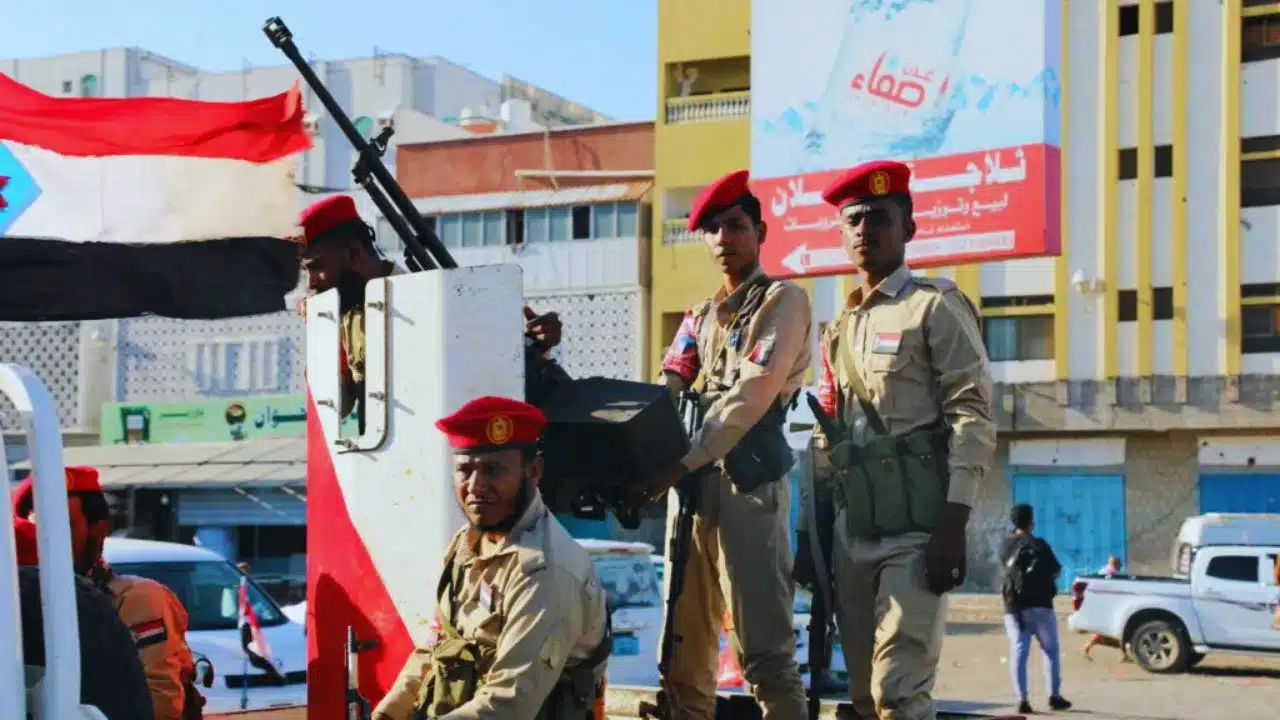
The United Arab Emirates has announced the withdrawal of its remaining military forces from Yemen after Saudi Arabia endorsed a demand from Yemen’s presidential council for Emirati troops to leave within 24 hours, marking a dramatic escalation in tensions between the two Gulf allies over their competing interests in the war-torn nation.
Saudi-Led Coalition Strikes UAE-Backed Separatists
On December 30, 2025, the Royal Saudi Air Force conducted airstrikes on the port city of Mukalla in southern Yemen, targeting what Saudi authorities claimed was a weapons shipment intended for UAE-supported separatist forces. The strike hit two vessels at the port, which Saudi Arabia alleged were delivering foreign military assistance to the Southern Transitional Council (STC), a UAE-backed group advocating for the independence of southern Yemen.
The Saudi foreign ministry issued a statement accusing the UAE of exerting pressure on the STC to undermine state authority through military operations in the eastern Hadhramaut and Al-Mahrah governorates. The kingdom characterized these actions as “extremely perilous” and warned it would adopt measures to address the situation.
Yemen’s Presidential Council Cancels Defense Agreement
Following the Saudi airstrikes, Rashad al-Alimi, head of Yemen’s eight-member presidential council, announced the cancellation of a joint defense agreement with the UAE. In a televised address, al-Alimi stated there was “definitive confirmation” that the UAE had pressured the STC to undermine state authority and issued a 24-hour ultimatum for all Emirati forces to withdraw from Yemeni territory.
Al-Alimi also declared a 90-day state of emergency, citing the need to tackle Houthi rebels and what he characterized as “internal discord instigated by rebellious military factions acting under orders from the UAE”. The presidential council imposed a 72-hour prohibition on all border crossings within its territory, permitting only those authorized by Riyadh.
UAE Responds With “Voluntary” Withdrawal
Hours after receiving the ultimatum, the UAE Ministry of Defense announced through the state-operated WAM news agency that it would withdraw its remaining forces from Yemen. The ministry referenced “recent developments and their possible consequences on the security and efficiency of counter-terrorism efforts” as the reason for the decision, characterizing the withdrawal as voluntary.
The UAE Foreign Ministry firmly denied any involvement in supplying arms to separatists and urged for “restraint and wisdom” in handling the crisis. The ministry expressed surprise at the Saudi airstrike, asserting that the targeted shipment did not contain weapons and was intended for its own forces.
Background: Rising Tensions Over Southern Yemen
The conflict between Saudi Arabia and the UAE represents a significant fracture in what was once a unified coalition against Houthi rebels in Yemen. Tensions escalated dramatically in late December 2025 when STC forces launched a large-scale offensive, seizing key territories in the Hadhramaut and Al-Mahrah governorates in eastern Yemen.
Saudi Arabia responded by amassing approximately 15,000 troops on the Saudi-Yemeni border and demanding that STC forces withdraw from recently-seized areas. When the separatists refused, Saudi forces conducted multiple airstrikes on STC positions starting December 26, 2025. The Saudi-led coalition warned it would respond militarily to any separatist movements undermining de-escalation efforts in the region.
UAE-STC Alliance vs Saudi-Backed Government
The crisis highlights the divergent strategies pursued by the two Gulf powers in Yemen. Abu Dhabi has provided extensive support to southern separatists seeking autonomy or independence for southern Yemen, while Riyadh continues to back Yemen’s internationally recognized government. This strategic split has transformed former coalition partners into regional rivals competing for influence in Yemen’s fractured landscape.
Anwar Al-Tamimi, spokesperson for the Southern Transitional Council, rejected calls for withdrawal and pledged to defend their territorial gains. “It is unreasonable for a landowner to be asked to leave his own land,” he stated, emphasizing the STC’s determination to remain and fortify their positions.
Regional Security Implications
The breakdown in cooperation between Saudi Arabia and the UAE carries significant implications for regional security and stability in the Arabian Peninsula. The confrontation threatens to further complicate Yemen’s already devastating humanitarian crisis, now in its eleventh year of conflict.
President al-Alimi accused the STC of instigating a “rebellion” that threatens to fracture the state and destabilize crucial shipping lanes in the region. The Gulf of Aden and the Red Sea represent vital maritime corridors for global trade, and increased instability in southern Yemen could impact international shipping routes.
Timeline of Recent Events
| Date | Event |
| December 25, 2025 | Saudi Arabia demands STC withdrawal from Hadhramaut and Al-Mahrah, threatens airstrikes |
| December 26, 2025 | Saudi Arabia conducts two airstrikes on STC positions in Wadi Nahb |
| December 27, 2025 | Saudi-led coalition warns of military response; 15,000 Saudi-backed fighters amassed at border |
| December 30, 2025 | Saudi airstrike on Mukalla port; Yemen cancels UAE defense agreement; UAE announces withdrawal |
International Reactions
The sudden escalation in tensions between two of the Middle East’s most influential nations has drawn international attention to Yemen’s increasingly complex conflict. The breakdown represents a significant shift in Gulf regional dynamics, as Saudi Arabia and the UAE have traditionally maintained close security cooperation and coordinated foreign policy positions.
The withdrawal of UAE forces could create a power vacuum in areas where they have maintained a presence, potentially allowing other actors to expand their influence. The impact on ongoing counter-terrorism operations against extremist groups operating in Yemen’s ungoverned spaces remains uncertain.
Final Thoughts
The UAE’s decision to withdraw troops from Yemen marks a watershed moment in the country’s protracted conflict and signals a dramatic shift in Gulf regional politics. What began as a unified coalition effort in 2015 has fractured into competing power centers, with Saudi Arabia and the UAE now backing opposing factions. The coming weeks will determine whether this rupture leads to further military confrontation or opens pathways for new political arrangements in Yemen. As the UAE prepares to exit, questions remain about the timeline for withdrawal, the future of the Southern Transitional Council without direct Emirati military support, and whether the Saudi-backed government can consolidate control over southern territories. The 90-day state of emergency declared by Yemen’s presidential council suggests an expectation of continued instability as regional powers recalibrate their strategies in one of the Middle East’s most intractable conflicts.