

It’s easy to feel overwhelmed by all the news about climate change and global warming. Sometimes, grasping the real human impact on nature, or even knowing where to start, feels like a massive challenge.
Here’s a cool fact: environmental documentaries are gaining serious attention, showing up more and more on our screens. We’ve hand-picked 12 powerful films, perfect for young Americans, that break down complex environmental issues, from biodiversity loss to the climate crisis.
Prepare to view our planet in a whole new way.
These aren’t just movies; they are eye-openers. Each film helps you see the urgent need for wildlife conservation and ocean conservation. They also highlight paths toward sustainable actions and a healthier planet.
These stories, some narrated by voices like David Attenborough, offer deep insights into environmental degradation and inspire us all to think about a sustainable food system. They are crucial tools for anyone wanting to understand the future of our world.
Why Watch Environmental Documentaries?
These films pull back the curtain on our planet’s pressing environmental challenges, from warming temperatures to widespread biodiversity loss, painting a clearer picture of Earth’s present state.
They don’t just inform your mind; they stir your spirit, sparking a drive for sustainable actions and a deeper connection to wildlife conservation.
Awareness of Climate Change
Understanding global warming is vital for every young American. Environmental documentaries provide a powerful lens into this critical issue. They illuminate the impacts of climate change on our planet.
An Inconvenient Truth from 2006, for example, starkly highlights the dangers of global warming. Such films play a crucial role in educating viewers about climate change. They offer a deep look into the ongoing anthropogenic mass extinction.
These visual stories help us grasp human impact on nature. Chasing Coral visually documents the devastating effects of warming temperatures on coral reefs. It shows the biodiversity crisis firsthand.
Climate Refugees emphasizes the human toll of climate change on displaced communities. You see the real people affected. Films like I Am Greta showcase the determination of young environmental activists like Greta Thunberg.
They inspire sustainable actions and environmental advocacy.
Understanding Human Impact on Nature
Beyond understanding climate change, grasping humanity’s role is vital. Our daily choices affect Earth’s ecosystems. Consider the vast environmental footprint left by many industries.
The True Cost” documentary reveals fast fashion’s huge carbon emissions. This industry drains resources and pollutes water. Our food systems also carry a heavy burden. Industrial agriculture, for example, causes biodiversity loss and soil degradation.
Marine life faces dire threats from overfishing and plastic pollution. These are interconnected threads of environmental destruction.
Documentaries like “Cowspiracy: The Sustainability Secret” and “Seaspiracy” expose these complex issues. They show how human actions, from land use to resource extraction, drive global warming.
Witnessing these impacts through film can truly shift perspectives. Research indicates such films influence pro-environmental cognition and behavior. They inspire a closer look at our consumption habits.
Understanding our impact begins the journey toward solutions. This includes embracing regenerative agriculture or supporting wildlife conservation efforts.
The Earth is what we all have in common.
Inspiring Sustainable Actions
Watching these films can light a fire. They show clear paths for action. “2040” encourages people to rethink their bond with nature. It presents hopeful solutions for a better future.
Documentaries highlight how regenerative agriculture heals the land. They also inspire youth activism across the nation. Young Americans can see the power of their choices.
Many viewers feel a pull towards sustainable living. They learn about renewable energy options. Corporate social responsibility, or CSR, gains importance. Companies like Patagonia, led by Yvon Chouinard, demonstrate commitment.
Educational screenings also spread these vital messages. People discover ways to support wildlife conservation. They advocate for environmental justice in their communities. This knowledge empowers consumer choices.
It drives demand for organic farming and green-collar jobs.
Top 12 Environmental Documentaries
It is time to truly see our world. These powerful films reveal critical issues: climate change, biodiversity loss**, and the push for sustainable living**.
Before the Flood (2016)
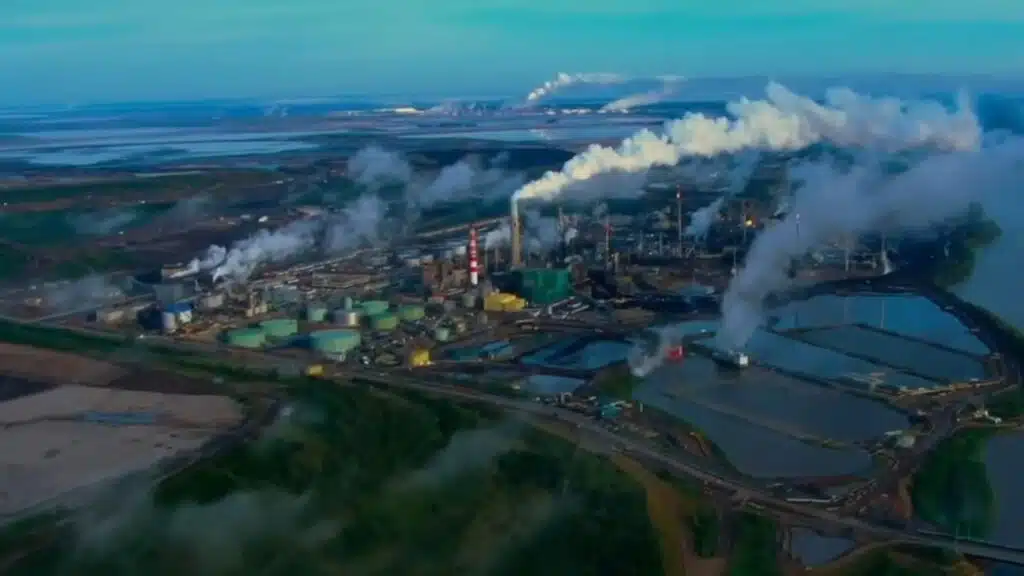
Before the Flood,” a compelling film from 2016, pulls back the curtain on our planet’s future. Fisher Stevens directed this powerful production. Leonardo DiCaprio, an actor and producer, takes viewers on a global journey.
He explores the stark realities of climate change. This environmental documentary, a collaboration with National Geographic, runs for 1 hour 36 minutes. It highlights the urgent need for action against global warming.
The greatest threat to our planet is the belief that someone else will save it.
The film delves into issues like rising sea levels and biodiversity loss. It reveals the profound human impact on nature. Viewers witness the widespread environmental destruction. This movie serves as a vital call for sustainable actions.
It encourages everyone to champion wildlife conservation and environmental advocacy.
David Attenborough: A Life on Our Planet (2020)
Moving from the urgent call to action presented in “Before the Flood,” we encounter a deeply personal account of Earth’s transformation. Sir David Attenborough offers his witness statement in “David Attenborough: A Life on Our Planet.” This powerful environmental film premiered on Netflix on October 4, 2020.
It runs for 1 hour and 23 minutes. The feature provides a poignant look at biodiversity loss and environmental destruction.
Attenborough, alongside Max Hughes, reflects on his long career exploring the planet. He shows us what we have lost and what we could regain. Directors Alastair Fothergill, Jonathan Hughes, and Keith Scholey crafted this compelling narrative.
It presents a stark warning about climate change and global warming. The film also inspires hope for wildlife conservation and sustainable actions. Viewers have rated it highly, with an IMDb score of 8.9/10 from 35K ratings.
This feature encourages viewers to consider renewable energy and regenerative farming for a healthier future.
Chasing Coral (2017)
Chasing Coral (2017) offers a powerful look at marine life. Jeff Orlowski-Yang directed this important environmental documentary. It runs for 1 hour 33 minutes. The film earned an 8.0 rating on IMDb.
Researchers investigate the alarming causes of coral decline. This includes the devastating effects of ocean acidification. Viewers witness the rapid biodiversity loss across the world’s coral reefs.
The film takes audiences to iconic places. You will see the Great Barrier Reef. The Florida Keys also feature prominently. These locations show the scale of environmental destruction.
Chasing Coral won 7 awards. It also received 18 nominations. This impactful sustainability documentary inspires action against global warming.
Cowspiracy: The Sustainability Secret (2014)
Cowspiracy: The Sustainability Secret, a compelling environmental documentary, arrived in 2014. Kip Andersen and Keegan Kuhn directed this eye-opening film. It runs for 1 hour and 30 minutes.
The movie holds an impressive 8.1/10 rating on IMDb from 27,000 ratings. This work dives deep into the environmental impact of animal agriculture. It argues that this industry is the primary driver of environmental degradation.
You might be surprised by its central claim.
The documentary features notable figures like Al Gore, Bruce Hamilton, and Michael Pollan. It presents a stark picture of environmental destruction. The film asserts that animal agriculture causes more pollution than all transportation combined.
This claim sparks significant discussion about global warming and climate change. It challenges viewers to rethink their daily choices. This powerful piece of investigative research aims to inspire sustainable actions.
It highlights the urgent need for wildlife conservation and biodiversity loss awareness.
Virunga (2014)
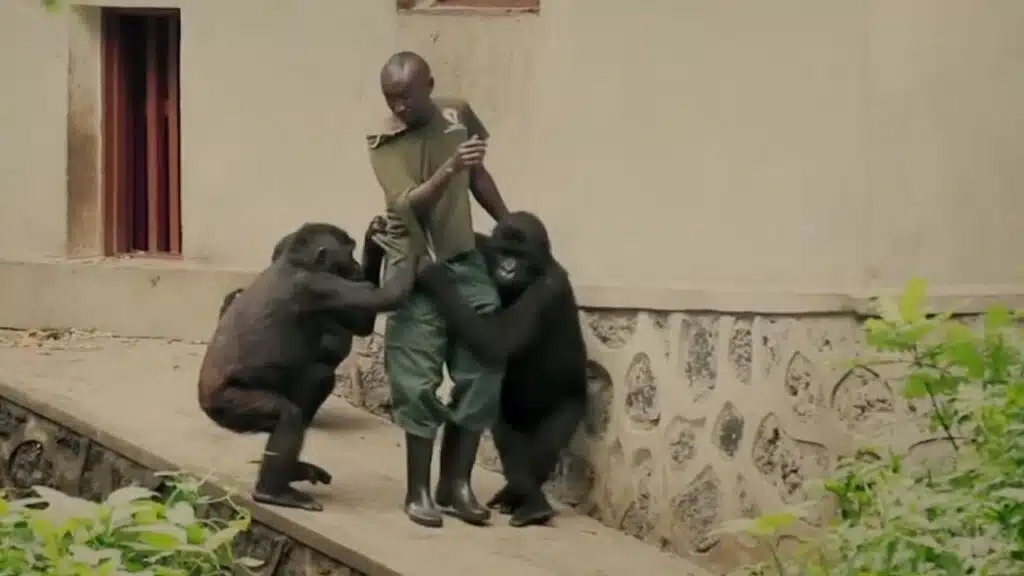
Virunga, released in 2014, earned an IMDb rating of 8.1. This environmental documentary focuses on the brave park rangers. They work in the Democratic Republic of Congo’s Virunga National Park.
These rangers face constant threats. Their vital mission is protecting the park’s wildlife. The film exposes dangers from armed militias and the illegal ivory trade.
It also highlights the perils of environmental destruction. Outside groups often seek to exploit the park’s natural resources. This includes efforts for oil exploration inside the park.
Such actions add grave risks for the animals and the rangers. This powerful story is available for streaming on Netflix. It champions wildlife conservation and environmental justice.
My Octopus Teacher (2020)
After exploring the urgent battles for wildlife conservation, consider a more intimate environmental documentary. My Octopus Teacher (2020)” offers a truly moving experience. Directed by James Reed, this film premiered in 2020.
It won the Academy Award for Best Documentary Feature in 2021. The story explores deep emotional engagement between a filmmaker and a wild octopus. This connection highlights human impact on nature.
It also shows the beauty of marine life.
This nature documentary quickly became a global phenomenon. It ranked among Netflix’s top 10 films. The film’s portrayal of a human-animal connection influenced other environmental documentaries.
It encourages viewers to think about biodiversity loss. The film serves as a powerful reminder of our planet’s delicate ecosystems. It inspires sustainable actions and wildlife conservation efforts.
This compelling sustainability documentary truly makes you feel connected to the ocean.
The Ivory Game (2016)
While ‘My Octopus Teacher’ showed a tender bond, ‘The Ivory Game’ exposes a brutal truth. This documentary, released in 2016, pulls back the curtain on a dark, global world. Kief Davidson and Richard Ladkani directed this powerful film, which uncovers the illegal ivory trade.
It reveals the devastating impact of this trade on African elephants. Filmmakers bravely infiltrate this dangerous network, documenting their findings. The movie earned an IMDb rating of 7.8 out of 10 from 3.6K ratings.
It highlights urgent wildlife conservation efforts, emphasizing the need for action.
This documentary is a stark look at environmental destruction. It serves as a critical piece of environmental advocacy, championing environmental justice for these magnificent creatures.
Viewers can stream The Ivory Game on Netflix, making it widely accessible. It urges young Americans to understand biodiversity loss and its profound implications.
Racing Extinction (2015)
Moving from the critical efforts against the illegal ivory trade, our journey now confronts a larger, more urgent battle: the fight against `mass extinction`. `Racing Extinction` is an impactful `environmental documentary` released on September 18, 2015.
Louie Psihoyos, the visionary director behind `The Cove`, also directed this film. It follows a team of dedicated `undercover activists` and artists. They work to expose the hidden world of `wildlife trade` and `environmental destruction`.
Their goal is to prevent a human-made `biodiversity loss` on a global scale.
The film garnered significant acclaim, boasting an impressive 8.2 IMDb rating from 8.4K ratings. Critics also praised it, giving it a Metascore of 81 from 21 reviews. You will see prominent figures like Elon Musk, Joel Sartore, and the director, Louie Psihoyos, contributing to its powerful message.
`Racing Extinction` earned 4 awards and 8 nominations, including a coveted Oscar nomination. It uses powerful `visual storytelling` and `thermal cameras` to reveal the unseen threats facing our planet’s `species`.
This documentary inspires `wildlife conservation` and `environmental advocacy`.
Seaspiracy (2021)
While ‘Racing Extinction’ showed threats to endangered species, ‘Seaspiracy’ focuses on ocean life. Ali Tabrizi directed this film. It came out on March 24, 2021. The movie looks at how the fishing industry harms the environment.
It shows much environmental destruction from seafood.
This sustainability documentary features Richard O’Barry, Sylvia Earle, and Paul Watson. It runs for 1 hour and 29 minutes. Viewers gave it an 8.1/10 on IMDb, from 35,000 ratings. You can watch this film about marine life on Netflix.
2040 (2019)
2040″ (2019) presents a hopeful vision for our planet. This insightful documentary, released in 2019, tackles climate change with an optimistic lens. It imagines a future by 2040 where innovative progress has transformed our world.
The film explores various solutions, showing what could be possible. It discusses clean power sources, like solar and wind, and earth-friendly farming practices.
These practices include regenerative agriculture, which helps heal the soil. The documentary encourages us to rethink our connection to nature. It inspires sustainable actions, showing how we can build a better future.
This is a must-watch sustainability documentary for anyone seeking positive environmental advocacy.
An Inconvenient Truth (2006)
While “2040” paints a hopeful vision for the future, it is essential to consider the groundbreaking films that first sounded a critical alarm. One such impactful environmental documentary, “An Inconvenient Truth,” truly shifted global conversations.
Released in 2006, this film presented the stark reality of planetary warming to millions. It served as a powerful wake-up call, urging viewers to confront widespread environmental destruction.
Directed by Davis Guggenheim, the documentary features former Vice President Al Gore. He delivers compelling evidence about the climate crisis. This 1-hour 36-minute film critiques modern consumerism and champions international cooperation.
Its profound impact was clear, earning two Oscars and a remarkable 34 wins. The movie also received 11 nominations, showing its widespread critical acclaim. With an IMDb rating of 7.4/10, “An Inconvenient Truth” stands as a foundational piece of environmental advocacy.
It helped build understanding of climate change for an entire generation.
Food, Inc. (2008)
Food, Inc., a powerful sustainability documentary, arrived in 2008. Robert Kenner directed this investigative film. It runs for 1 hour 34 minutes. This documentary pulls back the curtain on the American food industry.
It critiques the vast corporate control. The film earned a 7.8/10 IMDb rating from 53K viewers. You will see prominent voices like Michael Pollan and Eric Schlosser.
This crucial film highlights concerns about food safety. It advocates for stronger regulations within the food system. The documentary serves as a wake-up call, urging us to question where our food comes from.
It prompts conversations about the environmental impact of modern food production. This film offers vital insights into how our plates connect to larger systems.
How to Access These Documentaries
Access these vital visual narratives through various digital portals or at community viewings; the path forward is clear.
Streaming Platforms
Finding these powerful environmental documentaries is simpler than ever. Many popular streaming services host a large film collection. Netflix, Amazon Prime Video, and Vimeo are top choices.
You can discover stories about climate change and wildlife conservation. “Before the Flood,” with Leonardo DiCaprio, streams on Netflix. “Virunga,” a strong film on wildlife protection, also appears on Netflix.
“Seaspiracy” tackles marine life problems; it is another Netflix title.
The availability of these films changes. What is in one country may not be in another. Film libraries also grow and shrink. A quick search on your favorite streaming platform shows what is available.
Look for “David Attenborough: A Life on Our Planet” or “Chasing Coral.” These nature films give important views on biodiversity loss and environmental harm. Watching them at home helps with environmental advocacy.
Educational Screenings
Campuses often host educational screenings. These events raise sustainability awareness. Students learn about big issues. Climate change and global warming are examples. Such viewings also inspire young people.
Students might start Green Offices. This helps campus sustainability efforts. Watching environmental films builds understanding. It sparks talks about clean energy. Loss of life forms is a topic.
These films offer strong insights. An Inconvenient Truth” gives key history. It shows climate change facts. “2040” shows good plans. These are for a green future. Such environmental films serve educational goals.
They are great tools for environmental advocacy. Many schools and groups hold special viewings. They want to inform young Americans. They also want to move them. These times often deepen interest.
This includes wildlife conservation. It also covers marine life. Next, we explore top environmental documentaries.
Takeaways
These powerful environmental documentaries, from “Before the Flood” to “My Octopus Teacher,” offer vital insights into our planet’s struggles and the need for action. Easily found on digital libraries, they provide a simple, profound way to grasp issues like biodiversity loss and rising sea levels.
Will you join the fight for wildlife conservation and sustainable living, inspired by these compelling stories? Every viewing sparks a thought; every shared film spreads awareness, pushing us towards regenerative agriculture and cleaner energy.
Your journey begins with a click; let these films ignite your passion for environmental advocacy and a healthier world.
FAQs
1. Why should young Americans watch environmental documentaries?
These films, they offer a window, a true glimpse, into our world. You see how human actions, big and small, touch the planet. It is like getting a backstage pass to Earth’s biggest challenges. Watching these documentaries helps young Americans grasp complex issues. You learn about the air we breathe, the water we drink, and the lands we cherish. It is vital knowledge for shaping a better tomorrow.
2. What kinds of topics do these films cover?
Oh, the scope is wide, like a vast ocean. These motion pictures delve into many subjects. You will find stories about global warming, its chilling effects on our climate. Some focus on the plight of endangered creatures, their fight for survival. Others highlight pollution, the trash we make, and its ugly marks on nature. They also show how communities, big and small, are working to heal the Earth.
3. Are these films just depressing, or do they offer hope?
That is a fair question, a common thought. While many films reveal tough truths, they are not all doom and gloom. Many of the top environmental documentaries also shine a light on solutions. You will see brave people, innovators, finding new ways to live green. These stories can be a powerful spark, a call to action. They show us that change is possible, that we can turn the tide.
4. How can watching these films make a difference?
Watching these films is more than just passing time. It is like planting a seed. First, you gain knowledge, a deeper understanding of Earth’s woes. This awareness can then bloom into action. You might start making greener choices in your daily life. Perhaps you will speak up, share what you have learned with others. These films can stir a passion, inspiring young Americans to become champions for our natural world.
5. Where can I find these environmental films?
Finding these vital motion pictures is easier than ever. Many streaming services, the ones you already use, host a treasure trove of environmental documentaries. Check out platforms known for their factual programming. Your local library, a true community gem, might also have a collection. Sometimes, even public broadcasting channels feature these impactful works. Just a quick search, and you are on your way.
6. Is there a right age to start watching these?
Well, that depends on the film, really. Some of these stories, they are suitable for younger viewers, offering gentle lessons. Others might touch on more serious subjects, perhaps better for older teens. It is always a good idea for parents, or guardians, to look into a film’s content first. Think of it like choosing a book; some are for beginners, some for seasoned readers. The goal is to spark curiosity, not fear.






























