Deciding which country has the nicest people is highly subjective. However, research studies and perception surveys aim to quantify parameters like hospitality, kindness to strangers, and generosity in order to compare across national cultures. While no single country is the unequivocal champion of niceness, patterns do emerge about which nationalities tend to score higher on metrics related to positive social traits.
Content Highlights
- Canada claims #1 as the overall nicest country based on study metrics for generosity, warmth, progressiveness, fairness, and hospitality.
- Thailand and Ireland similarly win for tourist-friendly cultures seeking to share local experiences.
- Economic development enables “nicer” traits like tolerance, while poverty limits social capacity.
- Personal experiences vary widely, though introverts or sensitive personalities may struggle to bond in actually nice cultures.
- Judging entire national populations will always excessively generalize; subtle niceness manifests uniquely across regions and individuals.
What Makes a Country’s People “Nice”?
When judging how nice a country’s people or culture seem, some key factors include:
- Hospitality: How warmly do they welcome foreigners and visitors? How easy or difficult is it to make friends as an outsider?
- Generosity: How willing are they to give money to charity, help strangers in need, or donate time to volunteer efforts?
- Attitudes About Trust and Fairness: Do they tend to assume the best about people and give them the benefit of the doubt? Or suspicious and more likely to take advantage of others if given the chance?
- Levels of Tolerance and Inclusiveness: Are they accepting of different types of people, lifestyles, and cultures? Or are they generally critical and judgmental?
- Social Norms About Courtesy: Do social norms promote considerate, polite behavior like allowing others to exit transport before entering, holding doors for people, having patience when dealing with strangers, etc.?
- Attitudes Towards Foreigners/Tourists: Do they treat foreigners with the same warmth and kindness as native citizens? Or worse?
While these attributes rely somewhat on individual personalities, broad cultural patterns also heavily influence them.
Top 10 Countries with the Nicest People

Based on global surveys and studies by organizations like Forbes, Condé Nast Traveler, the HSBC Expat Explorer Survey, the InterNations Expat Insider Survey and the World Economic Forum Global Competitiveness Report, which measure factors like friendliness, generosity, hospitality and trustworthiness, here are countries frequently singled out as having the nicest people:
1. Canada
Canada often tops lists, ranking nationalities by niceness and friendliness. Canadians are stereotyped as extremely polite, apologizing readily. Among the countries Condé Nast surveyed, Canada ranked #1 for being friendly and having nice citizens. Canadians also have a reputation for being tolerant, inclusive and welcoming many immigrants into Canadian social circles. Cities like Vancouver, Calgary and Toronto are known as easy places for foreigners to make local friends.
2. Thailand
Known as the “Land of Smiles,” the average Thai person smiles 13 times per day. Thailand is famous for its culture of hospitality and welcoming nature towards outsiders. Thailand ranked #1 in HSBC’s Expat Explorer survey for ease of settling in and local friendliness for expatriates and immigrants. Thais are seen as warm, generous and polite, with strong customs around greeting others positively.
3. New Zealand
New Zealand culture prioritizes fairness, inclusiveness and looking out for others. Kiwis are laidback but care deeply about social justice. 90% of New Zealanders donate to charity each year—a world-leading level of generosity. Ranking #2 for friendliness on Comissão Europeia surveys, New Zealand also scores highly for quality of life, safety and human rights.
4. Australia
Like New Zealand, Australia is a Western country situated in the South Pacific with similar cultural attributes. Australians are stereotyped as super casual, fun-loving people who happily welcome guests. The traditional Aussie “G’day, mate!” greeting conveys their warmth. Australia ranked #3 on the Commissiona Europeia poll for friendliest countries.
5. Ireland
Irish culture centers around pubs and community social gatherings, where welcoming strangers and friends alike is valued. Condé Nast voted Ireland the world’s second-most friendly nation. Even in major cities like Dublin, the Irish are known to be happy helping tourists. Being polite and not overly opinionated are also marks of Irish social etiquette.
6. The Netherlands
The Dutch distinguish themselves by being socially progressive and tolerant compared to other European cultures. The Netherlands welcomes diversity warmly; in one study by Amap, 95% of Dutch respondents said society should accept others’ differences. The Dutch people also ranked #4 most willing to help strangers in need on the World Giving Index by the Charities Aid Foundation.
7. Taiwan
Taiwan outranks other Asian countries for nice people due to its citizens’ reputation for always being willing to give assistance. According to the InterNations Expat Insider 2022 survey, Taiwan placed #8 out of 52 destinations globally for friendliness. Many visitors are touched by Taiwanese generosity, especially towards foreign tourists.
8. Costa Rica
Known as the “Switzerland of Central America” for stability and safety, Costa Rica also wins #1 in the region for friendliness. “Pura Vida,” or “Pure Life,” is a national mantra reflecting an attitude of gratitude. Ticos are relaxed, avoid conflict, and are green and socially progressive. Many expats move to Costa Rica and find joy in the cheerful, welcoming communities.
9. Austria
Austrians can initially seem reserved but also earn high marks for hospitality once you get to know them. What stands out in Austrian culture are deeply ingrained social norms around courtesy, like allowing fellow passengers on public transit to exit before entering themselves. Such little acts of consideration add up to a nice quality of life.
10. Denmark
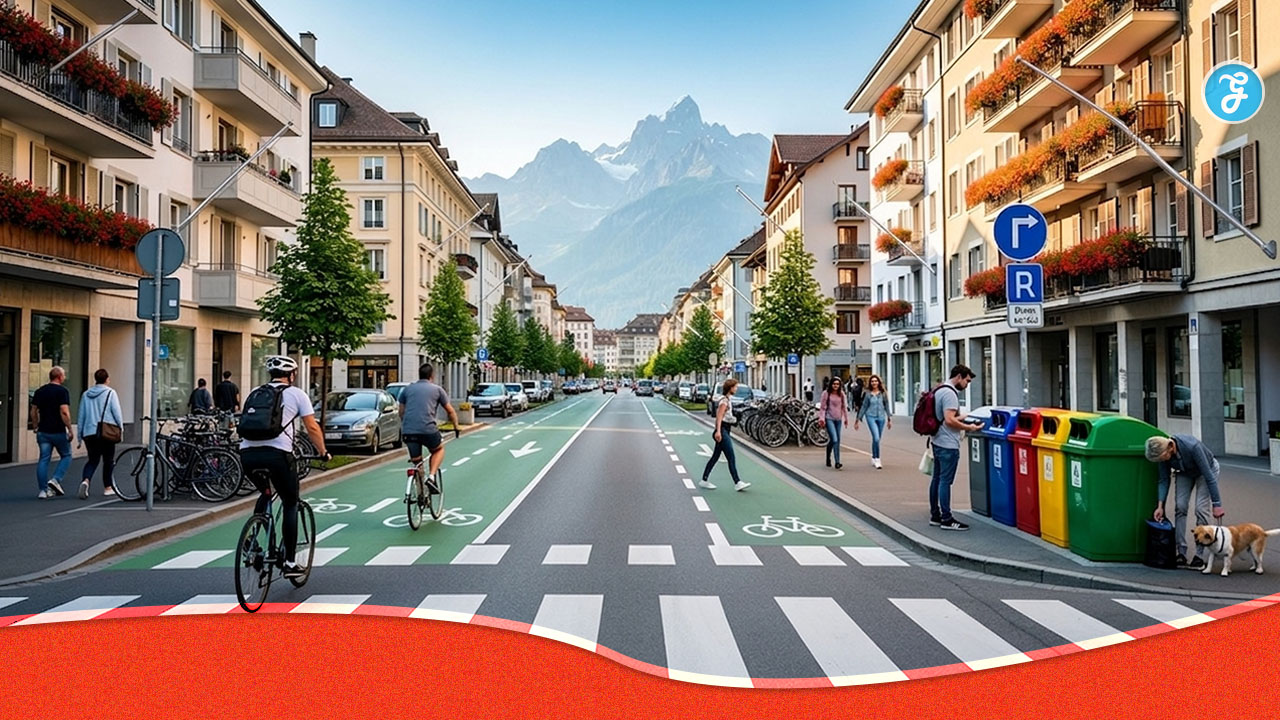
Like other Scandinavian cultures, the Danish value trustworthiness, fairness and helping others. Denmark frequently tops lists ranking the world’s least corrupt and happiest nations. As a bicycle-friendly country with excellent public infrastructure, daily commutes reveal little acts of courtesy; patiently waiting to pass other cyclists reveals a nice collective social mentality.
Least Friendly Countries
On the other hand, some countries are considered difficult places to assimilate or make local friends as a newcomer or outsider. Frequent contenders for the least nice countries include:
- Kuwait
- Iran
- Saudi Arabia
- Russia
- El Salvador
- Lithuania
High hostility towards foreigners, unprogressive social norms, high perceived corruption and a lack of religious and ethnic tolerance all contribute to negative impressions. However, these nations still possess subtly friendly elements when you dig deeper.
Why It’s Complex to Compare “Niceness” Across Cultures
There are pitfalls to judging one nationality as nicer than another, mainly:
- Results depend heavily on personal experiences – an outgoing expat in Taiwan may find it easy to make local Taiwanese friends. But a reserved expat may struggle to bond and perceive Taiwanese as cold instead.
- Cultural nuances around social norms differ. Australians seem friendly right away, saying “G’day, mate!” but Americans might form deeper lifelong bonds with their closest friends. Outward style differs from depth.
- Locals may treat foreigners especially nicely as part of the hospitality culture, but be ruder to their fellow citizens in their daily interactions.
- Perceptions affected by the halo effect: someone already liking a country’s culture overall will rate people nicer. Disliking it can cause citizens to feel less nice.
In other words, it’s complex! The most insightful comparisons gather big data across demographics and focus on the context behind cultural traits.
The Role of Wealth
National wealth correlates to higher scores on indexes for niceness parameters like tolerance, progressiveness, and institutional trust. This reflects the idea that:
- Living paycheck to paycheck can overburden people’s capacity for generosity or helping others.
- Exposure to diversity increases through more international travel among wealthier populations.
- Advanced education and economic security lessen fear of “the other,” like outsiders or immigrants.
- Less perceived scarcity leads to more goodwill all around.
Therefore, while money can’t buy happiness alone, it contributes meaningfully to life-quality factors connected to prosocial behavior.
As developing countries continue to grow their economies in the coming decades, associated drops in extreme poverty could organically improve levels of niceness too.
Conclusion
While imperfect and subjective, gauging which nationalities seem especially welcoming or nice offers insights into cultural patterns around hospitality, trust, and consideration.
Canada claims the top spot based on the volume of research, but the truth lies in each person’s direct experiences. Ultimately, being surrounded by a positive community uplifts daily life. Any destination can provide that social warmth through open-mindedness when making local friends or trying to better understand subtly friendly elements.
The world presents opportunities to both give and receive goodwill. Seeking affiliative bonds with an attitude of generosity smooths the way to pleasant interactions, whatever one’s origins.
Frequently Asked Questions
Which country is #1 nicest in surveys?
Canada ranks consistently high across surveys and metrics as having some of the world’s nicest people and warmest culture overall.
What helps make a culture nicer?
More economic equality, ethnic and racial diversity exposure, higher education rates, and progressive social values tend to correlate with nicer populations. Developing countries may become nicer as they grow into developed status.
Where do tourists report the warmest welcomes?
Thailand and Ireland top multiple “friendliest countries for visitors” lists and polls, thanks to their histories of hospitality culture and eagerness to share local culture with outsiders.
Which countries seem the least welcoming?
Middle Eastern and Eastern European cultures like Saudi Arabia, Russia and Lithuania rate low on expatriate welcoming metrics. Locals in these regions take longer to warm up to outsiders.