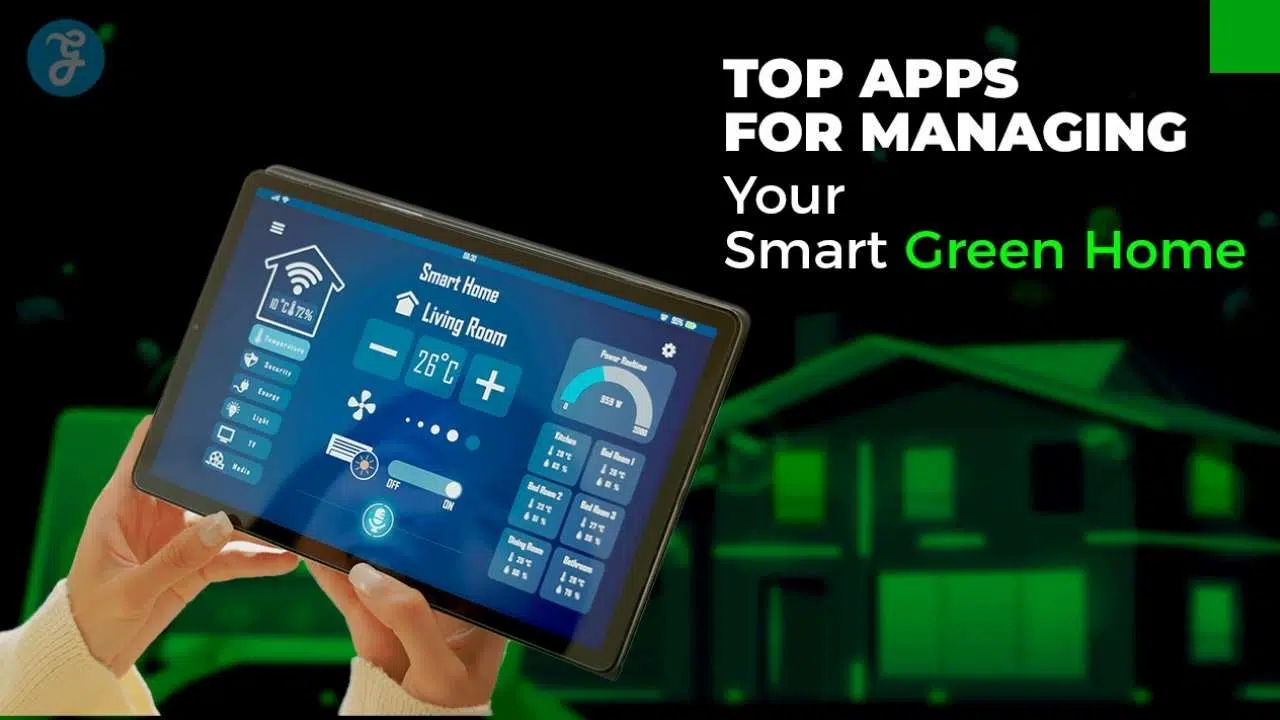
The modern home is no longer just a place to sleep; it’s a tiny power plant and a data center combined. In 2026, the sheer number of connected devices can be dizzying. If you have a smart thermostat, solar panels, and an EV charger, you probably have three different apps screaming for your attention. This fragmentation is the biggest hurdle to actually living “green.”
True sustainability comes from orchestration—making sure your dishwasher runs when the sun is hitting your solar panels, or ensuring your HVAC isn’t cooling an empty guest room. The best apps for smart green home management act as a centralized brain, using AI to trim the fat from your energy usage without you lifting a finger. Research shows that a well-managed smart home can reduce utility bills by up to 20%, proving that “green” is also great for your wallet.
Why a “Green” Smart Home Needs a Centralized Brain?
Managing individual gadgets is easy, but managing an entire ecosystem is hard. Without a central app, you miss the “big picture” of where your energy goes. A centralized brain allows for cross-device communication. For example, if your window sensor detects a breeze, the app can automatically kill the AC. This level of synergy is what separates a “gadget house” from a truly sustainable home.
In 2026, the rise of the Matter 1.4 protocol has made this easier than ever. This industry standard allows devices from different brands to speak the same language. Now, your energy monitoring app can finally understand your smart fridge, regardless of who made them. This interoperability is the backbone of the home energy management system (HEMS) market, which is expected to hit nearly $20 billion by 2033.
| Feature | Traditional Management | App-Based Green Management |
| Energy Tracking | Monthly paper bills (delayed) | Real-time, per-device data |
| Automation | Simple timers | AI-driven occupancy & weather sensing |
| Cost Savings | Manual intervention | Automated “Time-of-Use” shifting |
| Carbon Footprint | Estimated/Unknown | Precise tracking & carbon offsets |
The Top 6 Best Apps for Smart Green Home Management
Finding the right software depends on your specific goals. Are you a data nerd who wants local control, or do you want a sleek interface that makes sustainability feel like a game? Here are the top contenders that are leading the charge this year.
1. Home Assistant: The Ultimate Privacy-First Powerhouse
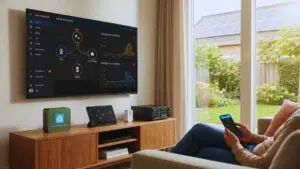
If you want to own your data and customize every single watt of usage, Home Assistant is the gold standard. It is an open-source platform that runs locally on a hub like the Home Assistant Green. This means your data doesn’t live on some corporate cloud; it stays in your living room. Its “Energy Dashboard” is a masterpiece of design, pulling data from solar inverters and individual smart plugs to show a live flow of energy.
For the eco-conscious user, it allows for complex automations that most commercial apps block. You can program it to only charge your EV when solar production exceeds a certain kilowatt threshold or shut down non-essential appliances when the grid is under stress. In 2026, it remains the favorite for those who refuse to compromise on privacy or flexibility.
| Capability | Description |
| Data Privacy | 100% local processing; no cloud required. |
| Integrations | Over 2,500+ device types supported. |
| Energy View | Detailed breakdown of solar vs. grid vs. battery. |
| Skill Level | Moderate to High (Requires setup effort). |
2. Samsung SmartThings: Best for All-in-One Energy Orchestration
SmartThings has evolved from a basic hub into a sophisticated energy manager. Its “SmartThings Energy” feature is perhaps the most user-friendly way to see your carbon footprint. It doesn’t just show numbers; it gives you actionable advice, like suggesting you clean your AC filters to improve efficiency. It provides specific metrics on how much money you’ve saved month-over-month.
In 2026, Samsung’s Bespoke AI appliances integrate deeply with this app. For instance, your washing machine can “check” with the app to see if there is a cheaper energy window before starting. It is an excellent choice for families who want a polished, reliable experience that works with hundreds of brands without needing a computer science degree to configure.
| Appliance Category | Potential Energy Reduction |
| Washing Machines | Up to 70% with AI Energy Mode. |
| Refrigerators | Up to 15% via compressor optimization. |
| Dryers | Up to 20% using moisture sensing. |
| Dishwashers | Up to 15% through cycle adjustment. |
3. Google Home (with Gemini AI): The Smarter Climate Controller
Google Home has undergone a massive transformation thanks to Gemini AI. It is no longer just a way to play music; it is an intelligent assistant that understands context. You can now type a prompt like, “Set an automation to save as much energy as possible while I’m at work,” and the app will build it for you. This makes it one of the best apps for smart green home management for the non-technical user.
The integration with Nest thermostats is where it shines for green living. It uses “Seasonal Savings” to make micro-adjustments to your temperature that you won’t even notice but will reflect on your bill. In 2026, the “Ask Home” feature lets you have a full conversation about your energy history to find out why your bill spiked last Tuesday, offering immediate solutions.
| AI Feature | Sustainable Benefit |
| Predictive Cooling | Adjusts temps based on local weather forecasts. |
| Natural Language | “How can I lower my bill by $20?” coaching. |
| Presence Sensing | Turns off all lights/HVAC when the house is empty. |
| Eco-Suggestions | Notifies you of high-drain appliances left on. |
4. E.ON Home: The Best for Solar and EV Owners
For those who have gone “all-in” on renewables, E.ON Home is a specialized tool that focuses on the big hitters: solar panels, battery storage, and electric vehicles. It provides a “self-sufficiency rating,” which tells you what percentage of your day was powered by your own clean energy. This app is essential for closing the loop between generation and consumption.
One of its coolest features in 2026 is “Solar Smart Charging.” Instead of just plugging your car in and drawing from the grid, the app waits for peak sun hours to dump that energy into your car’s battery. It turns your EV into a storage unit for your solar array, maximizing your investment and minimizing your reliance on fossil fuels.
| Metric | Purpose |
| Self-Sufficiency % | Tracks how much grid power you avoided today. |
| EV Smart Charge | Prioritizes solar excess for car charging. |
| Battery Health | Monitors storage cycles and efficiency. |
| Financial Yield | Calculates savings based on current tariff rates. |
5. JouleBug: The Gamified Sustainability App
Not every green app needs to be about wires and voltages. JouleBug focuses on the “human” side of the best apps for smart green home management. It turns eco-friendly habits into a social game. You earn points for things like composting, taking shorter showers, or air-drying your clothes. It bridges the gap between smart tech and smart habits.
In a smart home context, JouleBug can sync with your other devices to reward you for energy-saving “streaks.” If you go a week without using the dryer during peak hours, you get a badge and can compete with friends or neighbors. It’s the perfect app for getting the whole family involved in your sustainability journey and making it feel like a shared mission.
| Action | Impact Level | Smart Home Integration |
| Lower Thermostat 2° | High | Syncs with Nest/Ecobee. |
| Shorten Shower | Medium | Tracks via smart water meters. |
| Full Dishwasher Load | Medium | Connects to smart appliances. |
| Peak-Hour Avoidance | High | Monitors energy dashboard stats. |
6. Ecobee: The Precision Comfort and Savings Leader
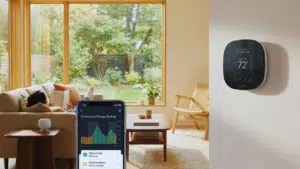
While Ecobee is primarily known for thermostats, its app is a comprehensive energy-saving tool. The “Eco+” suite of features is a standout, utilizing occupancy sensors and local weather data to ensure you aren’t heating an empty house. It also includes “Time of Use” features that automatically shift your heavy cooling to when electricity is cheapest.
In 2026, Ecobee has expanded its “Community Energy Savings” program. This allows the app to slightly adjust your temperature during grid emergencies (with your permission), helping prevent blackouts and earning you rebates from your utility provider. It is the ultimate “set it and forget it” app for maintaining a comfortable yet green home.
| Feature | User Benefit |
| Feels Like | Balances humidity with temp for real comfort. |
| Time of Use | Slashes bills by avoiding peak utility prices. |
| Schedule Assistant | Recommends tweaks based on real routines. |
| Pause When Open | Stops HVAC if a window/door is left open. |
How to Choose the Best App for Your Eco-Goals?
Selecting the right app isn’t just about the features; it’s about your hardware. If you already have a house full of Nest gear, Google Home is the logical path. However, if you are building from scratch in 2026, look for Matter-compatible devices. This gives you the freedom to switch apps later without replacing your hardware.
You should also consider your technical comfort level. Home Assistant offers incredible power but requires a bit of a learning curve. On the flip side, apps like SmartThings and Ecobee are designed for someone who wants to spend five minutes on setup and never touch it again. The best apps for smart green home management are the ones you actually enjoy using daily.
| User Type | Recommended App | Key Reason |
| Privacy Advocate | Home Assistant | Local control; no data harvesting. |
| Smart Appliance Fan | SmartThings | Best for Samsung/Major brand sync. |
| Ease of Use Seeker | Google Home | AI handles the complex settings. |
| Climate Focused | Ecobee | Specialized in HVAC & grid health. |
The Future of Green Living: What’s Next for Smart Apps?
We are moving toward a world where your house is an active participant in the energy grid. Future updates to these apps will likely include “Virtual Power Plant” (VPP) integrations. This means your home battery could help stabilize the city’s power grid during a heatwave, and you’ll get paid for it. This turns your home from a cost center into a small revenue generator.
AI will also move from reactive to proactive. Instead of telling you that you used too much power yesterday, your app will warn you today: “A storm is coming; I’m charging your home battery now so you can run on 100% clean energy during the peak price window tomorrow.” This level of foresight is the next frontier of sustainable living, making energy management effortless.
| Trend | Description | Impact |
| Matter 1.4 | Universal language for all green devices. | Zero compatibility headaches. |
| V2H (Vehicle-to-Home) | Car powers the house during outages. | Massive backup energy source. |
| Hedge Energy AI | AI trades excess solar for grid credits. | Lower monthly energy bills. |
| Local LLMs | Smart homes that speak to you offline. | Increased privacy and speed. |
Final Thoughts
Living sustainably doesn’t mean you have to live in the dark or sacrifice comfort. By using the best apps for smart green home management, you are simply making smarter choices with the help of technology. Whether it’s Home Assistant’s deep data or JouleBug’s fun challenges, these tools empower you to take control of your environmental impact and your bank account.
The best part? These apps pay for themselves over time. Between utility rebates, solar optimization, and lower monthly bills, the “green” choice is also the most logical financial choice for 2026 and beyond. Start with one app, connect your most power-hungry devices, and watch how quickly your footprint shrinks.