
Many of us feel stuck with fast fashion and single-use plastics. We want products that last, made with plant-based or biodegradable ingredients. We try to cut our carbon footprint, but we miss durable, eco-friendly brands.
Sustainable Products Made In New Zealand can ease this hunt.
New Zealand leads the push for sustainable living. This blog shares ten must-try finds, like sugarcane plastic bottles with sustainable packaging and soap bars with no plastic wrap.
Each pick shows social responsibility and uses organic materials. You can join our newsletter subscription for more green tips. Read on.
Key Takeaways
- New Zealand leads with 10 top sustainable brands. They use plant-based or organic materials in beauty, home, fashion, and baby care.
- Ethique (Brianne West) sells solid beauty bars that last weeks. They use no plastic, offset 100 % of carbon, and give 2 % of sales to environmental causes.
- Ecostore, launched in 1993 and a Certified B Corporation, fills its bottles with 100 % recycled sugarcane plastic. It offers a carbon-footprint calculator and posts Life Cycle Assessment updates.
- Untouched World (Peri Drysdale) issues only two collections a year. It crafts in Southland studios using organic cotton, linen, merino wool, and plant-based dyes to cut carbon miles. Kowtow meets the Global Organic Textile Standard, runs on solar power, uses plant dyes, and wraps orders in recycled paper.
- Bear and Moo (Hannah Porter) makes cloth diapers from organic cotton and bamboo. Reuseful’s sugarcane snack pouches are BPA-free and dishwasher safe. Compostic bin liners biodegrade in 12 weeks. SPRUCE Swedish dishcloths last 50 washes and compost in 30 days. HANK-ies handkerchiefs use soft organic cotton.
Ethique: Solid Beauty Bars for a Plastic-Free Bathroom
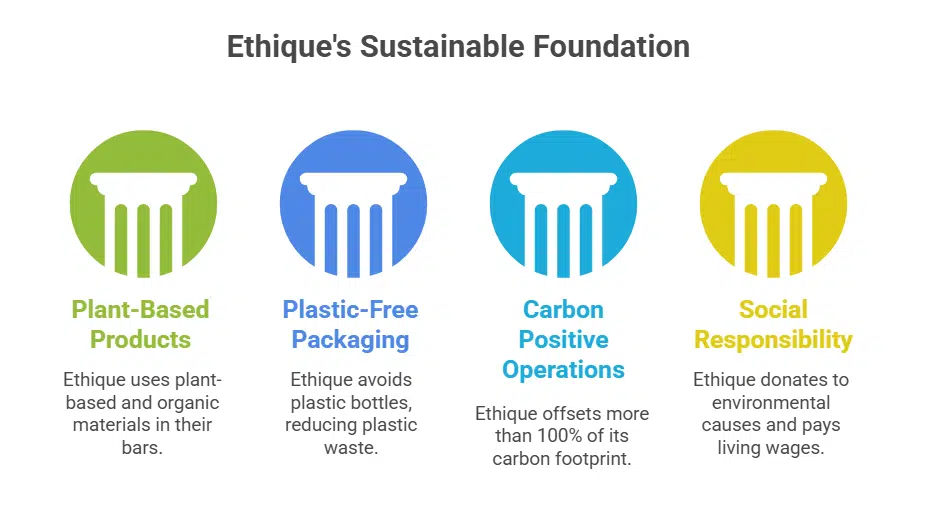
Brianne West founded Ethique in New Zealand. The company crafts sustainable and environmentally friendly products. Each bar uses plant-based products and organic materials. It packs no sugarcane plastic bottles.
Solid bars cut plastic waste. Bars act as durable products that last for weeks. They curb fast-fashion trends. Each batch runs carbon positive, offsetting over 100 percent of its carbon footprint.
Ethique shows social responsibility by giving 2 percent of sales to environmental causes and paying living wages. Fans join a newsletter subscription for tips on sustainable living.
Ecostore: Sustainable Household Cleaning and Personal Care Products
Launched in 1993, Ecostore hails from New Zealand. It crafts environmentally friendly products for home and body care. The firm uses plant-based products. Each sugarcane plastic bottle recycles at 100 percent.
The company holds a Certified B Corporation status. That stamp confirms social responsibility. It mixes organic materials in every formula. It trims plastic waste and cuts carbon footprint.
Customers gain tips through a newsletter subscription. A carbon footprint calculator on its site tracks environmental impact. The brand posts Life Cycle Assessment updates on its packaging, so users see real journeys of lower emissions.
Each cleaner uses biodegradable ingredients that break down fast. Families with eczema find relief in gentle blends, and folks with chores love durable products. This label sets a high bar in sustainable living and corporate responsibility.
Untouched World: Ethical and Eco-Friendly Clothing
Untouched World began in New Zealand after Peri Drysdale chased sustainable fashion dreams. The brand uses organic materials like cotton, linen, merino wool, and plant-based fibers.
It releases only two collections annually, so each drop feels special. Makers cut the carbon footprint by crafting items in Southland studios, and run operations sustainably. They share social responsibility, and support preservation near Fiordland National Park.
A soft weave leans kind to eczema skin. Biodegradable dyes reduce environmental impact around every wash. Packaging comes in sugarcane plastic bottles, and you can use Apple Pay at checkout.
A quick newsletter subscription links you to green tips and new drops. Such eco-friendly labels craft durable products that match sustainable living goals.
Kowtow: Organic and Fair-Trade Fashion
Kowtow spins soft tops and dresses in New Zealand, using organic cotton fields that meet the Global Organic Textile Standard label. This eco-friendly brand trims its carbon footprint with solar power and plant-based dyes, leaving a light environmental impact.
The company taps a digital trace tool, it tracks each fabric roll from field to factory. Many hail this as a new era in sustainable living, and a win for eco-friendly products.
It shows social responsibility in every seam, from fair pay for weavers to safe factory floors. Designers reject sugarcane plastic bottles for packaging, they wrap items in recycled paper.
Soft organic materials and biodegradable ingredients soothe ezcema-prone skin. The sturdy fabrics last years, they reward slow fashion fans who seek durable products. Readers find joy in simple styles that link them to a kinder world.
Bear and Moo: Reusable Cloth Diapers and Baby Products
Hannah Porter founded Bear and Moo in New Zealand. The company crafts reusable cloth diapers for parents who seek environmentally friendly products. Each diaper uses organic cotton and bamboo fabric to cut environmental impact.
It supports sustainable living at home. Parents pick these sustainable products to shrink their carbon footprint. The line joins other eco-friendly brands boosting social responsibility.
Cloth diaper kits mix absorbent core pads with waterproof covers. They snap on with configurable fasteners for a snug fit. The system fits newborns and toddlers alike. You wash them in warm water with a plant-based laundry detergent.
Those items air dry or tumble low in most washing machines. Bear and Moo also sells cloth wipes and diaper liners made from organic materials. Each product cuts single-use plastic from feeding and cleanup.
Reuseful: Reusable Food Pouches and Snack Bags
Parents grab reusable food pouches from Reuseful for school snacks. This New Zealand based brand crafts each pouch from plant-based plastic made of sugarcane. That cuts down on single-use waste.
That trims your carbon footprint and helps curb climate change. You still get tough, BPA-free materials. You slip them in lunch boxes for safe storage. Cleaning feels quick. Toss pouches in the top rack of your dishwasher.
Paul packs berries in another pouch and snaps it tight. No leaks, no soggy shoes. Mia chats over coffee about her small win in sustainable living, and you can hear her pride. These snack bags earn praise for their rugged design.
They last through hikes, work lunches, and field trips. They fit in tote bags, cooler boxes, or bike baskets. You can sign up for a newsletter subscription that shares tips on sustainable practices and eco-friendly brands.
Such items join the fight against waste, one snack at a time.
Little Yellow Bird: Sustainable Workwear and Apparel
Little Yellow Bird crafts tough workwear in New Zealand for sustainable living. The label uses organic cotton and plant-based dyes to cut environmental impact. Skilled locals stitch every seam with care.
This eco-friendly brand trims carbon footprint through local production. Designers choose sugarcane plastic buttons and biodegradable tags. Clients call the apparel environmentally friendly products that last.
Gear stays strong on heritage expeditions and office floors alike. It sets a high bar for sustainability in the fashion industry.
Compostic: Compostable Bin Liners and Food Wraps
Compostic teams up with local sugarcane farmers in New Zealand. Their bin liners carry biodegradable ingredients from cane waste. Home vermicomposters and council green bins do the heavy lifting.
Bacteria, fungi, and earthworms digest the liner in twelve weeks. This cuts landfill volume and shrinks a household carbon footprint. Each roll supports sustainable living and eco friendly products.
Compostic also makes food wraps from plant based cellulose. These sheets hug cheese, fruit, or sandwiches snugly. Heat sealers or a simple fold lock in moisture without toxic residue.
Rinse the wrap with mild soap and air dry. Switching these films for plastic wraps boosts social responsibility. Users love durable performance and a smaller environmental impact.
SPRUCE: Swedish Dishcloths for Eco-Friendly Cleaning

SPRUCE makes Swedish dishcloths in New Zealand from plant based materials, with biodegradable ingredients like organic cotton and natural cellulose. These sustainable products soak spills fast, scrub pots clean, then air dry in hours.
You swap dozens of paper towels for one cloth, cutting your carbon footprint in half. They feel soft like a sponge, yet stand tough on grease stains. Each cloth lasts up to fifty washes, then you toss it in a home compost bin.
The cloth breaks down in thirty days, leaving no micro plastic behind.
Life Cycle Assessment shows a cloth eats less energy and water than paper rolls. Users praise its low environmental impact, high durability, and easy care. The circular economy benefits when you choose dishcloths over single use wipes.
These eco friendly products make sustainable living simple, and they fit right into a zero waste kitchen.
HANK-ies: Reusable Handkerchiefs for Everyday Use
Hank-ies slide into pockets or purses. They replace single-use tissues and curb waste, trimming your carbon footprint and lowering environmental impact.
New Zealand makers use soft organic cotton and plant-based dyes for each piece. Fans love these environmentally friendly, durable products that boost sustainable living and social responsibility.
Takeaway
Green living never felt this zippy. A sink scourer, oak broom, spice essence, piece puzzle or hue guide can spark joy. They nudge small steps to big wins. Each pick prunes plastic, cuts carbon miles and cheers chores.
Shifting to a steel food box or art bristles shows care for nature. Embrace these Kiwi gems and watch your home bloom into a clean, green haven.
FAQs on Must-Try Sustainable Products Made In New Zealand
1. What are 10 must-try sustainable products made in New Zealand?
They are sustainable products from farms, workshops, and labs across New Zealand, each item uses eco-sourced materials, cuts waste and saves water, and they pave a path to sustainable living.
2. Why do plant-based products and biodegradable ingredients matter?
Plant-based products draw power from nature, not oil, biodegradable ingredients return to earth fast, like a boomerang, and together they shrink environmental impact.
3. How do these environmentally friendly products help cut my carbon footprint?
They use low-carbon shipping, skip nasty chemicals, and work hard so your carbon footprint stays small, it’s a win-win for you and the planet.
Sign up free with your email, you get product news, tips, and special offers, it lands in your inbox like a friendly chat, no spam, just green facts.