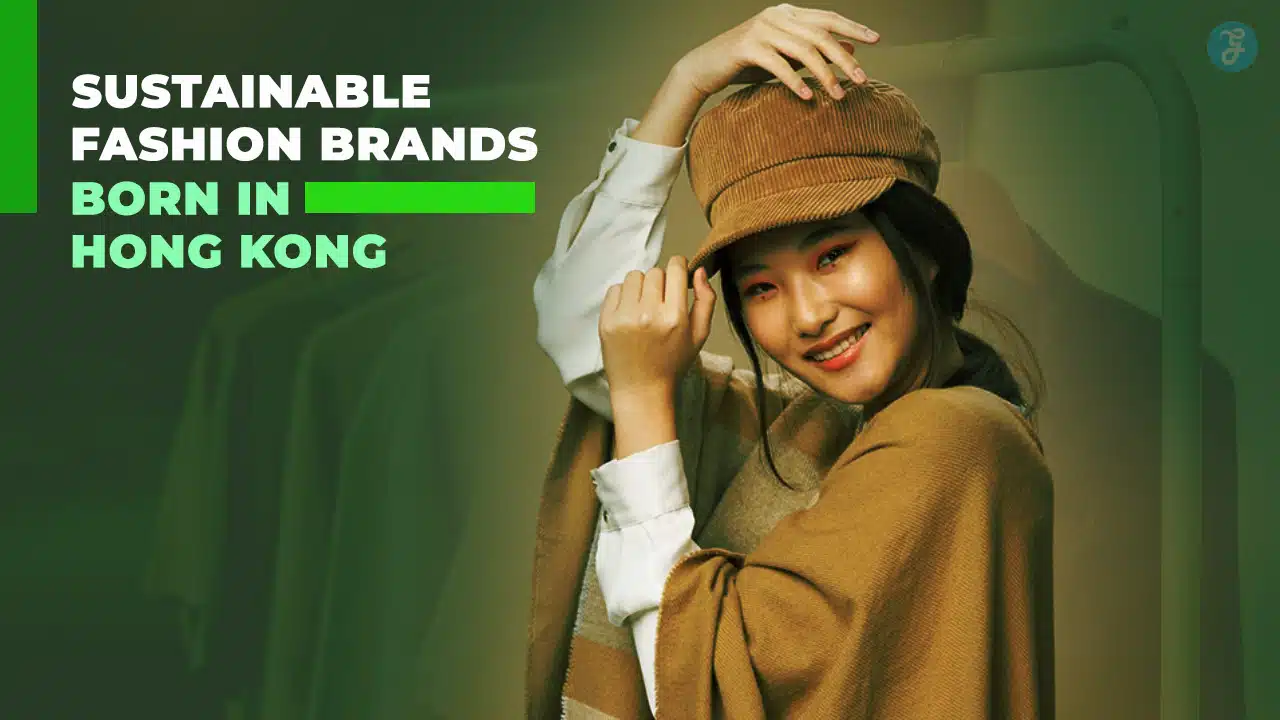
Finding clothes that don’t harm the planet can feel like searching for a needle in a haystack, especially in Hong Kong’s fashion landscape. Many shoppers want to look good while doing good, but fast fashion dominates the city’s malls and streets. The constant cycle of cheap, trendy pieces creates mountains of textile waste that end up in landfills. Shopping sustainably shouldn’t mean sacrificing style or breaking the bank.
Hong Kong generates over 343 tons of textile waste daily, making it one of the world’s largest contributors to fashion pollution per capita. Yet something exciting is happening in this bustling metropolis. A new wave of sustainable fashion brands is rising, proving that eco-friendly clothing can be both stylish and accessible. These local pioneers are transforming surplus fabrics into beautiful garments, championing organic cotton, and creating circular fashion systems right here in the city. We’ll introduce you to ten remarkable Hong Kong fashion brands that are changing how we think about clothing. Ready to meet the game-changers?
Brief overview of Hong Kong’s growing sustainable fashion scene
Hong Kong’s fashion scene is changing fast. Local designers are ditching fast fashion for something better. They’re creating clothes that don’t hurt our planet. These hong kong fashion brands use recycled materials and organic cotton.
They turn textile waste into beautiful pieces. Slow fashion is taking root in this busy city.
Young designers are leading this green revolution. They work with surplus fabrics instead of making new ones. Some brands focus on capsule wardrobes that last for years. Others create zero-waste fashion that leaves nothing behind.
The r collective and basics for basics show how sustainable fashion brands can thrive. These companies prove that ethical fashion and style can go hand in hand.
The importance of choosing eco-conscious brands for a greener future
Fashion creates massive amounts of textile waste each year. Traditional clothing brands dump tons of harmful chemicals into water systems. They also burn fossil fuels during production and shipping.
Eco-conscious brands fight these problems head-on. These companies use organic cotton, recycled materials, and biodegradable materials instead. They cut down on waste by making clothes that last longer.
Some brands even turn surplus fabrics into new pieces.
Supporting sustainable fashion brands helps the planet in big ways. These companies often pay fair wages to workers. They source materials ethically and reduce their carbon footprint.
Many Hong Kong fashion brands now focus on circular fashion models. This means they design clothes to be reused, recycled, or composted at the end of their life. Your shopping choices send a clear message to the industry.
Every purchase from an ethical fashion brand votes for cleaner air, safer water, and better working conditions worldwide.
What makes a local fashion brand “sustainable”
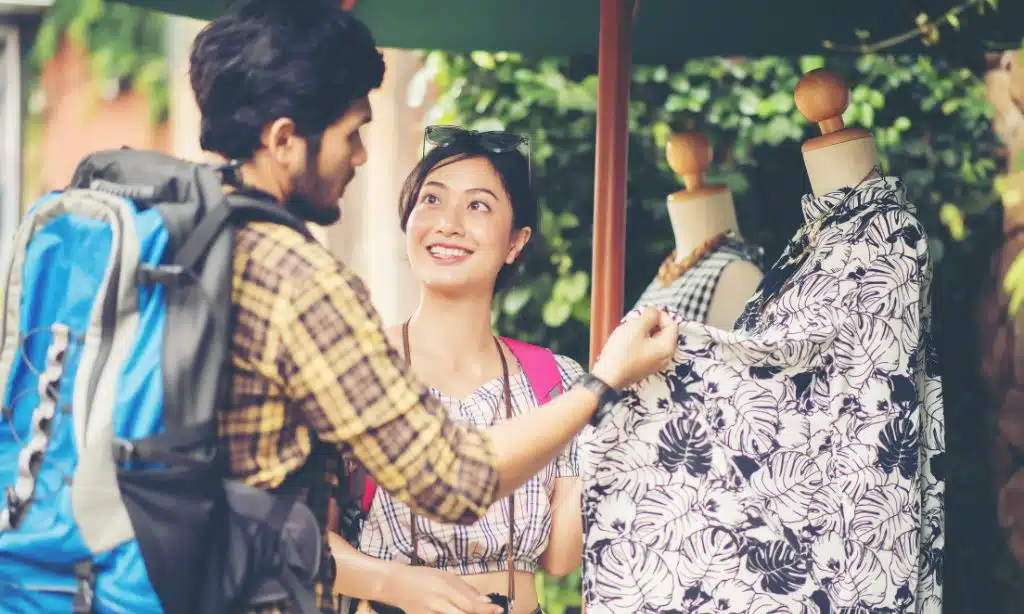
A sustainable fashion brand goes beyond making pretty clothes. These companies focus on reducing waste, using eco-friendly materials, and treating workers fairly. They choose organic cotton over regular cotton that harms the environment.
Many brands use recycled materials or deadstock fabrics that would otherwise end up in landfills. Some create biodegradable materials that break down naturally after use. The best sustainable brands also pay fair wages to their workers and support local communities.
Local Hong Kong fashion brands become truly sustainable by embracing circular fashion principles. They design clothes to last longer, not fall apart after a few washes. These brands often use surplus fabrics from larger manufacturers, giving new life to materials that might become textile waste.
Some focus on slow fashion, making fewer pieces with better quality. Others create capsule wardrobes with versatile pieces that mix and match easily. The most innovative brands even turn recycled paper into sunglasses or transform old clothes into fresh designs through upcycling.
Why Sustainable Fashion Matters in Hong Kong
Hong Kong’s fashion industry creates mountains of textile waste each year, choking landfills and polluting waterways across the region. Local sustainable fashion brands are fighting back with recycled materials, organic cotton, and circular fashion practices that turn yesterday’s waste into tomorrow’s wardrobe.
Environmental challenges faced by the fashion industry globally and locally
The fashion industry creates 10% of global carbon emissions and produces 20% of the world’s wastewater. Fast fashion brands pump out 100 billion garments each year, with most ending up in landfills within two years.
Textile waste fills our oceans with microplastics every time we wash synthetic clothes. Chemical dyes poison rivers and harm communities near factories. Cotton farming uses massive amounts of water, pesticides damage soil for decades.
Hong Kong faces its own fashion waste crisis as one of Asia’s shopping capitals. The city throws away 343 tons of textile waste daily, with only 3% getting recycled. Most discarded clothes go straight to landfills in the New Territories.
Local factories that once made garments for global brands left behind contaminated sites. Air pollution from textile production affects millions of residents. Surplus fabrics from manufacturing pile up in warehouses across the region.
Hongkonger consumers buy 17 new clothing items per person each year, far above the global average.
How sustainable brands in Hong Kong are leading the change
Hong Kong fashion brands are turning the industry upside down. These companies use recycled materials and organic cotton to create beautiful clothes. They work with surplus fabrics that would normally end up in landfills.
Brands like The R Collective and Basics for Basics show other companies how to make fashion better for our planet. Their work proves that style and sustainability can go hand in hand.
Local designers are making waves with circular fashion practices. They create capsule wardrobes that last for years, not months. Many brands focus on slow fashion instead of fast trends.
Companies like Tove & Libra and Lane Eight use deadstock fabrics to reduce textile waste. These brands prove that reducing waste can still mean looking great. Their success inspires fashion companies around the world to change their ways.
The impact of supporting local, ethical, and eco-friendly fashion businesses
Supporting local, ethical, and eco-friendly fashion businesses creates a ripple effect that goes far beyond your closet. Your purchase dollars vote for better working conditions, fair wages, and cleaner production methods.
Local sustainable fashion brands in Hong Kong often work with smaller factories that prioritize worker safety and environmental standards. These companies use recycled materials, organic cotton, and deadstock fabrics instead of creating new textile waste.
Money spent on ethical fashion stays in the community longer, supporting local jobs and craftsmanship.
Choosing sustainable fashion brands over fast fashion helps reduce the massive environmental footprint of clothing production. The fashion industry produces 10% of global carbon emissions and 20% of wastewater pollution.
Local brands like The R Collective and Basics for Basics prove that style doesn’t require sacrificing the planet. They create beautiful clothes from surplus fabrics and recycled materials.
Supporting these businesses sends a clear message to larger corporations that consumers care about environmental impact. Each ethical purchase helps build demand for circular fashion and zero-waste practices across the industry.
10 Outstanding Sustainable Fashion Brands Born in Hong Kong
Hong Kong’s sustainable fashion scene is buzzing with innovative brands that put the planet first. These ten homegrown labels are changing how we think about clothes, one eco-friendly piece at a time.
Showcase 10 brands:
Hong Kong’s sustainable fashion scene sparkles with creative brands making real change. These 10 companies prove that style and ethics can work together beautifully.
Basics for Basics creates timeless pieces from organic cotton and recycled materials. Their capsule wardrobe approach fights fast fashion trends. The R Collective transforms surplus fabrics from luxury brands into stunning ready-to-wear pieces.
They rescue deadstock fabrics that would otherwise become textile waste. Angus Tsui crafts elegant designs using eco-friendly materials and ethical sourcing practices. His work shows how high fashion can respect the planet.
Classics Anew breathes new life into vintage clothing through careful restoration. They prove that old can be gold again. Kitdo focuses on children’s wear made from biodegradable materials and safe dyes.
Parents love their commitment to both kids and the environment. MiliMilu designs beautiful linen attire that lasts for years. Their slow fashion philosophy creates pieces worth keeping forever.
Tove & Libra combines Cantonese heritage with modern sustainable practices. They use upcycled materials to create contemporary designs. Flow With Me specializes in activewear made from recycled fabrics and ocean plastic.
Their sports apparel proves that performance and planet care go hand in hand. Paper Shades crafts recycled paper sunglasses that look amazing and break down naturally. Lane Eight creates sneakers from recycled materials while maintaining street style credibility.
Basics for Basics
Basics for Basics started with a simple idea: make fashion that doesn’t hurt the planet. This Hong Kong brand creates timeless pieces using organic cotton and recycled materials. Their capsule wardrobe approach means fewer clothes, but better quality.
Each piece works with others to create multiple outfits.
The brand focuses on slow fashion principles. They avoid fast fashion trends that create textile waste. Instead, Basics for Basics makes classic styles that last for years. Their ethical sourcing practices support fair wages for workers.
The company also uses biodegradable materials wherever possible, making their clothes kinder to the environment.
Angus Tsui
Angus Tsui stands as one of Hong Kong’s most respected sustainable fashion brands. This designer creates timeless pieces using organic cotton and recycled materials. His collections focus on slow fashion principles that last for years.
Tsui sources surplus fabrics from local textile manufacturers to reduce waste. Each garment gets crafted with ethical sourcing practices in mind.
His brand champions circular fashion through careful material selection. Tsui works with deadstock fabrics that would otherwise end up in landfills. The designer’s approach to reducing waste includes creating capsule wardrobe pieces.
His sustainable fashion philosophy centers on quality over quantity. Customers can build wardrobes that serve them well while protecting the environment.
The R Collective
The R Collective turns fashion waste into treasure. This innovative brand transforms surplus fabrics from luxury fashion houses into stunning new pieces. Founded in Hong Kong, they rescue deadstock fabrics that would otherwise end up in landfills.
Their team works with skilled artisans across Asia to create limited-edition collections.
Each piece tells a story of rescued materials and expert craftsmanship. The R Collective partners with major brands like Burberry and Stella McCartney to give their excess textiles new life.
Their circular fashion approach reduces textile waste while creating beautiful, high-quality garments. You can find everything from elegant dresses to casual wear, all made from recycled materials that help protect our planet.
Classics Anew
Classics Anew breathes new life into vintage clothing through creative upcycling and redesign. Founded in Hong Kong, this sustainable fashion brand takes pre-loved garments and transforms them into modern pieces.
Their approach reduces textile waste while creating one-of-a-kind items that tell stories. Each piece gets carefully reworked by skilled artisans who respect the original garment’s history.
This brand champions circular fashion by giving discarded clothes a second chance. Classics Anew sources vintage pieces from local markets and donations, then reimagines them with contemporary cuts and styling.
Their process eliminates the need for new fabric production, which cuts down on water usage and chemical treatments. Customers can find these reimagined pieces at select Hong Kong boutiques and through their online platform.
Kitdo
Kitdo brings playful, sustainable fashion to Hong Kong’s children’s clothing market. Founded by local parents who saw a gap in eco-friendly kids’ wear, this brand creates adorable pieces using organic cotton and recycled materials.
Their designs celebrate childhood wonder while teaching little ones about caring for our planet. Each garment gets crafted with non-toxic dyes and soft, breathable fabrics that keep kids comfortable all day long.
This hong kong fashion brand takes circular fashion seriously by offering a clothing swap program for growing children. Parents can exchange outgrown Kitdo pieces for larger sizes, reducing textile waste and saving money.
The company also partners with local schools to educate children about sustainable fashion through fun workshops and storytelling sessions. Their commitment to ethical sourcing means every supplier meets strict environmental and labor standards.
MiliMilu
MiliMilu takes a different path in the sustainable fashion world. This Hong Kong brand creates beautiful clothing from organic cotton and recycled materials. The company focuses on slow fashion principles.
Each piece tells a story of careful craftsmanship and environmental care.
MiliMilu’s designers work with surplus fabrics from local manufacturers. They transform these materials into timeless pieces that last for years. The brand believes in reducing waste through smart design choices.
Their capsule wardrobe approach helps customers buy less but choose better. MiliMilu proves that sustainable fashion can be both stylish and affordable in Hong Kong’s competitive market.
Tove & Libra
Tove & Libra turns surplus fabrics into stunning women’s wear that doesn’t hurt the planet. This Hong Kong brand rescues deadstock fabrics from big fashion houses and transforms them into timeless pieces.
Their approach cuts textile waste while creating beautiful clothes that last for years. The brand focuses on slow fashion principles, making each piece with care and attention to detail.
Founded by two friends who saw too much waste in the fashion world, Tove & Libra proves that sustainable fashion can be stylish and affordable. They work with local manufacturers to create capsule wardrobe essentials using recycled materials.
Their collections feature classic cuts and neutral colors that work for any season. The brand shows that ethical fashion doesn’t mean giving up on style or breaking the bank.
Flow With Me
Flow With Me transforms the way we think about activewear through sustainable fashion practices. This hong kong fashion brand creates yoga clothes and workout gear using recycled materials and eco-friendly fabrics.
Their pieces blend comfort with environmental responsibility, proving that good days activewear doesn’t have to harm the planet.
Founder Kayla Wong started this brand with a simple mission: make exercise clothes that feel good and do good. Flow With Me sources surplus fabrics from textile waste streams, turning discarded materials into beautiful activewear pieces.
Their capsule wardrobe approach means fewer items that work harder, reducing waste while keeping you stylish during workouts.
Paper Shades
Paper Shades turns heads with recycled paper sunglasses that actually work. This Hong Kong brand transforms waste paper into stylish eyewear that protects your eyes from UV rays. The company sources discarded paper materials and converts them into durable frames through an innovative manufacturing process.
Each pair weighs less than traditional plastic sunglasses, making them comfortable for all-day wear.
The brand’s commitment to reducing waste goes beyond just using recycled materials. Paper Shades creates biodegradable frames that break down naturally at the end of their life cycle.
Their production methods cut down on harmful chemicals typically used in eyewear manufacturing. The company also partners with local recycling centers to source their raw materials, keeping the supply chain short and supporting Hong Kong’s circular economy efforts.
Lane Eight
Lane Eight proves that athletic wear can be both high-performance and planet-friendly. This hong kong brand creates sneakers and activewear using recycled materials and sustainable practices.
The company transforms plastic bottles into breathable running shoes. Their production process cuts down on textile waste while delivering gear that athletes actually want to wear.
Lane Eight takes a different approach to sportswear manufacturing. They source recycled fabrics and eco-friendly materials for their entire product line. The brand focuses on creating capsule wardrobe pieces that last longer than typical athletic gear.
Their sneakers use recycled plastic and organic cotton components. This sustainable fashion brand shows that you don’t have to sacrifice performance for environmental responsibility.
Brief description of each brand, their story, and what makes them sustainable
Basics for Basics
Basics for Basics started with a simple mission. They wanted to create timeless wardrobe staples without harming the planet. This Hong Kong brand focuses on organic cotton and recycled materials for their clothing line.
Their capsule wardrobe approach means fewer pieces, better quality, and less textile waste. Each item gets designed to last years, not seasons.
Angus Tsui
Designer Angus Tsui brings high fashion to sustainable fashion. His brand transforms deadstock fabrics into stunning couture pieces. Tsui sources surplus fabrics from luxury fashion houses that would otherwise end up in landfills.
His zero-waste fashion approach means every scrap of material serves a purpose. The brand proves that eco-friendly materials can create red-carpet worthy designs.
The R Collective
The R Collective tackles fashion’s waste problem head-on. They rescue surplus fabrics from major fashion brands across Asia. These rescued materials become beautiful, contemporary clothing pieces.
The brand works with skilled artisans to create limited collections. Their circular fashion model keeps valuable materials in use instead of becoming waste.
Classics Anew
Classics Anew breathes new life into vintage clothing. This Hong Kong fashion brand specializes in upcycled materials and reimagined vintage pieces. They take classic garments and transform them into modern, wearable art.
Their slow fashion philosophy means each piece tells a story. The brand reduces waste while celebrating fashion history.
Kitdo
Kitdo makes sustainable fashion fun and accessible. This brand creates playful designs using recycled fabrics and eco-friendly materials. They focus on comfortable, everyday wear that doesn’t compromise on style.
Kitdo proves that ethical fashion can be both affordable and trendy. Their colorful collections bring joy to conscious consumers.
MiliMilu
MiliMilu combines Cantonese heritage with modern sustainable practices. The brand creates contemporary pieces inspired by traditional Chinese craftsmanship. They use organic cotton and biodegradable materials in their collections.
MiliMilu supports local artisans and traditional techniques. Their designs bridge cultural heritage with environmental responsibility.
What Sets These Brands Apart?
These Hong Kong sustainable fashion brands stand out through their creative use of recycled materials, deadstock fabrics, and organic cotton that would otherwise end up in landfills, plus their commitment to ethical sourcing and zero-waste fashion practices that prove style doesn’t have to cost the earth.
Unique approaches and materials (recycled fabrics, deadstock, vegan alternatives)
Hong Kong sustainable fashion brands push boundaries with creative materials. Basics for Basics transforms deadstock fabrics into timeless pieces, giving surplus materials new life.
The R Collective takes luxury waste and turns it into high-end fashion, proving that recycled materials can look stunning. Paper Shades crafts sunglasses from recycled paper, showing how unexpected materials work in fashion.
These brands prove that eco-friendly materials don’t mean boring clothes.
Vegan fashion takes center stage with several Hong Kong labels. Tove & Libra creates leather-free accessories that look and feel luxurious. Lane Eight makes athletic shoes without animal products, using recycled materials instead.
Flow With Me designs activewear from organic cotton and biodegradable materials. Smart sourcing helps these brands cut textile waste while creating beautiful clothes that last longer than fast fashion pieces.
Commitment to ethical production, fair wages, and local craftsmanship
These Hong Kong sustainable fashion brands put workers first. They pay fair wages to their employees and create safe working spaces. Basics for Basics works with local artisans who get paid properly for their skills.
The R Collective partners with factories that follow strict labor standards. Lane Eight makes sure their shoe makers earn living wages, not just minimum pay.
Local craftsmanship runs deep in these companies. Tove & Libra uses traditional sewing methods passed down through generations. Flow With Me works with Hong Kong seamstresses who have decades of experience.
Paper Shades creates their recycled paper sunglasses right in the city. This keeps jobs local and cuts down on shipping waste. Supporting these brands means supporting your neighbors and their families.
Innovations in circular fashion, zero waste, and carbon reduction
Hong Kong’s sustainable fashion brands push boundaries with smart circular fashion methods. The R Collective turns surplus fabrics into fresh designs, keeping textile waste out of landfills.
Basics for Basics creates capsule wardrobes from organic cotton and recycled materials. These brands prove that reducing waste starts with better planning. Lane Eight makes sneakers from recycled ocean plastic, while Paper Shades crafts sunglasses from recycled paper.
Each piece gets a second life instead of heading to the trash.
Carbon reduction happens through local production and shorter supply chains. Tove & Libra sources deadstock fabrics from nearby factories, cutting transport emissions. Flow With Me uses biodegradable materials that break down naturally.
Many brands skip traditional retail seasons, making clothes on demand. This slow fashion approach means less overproduction and fewer carbon emissions. Smart material choices, like vegan alternatives and upcycled materials, also help shrink each brand’s carbon footprint.
Notable collaborations and global recognition
These Hong Kong sustainable fashion brands have caught the eye of major global players. The R Collective has worked with luxury brands like Chloé and Stella McCartney to transform their surplus fabrics into new collections.
Lane Eight has partnered with international retailers and gained recognition from major fashion publications worldwide. Tove & Libra has collaborated with eco-conscious influencers across Asia, spreading their message of circular fashion beyond Hong Kong’s borders.
Several brands have received prestigious awards that put Hong Kong on the sustainable fashion map. Basics for Basics won the Green Fashion Award at Asia Fashion Week. Paper Shades earned recognition from environmental groups for their innovative recycled paper sunglasses.
Flow With Me has been featured in Vogue and other top fashion magazines for their commitment to reducing waste through upcycled materials.
How to Support and Shop Local Sustainable Fashion
Finding these sustainable fashion brands across Hong Kong has become easier than ever, with many setting up shop in trendy districts like Central and Causeway Bay, while others focus on online platforms that ship locally.
Building a conscious wardrobe starts with choosing quality pieces from brands like The R Collective or Basics for Basics, which use recycled materials and surplus fabrics to create timeless designs that last for years.
Where to find these brands (local boutiques, online platforms, pop-up events)
Most hong kong fashion brands sell their products through multiple channels. You can visit local boutiques in Central, Causeway Bay, and Tsim Sha Tsui to browse their collections. Many sustainable fashion brands also run their own online stores.
The r collective operates a flagship store in Wong Chuk Hang, while basics for basics sells through select retailers across the city. Lane eight focuses on direct-to-consumer sales through their website, shipping globally from their Hong Kong base.
Pop-up events offer great chances to discover new sustainable fashion brands. These temporary shops appear at shopping malls, art galleries, and community centers throughout Hong Kong.
Tove & libra often participates in eco-friendly fashion markets. Paper shades showcases their recycled paper sunglasses at outdoor festivals and green living events. Flow with me hosts yoga sessions combined with sustainable activewear showcases.
Social media platforms help you track these pop-up events, as brands announce locations and dates through Instagram and Facebook posts.
Tips for building a sustainable wardrobe
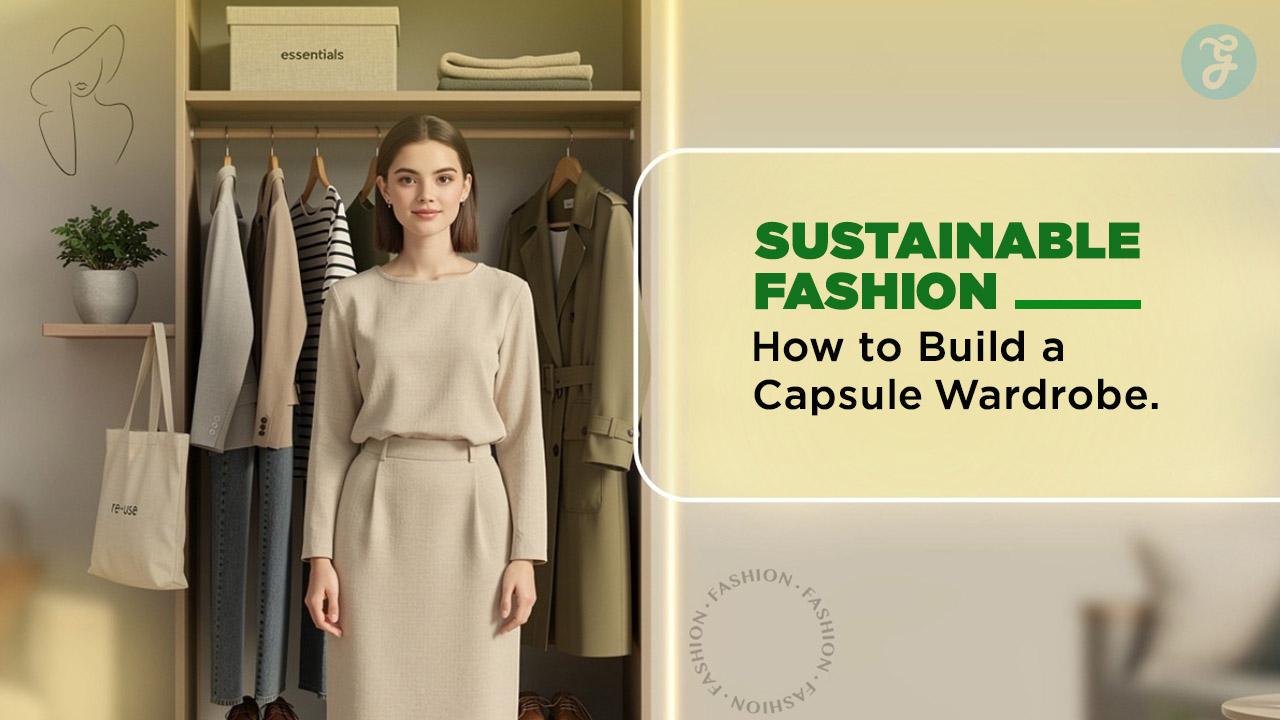
Building a capsule wardrobe starts with buying fewer, better pieces. Choose organic cotton basics that work with multiple outfits. Pick neutral colors that mix and match easily. Quality items last longer than fast fashion pieces.
This saves money over time.
Shop secondhand stores for vintage clothing first. Check out local thrift shops in Hong Kong for hidden gems. Buy from sustainable fashion brands like Basics for Basics or The R Collective.
Look for recycled materials and deadstock fabrics. Repair clothes instead of throwing them away. Take care of what you own, and it will serve you for years.
The long-term benefits of choosing sustainable fashion for you and the planet
Sustainable fashion brands create clothes that last longer. Your wardrobe becomes more valuable over time. Quality pieces from ethical fashion companies save you money in the long run.
You buy fewer items but get more wear from each piece. Organic cotton and recycled materials feel better against your skin. These fabrics breathe better and cause fewer allergic reactions.
Your health improves when you avoid toxic dyes and chemicals.
Textile waste drops when more people choose slow fashion. The planet benefits from reduced water pollution and carbon emissions. Recycled fabrics and deadstock fabrics get new life instead of filling landfills.
Workers in ethical sourcing facilities earn fair wages and work in safe conditions. Supporting hong kong fashion brands keeps money in local communities. Each purchase votes for a cleaner future and better working conditions worldwide.
Closing thoughts on making conscious fashion choices in Hong Kong
Making conscious fashion choices in Hong Kong starts with small steps. You can build a capsule wardrobe with pieces from sustainable fashion brands like Basics for Basics or The R Collective.
Choose organic cotton over fast fashion. Pick recycled materials instead of new ones. Support local hong kong fashion brands that use surplus fabrics and deadstock fabrics. Each purchase sends a message to the industry.
Your wallet might feel lighter at first, but slow fashion pays off. These clothes last longer and look better over time. You reduce textile waste with every thoughtful purchase. The city’s growing eco-friendly materials market makes it easier to find vegan fashion and upcycled materials.
Hong Kong’s fashion scene is changing, one conscious shopper at a time.
FAQs on Sustainable Fashion Brands Born In Hong Kong
1. What makes Hong Kong sustainable fashion brands special?
Hong Kong fashion brands focus on reducing waste through recycled materials and ethical sourcing. These companies turn textile waste into beautiful clothes, proving that slow fashion can be stylish.
2. Which Hong Kong brands use recycled fabrics?
The R Collective transforms deadstock fabrics into luxury pieces. Lane Eight creates sneakers from recycled materials, while Good Days Activewear uses eco-friendly materials for workout clothes.
3. How do brands like Basics for Basics promote circular fashion?
Basics for Basics creates timeless pieces using organic cotton and surplus fabrics. Their capsule wardrobe approach means you buy less but wear more, which cuts down on textile waste.
4. What sustainable materials do Hong Kong designers prefer?
Designers love recycled fabrics, organic cotton, and biodegradable materials. Paper Shades makes recycled paper sunglasses, while Tove & Libra uses vegan fashion materials that don’t harm animals.
5. Are there Hong Kong brands that honor Cantonese heritage?
Goods of Desire (G.O.D.) upcycles traditional materials with modern style. Róu So and Sau Lee blend local culture with sustainable fashion, creating pieces that tell Hong Kong’s story through eco-friendly materials.
6. How can I start shopping more sustainably in Hong Kong?
Look for brands like Flow With Me and Skin of Nature that use upcycled materials. Start with vintage clothing or zero-waste fashion pieces, then build your wardrobe slowly with quality items that last.