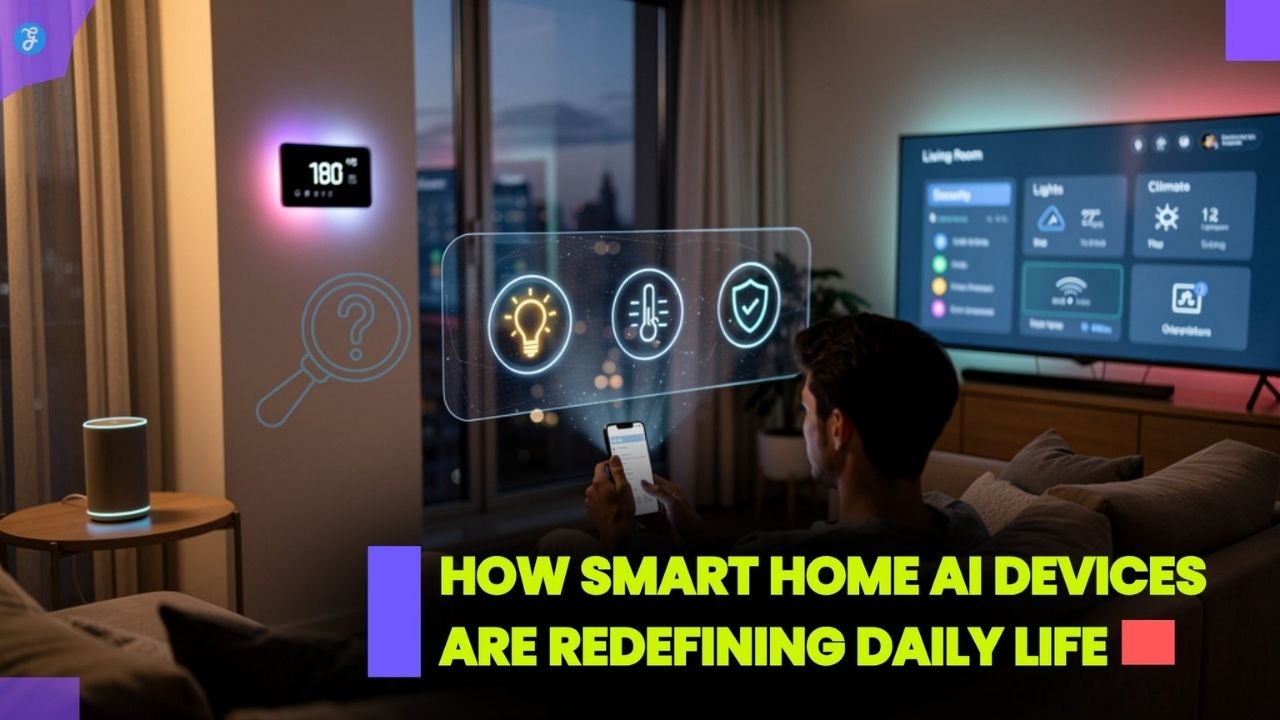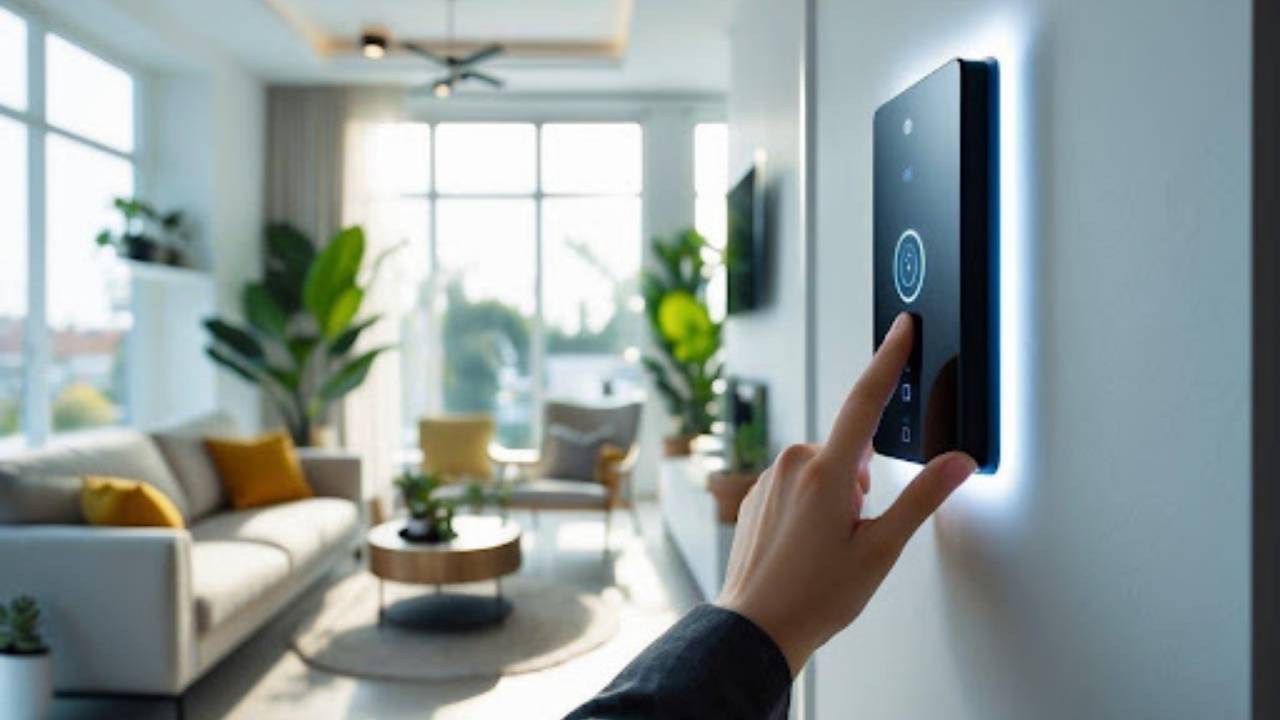
Smart light switches are transforming the way people manage their home lighting. They offer not only convenience but also enhanced control and energy efficiency. By using smart light switches, homeowners can easily turn lights on and off, adjust brightness levels, and create schedules, all from their smartphones or through voice commands. This makes daily routines smoother and often leads to savings on energy costs.
Many modern smart switches integrate seamlessly with existing smart home systems, allowing users to automate their lighting to fit their lifestyles. With the ability to monitor energy usage and set timers, these switches help reduce waste, making homes more eco-friendly. Plus, they add an extra layer of security by allowing lights to operate on a schedule when no one is home.
Whether upgrading from traditional switches or starting fresh, smart light switches provide a straightforward way to modernize any living space. They simplify lighting management and enhance personal comfort while enabling homeowners to take full control of their energy consumption.
What Are Smart Light Switches?
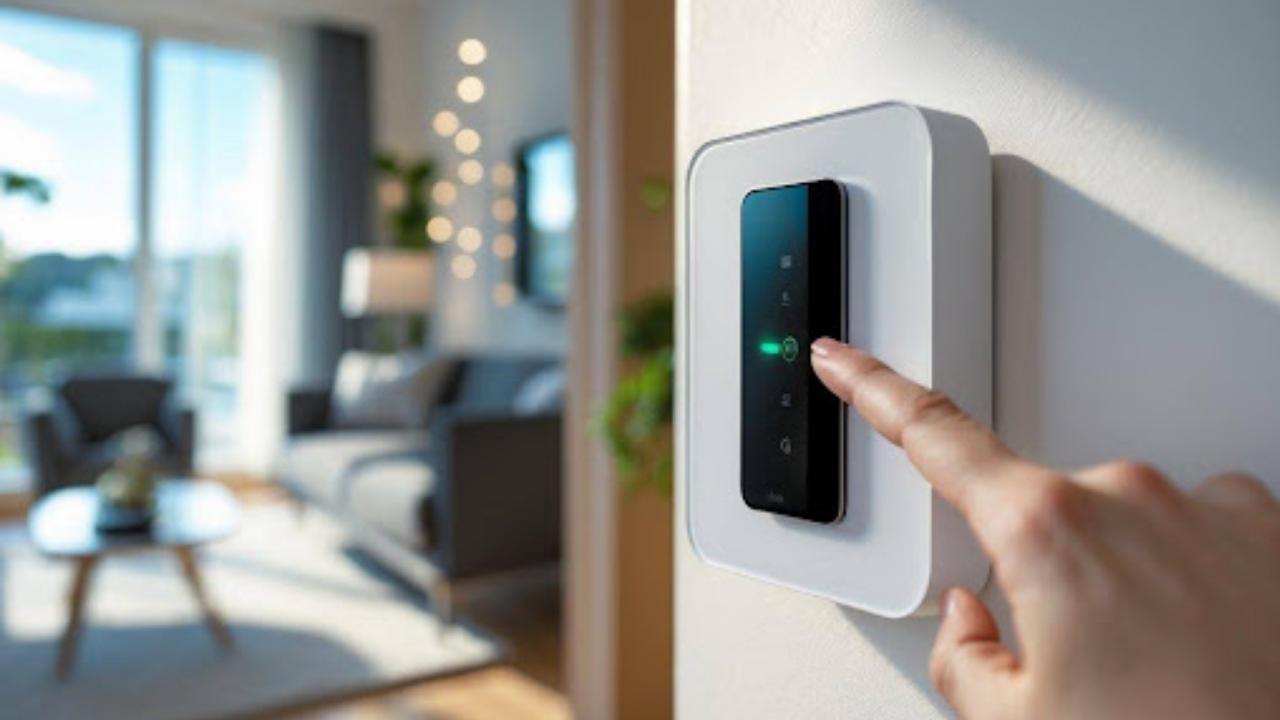
Smart light switches are advanced home devices that control lighting and can enhance overall home automation. They replace traditional wall switches and allow users to regulate lights and ceiling fixtures through apps, voice commands, or automated routines.
Smart Light Switches Versus Traditional Switches
Smart light switches differ greatly from traditional switches in functionality. A traditional switch simply turns lights on or off. In contrast, smart switches offer features such as remote control, scheduling, and energy monitoring.
Traditional switches do not integrate with smart home systems, while smart switches can connect to hubs or bridges using technologies like Wi-Fi or Zigbee. Users can control multiple lights at once with a single smart switch, streamlining lighting for multi-bulb fixtures. Additionally, many smart switches keep manual control options available, unlike smart bulbs that may lose power when turned off at the switch.
How Smart Switches Work
Smart switches operate by connecting to the home’s Wi-Fi network or through a smart hub. This allows the switch to communicate with other smart devices, making it easy to control lights remotely via smartphones or voice assistants like Alexa or Google Assistant. Each switch replaces a standard rocker switch and is installed in the wall, maintaining the look of traditional controls.
To function, many smart switches require a neutral wire to complete the circuit, enabling them to draw standby power. This feature is crucial for maintaining smart functionality even when the switch is turned off. Some models have been designed to work without a neutral wire, making them suitable for older homes.
Types of Smart Switches
There are several types of smart light switches available, each catering to different needs. Here are a few common types:
- Wi-Fi Smart Switches: These are easy to set up and connect directly to the home’s Wi-Fi. They often do not require a hub, making them a convenient option.
- Zigbee Smart Switches: These require a compatible hub but offer greater reliability, especially in larger homes. Zigbee devices communicate more efficiently with each other, allowing improved functionality in smart home setups.
- Dimmer Switches: These allow users to adjust the brightness of lights, providing more control over the atmosphere in a room. Dimmer switches can also help save energy by reducing light levels when full brightness is not necessary.
Each type has unique features that can enhance both comfort and convenience in home lighting solutions.
Key Benefits of Smart Light Switches
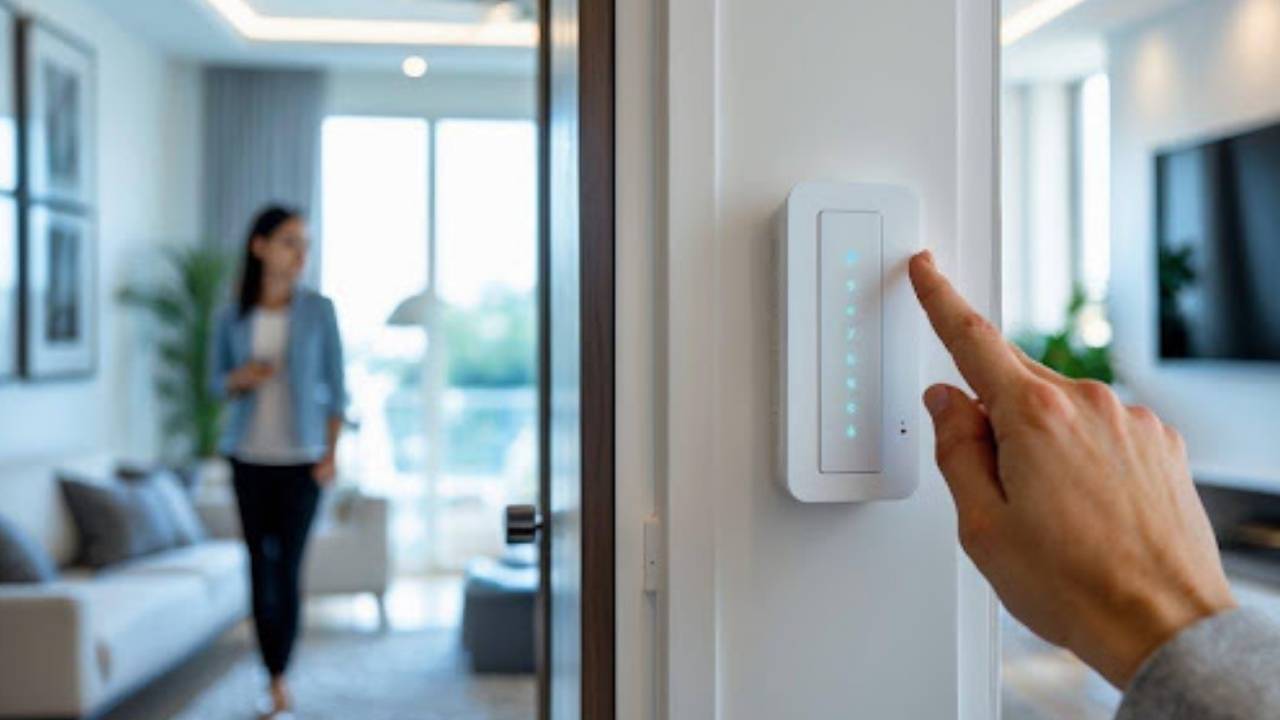
Smart light switches offer significant advantages for modern living. They enhance convenience through remote access, provide seamless integration with smart home systems, and enable users to control their lighting with ease. The following sections explore the key benefits of these innovative devices in more detail.
Remote and App Control
Smart light switches allow users to control their lighting from anywhere using smartphone apps. This feature is especially useful for individuals with busy lifestyles or those who want to ensure their homes are well-lit when they arrive. With apps available for both Android and iOS, users can manage multiple switches from a single interface.
Some popular options include TP-Link Kasa Smart and Lutron Caseta, which offer user-friendly features. Users can monitor their energy usage and check if lights are on or off while away from home. This remote access not only provides comfort but also helps in energy savings by allowing users to turn off lights that may have been accidentally left on.
Convenience and Accessibility
One of the most compelling benefits of smart light switches is their overall convenience. They simplify everyday tasks, such as scheduling lights to turn on or off automatically. This feature creates a welcoming environment for residents returning home after dark.
Smart switches can also be particularly beneficial for people with mobility challenges. Instead of having to reach for a traditional light switch, users can operate their lights with just a few taps on their devices. Many smart switches even have customizable settings, allowing users to create different lighting scenes, such as soft lighting for movie nights or bright lights for tasks.
Voice Commands and Voice Assistants
Smart light switches generally support popular voice assistants like Amazon Alexa, Google Assistant, and Apple HomeKit. This integration allows for hands-free control of lighting using simple voice commands. For example, a user can say, “Alexa, turn on the kitchen lights,” and the switch will respond immediately.
This feature is especially useful for busy individuals cooking in the kitchen or carrying items. Voice control enhances accessibility and provides a seamless way to manage the home environment. By combining voice commands with smart light technology, residents can create a more responsive and user-friendly living space, making everyday life much easier.
Home Automation and Integration
Smart light switches are vital components of home automation systems, allowing for flexible control and integration with various smart home platforms. They not only enhance convenience but also facilitate energy savings and improved security for the homeowner.
Smart Home Platform Compatibility
Smart light switches like those from TP-Link, Lutron, and Philips Hue can connect with popular smart home platforms, including Google Home and Amazon Alexa. This compatibility allows for centralized control, enabling users to manage their lighting alongside other smart devices.
For instance, a homeowner can say, “Hey Google, turn on the living room lights,” and the command will activate connected smart switches. Many smart switches also work with dedicated apps, providing additional control options like adjusting dimness or creating schedules. This integration simplifies the user experience and allows for a cohesive smart home environment.
Automation Routines and Scheduling
Homeowners can set up automation routines using smart light switches to tailor their lighting to daily activities. For example, lights can be programmed to turn on at sunset or to dim during movie nights. Such routines enhance comfort and convenience by automating tasks that would otherwise require manual adjustment.
Many smart switches include scheduling features that allow users to create specific times for lights to activate or deactivate. This is particularly useful for energy savings, as it prevents lights from being left on unnecessarily. Furthermore, smart switches can often be paired with motion sensors, causing lights to turn on automatically when someone enters a room, enhancing both safety and energy efficiency.
Energy Efficiency and Cost Savings
Smart light switches offer significant energy efficiency and cost savings, making them a beneficial addition to any home. They optimize energy use and allow homeowners to gain better control over their lighting scenarios, reducing waste and electricity bills.
Energy Monitoring and Reporting
Many smart light switches come equipped with energy monitoring features. These tools track energy consumption, allowing users to see how much electricity their lights use over time.
Users can often view this information through a smartphone app. This insight enables homeowners to make informed decisions about their lighting habits. For example, if a particular light is using more energy than expected, they can adjust usage or switch to more efficient LED bulbs. Additionally, some systems allow for real-time tracking, providing immediate feedback on energy changes when switching lights on or off.
Dimming Capability and Lighting Scenarios
Dimming capability is one of the standout features of smart light switches. With dimmer functions, users can lower the brightness of their lights, which both enhances ambiance and contributes to energy savings. For instance, adjusting the lighting to a lower setting for evening activities can lead to significant reductions in energy use.
Moreover, smart dimmer switches allow for custom lighting scenarios. They can adjust color temperatures based on the time of day, creating warmer lights in the evening to promote relaxation. This flexibility means that less energy is wasted on bright lighting when softer light is more appropriate.
Reducing Energy Waste and Bills
Smart light switches significantly reduce energy waste by enabling automation and controlling when lights are on or off. Homeowners can set schedules to automatically turn off lights during the day or when rooms are unoccupied. This prevents unnecessary usage.
In addition, combining smart switches with LED smart bulbs enhances efficiency. LED bulbs already consume up to 75% less energy than traditional incandescent bulbs. Using them with smart switches allows synchronization between devices, maximizing energy savings. The result is a reduction in electricity bills and a more eco-friendly home environment, aligning with modern safety standards for energy efficiency.
Choosing and Installing the Right Smart Switch
Selecting and installing the right smart light switch is crucial for maximizing its benefits and ensuring compatibility with home systems. This section will explore brand and model considerations, installation requirements, and essential safety and compatibility tips.
Brand and Model Considerations
When choosing a smart light switch, reputability of the brand and specific model features are vital. Popular brands include Lutron Caseta, Leviton, and TP-Link Kasa Smart. Each brand has unique offerings.
For instance, Lutron Caseta Wireless provides robust features like dimming capabilities and easy integration with various smart home systems. Leviton Decora Smart switches also offer flexibility with customizable options. Users should look for models that support their existing smart technology, such as Phillips Hue Dimmer if they have smart bulbs.
It is beneficial to read reviews and compare features, focusing on ease of use, compatibility with existing wiring, and smart home integration.
Installation Requirements
Installing a smart light switch typically requires basic tools and some electrical knowledge. Essential tools include a screwdriver, wire connectors, and a voltage tester. Most smart switches require a neutral wire for proper operation, which is crucial for models from brands like Lutron and Leviton.
The installation process involves turning off power at the circuit breaker before removing the existing switch. New switches usually connect to similar wires: match the black, white, and green or bare wires correctly. Following the manufacturer’s instructions is essential for a seamless setup, as steps may vary.
Some smart dimmer switches also have additional configuration steps through an app. Therefore, users should ensure they are comfortable with technology or seek professional help if necessary.
Safety and Compatibility Tips
Safety should be a priority during installation. Always confirm that power is off using a voltage tester. If unsure about handling electrical components, consulting a licensed electrician is a wise choice.
Compatibility with existing smart systems is vital. Before purchasing, users should ensure the chosen smart switch works with their smart home ecosystem, like Amazon Alexa or Google Assistant. Not all smart switches will work seamlessly with every setup, so verifying compatibility can save future headaches.
It’s also important to consider the physical size and shape of the new switch, to ensure it fits your current switch box. Lastly, be mindful of local electrical codes, which may affect installation and safety requirements.
Smart Switches vs. Smart Bulbs: Which Is Best?
When considering smart lighting for a home, it is important to evaluate the strengths and weaknesses of smart switches and smart bulbs. Each option serves different purposes and can greatly influence the overall lighting experience.
Use Cases and Limitations
Smart switches are ideal for areas where many lights are used together, such as living rooms or kitchens. They allow for control of multiple bulbs at once, making it easy to manage entire lighting zones. The Lutron Caseta Wireless Smart Switch is a popular choice. This switch does not require a neutral wire, allowing for simpler installation in older homes.
In contrast, smart bulbs, like Philips Hue, offer advantages in color control and individual settings. They provide vibrant colors and allow for various atmospheres, perfect for accent lighting or specific moods. However, they do have limitations. Smart bulbs can be more expensive on a per-bulb basis and may lose functionality if power is cut at the switch.
Combining Smart Bulbs and Smart Switches
Using smart bulbs alongside smart switches can create a versatile lighting system. Many homeowners might choose to install smart switches for their main fixtures, while using smart bulbs in lamps or sconces. This combination maximizes control and functionality. Smart switches can maintain control during Wi-Fi outages, while smart bulbs add customizable features.
When using both, it is important to set smart bulbs to full brightness if paired with a smart switch to avoid any conflicts in operation. This approach not only enhances convenience but also provides a balanced lighting solution that benefits both renters and homeowners alike; compatible smart bulbs and switches are available from Gabby Electric.