Saving energy at home can feel tricky. Electricity bills pile up, water gets wasted, and gadgets drain power even when off. This all adds to a larger carbon footprint, impacting our planet.
Smart Gadgets For An Eco-Friendly Home can help change that. Tech like smart thermostats or lighting systems saves energy fast. They cut waste without making life harder for you.
This blog will show seven tools to make your home greener and smarter. Want lower bills and less waste? Keep reading!
Key Takeaways
- Smart thermostats like Nest or Ecobee4 save 12%-15% on heating and cooling energy. They adjust automatically and can be controlled by apps or voice.
- LED smart bulbs, such as Philips Hue, use six times less energy than regular ones and last up to 25,000 hours. Lighting makes up 10% of home power use in the U.S.
- Leak detection sensors help save over 9,400 gallons of wasted water yearly in typical homes. They send alerts through apps for quick fixes.
- Smart irrigation systems like Rachio cut outdoor water waste by one-third using weather-based adjustments. This keeps gardens green while saving water.
- Intelligent energy monitors track real-time electricity use, show top-consuming devices, and help reduce carbon footprints with tools like Anker SOLIX X1 batteries for solar storage.
1. Smart Thermostats for Energy Efficiency
Heating and cooling use almost half the energy in U.S. homes. Smart thermostats like Nest Learning Thermostat or Ecobee4 can cut this by 12%-15%. They adjust based on schedules, track energy usage, and even sense room temperature changes.
Control these smart devices with your smartphone or a voice assistant like Alexa. This helps save energy and lowers bills without extra effort from you. These gadgets make it easy to live greener while staying comfy at home.
2. LED Lighting Systems for Sustainable Illumination

Switching to LED lighting slashes energy consumption. These bulbs use six times less energy than traditional ones and last up to 25,000 hours. Lighting makes up about 10% of home electricity use in the U.S., so smart bulbs can help cut your carbon footprint.
Philips Hue offers wireless options with motion detection. LIFX provides color-changing bulbs that work with many smart systems like Google Nest or Alexa Voice Service. Nanoleaf lights mimic sunlight and even take voice commands for easy control.
Smart lighting saves energy, reduces CO2 emissions, and fits into any green lifestyle!
3. Smart Power Strips to Reduce Standby Energy Usage
LED lights save energy, but idle gadgets still waste power. Many devices draw electricity even when off. This is called “vampire power.” Smart power strips stop this.
Pinio Smart Power Strips let you control each outlet by phone or voice. The Smart Strip Power Strip stops standby energy loss and protects against surges. Use smart plugs to cut idle current easily.
These small changes lower bills and help the planet!
4. Automated Blinds for Natural Light Optimization
Smart power strips cut waste; automated blinds take it further. These blinds adjust sunlight in real time, keeping rooms cooler or warmer as needed. This cuts down air conditioning or heating use, saving energy and money.
Most U.S. homes spend $2,000 yearly on energy. Using automated blinds lowers costs by limiting artificial light and optimizing room temperatures naturally. Pair them with smart lighting for even greater savings and reduced carbon footprints.
5. Smart Irrigation Systems for Water Conservation
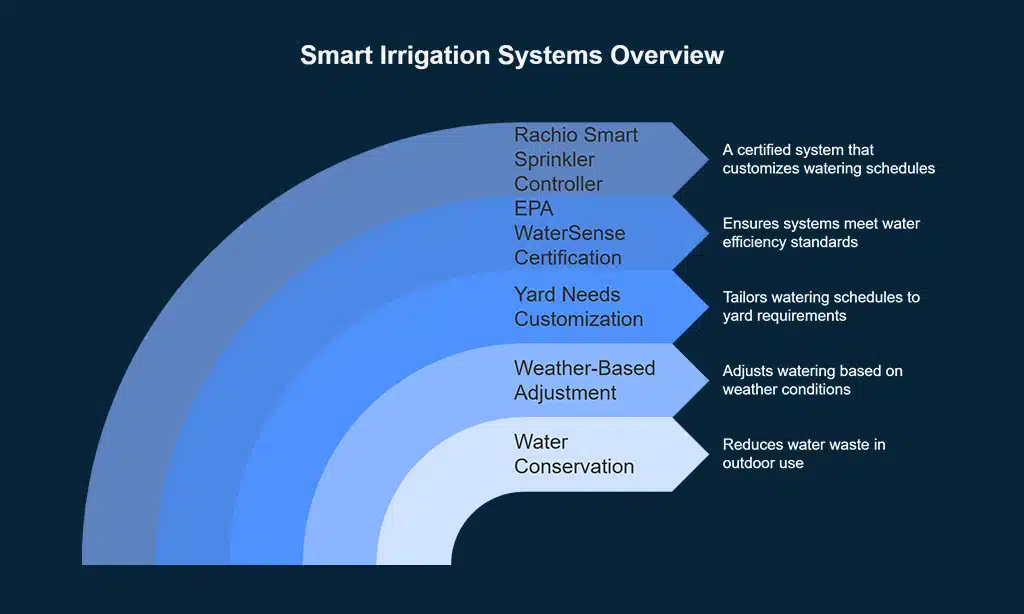
Outdoor water use wastes up to 50% of water, says the EPA. Smart irrigation systems help fix this problem and save water. These systems adjust watering based on weather and yard needs.
They also reduce water waste in gardens and lawns.
The Rachio Smart Sprinkler Controller is a great example. It’s EPA WaterSense-certified and customizes schedules for plants, soil, or climate. Blossom Smart Watering Controller uses cloud data to manage zones up to 12 areas efficiently.
A system like this cuts your household’s water usage by one-third while keeping landscapes healthy.
6. Leak Detection Sensors to Prevent Water Waste
Leaks waste water fast. A typical U.S. home loses about 180 gallons weekly—over 9,400 gallons each year! Leak detection sensors help catch problems early. These smart home devices alert you if they find a leak under sinks, near hot water heaters, or even around washing machines.
Installing one could save money and conserve water. Some models link to smart home technology like Amazon Echo or iPhone apps. They send instant warnings so homeowners can act quickly.
This small gadget prevents costly damage while cutting down environmental impact with ease.
7. Intelligent Energy Monitoring Systems for Real-Time Insights
Water saved is power gained. Intelligent energy monitoring systems make conserving energy just as smart. Devices like the Neurio Energy Monitor track electricity use in real-time, helping homes cut waste and boost energy savings.
They even keep tabs on specific appliances, showing what guzzles most power.
Some monitors go a step further. Predictive maintenance alerts warn about underperforming devices before they fail. This saves energy and reduces e-waste in your home automation setup.
Pair these systems with a home battery storage solution, like the Anker SOLIX X1, to store solar power for later use—turning green technology into easy climate goals at home!
Takeaways
Living green doesn’t have to be hard. Smart home gadgets make it easy and fun. These tools save energy, water, and money while helping the planet. Small changes add up big over time.
Start today for a smarter, kinder home!
FAQs on Smart Gadgets for an Eco-friendly Home
1. What are some smart gadgets for an eco-friendly home?
Smart thermostats, smart plugs, and energy-efficient lighting are great options. Smart appliances like refrigerators or robot vacuums can also help reduce energy use.
2. How do smart devices help with sustainable living?
Smart devices conserve energy by improving efficiency. For example, a smart irrigation system saves water, while a thermostat reduces heating and cooling costs.
3. Can using smart home technology lower my carbon footprint?
Yes! Devices like energy-saving light bulbs and Energy Star-rated appliances cut down on fossil fuel use and carbon dioxide emissions.
4. What is the role of IoT in green living?
IoT technology connects your devices to work smarter together. This helps you track energy consumption and make eco-friendly choices at home.
5. Are there any fun yet practical gadgets for saving power?
Absolutely! Voice assistants like Amazon Echo Spot or Nest Audio let you control lights or adjust thermostats hands-free while cutting back on electricity use.
6. How can I save money with these innovations?
By reducing waste through tools like smart lighting or low-energy systems, you’ll see big savings on utility bills over time—plus you’re helping the planet too!