Imagine living in a bustling city where traffic jams choke your daily commute, dirty air makes you cough, and floods surprise you out of nowhere. It’s a tough spot, right? Many folks in Brazil face these urban headaches every day, from clogged streets to wasted resources.
They hunt for smarter ways to fix these messes, like using tech to boost urban planning and cut down on energy consumption.
Brazil leads the pack in turning cities into smart hubs with the internet of things, or IoT, focusing on things like water resources and air quality. This blog examines 10 Smart City Projects In Brazil Using IoT, showing how they tackle public safety, sustainable development, and even traffic flow with cool tools like sensors and networks.
You’ll see real wins in places like São Paulo and Rio de Janeiro, sparking ideas for better quality of life.
Ready to explore these game-changers?
Key Takeaways
- Pindamonhangaba installed 35 IoT sensors for flood monitoring. They saved over R$1 million in disaster costs. The initial investment was R$100,000.
- In February 2022, a mudslide in Petrópolis killed at least 34 people. IoT sensors now help with early warnings in places like Pindamonhangaba and Petrópolis.
- Curitiba uses Exati’s IoT system for smart waste collection. It tracks bins in real time and cuts fuel use. Exati operates in 200 cities.
- São Paulo launched 21 IoT projects in 2016 under FAPESP PIPE. They focus on safety with cameras and sensors to spot crime fast.
- Rio de Janeiro’s IoT traffic solutions cut freight costs by up to 25% with real-time monitoring. They save another 20% through smart routes.
Smart Water Management in Pindamonhangaba
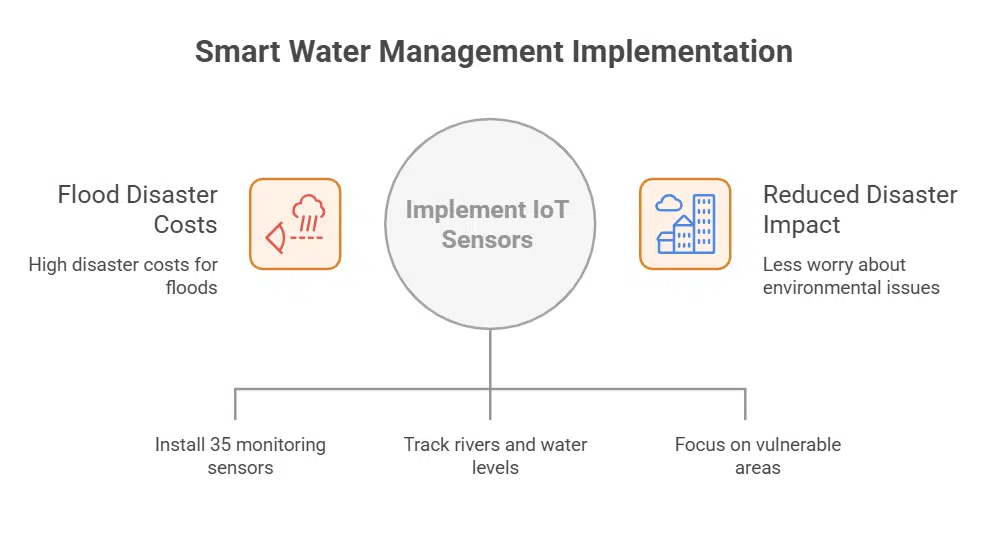
Pindamonhangaba leads in smart water management, folks. They installed 35 sensors for flood monitoring. These IoT devices track rivers and water levels in real time. Think of them as watchful eyes, spotting trouble before it floods the streets.
This setup saved the city over R$1 million in disaster costs already. The initial investment hit around R$100,000, a smart bet on urban innovation. It boosts public safety and cuts down on hydrological risks, like a safety net for rainy days.
City leaders plan to double that investment within a year. They focus on vulnerable areas to expand the system. This push enhances water quality and conservation efforts. IoT sensors provide data for predictive analysis, helping prevent downtime from floods.
Residents enjoy better quality of life, with less worry about emissions or environmental preservation slipping away. It’s like giving the city a crystal ball for water woes, turning potential chaos into calm planning.
Flood Monitoring Systems with IoT Sensors
Brazil faces tough floods, and IoT sensors step in like silent guardians. These tiny devices track water levels in real time, sending alerts before disaster strikes. Envision a city on the edge, but sensors act as watchful eyes, spotting rising rivers early.
In the state of Paraná, teams use sensor technology for landslide detection. They link it with national systems for better disaster monitoring. This setup saves lives by giving quick warnings.
iNeeds created the Cidade Viva software. Cities like Pindamonhangaba and Petrópolis rely on it for early warning systems. It integrates internet of things (IoT) to boost public safety and urban innovation.
Folks in these spots feel safer, knowing tech watches over them. Imagine dodging a flood, all thanks to smart infrastructure.
Tragedy hit hard in February 2022. A mudslide in Petrópolis caused massive flooding. It claimed at least 34 lives, leaving families heartbroken. Events like this push for smarter solutions in sustainable cities.
IoT sensors help with that, turning data into action for public policy. They monitor rainfall and soil, feeding info to apps that guide evacuations. In Paraná, this tech aids fleet management during crises, moving people fast.
It cuts congestion and supports economic development by protecting jobs. Think of it as a safety net, woven from wires and code, catching problems before they grow. Urban planning gets a lift, making streets safer for everyone.
These systems foster quality of life, even in rainy seasons.
Smart Waste Collection in Curitiba
Curitiba leads the pack in smart waste collection, folks. Exati, a local company right here in this vibrant city, pushes urban innovation with IoT tools. They built a system that tracks bins in real time.
Sensors alert trucks when bins fill up, cutting down trips and fuel use. This slashes costs and boosts sustainable practices. Imagine bins chatting with trucks, like old friends swapping stories.
It keeps streets clean and helps public health by curbing overflow messes. Curitiba’s approach sparks job creation too, as tech roles pop up.
IoT sensors make waste pickup a breeze in this sustainable city. Trucks zip through peak hours with optimized routes, easing urban mobility. Exati’s tech, already lighting streets in 200 cities, ties into these waste efforts.
Picture a city where garbage vans dodge traffic like pros in a game. Residents enjoy better quality of life, with less stink and more green space. Innovations like this drive economic growth and cut water consumption from cleaning.
Curitiba sets the bar for smart infrastructure across Brazil.
Energy Efficiency with Smart Grids in Búzios
Búzios leads as a pioneer in smart cities with its smart grids. These systems use internet of things (IoT) to boost energy efficiency. Imagine flipping a switch, and the grid knows just how much power you need, no waste at all.
IoT applications enhance urban quality of life by cutting down on lost energy. In this coastal spot, smart infrastructure tracks power use in real time. That means less blackouts and more savings for folks.
Smart grids contribute to big improvements in energy use here. They tie into urban development, making the economy stronger too.
Picture a town where lights dim when no one’s around, thanks to IoT sensors. Búzios does that, saving on street lighting costs. This setup helps with sustainable transport too, like charging electric vehicles smarter.
Folks see better income distribution from these savings. IoT forges ahead in public policy, pushing for quality education on green tech. Hey, it’s like giving the city a brain that thinks ahead, preventing maintenance woes before they hit.
Urban innovation shines in Búzios, lifting human capital and curbing unemployment.
IoT-Based Public Safety Systems in São Paulo
São Paulo leads in smart cities with IoT for public safety. Consider this, folks, like a watchful guardian angel over the streets. IoT applications spot crime with street cameras, catching crooks in the act.
These tools boost urban innovation and keep folks safe. Startups in the city pushed forward in 2016. They sent in 21 IoT projects under the FAPESP PIPE program. Focus areas hit health, vehicle tracking, and energy management, but safety ties in tight.
Imagine cameras linking to smart infrastructure, alerting cops fast. This setup cuts response times, like a quick draw in the wild west. Residents feel the difference in quality of life.
Public policy backs these moves, blending tech with street smarts. IoT sensors watch for trouble, feeding data to control centers. Urban planning gets a lift from such systems, making São Paulo a smartest city contender.
Crime detection shines with these IoT setups. Street cameras scan crowds, spotting odd moves right away. Startups from 2016 keep the ball rolling, mixing vehicle tracking into safety nets.
Think of it as a spider web of sensors across the city. They link to public transport hubs, easing urban mobility fears. Energy management from those projects saves power for night watches.
Health focus helps in emergencies, tracking vital signs on the go. Tourists notice the calm vibe, boosting tourism. Access to information flows free, with apps sharing safety tips.
Preventive maintenance keeps cameras sharp, no downtime allowed. Entrepreneurship thrives here, sparking new IoT ideas for infrastructures. Street lights pair with cameras for better views, lighting up dark spots.
Public transportation riders gain peace of mind, knowing eyes watch over them.
Traffic Optimization Solutions in Rio de Janeiro
Rio de Janeiro tackles its busy streets with clever IoT tricks, like a wizard waving a magic wand over traffic jams. Sensors on traffic lights talk to each other in real time, making cars flow smoother than a samba dance.
These internet of things (IoT) tools boost urban mobility big time, cutting down wait times at red lights. City planners use data from these gadgets to tweak routes on the fly, dodging bottlenecks like a pro surfer rides waves.
In freight transport, IoT applications slash costs by up to 25% through real-time monitoring and another 20% from smart route tweaks. That means trucks zip through Rio faster, saving money and headaches for everyone.
Now, imagine public policy folks in Rio teaming up with tech whizzes to build smart infrastructure that feels alive. They fit streetlights with IoT sensors too, syncing them with traffic lights for safer nights.
This urban innovation lifts quality of life, giving folks more time for beach strolls instead of gridlock gripes. Alternative transportation gets a nod here, with IoT nudging buses and bikes into smarter paths.
Brazil’s smart city push in Rio shows how IoT can turn chaos into calm, one optimized signal at a time.
Remote Healthcare Monitoring in Recife
Recife pushes smart city ideas with IoT for better health care. Folks there use remote monitoring solutions to track patients from afar. This boosts quality of life in tough urban spots.
A doctor can check your heart rate without you leaving home, like having a guardian angel in your pocket. Hi Technologies, from Curitiba, helps with tools like Hilab. That device processes blood samples in under 20 minutes.
It fits right into Recife’s public policy for smart infrastructure.
IoT sensors send data fast, cutting wait times for results. Patients feel safer, and doctors act quicker. This urban innovation fights health issues in crowded areas. It serves as a bridge between tech and everyday needs, making life smoother.
Such systems tie into urban planning, even linking to drinking water checks for general wellness. Recife shows how internet of things sparks real change.
Air Quality Monitoring with IoT in Belo Horizonte
Belo Horizonte leads in smart city efforts with IoT for air quality checks. City leaders placed mobile sensors across streets and parks. These tools track pollution levels in real time.
Imagine breathing easier, like a fresh breeze after a storm. IoT applications focus on environmental monitoring, such as air quality. This boosts quality of life for folks in busy urban spots.
Sensors spot bad air fast. Teams act quick to clean it up. Mobile sensors could cut pollution control costs by 90%. That’s a big win for public policy and smart infrastructure. Urban planning gets a lift too.
Residents feel the change every day. One local said, “It’s like the city finally woke up to our lungs.” Urban innovation shines here, making Belo Horizonte a model for smart cities.
IoT sensors gather data on dust, smoke, and gases around the clock. They link to apps that alert people about risky zones. Think of it as a watchdog sniffing out trouble before it bites.
This setup ties into urban mobility, helping drivers avoid polluted paths. Smart infrastructure like this saves money and health woes. Perception of corruption drops when tech shows clear results.
GDP might even rise with healthier workers. In Belo Horizonte, these tools map out cleaner routes for bikes and walks. Kids play outside more safely. IoT drives this change, proving internet of things can transform daily life.
City planners use the info to plant trees in hot spots. Everyone wins with fresher air.
Smart Housing Communities by Planet Smart City in Aquiraz

Planet Smart City builds affordable housing in Aquiraz that mixes in smart technologies like a pro. They use IoT sensors to track energy use and water flow right in the homes. Imagine this, folks: families get apps on their phones to control lights and security from anywhere, boosting that quality of life without breaking the bank.
This setup fits right into Brazil’s push for sustainable urban growth, turning regular neighborhoods into smart cities on a budget. Urban planning here focuses on real people, making sure everyone can join the urban innovation wave.
Residents love how these smart infrastructure tricks cut down on waste, like automatic alerts for leaks that save water and cash. IoT plays the hero, connecting everything to make daily life smoother, almost like having a helpful neighbor who never sleeps.
Brazil’s public policy supports these moves, aiming for better urban mobility and a greener future. You see, it’s all about creating spots where folks thrive, not just survive, with tech that feels like second nature.
IoT for Optimized Public Lighting in Fortaleza
Fortaleza lights up its streets with smart city tech, folks. Exati’s street lighting management system runs in 200 cities, and it shines here with Internet of Things (IoT) sensors.
These gadgets track light levels in real time, like a watchful eye on the night sky. City workers adjust bulbs from afar, cutting energy waste big time. Imagine saving cash while keeping sidewalks safe, that’s urban innovation at work.
IoT boosts smart infrastructure, making public policy smarter for everyone. Lights dim when no one’s around, brightening up for busy hours. This setup slashes bills and fights light pollution, a win for the environment too.
People in Fortaleza see the difference every evening. Energy-efficient public lighting solutions from IoT keep the city glowing without guzzling power. Sensors chat with central systems, sharing data like gossip at a coffee shop.
Urban planning gets a boost, turning dark spots into safe zones. No more flickering failures; fixes happen fast. Think of it as giving the city a superpower against blackouts. Smart cities like this inspire urban mobility, with brighter paths for bikes and walks.
Exati’s reach shows how one tool sparks change across Brazil.
Smart Agriculture Initiatives in Campinas
Campinas leads the way in smart agriculture, folks. Agrus Data started this push back in 2015. They deliver IoT services that change farming forever. Sensors gather data on soil and weather.
Farmers use this info to boost crops. Picture a field that talks back to you, whispering secrets about rain or pests. This setup fits right into smart cities, blending urban innovation with green thumbs.
Public policy backs these efforts, making sure tech reaches small farms too. It’s like giving Mother Nature a high-tech helper, and boy, does it pay off in bigger yields.
IoT turns guesswork into smart planning here. Meteorological data flows in real time, guiding water use and planting times. Agrus Data’s tools optimize every step, from seed to harvest.
Urban planning pros see this as key to smart infrastructure, feeding growing cities without waste. Imagine chatting with a farmer who says, “Hey, my app just saved me a ton of water.” Smart city vibes extend to the fields, sparking urban mobility for fresh produce trucks.
These initiatives spark joy for locals, cutting costs and pollution in one fell swoop.
Takeaways
Brazil leads the way in smart cities, folks, with IoT turning urban challenges into wins, like a magician pulling rabbits from hats. Picture bustling streets in Rio or quiet farms in Campinas, all buzzing with sensors that boost urban mobility and cut waste, making life smoother for everyone.
These projects spark urban innovation, from flood alerts to smart lights, and push public policy toward greener, safer spots. You see, it’s like planting seeds for a brighter tomorrow, where tech and people team up for real change.
Let’s cheer for more such leaps in smart infrastructure across the land.
FAQs on Smart City Projects In Brazil Using IoT
1. Hey, what exactly are these 10 smart city projects in Brazil using IoT all about?
Well, picture this, they’re like clever upgrades turning regular towns into smart cities, focusing on urban innovation through sensors that track everything from traffic to trash. These efforts tie right into urban planning, making life smoother for folks on the ground. And yeah, they boost urban mobility by connecting buses and bikes in real time, cutting down those endless waits.
2. How does IoT jazz up urban mobility in Brazil’s smart cities?
IoT devices act like watchful eyes on the streets, easing jams and speeding up commutes. It’s a game-changer for urban planning, helping people zip around without the usual headaches.
3. Got any funny stories about urban innovation in these Brazilian projects?
Oh, imagine a city where lights flip on just as you stroll by, that’s urban innovation at work with IoT in places like Rio. It ties into smart cities by predicting needs before you even think them, like a mind-reading buddy. Plus, it feeds into urban planning, keeping things fresh and folks happy.
4. Why should I care about urban planning in Brazil’s IoT smart city setups?
Urban planning is the backbone here, weaving IoT into daily life for better flow and fewer surprises. It sparks urban innovation, turning chaotic spots into smooth operators that everyone loves.