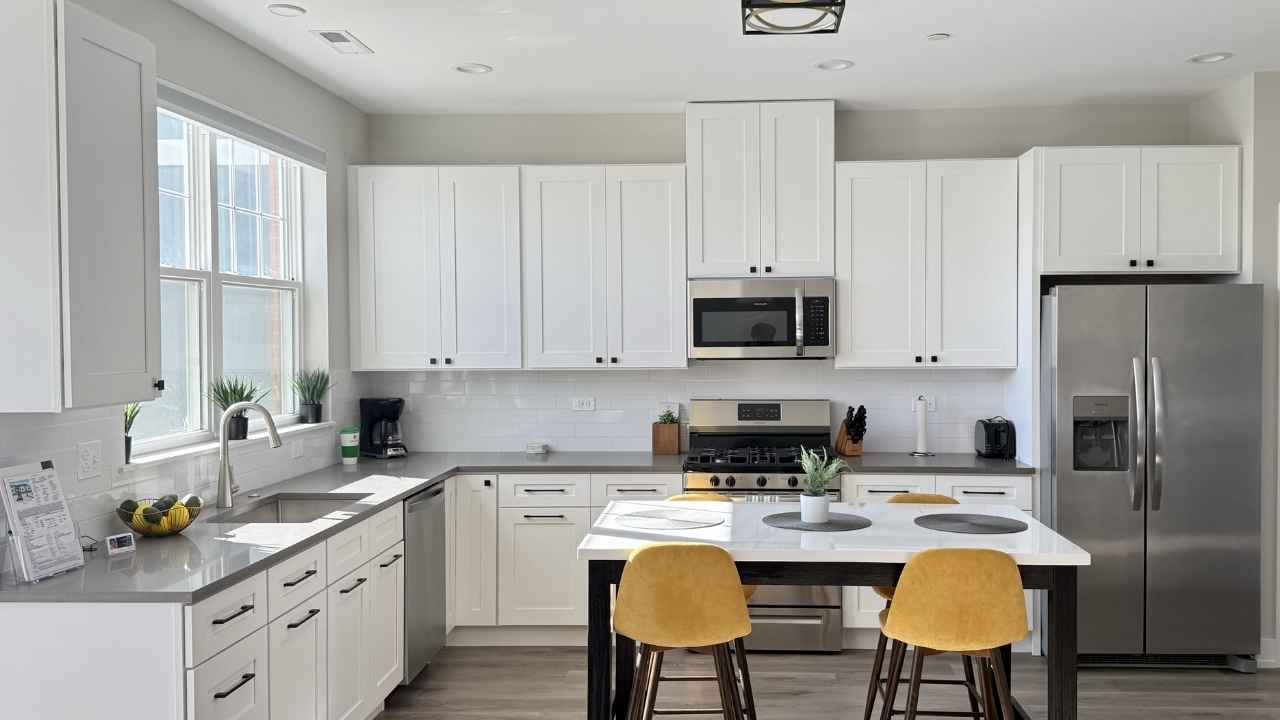
If you talk to anyone who has remodeled a kitchen in the last few years, you’ll hear the same complaint: cabinets are expensive. Not just expensive — sometimes shockingly so.
For many homeowners, cabinetry ends up being the single largest line item in the entire renovation. That reality has pushed more people to look beyond traditional custom builds and explore ready-to-assemble (RTA) cabinets instead.
And the truth is, RTA cabinets aren’t what they used to be.
Years ago, “ready-to-assemble” often meant cheap particle board and questionable durability. Today, many manufacturers use solid wood doors, plywood boxes, and soft-close hardware that feel comparable to much higher-priced options. The difference isn’t necessarily in quality — it’s in how they’re shipped and assembled.
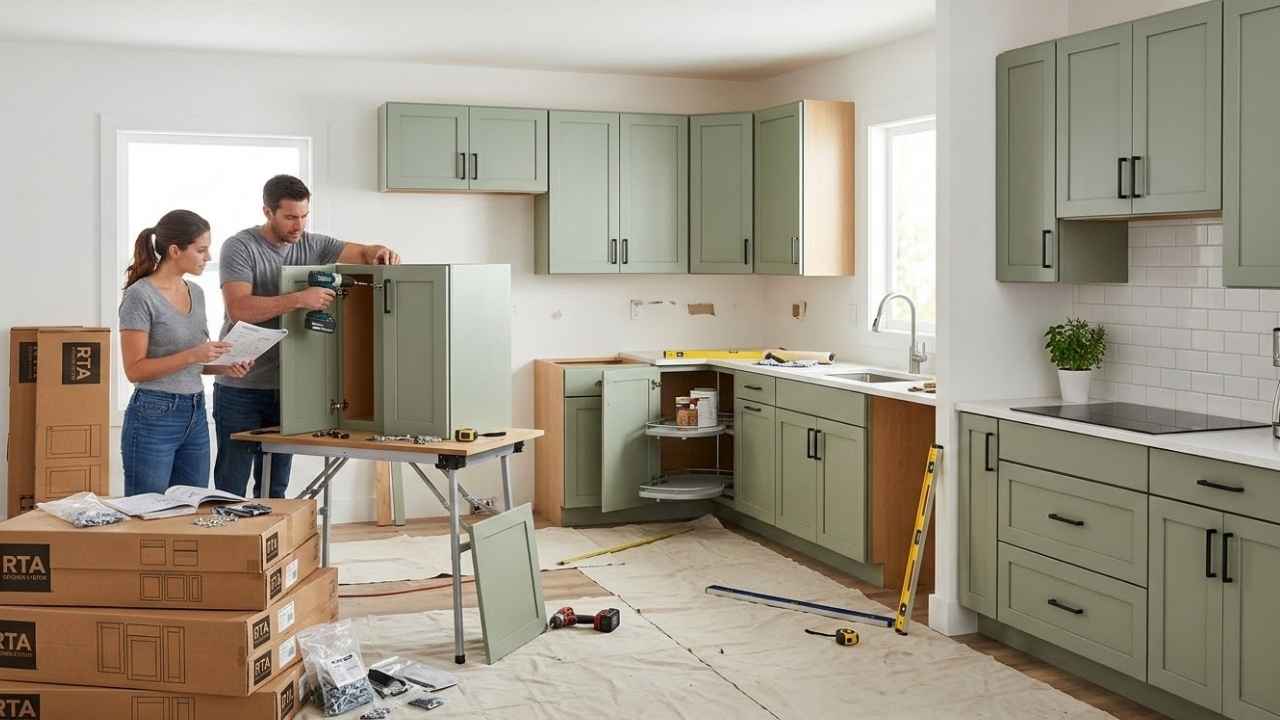
Because RTA cabinets are delivered flat-packed, you’re not paying for factory assembly or oversized freight shipping. That alone can make a noticeable impact on the total project budget. For homeowners trying to stay within a realistic remodeling number, those savings matter.
There’s also the timeline factor.
Custom cabinetry can take months from design approval to delivery. For investors flipping properties or families living through a renovation, that kind of wait isn’t always practical. In contrast, many RTA cabinet styles are stocked and ready to ship. Once they arrive, assembly is straightforward — especially for contractors or experienced DIYers.
That accessibility is part of what’s changed the perception around RTA cabinets. They’re no longer seen purely as a “budget backup plan.” In many projects, they’re a deliberate choice.
Design-wise, most homeowners today aren’t asking for overly ornate details or hyper-custom millwork. Clean lines, shaker profiles, neutral tones — these are the styles dominating current kitchen trends. RTA collections tend to focus on exactly those high-demand looks, which makes the selection process simpler.
For example, brands like Like Cabinets concentrate on durable construction paired with classic, versatile finishes. Instead of overwhelming buyers with endless customization options, they offer carefully curated styles that fit the majority of modern layouts.
Of course, not all RTA cabinets are built equally. Before choosing a supplier, it’s worth paying attention to construction details. Plywood boxes typically hold up better than particle board. Solid wood doors tend to age more gracefully. Soft-close hinges and drawer glides aren’t just a luxury — they’re part of what makes a kitchen feel solid over time.
At the end of the day, most homeowners aren’t chasing “luxury for luxury’s sake.” They want something that looks good, functions well, and doesn’t stretch the budget beyond reason.
That’s where ready-to-assemble cabinets have found their place. They offer a middle ground — practical without feeling cheap, streamlined without feeling stripped down.
For anyone weighing cabinet options during a remodel, it’s worth taking a closer look at how far the RTA category has come. In many cases, the smartest choice isn’t the most expensive one — it’s the one that balances cost, durability, and realistic timelines.