
Every year, the United Nations Educational, Scientific and Cultural Organization (UNESCO) adds new sites to its prestigious World Heritage List. This list recognizes places of outstanding cultural or natural importance. In 2025, UNESCO has once again expanded this list. The new additions showcase Earth’s diverse beauty and rich history. From ancient ruins to natural wonders, these sites now have global protection. Let’s explore the newest World Heritage Sites and why they matter.
What’s the UNESCO World Heritage List?
Before we dive into the new sites, let’s understand what this list is all about. UNESCO, which stands for the United Nations Educational, Scientific and Cultural Organization, started this list in 1972. It’s like a “best of” collection for Earth’s most incredible places.
These sites can be:
- Cultural: Think old buildings, ancient ruins, or places important to human history
- Natural: Like beautiful landscapes or areas with lots of unique plants and animals
- Mixed: Some places are special for both cultural and natural reasons
To get on the list, a place needs to be really, really special – so amazing that it matters to everyone in the world. Countries suggest places, but a group at UNESCO makes the final choice. Once a site is on the list, it gets extra protection and help to stay safe and beautiful.
As of 2025, there are over 1,000 World Heritage Sites around the world. That’s a lot of amazing places! Now, let’s look at the newest additions.
New UNESCO World Heritage Sites 2025
| Site Name | Country | Type | Key Features | Why It’s Special |
|---|---|---|---|---|
| Ancient City of Ur | Iraq | Cultural | Ziggurats, royal tombs | One of world’s earliest cities |
| Dholavira | India | Cultural | Indus Valley city ruins | Advanced urban planning 4,000 years ago |
| Great Spa Towns of Europe | Transnational | Cultural | Historic spa towns | Blend of health and leisure culture |
| Arslantepe Mound | Turkey | Cultural | Ancient palace, early metalwork | Shows transition to complex societies |
| Cordouan Lighthouse | France | Cultural | Oldest working lighthouse in France | Masterpiece of maritime architecture |
| Ivindo National Park | Gabon | Natural | Rainforests, waterfalls | Pristine wilderness, rich biodiversity |
| Colchic Rainforests and Wetlands | Georgia | Natural | Temperate rainforests | Ice Age refuge for unique species |
| Kaeng Krachan Forest Complex | Thailand | Natural | Diverse wildlife, forests | Important habitat for endangered species |
| Getbol, Korean Tidal Flats | South Korea | Natural | Coastal wetlands | Crucial for migratory birds and marine life |
| Amami-Oshima, Tokunoshima, Northern Okinawa, Iriomote Islands | Japan | Natural | Island ecosystems | Unique evolution of plant and animal life |
| Ḥimā Cultural Area | Saudi Arabia | Mixed | Rock art, ancient trade route | 7,000 years of desert adaptation |
New Cultural Heritage Sites: Windows to Our Past
1. Ancient City of Ur (Iraq)
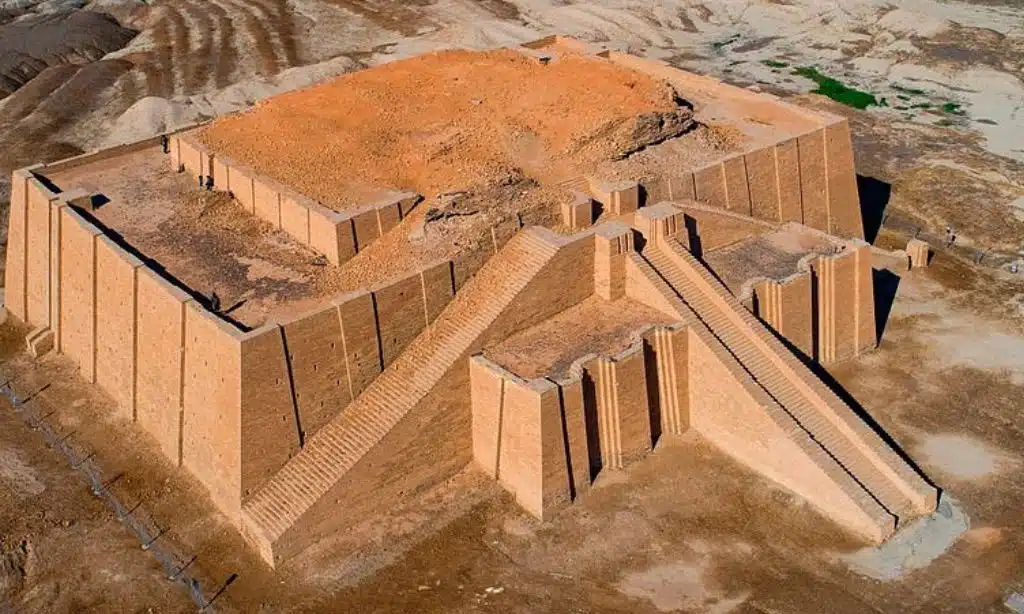
Imagine a city so old that people lived there before the pyramids were built. That’s Ur! This ancient Sumerian city in southern Iraq is about 6,000 years old. Here’s what makes it special:
- Giant stepped temples called ziggurats
- Royal tombs filled with golden treasures
- Well-preserved houses and streets
Ur gives us a peek into one of the world’s first big civilizations. It’s where writing was invented and where people first started living in cities.
2. Dholavira: A Harappan City (India)
Travel back in time to one of the world’s oldest urban cultures – the Indus Valley Civilization. Dholavira, in Gujarat, India, was a major city from about 3000 to 1500 BCE. What’s cool about it?
- Smart city planning with wide streets
- Advanced water systems (they had bathrooms 4,000 years ago!)
- A giant sports arena
Dholavira shows us how clever people were thousands of years ago. They built a well-organized city in a tough, dry environment.
3. The Great Spa Towns of Europe (Transnational)
Imagine a time when people traveled to special towns to “take the waters” for their health. The Great Spa Towns of Europe take us there. This listing includes 11 towns across seven countries:
- Bath, England
- Vichy, France
- Baden-Baden, Germany
- Karlovy Vary, Czech Republic
- And more!
These towns became popular from the 1700s to the early 1900s. They mixed health treatments with fun social activities. People would drink or bathe in mineral-rich waters, then enjoy concerts, balls, and gambling.
4. Arslantepe Mound (Turkey)
Arslantepe is like a layer cake of history. People lived here from at least 6000 BCE to around 300 CE. What makes it special?
- One of the world’s first palaces (from about 3300 BCE)
- Beautiful wall paintings
- Some of the oldest metal swords ever found
Arslantepe shows how people moved from living in small villages to creating complex societies with leaders and palaces.
5. Cordouan Lighthouse (France)
Standing tall where the Gironde River meets the Atlantic Ocean is the Cordouan Lighthouse. It’s not your average lighthouse:
- Built between 1584 and 1611
- Looks more like a fancy castle than a lighthouse
- Has a king’s apartment and a chapel inside
- Still working today!
Cordouan shows how lighthouses became more than just warning lights – they became symbols of scientific and architectural progress.
New Natural Heritage Sites: Earth’s Treasures
6. Ivindo National Park (Gabon)
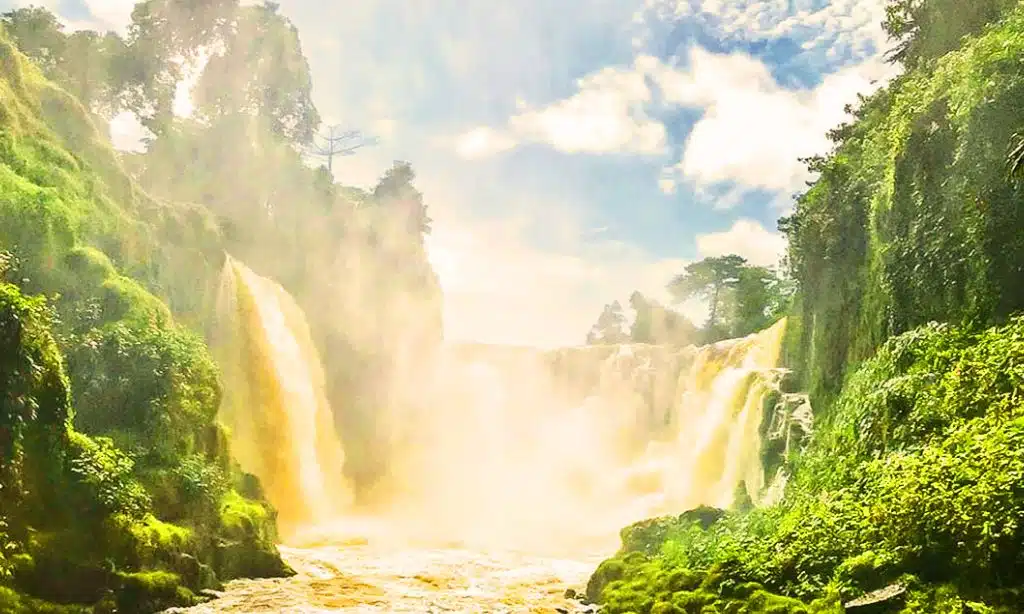
Deep in the heart of Africa, Ivindo National Park is a paradise for nature lovers. It covers an area about half the size of Rhode Island. Here’s what makes it special:
- Thundering waterfalls and rapids
- Dense, untouched rainforests
- Home to forest elephants, gorillas, and pangolins
- Over 430 kinds of birds live here
Ivindo’s listing shows how important it is to protect large, unspoiled natural areas.
7. Colchic Rainforests and Wetlands (Georgia)
Did you know Europe has rainforests? The Colchic region along Georgia’s Black Sea coast is home to temperate rainforests and swampy wetlands. What’s cool about this place?
- These forests survived the Ice Age
- Many plants and animals here are found nowhere else on Earth
- It’s where the myth of the Golden Fleece comes from
The Colchic forests show how some places can be refuges for nature, helping plants and animals survive big climate changes.
8. Kaeng Krachan Forest Complex (Thailand)
Kaeng Krachan is Thailand’s largest national park, part of a huge forest that stretches into Myanmar. It’s a haven for wildlife:
- Home to endangered Asian elephants and tigers
- Misty mountains and lush rainforests
- Over 490 kinds of birds live here
This forest shows how important big, connected natural areas are for protecting animals that need lots of space.
9. Getbol, Korean Tidal Flats (South Korea)
Twice a day, as the tide goes out, vast mudflats appear along South Korea’s coast. These tidal flats, or “getbol,” are super important:
- Stopover points for millions of migrating birds
- Nurseries for fish and shellfish
- Natural barriers against storms and rising seas
The getbol remind us how seemingly simple mudflats can be crucial for both wildlife and people.
10. Amami-Oshima Island, Tokunoshima Island, Northern part of Okinawa Island, and Iriomote Island (Japan)
This group of islands in southern Japan is like a natural laboratory of evolution:
- Home to unique animals like the Amami rabbit and Iriomote cat
- Subtropical rainforests and mangrove swamps
- Coral reefs surround the islands
These islands show how isolation can lead to the evolution of unique plants and animals found nowhere else on Earth.
Mixed Heritage Site: Where Nature and Culture Meet
11. Ḥimā Cultural Area (Saudi Arabia)
Ḥimā is special because it shows how people and nature have interacted in the desert for thousands of years:
- Ancient trade and pilgrimage routes
- Over 34 separate areas with rock art
- Old wells and buildings
- Unique desert plants and animals
Ḥimā tells the story of how humans adapted to and shaped life in one of Earth’s toughest environments over 7,000 years.
Why These New Sites Matter
Adding these places to the World Heritage List is a big deal. Here’s why:
- Protection: Being on the list means these places get extra care and protection. It’s like giving them a shield against damage or destruction.
- Tourism Boost: World Heritage status often brings more visitors. This can help local economies but also means we need to be careful not to love these places too much!
- Research Opportunities: Scientists get excited about studying World Heritage Sites. We can learn a lot about history, nature, and how to protect special places.
- Education: These sites are like giant classrooms. They teach us about our past, the natural world, and how everything is connected.
- Global Awareness: The list helps people around the world learn about amazing places they might never have heard of before.
Challenges and Conservation Efforts
While being on the World Heritage List is great, it doesn’t solve all problems. Many sites face threats:
- Climate Change: Rising seas, stronger storms, and changing weather patterns can damage both natural and cultural sites.
- Too Many Visitors: While tourism can be good, too many people can wear down ancient buildings or disturb wildlife.
- Development: As cities grow, there’s pressure to build near or even on protected sites.
UNESCO works with countries to tackle these issues. Some ways they help:
- Smart Tourism: Creating plans to manage visitor numbers and reduce negative impacts.
- Climate Strategies: Helping sites prepare for and adapt to climate change.
- Local Involvement: Getting nearby communities involved in protecting sites.
- Money Help: The World Heritage Fund provides financial support for conservation.
- Regular Check-ups: UNESCO keeps an eye on sites to make sure they stay in good shape.
Takeaways: A World of Wonders
From ancient cities to untouched forests, the new UNESCO World Heritage Sites for 2025 show us the amazing diversity of our planet. These places tell stories of human creativity, the power of nature, and how people and the environment have shaped each other over thousands of years.
As we face big challenges like climate change and rapid development, protecting these special places becomes even more important. They’re not just beautiful spots or interesting historical sites – they’re keys to understanding our past and guiding our future.
Every new addition to the World Heritage List is a gift to the world. It’s a promise to keep these incredible places safe so that future generations can learn from them, enjoy them, and be inspired by them.
Next time you’re planning a trip, why not check out a World Heritage Site? Whether it’s a famous place like the pyramids of Egypt or a lesser-known gem like the new sites we’ve explored, you’re sure to find something that will amaze you. And remember, when you visit these special places, you’re not just a tourist – you’re a steward of the world’s heritage. Treat them with care, learn their stories, and share their wonders with others.
Our world is full of incredible places. The UNESCO World Heritage List helps us remember just how special our planet is and how important it is to take care of it. So, let’s celebrate these new sites and all the wonders they represent. After all, they belong to all of us – and to all who will come after us.