
Planning a trip to Puerto Rico often feels like navigating a minefield of conflicting information and outdated misconceptions. This United States territory sits in the heart of the Caribbean, rich with Puerto Rican culture that blends Taino heritage, Spanish colonial history, and American influences into something truly special. We’re here to bust the most persistent myths about the Island of Enchantment, from passport requirements to safety concerns, giving you the real scoop on everything from Old San Juan’s cobblestone streets to El Yunque National Forest’s misty peaks. Get ready to discover why Puerto Rico deserves a top spot on your travel list.
Key Takeaways
- U.S. citizens need only valid ID to visit Puerto Rico, not passports, since it’s a U.S. territory.
- Puerto Rico offers mountains, rainforests, and bioluminescent bays beyond its famous beaches and coastal areas.
- Both Spanish and English are official languages, with English widely spoken in tourist areas.
- Hurricane season doesn’t make Puerto Rico unsafe; most storms miss the island completely during these months.
- Weekend trips are too short; visitors need 3-4 days minimum to explore the island’s diverse attractions properly.
Do U. S. travelers need a passport to visit Puerto Rico?
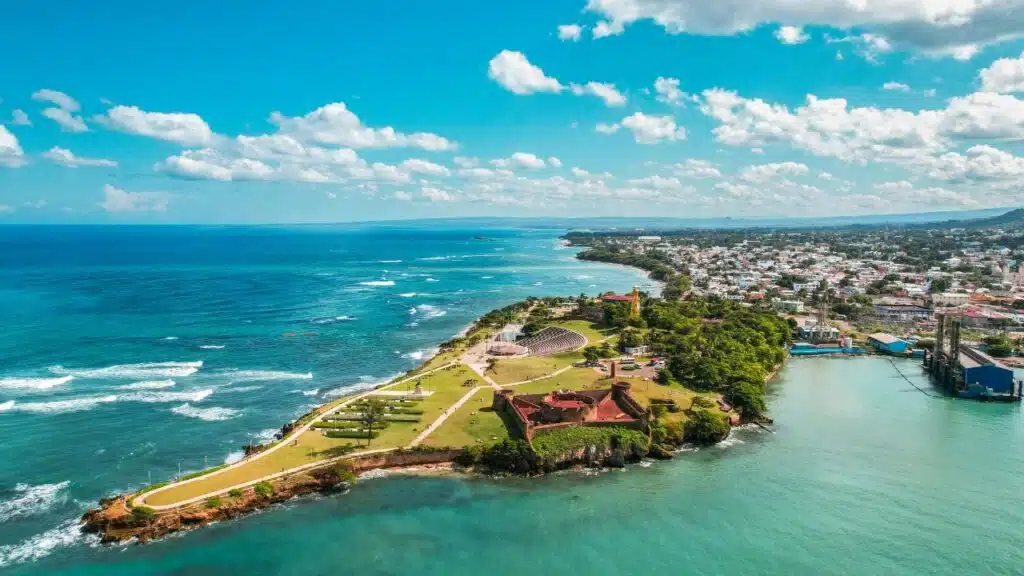
U.S. travelers can pack their bags and skip the passport office. Puerto Rico is a commonwealth of the United States since 1898, which means American citizens need only a valid ID to visit this Caribbean paradise.
Your driver’s license works perfectly fine for boarding flights from major U.S. cities like New York, Boston, Orlando, Philadelphia, Hartford, Dallas, Houston, Baltimore, Washington, and Chicago.
Airlines like Delta, American, United, Southwest, Jet Blue, and Spirit Airlines offer over 1,300 weekly nonstop flights to Puerto Rico from the mainland. Legal residents of the United States also enjoy the same travel benefits, requiring just proper identification.
Visitors holding valid U.S. visas can explore the island without extra paperwork. The U.S. dollar serves as the official currency, domestic call rates apply, and familiar retail chains operate throughout the territory, making your trip feel like traveling within the continental United States.
Is Puerto Rico just a destination of beaches?
Puerto Rico offers far more than sandy shores and crystal-clear waters. El Yunque National Forest stands as the only tropical rainforest in the U.S. National Forest System, creating a lush paradise filled with waterfalls and hiking trails.
The Cordillera Central mountain range cuts through the island’s center, providing scenic drives and cooler temperatures for travelers seeking relief from coastal heat. Three of the world’s five bioluminescent bays call Puerto Rico home, where microscopic organisms light up the water like nature’s own fireworks show.
This United States territory features nearly 300 miles of coastline with almost as many beaches to explore. The landscape shifts dramatically from El Yunque Rainforest in the east to dry forest areas in the southwest.
Old San Juan showcases centuries of history through cobblestone streets and colorful colonial buildings. Plaza Las Américas offers world-class shopping experiences, while the islands of Vieques provide secluded getaways.
Flamenco Beach in Culebra consistently ranks among the top 10 beaches worldwide, but visitors who stop there miss Puerto Rico’s incredible diversity of mountains, forests, and cultural treasures.
Does Puerto Rican cuisine have limited options?
Puerto Rican cuisine offers far more variety than most tourists expect. Many restaurants serve paninis, pastas, mofongo, sandwiches, pizzas, and salads for every taste. Vegetarian diners find plenty of options across the island.
Local chefs create dishes that go way beyond basic tourist food.
Food lovers discover that puerto rico’s culinary scene includes fresh seafood, world-class rum, and local coffee. CASA BACARDI stands as the world’s largest rum factory, producing the famous spirit that pairs perfectly with island dishes.
Traditional specialties mix with modern cooking styles. Restaurants serve everything from street food to fine dining experiences that rival any major city.
Is Puerto Rico unsafe for tourists?
Crime in Puerto Rico mostly stems from passion or drug-related incidents. Car window smashing for valuables happens often, but this occurs in many U.S. cities too. Standard safety rules work well here: store valuables in hotel safes, carry smaller ID cards, and don’t leave items in rental cars.
Puerto Ricans respect visitors who show respect back. Stay cautious at night in isolated areas. Limit cash on hand since credit cards work widely across the island. San Juan and other tourist areas maintain good security.
Old San Juan attracts millions of visitors each year without major safety issues. Apply common sense, and your Puerto Rico trip will be safe and enjoyable.
Does everyone in Puerto Rico speak only Spanish?
This myth gets spread around a lot, but it’s completely wrong. Puerto Rico has two official languages: Spanish and English. Spanish dominates daily conversations, but English gets used widely in tourist areas like Old San Juan and major hotels.
Many Puerto Ricans speak both languages with ease.
Visitors often hear Spanglish, a fun mix of both languages that locals use naturally. Tourist spots, restaurants, and shops in San Juan typically have English-speaking staff ready to help.
Puerto Rican culture embraces both languages, making communication smooth for English speakers. You’ll find signs, menus, and information in both languages throughout the island, especially where tourists gather most.
Does hurricane season make Puerto Rico a bad travel choice?

Hurricane season runs from June to November in Puerto Rico. Many travelers think this means they should avoid the island completely during these months. The truth paints a different picture.
Most hurricanes miss Puerto Rico entirely. The island sits in a spot where many storms pass by without causing major problems.
Puerto Rico’s warm tropical climate continues year-round, with temperatures staying between 70-80°F even during hurricane season. Rain falls more often during these months, but it usually comes in short bursts.
El Yunque National Forest gets over 120 inches of rain each year, making it lush and beautiful. Hotels often offer lower rates during hurricane season. Fewer crowds mean you can enjoy beaches in Puerto Rico and Old San Juan without fighting for space.
Your American phone works perfectly without international plans, so you can track weather updates easily.
Are there cultural and historical sites to explore in Puerto Rico?
Puerto Rico offers amazing cultural and historical sites that tell the story of its rich past. Old San Juan stands as a living museum with colorful colonial buildings and cobblestone streets.
San Juan Cathedral houses the tomb of Juan Ponce de León, the famous Spanish explorer who searched for the fountain of youth. La Capilla del Cristo, built in 1753 on Cristo Street in San Juan, showcases beautiful Spanish colonial architecture.
The sculpture La Rogativa in Old San Juan commemorates an event from 1797 that helped save the city.
Castillo San Cristobal features The Devil’s Sentry Box, a legendary site with mysterious tales. Local art galleries such as El Galpon and Patchouilli feature Puerto Rican artists and their incredible work.
Plaza Las Américas serves as the largest shopping center in the Caribbean, mixing modern culture with local traditions. These historical landmarks connect visitors to the Taino people and Spanish colonial history.
Puerto Rico has its own flag, anthem, and metric system, showing its distinct identity as a United States territory.
Does Puerto Rico offer a variety of landscapes?
Puerto Rico packs incredible landscape variety into its compact island size. El Yunque National Forest creates a lush paradise filled with hiking trails and cascading waterfalls that refresh tired travelers.
The Cordillera Central mountain range stretches across the island’s spine, offering scenic drives through cooler temperatures and breathtaking views. Dry forests cover the southern regions, creating stark contrasts to the tropical rainforests up north.
Beaches in Puerto Rico range from the pristine white sands of Flamenco Beach to hidden coves perfect for quiet escapes. Bioluminescent bays in Vieques, Fajardo, and Lajas create magical nighttime experiences where water glows with every movement.
Mountains rise dramatically from coastal plains, while caves and underground rivers add mystery to the island’s geological wonders. This small United States territory delivers more landscape diversity than many countries ten times its size.
Is Puerto Rico not suitable for family vacations?
Many people think Puerto Rico isn’t good for families with kids. This myth couldn’t be further from the truth. Families love visiting this United States territory because it offers something for everyone.
Beach activities at Flamenco Beach give kids hours of fun in the sand. Parents can relax while children build castles or splash in calm waters.
El Yunque National Forest provides exciting rainforest hikes that kids find thrilling. Historical tours through Old San Juan turn learning into an adventure. The coquí frog, Puerto Rico’s national animal, makes its famous “co-kee” call at night, creating magical wildlife encounters for children.
Casa Bacardi offers educational experiences that older kids enjoy. Bioluminescent bays create wonder for the whole family as they watch water glow in the dark. The legal drinking age is 18 in Puerto Rico, so parents can enjoy piña coladas while teens explore safely.
Can you explore all of Puerto Rico in just one weekend?
Puerto Rico covers more ground than most travelers realize. Major attractions stretch from Fajardo in the east to Old San Juan on the opposite coast. A weekend trip barely scratches the surface of what this United States territory offers.
You’ll find yourself rushing between el yunque national forest, flamenco beach, and the historic streets of old san juan without truly experiencing any destination.
Travel experts recommend spending at least 3-4 days to see Puerto Rico’s highlights properly. The island requires time to appreciate its puerto rican culture, sample authentic cuisine beyond the famous piña colada, and listen for the distinctive call of coquí frogs at night.
Small airlines serve Vieques and Culebra islands, adding extra travel time to your itinerary. Two days simply won’t cut it if you want to explore bioluminescent bays, hike through tropical rainforests, and wander through historical landmarks at a comfortable pace.
Puerto Rico’s culture and history highlights
Puerto Rico’s rich heritage blends three distinct cultures into one vibrant tapestry. Spanish colonizers arrived in 1508, bringing European traditions that mixed with existing Taino customs.
African influences came through enslaved people who contributed music, food, and spiritual practices. This cultural fusion created something entirely new. The Taino creation myth tells of Atabei, the mother goddess who shaped the world.
Yucaj represented good, while Guacar brought storms and hurricanes. These ancient stories still influence puerto rican culture today. The legend of Guanina showcases this cultural blend perfectly.
A Taino princess fell in love with a Spanish officer, creating a tale that bridges two worlds.
Old San Juan stands as a living museum of this complex history. Cobblestone streets wind past colorful colonial buildings that date back centuries. El Morro fortress protected the island from pirates and foreign invaders.
La Fortaleza served as the governor’s residence since the 1500s. These historical landmarks tell stories of conquest, resistance, and adaptation. Puerto Rico became a United States territory in 1898, adding another layer to its cultural identity.
The island maintains its own Olympic team and creates Netflix content in Spanish. Local folk tales like “Coquí and the Goddess” explain how the tiny coquí frog got its distinctive call.
These stories connect modern Puerto Ricans to their ancestral roots while celebrating their current status as American citizens.
Safety and travel accessibility in Puerto Rico
Puerto Rico offers solid safety measures for tourists who take basic precautions. Store passports and valuables in hotel safes during your stay. Avoid leaving items in rental cars, as this attracts thieves.
Major tourist areas like Old San Juan and popular beaches maintain regular police patrols. Crime rates in tourist zones stay relatively low compared to many mainland cities.
Travel accessibility makes Puerto Rico a breeze for American visitors. U.S. domestic call rates apply to your phone service, so you won’t face surprise charges. American phones work without international plans across the island.
Major cities like New York, Boston, Orlando, Philadelphia, Hartford, Dallas, Houston, Baltimore, Washington, and Chicago offer direct flights. Small airlines and charters connect travelers to Vieques and Culebra for island hopping adventures.
USPS shipping applies here too, making mail delivery simple. The island provides 4G LTE coverage in most areas, with some 5G available in cities. Remote mountain regions and parts of El Yunque National Forest may have spotty cell service.
The diversity of Puerto Rico’s culinary scene
Puerto Rican cuisine offers far more than tourists expect. Local dishes blend Spanish, African, and Taíno influences to create bold flavors. Mofongo stands as the island’s signature dish, made from fried plantains and garlic.
Seafood lovers find fresh catches prepared with tropical spices and local herbs. Traditional restaurants serve alcapurrias, bacalaitos, and pasteles that tell stories of the island’s rich heritage.
Plaza Las Américas houses the Caribbean’s largest collection of dining options under one roof. Casa Bacardí, the world’s largest rum factory, pairs tastings with local appetizers and small plates.
Modern chefs create fusion dishes mixing paninis, pastas, and salads with Caribbean ingredients. Coffee plantations across the mountains produce some of the world’s finest beans, while local bakeries craft sweet treats using coconut, guava, and tropical fruits that grow year-round on the island.
Puerto Rico’s natural attractions and outdoor activities
Adventure seekers find paradise in Puerto Rico’s diverse landscapes. El Yunque National Forest stands as the only tropical rainforest in the U.S. National Forest System, where waterfalls cascade through lush green canopies.
Hikers discover hidden pools perfect for swimming after challenging trail walks. The Cordillera Central mountain range stretches across the island’s spine, offering scenic drives that reveal breathtaking valley views.
Coquí frogs native to El Yunque create nature’s symphony with their distinctive nighttime calls. Rock climbers scale limestone cliffs while bird watchers spot rare species found nowhere else on earth.
Three bioluminescent bays in Vieques, Fajardo, and Lajas glow with some of the world’s brightest natural light shows. Kayakers paddle through these magical waters, watching every stroke create sparkling trails behind their boats.
Flamenco Beach in Culebra consistently ranks among the world’s top 10 beaches, where crystal-clear waters meet powder-soft sand. Surfers catch waves along the northern coast while snorkelers explore coral reefs teeming with tropical fish.
Zip-line tours soar above rainforest canopies, giving thrill-seekers bird’s-eye views of waterfalls below. Cave explorers venture into underground chambers filled with ancient formations and underground rivers.
How to explore Puerto Rico beyond common travel myths
Puerto Rico offers countless experiences that go far beyond the typical tourist myths. Smart travelers discover the island’s hidden gems by connecting with local culture and exploring off-the-beaten-path destinations.
- Stay with local hosts through Airbnb to get an authentic Puerto Rican experience. Local hosts provide insider tours, restaurant tips, and cultural insights you won’t find in guidebooks.
- Visit San Juan’s art galleries and souvenir shops to support Puerto Rican artists. Look for hand-painted vejigante masks in both wearable and decorative sizes as memorable keepsakes.
- Explore El Yunque National Forest beyond the main trails. This tropical rainforest offers hidden waterfalls and rare wildlife like the coquí frog.
- Plan trips to bioluminescent bays for nighttime kayaking adventures. These glowing waters create magical experiences that few tourists know about.
- Study Puerto Rican culture and local facts before your trip. This preparation helps you appreciate historical landmarks and traditions more deeply.
- Venture beyond Flamenco Beach to discover secluded coastal spots. Many beaches remain untouched by large tourist crowds.
- Sample authentic Puerto Rican cuisine at family-owned restaurants instead of hotel dining. Try local specialties beyond the famous piña colada.
- Explore Old San Juan’s cobblestone streets during early morning hours. You’ll avoid crowds while discovering the area’s rich colonial history.
- Visit Plaza Las Américas for a taste of modern Puerto Rican life. This shopping center shows how locals live and shop today.
Takeaways
Puerto Rico breaks every tourist myth you’ve heard. This island offers far more than beaches, though Flamenco Beach ranks among the world’s best. You’ll find El Yunque National Forest’s waterfalls, Old San Juan’s cobblestone streets, and bioluminescent bays that glow like magic.
Pack your bags and discover why this United States territory deserves a spot on your travel list. Your next adventure awaits in this Caribbean paradise where coquí frogs sing you to sleep each night.
FAQs
1. Is Puerto Rico part of the United States?
Yes, Puerto Rico is a United States territory. Many tourists don’t know this basic fact about the island’s political status of Puerto Rico.
2. Do you need a passport to visit Puerto Rico from the mainland US?
No passport needed! Since Puerto Rico is US territory, you can fly there just like going to any other state. Frontier Airlines and other carriers treat it as a domestic flight.
3. Is it true that Puerto Rico only has beaches and no forests?
That’s completely wrong. El Yunque National Forest offers amazing rainforest adventures with waterfalls and hiking trails. The island has both stunning beaches in Puerto Rico like Flamenco Beach and lush mountain forests.
4. Are there really glowing waters in Puerto Rico?
Absolutely true! Puerto Rico has bioluminescent bays where tiny organisms make the water glow blue when you move through it. It’s like swimming in liquid starlight.
5. Did Puerto Rico really invent the piña colada?
Yes, this tropical drink was created right in San Juan! The piña colada became the official drink of Puerto Rico, and you can still visit the bar where it all started in Old San Juan.