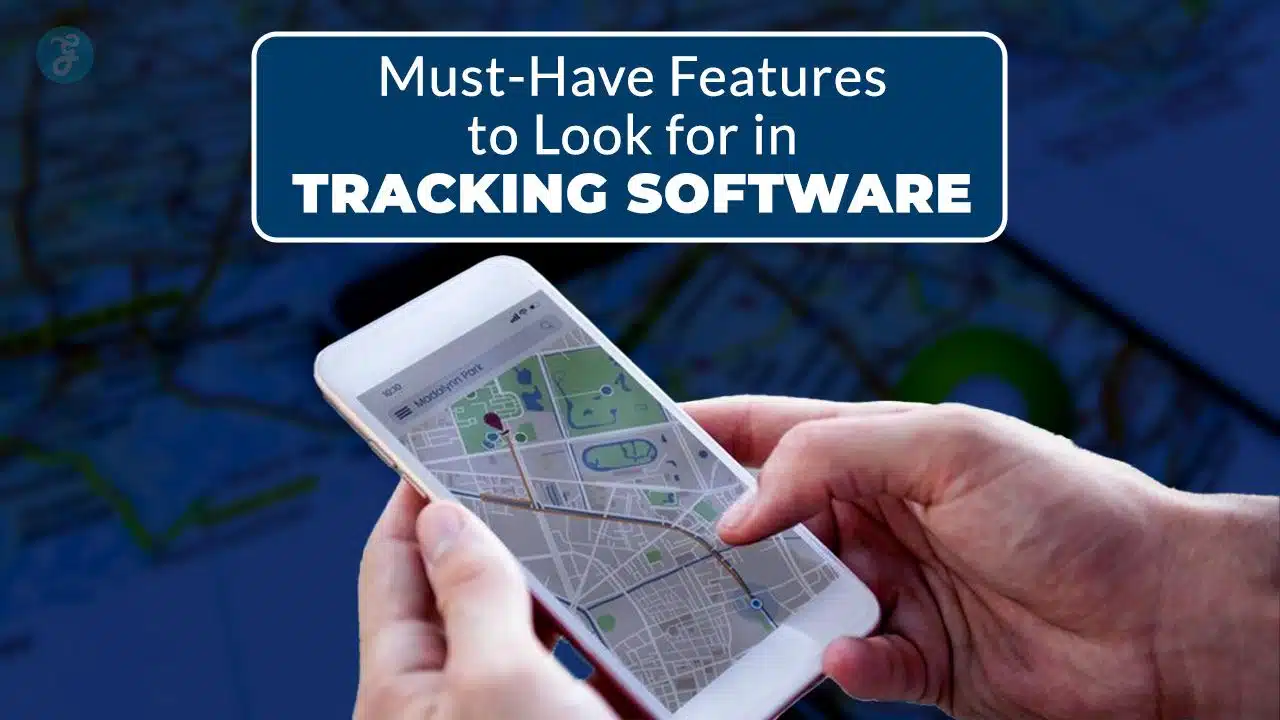
Finding the right tracking software can feel like searching for a needle in a haystack. Today’s businesses lose millions of dollars each year due to poor fleet management and inefficient route planning.
This guide breaks down 15 essential features that will transform your tracking operations, boost operational efficiency, and save your company money. Ready to discover what makes tracking software truly powerful?
Key Takeaways
- Real-time GPS tracking with live map updates can reduce delivery costs by up to 20% through efficient route optimization and automated rerouting.
- Companies like FedEx and UPS use speed tracking and driver behavior analysis to reduce accident rates and improve fleet safety performance.
- Geofencing capabilities create virtual boundaries that trigger instant alerts when vehicles enter or exit designated zones, preventing theft and unauthorized use.
- Mobile accessibility with offline functionality keeps operations running smoothly even without internet connections, reducing failed deliveries and improving field team productivity.
- Integration with ERP and CRM systems eliminates manual data entry while providing real-time updates across all business departments and platforms.
How Does Real-Time Location Tracking Work?
Real-time location tracking works like a digital detective that never sleeps. GPS satellites orbit Earth and send signals to tracking devices installed in vehicles or mobile devices.
These devices catch the signals and calculate exact positions using data from multiple satellites. The system then sends this information through cellular networks or internet connections to central databases.
Fleet management systems receive this data and display it on live maps, showing where each vehicle sits at any given moment.
This technology transforms raw GPS coordinates into useful information for businesses. The tracking software updates locations every few seconds, creating a continuous stream of position data.
Mobile apps let managers check vehicle locations from anywhere, while cloud-based systems store all tracking information safely. Construction companies use these systems to monitor equipment across job sites, cutting down on theft and improving project management.
The whole process happens automatically, giving businesses real-time visibility without constant phone calls to drivers or field workers.
GPS Integration and Live Map Updates
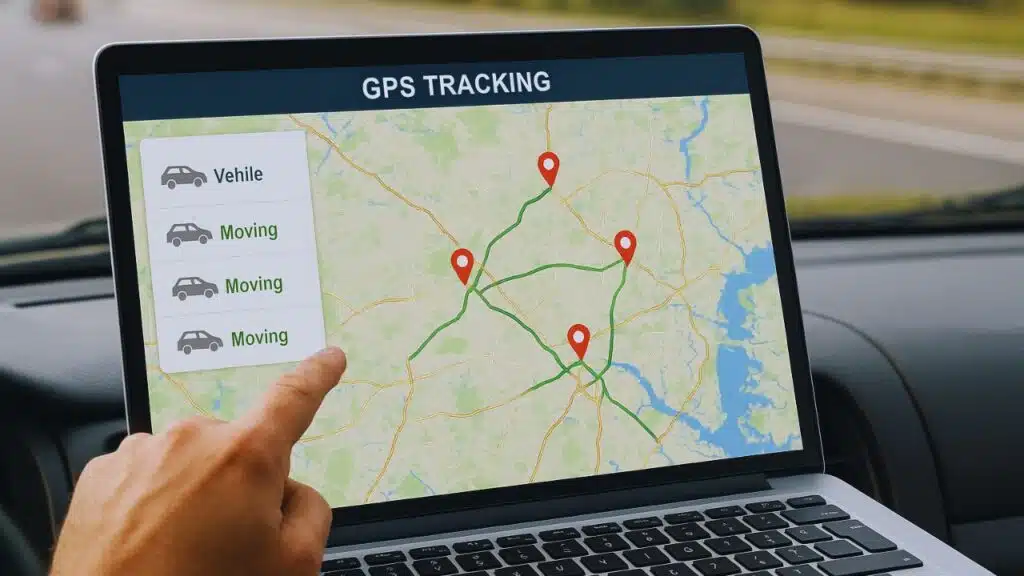
GPS integration transforms your tracking software from a basic tool into a powerful command center. Live map updates work like having a bird’s eye view of your entire operation, showing you exactly where your vehicles are at any given moment.
What Are the Benefits of GPS Integration in Tracking Software?
GPS technology changes how businesses track their assets and vehicles. Real-time location data protects valuable equipment from theft. Caterpillar relies on GPS tracking and tamper alerts to prevent equipment theft and boost recovery rates.
This technology helps companies know exactly where their assets are at all times. Fleet managers can respond quickly to emergencies or unexpected situations. Asset protection becomes much easier with accurate location information.
Speed tracking through GPS data improves road safety for drivers. The system alerts managers when vehicles exceed speed limits. Driver behavior analysis helps companies reduce accidents and insurance costs.
GPS integration forms the foundation for route optimization, which cuts delivery costs by up to 20%. Companies like Coca-Cola use GPS-based geofences to monitor deliveries and improve security.
Mobile devices with accurate GPS information reduce failed deliveries. Drivers get better directions and real-time updates about traffic conditions.
How Do Live Map Updates Improve Tracking Accuracy?
Live map updates display real-time positions, making tracking much more accurate than old systems. These updates show exactly where vehicles are at any moment. Amazon uses live tracking links to give customers real-time shipment visibility.
This means people can see their packages moving on actual roads, not just guessing where they might be.
Real-time data helps companies make better decisions fast. FedEx uses live traffic data for dynamic rerouting, which makes their delivery efficiency much better. Live map updates reduce customer service calls because people get accurate, up-to-the-minute information.
Historical tracking and playback work better with real-time map data too. This helps with compliance and solving disputes when problems come up.
Historical Tracking and Playback Data
Historical tracking gives you a complete picture of where your vehicles have been. You can watch past routes unfold like a movie, spot patterns in driver behavior, and find areas where your fleet wastes time or fuel.
How Can I View Past Routes and Tracking History?
Tracking software stores complete route data for all your vehicles and assets. You can access this information through various methods that make data analysis simple and effective.
- Access the main dashboard and click on the tracking history section to view all past routes for your fleet tracking system.
- Select specific vehicles or assets from dropdown menus to filter the data and focus on particular routes you need to examine.
- Choose date ranges using calendar tools to narrow down your search and find routes from specific time periods for performance analysis.
- Use advanced search features to locate specific routes by entering keywords, driver names, or destination addresses into the search bar.
- View routes on interactive maps that show the exact paths taken, with color-coded lines indicating different time periods or vehicle types.
- Generate customizable reports from the route data that display information in charts, graphs, and tables for easy management review.
- Export tracking history to Excel or other formats for further data management and sharing with team members or clients.
- Set up automated report delivery through email to receive regular updates about route performance and driver behavior patterns.
- Use playback functionality to watch routes unfold in real-time, helping you investigate customer complaints about delivery timing or location issues.
What Is Playback Data and How Is It Useful?
Playback data provides a visual representation of each asset’s journey over a specified period. This powerful feature works like a movie replay of your vehicles’ movements. You can watch exactly where your trucks, delivery vans, or service vehicles traveled on any given day.
The system records every turn, stop, and route taken by your fleet.
This technology proves incredibly valuable for business operations and data security investigations. Playback assists in resolving disputes by confirming delivery routes and times when customers claim packages never arrived.
Companies use playback to verify driver compliance with speed and route guidelines, making it easier to spot problem areas. Reviewing playback data can uncover inefficiencies, such as unnecessary detours or delays that cost your business money.
Playback supports performance analytics by offering concrete evidence for driver training and process improvement programs. Fleet managers can identify unauthorized vehicle use during off-hours, protecting company assets from theft or misuse.
Route Optimization and Dynamic Rerouting
Smart route planning cuts fuel costs and saves precious time for your drivers. Modern tracking software uses artificial intelligence and machine learning to find the fastest paths, while automatically switching routes when traffic jams or road closures pop up.
How Does Route Optimization Save Time and Fuel?
Route optimization features can reduce delivery costs by up to 20% through efficient route planning. Steve Orenstein from Locate2u notes a 10% reduction in distance traveled with optimized routing.
Multi-stop routing, as used by UPS, streamlines deliveries to multiple locations, saving time and fuel. These systems analyze data to find the shortest paths between stops. Drivers avoid traffic jams and road closures.
Companies see lower fuel bills right away.
Route optimization minimizes unnecessary detours, directly lowering fuel consumption and vehicle wear. Efficient routing supports sustainability goals by reducing carbon emissions.
Route optimization tools analyze historical and real-time data for continual improvement. Machine learning helps predict traffic patterns. Digital transformation makes these tools work with existing systems like QuickBooks Online and enterprise resource planning software.
Fleet managers can track performance metrics and KPIs through customizable reports. The technology automates route planning, so dispatchers spend less time on manual tasks.
When Should Dynamic Rerouting Be Used?
Unexpected events trigger the need for dynamic rerouting. Traffic congestion clogs roads and slows down deliveries. Road closures block planned routes and force drivers to find alternatives.
FedEx uses dynamic rerouting based on live traffic data to keep deliveries on schedule, showing how major companies rely on this technology. Fleet managers activate this feature during rush hours, accidents, or construction zones that create bottlenecks in the supply chain.
Last-minute order changes demand quick route adjustments. Urgent deliveries pop up and require immediate attention from drivers. Real-time notifications alert drivers and managers to rerouting needs as they arise, keeping everyone informed through mobile devices.
Companies with large fleets benefit from dynamic rerouting to manage multiple assets efficiently across different locations. This technology prevents missed deadlines and supports customer satisfaction by providing accurate ETAs.
Smart workflow management systems automatically calculate new paths, saving time and fuel costs while maintaining reliability for businesses working from warehouses or distribution centers.
What Are Geofencing Capabilities in Tracking Software?
Geofencing creates virtual boundaries around specific areas using GPS technology. These digital fences act like invisible walls that trigger alerts when vehicles or assets enter or exit designated zones.
Organizations can set up multiple geofenced areas to monitor delivery routes, secure facilities, or restricted zones. Real-time alerts notify managers instantly when boundaries are crossed, providing immediate visibility into asset movement.
Coca-Cola leverages this technology to monitor delivery vehicles and boost asset security across their operations. The system sends automatic notifications to mobile devices, keeping teams informed without constant manual monitoring.
Companies can define zones around customer locations, warehouses, or construction sites to track compliance and improve operational efficiency.
Entry and exit alerts from geofenced zones support regulatory compliance by enforcing delivery or operational boundaries. These notifications help prevent unauthorized use or theft of vehicles and valuable assets.
Fleet managers receive instant updates through collaboration tools and mobile applications when drivers deviate from approved routes. The system integrates seamlessly with existing inventory management platforms and customer relationship management software.
Geofencing data feeds into performance analytics, allowing businesses to assess route adherence and driver behavior patterns. Teams can analyze this information to identify areas for improvement in their strategic planning processes.
The technology works even when employees are working from home, providing remote oversight capabilities. Alerts can be customized based on time of day, vehicle type, or specific operational requirements, making the system adaptable to various business needs.
How Does Speed Tracking and Driver Behavior Analysis Enhance Safety?
Speed tracking acts as a digital watchdog for your fleet. This feature monitors how fast drivers go and alerts managers about speed limit violations. DHL uses speed alerts to encourage safe driving practices among its fleet, proving that real-time monitoring works.
Companies can set custom speed limits for different zones and receive instant notifications through mobile devices. The system creates customizable reports that show which drivers need extra training.
Telematics data helps managers spot patterns and address problems before accidents happen.
Driver behavior analysis goes beyond just speed monitoring. This smart technology watches for harsh braking, rapid acceleration, and other risky actions that could lead to crashes.
Waste Management Technical Services employs driver behavior monitoring to reduce accident rates across their operations. The system creates detailed visualizations and heatmaps showing problem areas and dangerous driving patterns.
Analyzing data from these tools helps companies build better training programs for their teams. Speed and behavior analytics help companies address safety issues proactively, turning raw information into actionable insights that save lives and money.
Why Is Mobile Accessibility and Offline Functionality Important?
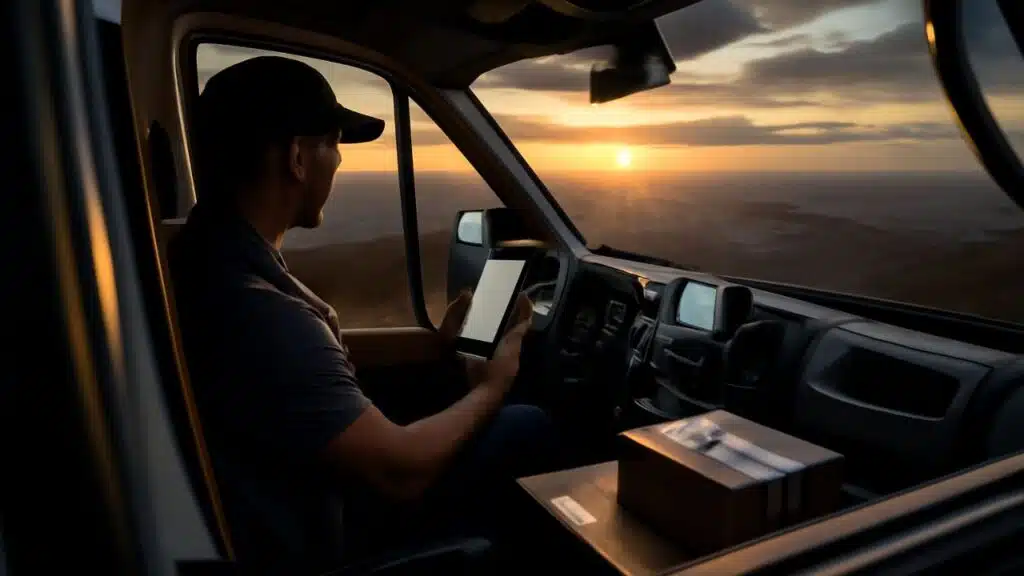
Mobile accessibility transforms how drivers work in the field. Locate2u’s mobile app helps drivers manage schedules and routes, reducing failed deliveries across all operations. Drivers get essential delivery schedules, route information, and updates right on their mobile devices.
This direct access cuts down the time and costs that come with office call confirmations. Field teams can send real-time status updates back to headquarters, which improves the overall workflow for everyone involved.
Offline functionality acts like a safety net when internet connections fail. Critical tracking information stays available even without connectivity, keeping operations running smooth.
Mobile apps boost operational agility, especially in areas with poor network coverage where teamwork depends on reliable data access. Smart businesses know that combining ease of use with offline capabilities creates a powerful tool for project management software needs.
This approach helps teams solve complex problem-solving challenges while maintaining strong data integration across all platforms.
What Data Security and Encryption Features Should I Look For?
Data protection features build customer trust and prevent theft of tracked assets. SSL-secured web pages protect your tracking information from hackers. Encrypted communications keep your data safe during transmission.
Look for tracking software that uses secure encryption protocols. Pfizer encrypts tracking data for medical supply transport, showing how important this feature is. Strong encryption protects sensitive business information.
Your tracking system should offer multiple layers of security. Real-time alerts can notify you about unauthorized vehicle use. These alerts help protect your fleet from theft. Data security protocols support compliance with industry regulations.
Healthcare and finance companies need extra protection. Google workspace integration should include proper security measures. Personal identification number access adds another security layer.
Cyberattacks on tracking systems can cost businesses thousands of dollars. Choose software with strong security features to prevent these attacks. Barcode systems need protection too, especially when scanning medical supplies.
Your tracking data flows through many mobile devices and systems. Each connection point needs proper encryption. Google drive storage should encrypt your tracking reports. Time clock data requires the same protection as location information.
Collaboratively working with team members means sharing sensitive data. Secure sharing features protect this information. Digital marketing teams often access tracking data for analysis.
They need secure access without compromising the system. Oracle EBS integration requires enterprise-level security standards. Even large companies like Walmart use encrypted tracking for their supply chains.
How Can Customizable Reports and Performance Analytics Help My Business?
Customizable reports give you the power to focus on what matters most to your business. FedEx uses customized reporting to analyze fuel use and driver performance, proving that tailored insights drive real results.
These reports let you track specific metrics that align with your business goals, not generic data that clutters your dashboard. Performance analytics take things a step further by helping you identify key performance indicators and spot productivity bottlenecks before they hurt your bottom line.
UPS leverages analytics for operational improvements, showing how smart companies use data visualization to stay ahead of the competition.
Centralized, real-time reporting improves transparency and makes decision-making faster and smarter. Configurable charts and visual communication tools make it easy to spot performance trends at a glance, no more digging through endless spreadsheets on your mobile devices.
These tools help you catch issues early, so you can jump in with timely interventions to prevent delivery delays or budget overruns. Think of it as having a crystal ball for your operations, one that uses predictive analytics instead of magic to keep your business running smoothly.
What Does Integration with ERP and CRM Systems Involve?
Integration with ERP and CRM systems connects your tracking software with your business platforms. This connection streamlines workflow and cuts down manual data entry tasks. Companies like PepsiCo connect their fleet tracking software with ERP and CRM platforms for better operational efficiency.
The system automatically shares data between platforms, so your teams get real-time updates across all departments.
Automated data syncing reduces human error and improves data accuracy. Your tracking system sends location updates straight to your CRM, which helps customer service teams provide up-to-date order status to clients.
ERP integration supports end-to-end supply chain visibility and coordination. Teams can access customizable reports through mobile devices, making it easier to track performance from anywhere.
This integration improves collaboration and gives everyone the same information at the same time.
Takeaways
Choosing the right tracking software can make or break your business operations. These 15 features work together like pieces of a puzzle, creating a complete picture of your fleet, projects, or assets.
Smart companies know that mobile devices and customizable reports give them the edge they need to stay ahead. Don’t settle for basic tracking when you can have powerful tools that grow with your business.
The best software turns complex data into simple insights that drive real results.
FAQs
1. Can tracking software work well on mobile devices?
Yes, the best tracking software runs smoothly on mobile devices. You can scan barcodes, check inventory, and update records right from your phone or tablet.
2. What kind of reports should good tracking software create?
Look for software that makes customizable reports. You want reports that fit your business like a glove, not cookie-cutter templates that miss the mark.
3. Does tracking software work with Google apps like Gmail and Google Docs?
Most modern tracking tools play nice with Google apps. They sync with Gmail, Google Docs, Google Forms, and Google Meet. This makes your workflow smooth as butter.
4. How important is barcode scanning in tracking software?
Scanning barcodes is huge for tracking software. It cuts down on typing mistakes and speeds up data entry. Think of it as your digital shortcut to accuracy.
5. Can tracking software handle complex business needs?
Good tracking software grows with your business complexity. It should handle simple tasks today and tackle emerging technologies tomorrow, all while keeping things simple for your team.