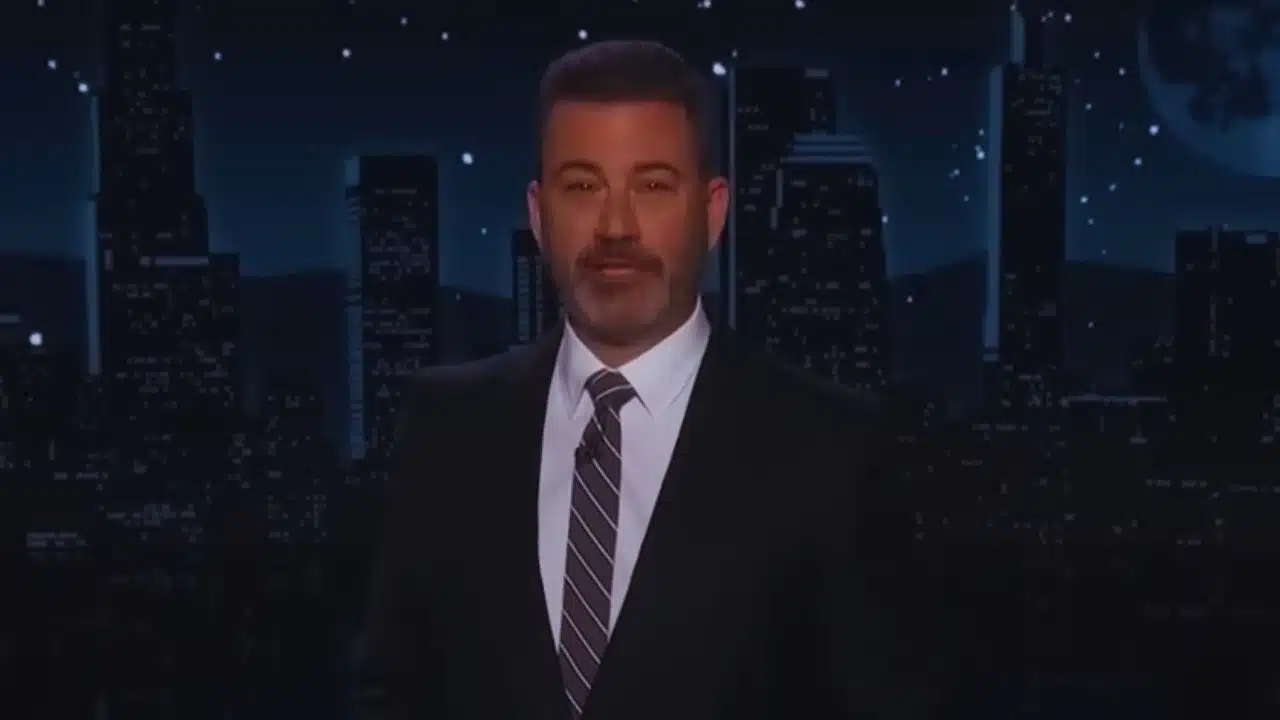
The uproar began on 15 September 2025, when comedian and talk show host Jimmy Kimmel used part of his monologue on Jimmy Kimmel Live! to address the murder of conservative activist and influencer Charlie Kirk. Kirk, founder of Turning Point USA, was widely recognized for his role in mobilizing right-wing youth in the United States. His sudden and violent death shocked political circles across the country.
During his segment, Kimmel criticized how some political groups were handling Kirk’s death. He accused what he called the “MAGA gang” of trying to manipulate the tragedy for political gain, attempting to frame the alleged killer in a way that fit their narrative. Kimmel also mocked former President Donald Trump’s reaction to the murder, showing a clip in which Trump was asked about Kirk’s death but quickly shifted to talking about constructing a new White House ballroom. Kimmel compared Trump’s response to “how a four-year-old mourns a goldfish.”
These remarks sparked immediate outrage. Critics on the political right, as well as some broadcasting figures, called Kimmel’s jokes “insensitive” at a time when the country was in mourning.
Disney’s Decision and the FCC Threat
The fallout escalated quickly. ABC, the network that airs Kimmel’s late-night show, is owned by Disney, and soon found itself under intense political and regulatory pressure.
Brendan Carr, chair of the Federal Communications Commission (FCC) and a Trump appointee, suggested ABC and Disney could face consequences for airing Kimmel’s comments. He went as far as raising the possibility of revoking ABC’s broadcast licence, an extraordinary measure rarely even threatened in modern U.S. broadcasting.
Within hours of Carr’s warning, several major broadcast groups—including Nexstar Media Group and Sinclair Broadcast Group, two of the largest owners of local TV stations in the U.S.—announced they would no longer air Jimmy Kimmel Live! “for the foreseeable future.”
Disney and ABC responded by suspending the show indefinitely on 17 September. The company said the remarks had been “ill-timed and thus insensitive,” and added that it would review the situation in discussions with Kimmel.
Outrage and Free Speech Debate
The suspension immediately triggered a wave of backlash across the entertainment industry, political commentators, and civil liberties advocates.
- The Writers Guild of America (WGA) and Screen Actors Guild (SAG-AFTRA) condemned the suspension as corporate censorship.
- The American Civil Liberties Union (ACLU) called it “a chilling violation of free expression,” warning that bowing to political threats from regulators undermines First Amendment protections.
- Protests broke out in Los Angeles and New York, where fans, industry workers, and free-speech advocates demanded Kimmel’s reinstatement.
Even within the FCC, there was disagreement. Anna Gomez, the commission’s only Democratic member, accused Carr of abusing his authority. She said she was “glad to see Disney find its courage in the face of clear government intimidation,” and vowed to fight against efforts to silence dissenting voices.
Celebrity and Industry Support
Kimmel’s suspension became a rallying point in Hollywood. Prominent late-night hosts including Jon Stewart, John Oliver, and Stephen Colbert publicly defended him. Hundreds of celebrities signed an open letter describing the suspension as a “dark moment for freedom of speech in our nation.”
Signatories included stars such as Meryl Streep, Jennifer Aniston, Ben Stiller, and Robert De Niro, along with prominent directors and writers. They argued that comedians have historically played a vital role in holding power accountable, and that removing Kimmel from the air undermined that tradition.
Calls for boycotts of Disney+, Hulu, and other Disney-owned services also gained traction online. Activists and fans urged subscribers to cancel memberships until the company reversed its decision.
Disney Reinstates Kimmel
On 22 September 2025, after five days of suspension, Disney announced that Jimmy Kimmel Live! would return to air on Tuesday, 23 September. The company explained that it had engaged in “thoughtful conversations” with Kimmel and concluded that the show could resume.
However, the return was not without complications. While Disney reinstated the programme, Sinclair Broadcast Group said it would continue to block the show on its regional ABC affiliate stations, replacing it with news programming instead. Sinclair called Kimmel’s remarks “inappropriate and deeply insensitive at a critical moment for our country,” and said it would not lift its ban without further talks with ABC.
Nexstar Media Group, which had been one of the first to stop airing Kimmel, had not yet commented on whether it would broadcast the reinstated episodes. This left open the possibility that millions of American viewers might still not be able to watch the show on their local ABC stations, even though it was officially back on the schedule.
Kimmel’s Silence
Interestingly, Kimmel himself has not publicly commented on either the suspension or the reinstatement. Since the controversy began, he has avoided interviews and refrained from posting on his usually active social media accounts. His silence has left fans and critics alike wondering whether he might eventually issue an apology or double down on his right to make political jokes.
The only hint about his return came from the show’s official website, which announced that actor Glen Powell, known for his roles in Twisters and Hit Man, would be the first guest on Tuesday’s comeback episode.
Political Implications
The incident has become part of a broader political struggle. Allies of the Trump administration, including Vice President JD Vance, have been pushing for a national campaign to punish critics of Charlie Kirk in the aftermath of his death. The pressure on Disney and ABC fit into that wider context of enforcing loyalty and punishing dissent.
At the same time, Nexstar Media Group is seeking FCC approval for a $6.2 billion merger with Tegna, raising questions about whether its decision to block Kimmel was influenced by its regulatory interests. Critics argue that the company may be trying to stay in the FCC’s good graces by aligning with Carr’s stance.
Why It Matters
The Kimmel suspension and reinstatement highlight the fragile balance between corporate responsibility, political influence, and free expression in U.S. media.
- For broadcasters: It shows how regulatory threats can have immediate, chilling effects on editorial choices.
- For comedians: It raises the question of whether satire and political commentary are safe from government interference.
- For the public: It underscores the risk of a future where broadcasters self-censor to avoid political retaliation.
As of now, Jimmy Kimmel Live! is officially back, but with affiliates like Sinclair still refusing to air it, the controversy is far from over.
The Information is Collected from BBC and Sky News.