Do you feel stuck in slow routines? Cooking rice by hand can eat up your time. A late train can ruin your plans. You want tools that speed things up.
In 1945, Mitsubishi Electric built the first electric rice cooker. We will cover tools like bullet trains, portable cassette players, and blue LEDs. This guide shows how Japanese inventions make life faster and simpler.
Keep reading.
Key Takeaways
- The first electric rice cooker came in 1945 from Mitsubishi. In 1956, Yoshitada Minami made the first automatic model and Toshiba sold so many that 50% of Japanese homes had one in four years. Seiichi Miyake invented tactile paving in 1965; Okayama laid the first blocks in 1967 and Japan made them mandatory on rail platforms by 1975. Toto launched the Washlet in 1980 with a heated seat and warm water spray.
- The Tokaido Shinkansen began service on October 1, 1964. It cut the trip between Tokyo and Osaka to two and a half hours at 320 kph. Engineers used CAD and wind-tunnel tests to shape its nose. It has run with zero fatalities and inspired high-speed lines in France, China, and Spain.
- Seiko debuted the Quartz Astron on December 25, 1969. It kept time to within a few seconds per month using a quartz crystal and a tiny transistor circuit. That breakthrough sparked the Quartz Crisis and led to cheap digital watches, handheld cameras, and laptops.
- Sony’s TPS-L2 Walkman hit the market in 1979 and sold over 500,000 units in two months, sparking the portable audio boom. The Epson HX-20 laptop arrived in 1981 at just 3.3 lb with an LCD screen, full keyboard, battery, and mini printer. Toshiba’s Dynabook in 1989 and models from NEC, Apple, and IBM made mobile computing the new norm.
- Daisuke Inoue built the first karaoke unit in 1971, using a car stereo and amplifier, and bars from Tokyo to San Diego soon echoed with sing-alongs. Emojis first appeared on a flip phone in 1997 with 90 icons; Shigetaka Kurita added 176 colorful symbols in 1999 and Unicode now hosts over 3,000. Shuji Nakamura, Isamu Akasaki, and Hiroshi Amano crafted the first bright blue LED in 1989 and won the 2014 Nobel Prize in Physics, enabling energy-saving white LEDs and vivid screens.
The Rise of Japanese Innovation
Engineers in Japan ignited a wave of new tech after World War II. They built on pocket calculators and early videocassette recorders to craft a portable computer. In 2018 makers marked the 40th anniversary of Yukio Yokozawa’s HX-20 patent.
Business Week named that notebook the Fourth revolution in personal computing. The HX-20 offered an LCD screen, a full keyboard, built-in batteries, and a tiny printer.
Researchers like Shuji Nakamura, Isamu Akasaki, and Hiroshi Amano earned the Nobel Prize in Physics for blue light tech. Their work led to longer phone life, brighter displays, and energy savings.
Companies now weave Japanese culture into gadgets from rice cookers to emojis. Each leap shows how simple ideas spark big change.
Top 10 Japanese Tech Innovations That Changed the World
You’ll meet a kitchen gadget that rewrote dinner across the globe and a train that sprinted past every speed mark. Then you’ll spot a diode that lit up our nights and a tiny symbol that speaks louder than words.
Electric Rice Cooker
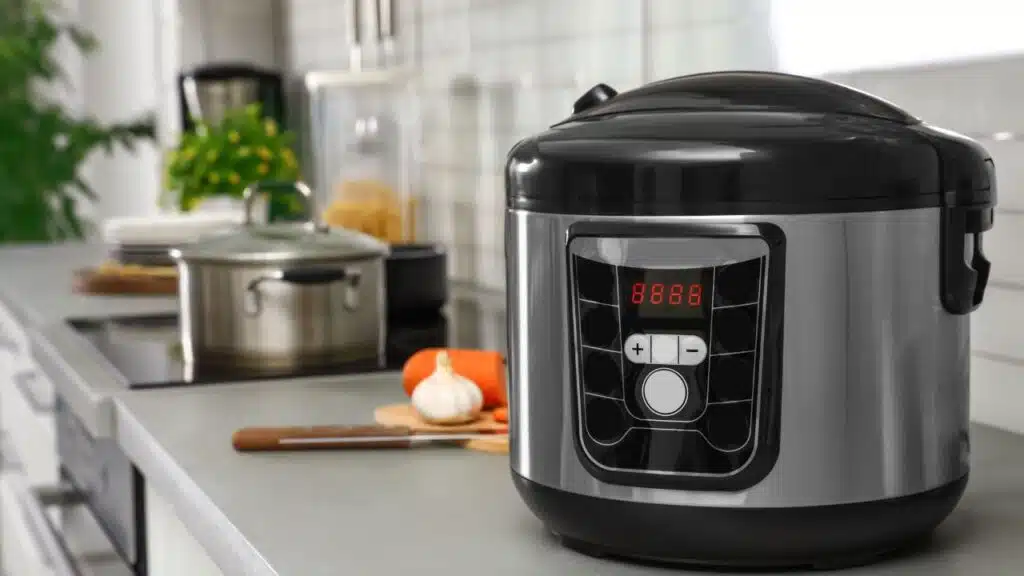
Mitsubishi Electric Corporation built the first suihanki in 1945. Yoshitada Minami made an automatic cooker in 1956 that gave busy families perfect rice with almost no work. Toshiba improved that idea and saw 50 percent of Japanese households add one in four years.
The device demands little fuss and makes sticky rice failproof. It shows new Japanese inventions blending tech and old cooking. That mix flows from sushi bars to home kitchens and links to Japanese culture.
Zojirushi and Tiger Corporation sold more cookers well beyond Japan. Global kitchens now host them thanks to a simple button program. It stands beside the pocket calculator and the Game & Watch among top Japanese innovations.
Simple suihanki changed how people worldwide cook rice, a basic dish from curry bowls to sushi rolls.
Shinkansen (Bullet Train)
Tokaido Shinkansen began service on October 1, 1964, to match the Tokyo Olympics. It cut travel time between Tokyo and Osaka to two and a half hours at near 200 miles per hour (320 kph).
Engineers used SolidWorks CAD and subsonic wind tunnel tests to shape its streamlined nose, lowering noise and boosting energy efficiency. It runs on overhead catenary lines and electric traction motors.
Riders report top safety, comfort, and on-time arrivals, and zero fatalities since launch. The route spurred economic growth in regions along its path by boosting accessibility. Project teams shared their methods with France, China, and Spain, shaping new high-speed rail corridors worldwide.
This japanese innovation set a high bar for global train systems.
Quartz Watch
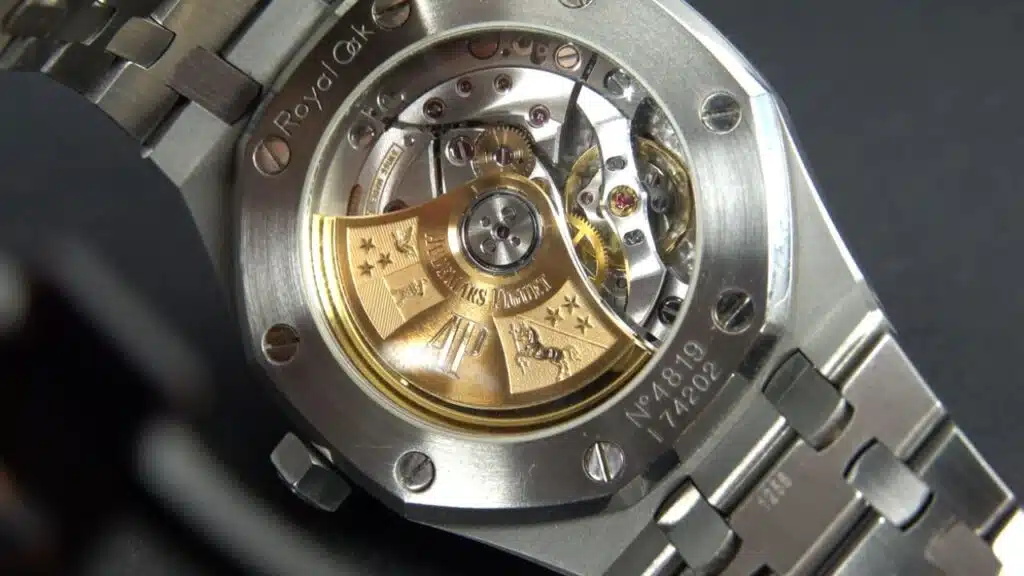
Seiko launched the Quartz Astron, the first quartz timepiece, on December 25, 1969. It cut time errors to a few seconds per month. A quartz crystal and a tiny transistor drove its circuit board.
It shook the watch world and hit Swiss makers hard. It sparked the Quartz Crisis. Japanese innovation led the charge.
This quartz watch tech made a digital wristwatch cheap. Millions strapped a precise timekeeper to their arms. A kid once said, “It feels like I own tomorrow.” It paved paths for handheld gadgets, digital cameras, and laptops.
It proved how a tiny battery and crystal can change the game. This marvel ranks high among Japanese inventions.
Tactile Paving
Seiichi Miyake invented tactile paving in 1965 to help blind and visually impaired people. Okayama laid the first tenji blocks in 1967. Japan made tactile paving mandatory on all National Rail platforms by 1975.
Bright dots and raised bumps on each tile give clear directional signals underfoot. It reflects Japanese culture’s promise of caring design. City planners in Europe and North America now fit these tiles into sidewalks to guide travelers and show a commitment to inclusive design.
Karaoke
Daisuke Inoue in 1971 built the first sing-along unit using a car stereo and amplifier. Karaoke boxes and bars became staples of Tokyo nightlife soon after. Tourists and locals packed those lounges, laughing and singing side by side.
This japanese invention ignited a wave that spread from Osaka clubs to San Diego pubs.
Tech teams later built apps and home systems to bring singalongs to handsets and streaming displays. Friends grab microphones, share recordings online, and cheer on each other. This craze helped spread japanese culture, mixing pop tunes and fanfare across nations.
Cassette Player & Walkman
Sony’s TPS-L2 Walkman rolled out in 1979 as the very first portable cassette deck. It let fans take audio cassette tapes along on runs, commutes or beach trips. This gadget smashed sales targets, shifting over 500,000 units in just two months.
Music fans embraced this japanese invention, and the device earned a place in japanese culture.
Its sleek form sparked new ideas for Discman gear and handheld MP3 players. Engineers used its light design and compact buttons to build tighter gadgets. That shift helped shape the portable audio gadget market by the decade’s end.
People grew used to music on demand, a shift that rippled into today’s streaming apps.
Washlet (Electronic Toilet)
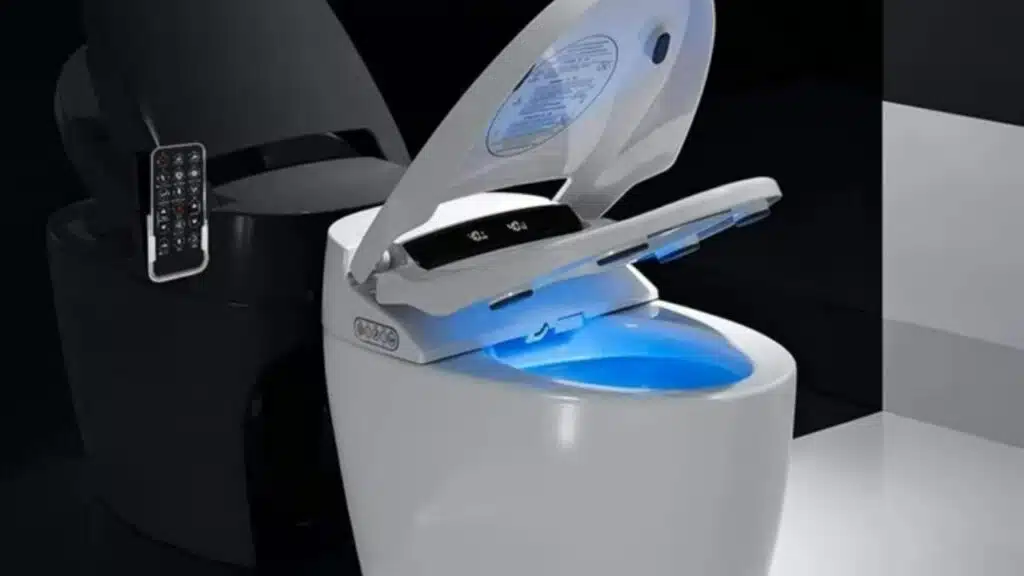
Toto unveiled the Washlet in 1980 with a heated seat and water spray. A gentle jet washes users, and people tweak pressure and temperature with a side panel. Many Japanese homes added this device and praised its comfort.
The Washlet grew into a staple of japanese culture. It shows how japanese inventions blend tech into daily life.
The model soared overseas, sparking global demand. Hotels in the US and Europe installed it in guest rooms. Rival brands built toilets with air drying and self wash features. Spa centers and airports copied its design, raising restroom comfort.
Today, makers offer jets, heated seats and deodorizers in one package.
Blue LED
Shuji Nakamura helped light a new path in 1989. He worked with Isamu Akasaki and Hiroshi Amano in Japan. They built the first bright blue LED. That feat ranks high in japanese inventions.
This creation let engineers mix red, green, and blue light to make white light from LEDs. It cut energy needs in factories, offices, and homes, and shrank power bills.
The blue LED also sparked a shift in display gear. It gave modern LED screens a clear, sharp look. TVs, smartphones, and computer screens use these lights. A simple blue beam reads data on blu-ray discs and optical discs with speed.
Solid-state bulbs now last longer, cost less, and trim carbon footprints around the globe.
Laptop Computers
Japanese inventions reached computing in 1981 with the first laptop. The Epson HX-20, patented by Yukio Yokozawa, weighed about 3.3 pounds. Toshiba followed with the Dynabook in 1989, adding memory, a full screen, more power.
NEC, Apple, IBM rolled out notebook PCs soon after. These machines ran on battery packs, sat on laps, and changed corporate offices. They sparked the concept of portable computing.
Remote work took hold after laptops arrived. Mobile computing let teams send reports from cars, planes, and coffee shops. Students typed essays on trains. Doctors checked patient charts at distant clinics.
Designers sketched ideas on park benches. Companies boosted battery life, doubled processing power, and used lighter frames. Engineers trimmed weight with advanced materials. Computers grew slimmer and faster with each new model.
Emojis
Emojis launched in 1997 on a first Japanese flip phone. The initial pack offered 90 black and white icons, one showed a poop symbol. Shigetaka Kurita drew a set of 176 colored icons in 1999 for a major carrier.
These tiny symbols mix japanese inventions and japanese culture with modern tech.
Today the Unicode Standard hosts over 3,000 icons. The face with tears of joy reigns as top emoji. People in every country share them to pack a punch in chats. They boost global communication and shape digital interactions.
How These Innovations Have Impacted Global Society
Cities in Western nations added tactile paving on sidewalks and train platforms in the 1990s. Blind pedestrians use raised dots to find crosswalks and train doors with greater ease.
Washlet units now greet guests in airports and homes across Asia, Europe, and North America. Automatic lids, heated seats, and sound masking raised the bar for bathroom tech. Sanitary engineers call this japanese invention a game changer for comfort and health.
Blue LED came to light in 1992 and slashed power use in lamps, screens, and traffic signals. Factories gained energy efficiency and cut costs. Unicode Standard shows over 3,000 emoji icons in phones and computers.
Chat apps burst with smiley faces, hearts, and flags that link to japanese culture. Communication tools now carry tone and mood in tiny pictures.
Takeaways
These ten gems show Japanese engineers at their best. They shaped our kitchens, trains, toilets, and phones. The rice cooker and Shinkansen changed our daily pace. Blue LEDs, Walkman, and emojis made our worlds shine.
Tactile paving and Washlet seats brought fresh comfort to millions. Their wild ideas still invent new chips and screen tools. We spy more magic brewing just beyond the horizon.
FAQs
1. What tasty tech snack did Japan offer?
They gave us ramen cups, a fast, warm meal by Momofuku Ando of Nissin Foods. It feels like a cozy hug in seconds.
2. How did Japan pioneer safe streets for the blind?
They built tactile paving, yellow bumps on sidewalks by Seiichi Miyake. These raised tiles guide feet and cane.
3. Who lit our lives with new colors?
Shuji Nakamura, Isamu Akasaki, and Hiroshi Amano won the Nobel Prize in Physics for blue LEDs. They also made VCSELs, tiny lasers that beam bright in phones.
4. Which minds powered early chips and calculators?
Masatoshi Shima helped design the Intel 4004 microprocessor, the first of its kind. Sharp and Casio then gave us the scientific calculator. Japan led in field-effect transistors and finfet tech too.
5. How did Japan shape our play time?
They invented the D-pad, flight stick, and joysticks to steer games. They also birthed side-scrolling adventure and beat ’em up titles that blew minds.
6. What video gear did Japan bring home?
They gave us the video home system and the VCR, plus VHS tapes for movie nights. Later they rolled out the BD-ROM format to pack more films on disc.