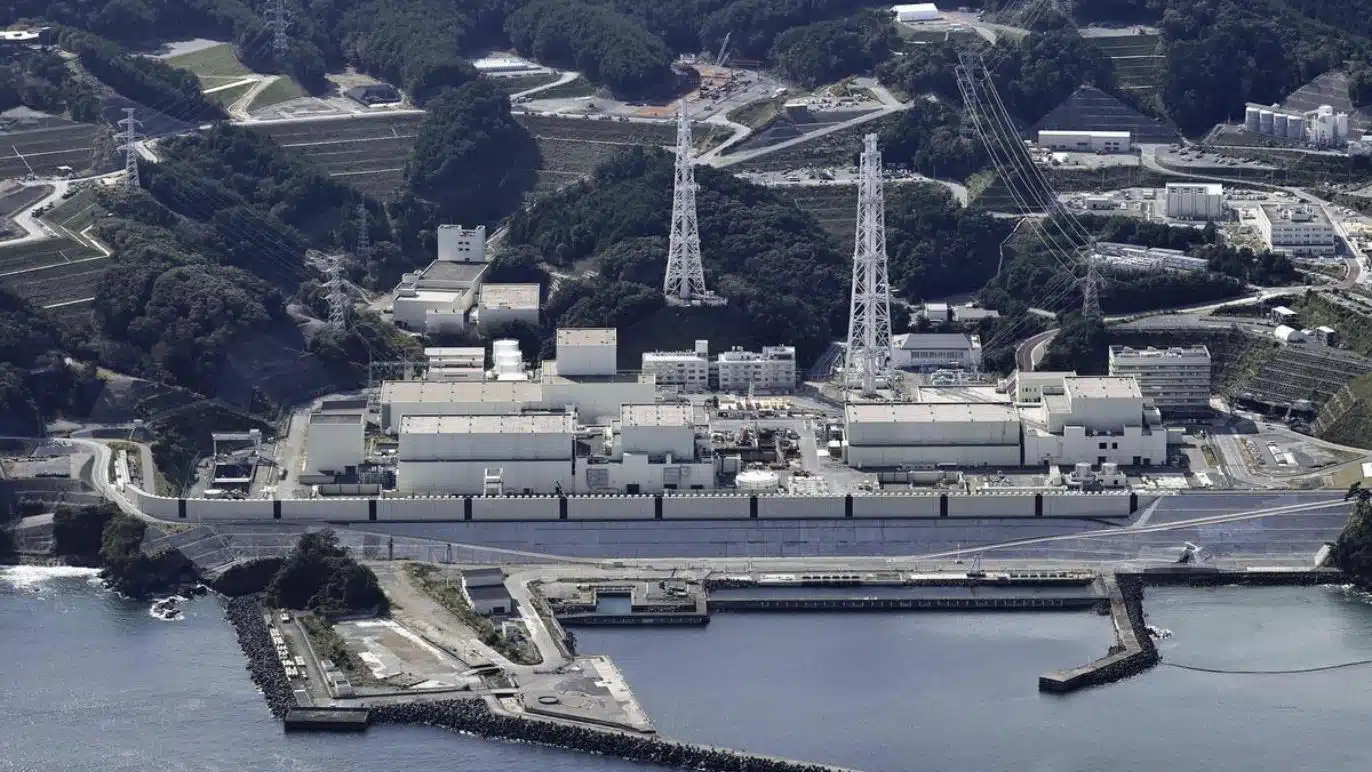
Japan has taken a historic step by approving the restart of the world’s largest nuclear power plant, the Kashiwazaki-Kariwa facility in Niigata Prefecture. This landmark decision, finalized on December 22, 2025, marks a pivotal moment in the nation’s energy policy, signaling a determined shift back toward nuclear power nearly 15 years after the Fukushima disaster. The restart is expected to begin with Reactor No. 6 as early as January 20, 2026, and could significantly bolster Japan’s electricity supply, especially in the Tokyo region.
The Kashiwazaki-Kariwa Nuclear Power Plant
The Kashiwazaki-Kariwa Nuclear Power Plant, operated by Tokyo Electric Power Company (TEPCO), is the largest nuclear facility in the world by installed capacity, boasting seven reactors with a combined output of about 8.2 gigawatts. The plant was first commissioned in the late 1980s and early 1990s, but all reactors were shut down after the 2011 Fukushima Daiichi disaster due to safety concerns and regulatory scrutiny. Since then, the plant has undergone extensive safety upgrades, including the installation of advanced containment systems, seismic reinforcement, and new emergency response protocols.
The restart of Reactor No. 6, with a capacity of 1.35 million kilowatts, is set to be the first reactor operated by TEPCO since the Fukushima accident. If successful, the subsequent restart of Reactor No. 7 and eventually all seven reactors could help stabilize Japan’s power grid, reduce dependence on imported fossil fuels, and contribute to the country’s decarbonization goals.
Political and Regulatory Approval
The restart required approval from both the national government and local authorities. On December 22, 2025, the Niigata Prefectural Assembly passed a vote of confidence for Governor Hideyo Hanazumi, who had previously signaled his support for the restart. This vote was seen as the final hurdle before TEPCO could proceed with reactor reactivation. Governor Hanazumi emphasized the importance of nuclear power for energy security, economic growth, and regional development, stating that the restart is “extremely important in light of the vulnerability of the power supply structure in eastern Japan and the need to secure economic growth opportunities through decarbonised power sources”.
The Nuclear Regulation Authority (NRA) also reviewed and approved the safety upgrades and operational plans, ensuring that the plant meets the stringent post-Fukushima standards. The NRA’s approval is a crucial step, as it provides a legal and technical foundation for the restart and signals confidence in the plant’s safety.
Energy Policy and National Strategy
Japan’s decision to restart the Kashiwazaki-Kariwa plant is part of a broader energy policy shift. The government’s 7th Strategic Energy Plan, approved in February 2025, calls for making “maximum use of nuclear power” and aims for nuclear energy to account for 20% of the country’s electricity generation by 2040. This represents a significant reversal from the post-Fukushima stance, which prioritized reducing nuclear dependency and increasing renewable energy.
The government’s rationale includes the need for stable and affordable electricity, reducing reliance on imported fossil fuels, and meeting climate targets. Japan’s energy mix has been dominated by coal, oil, and natural gas since the Fukushima disaster, leading to higher energy prices and increased carbon emissions. Restarting nuclear plants is seen as a key strategy to address these challenges.
Public Reaction and Community Impact
The restart has generated mixed reactions among local residents and stakeholders. While some welcome the economic benefits and job creation associated with the plant’s operations, others remain deeply concerned about safety, radioactive waste management, and the potential for future accidents. TEPCO has pledged to invest $641 million in the prefecture over the next 10 years to support local infrastructure and community projects, in an effort to build public trust and address concerns.
Governor Hanazumi acknowledged the community’s apprehension, stating, “We remain firmly committed to never repeating such an accident and ensuring Niigata residents never experience anything similar.” Public outreach and transparent communication will be essential as the restart proceeds, especially given the legacy of Fukushima.
Technical Upgrades and Safety Measures
The Kashiwazaki-Kariwa plant has undergone a comprehensive series of safety upgrades since its shutdown. These include:
-
Enhanced seismic reinforcement to withstand powerful earthquakes.
-
Installation of new containment buildings and emergency cooling systems.
-
Improved emergency response plans and evacuation protocols.
-
Upgraded cybersecurity and physical security measures.
-
Regular inspections and third-party safety audits.
TEPCO and the NRA have emphasized that the plant now meets or exceeds international safety standards. However, critics argue that the risk of severe accidents, though reduced, cannot be entirely eliminated, especially in a country prone to earthquakes and tsunamis.
Economic and Environmental Implications
The restart of the Kashiwazaki-Kariwa plant is expected to have significant economic and environmental impacts. Economically, the plant will help lower electricity prices in the Tokyo area, boost local employment, and stimulate regional development. Environmentally, the increased use of nuclear power will reduce Japan’s carbon emissions and help the country meet its climate targets.
The plant’s output alone could increase the Tokyo region’s electricity supply by about 2%, according to Japan’s trade ministry. This is particularly important as Japan faces ongoing challenges related to energy security and global energy market volatility.
Challenges and Controversies
Despite the progress, the restart faces several challenges and controversies. These include:
-
Ongoing public opposition and concerns about safety and waste disposal.
-
The need for continued investment in safety and emergency preparedness.
-
Regulatory scrutiny and potential delays due to technical or legal issues.
-
The broader debate about the role of nuclear power in Japan’s energy future.
The government and TEPCO will need to balance these challenges with the benefits of nuclear power, ensuring that the restart is both safe and socially responsible.
The Future of Nuclear Power in Japan
The restart of the Kashiwazaki-Kariwa plant is a watershed moment in Japan’s nuclear energy policy. It reflects a broader trend toward the revival of nuclear power as a key component of the country’s energy mix. Other reactors across Japan are also being considered for restart, and the government is investing in new nuclear technologies and advanced reactor designs.
However, the future of nuclear power in Japan will depend on continued public support, regulatory oversight, and technological innovation. The lessons learned from Fukushima will continue to shape the industry, driving improvements in safety, transparency, and community engagement.
Final Words
Japan’s decision to restart the world’s largest nuclear power plant is a bold and controversial move, reflecting the country’s complex energy challenges and evolving policy priorities. The Kashiwazaki-Kariwa plant’s reactivation represents a major step toward energy security, economic growth, and climate action, but it also underscores the need for careful management, robust safety measures, and ongoing public dialogue. As Japan navigates this new chapter in its energy story, the world will be watching closely to see how the country balances the benefits and risks of nuclear power in the 21st century.