Got a pile of food scraps and yard waste cluttering up your kitchen or backyard? Did you know that about half of the waste from a typical Australian home is organic material just waiting to be turned into gold for your garden? In this beginner’s guide to composting, I’ll walk you through easy steps to start your own compost pile or compost bin right at home.
Stick with me, and let’s dig into this!
Key Takeaways
- Composting cuts down on waste, with about half of a typical Australian home’s waste being organic material.
- Choose a method like cold composting, which takes over a year, or hot composting, reaching 130 to 160 degrees Fahrenheit for faster results in months.
- Use a compost bin of about 1 cubic meter for small yards to keep things tidy and efficient.
- Maintain a 2:1 ratio of brown to green materials, like dry leaves and food scraps, for proper decomposition.
- Check compost temperature, aiming for 110 to 160 degrees Fahrenheit, to ensure it breaks down well.
Choose Your Composting Method
Picking the right composting method can feel like finding the perfect pair of jeans, tough but rewarding. Let’s explore some options to kickstart your home composting journey with ease.
- First up, consider cold composting if you’re looking for a simple, low-effort way to recycle organic matter. This method lets nature do the work as you pile up food scraps, yard trimmings, and garden waste. It takes longer, sometimes a year or more, to get finished compost, but hey, slow and steady wins the race.
- Next, try hot composting for a faster breakdown of organic materials. Keep your compost pile at the right heat, around 130 to 160 degrees Fahrenheit, by turning it often. You’ll get nutrient-rich compost in just a few months, perfect for eager gardeners itching to boost soil health.
- For something different, look into Bokashi bins, especially if you’re tight on space or doing apartment composting. This system ferments food waste in a sealed container, cutting down smells and working indoors. It’s a neat trick to reduce waste without a backyard.
- Don’t overlook worm composting, also called a wormery, for a fun twist on recycling organic waste. Worms munch through your food scraps and coffee grounds, creating worm castings that enrich potting soil. It’s ideal for small spaces and a great convo starter at dinner parties.
- If you’ve got a smaller backyard, grab a compost bin or compost tumbler to keep things tidy. Aim for a bin size of about 1 cubic meter to balance space and efficiency. These setups make turning your compost heap a breeze and help with waste reduction.
- Got a larger backyard? Go big with open compost piles or multiple bays for different stages of the decomposition process. This method suits hefty amounts of grass clippings and dry leaves, letting you manage big batches of composted material for your garden.
- Finally, weigh the environmental benefits of composting with any method you pick. Each one cuts down on methane emissions from landfills and sequesters carbon, helping fight greenhouse gases. Pick what fits your lifestyle, and you’re already making a dent in municipal waste.
Select the Right Location for Your Compost
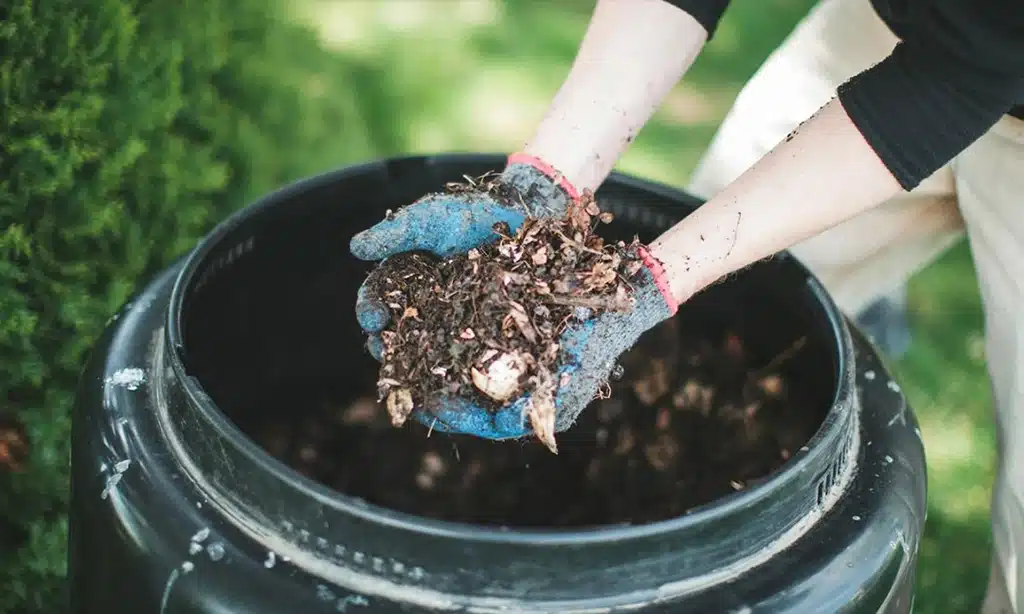
Finding the perfect spot for your compost bin is a big deal, folks. You want a place that’s shaded, so your compost pile doesn’t dry out too fast. Think about tucking it under a tree or near a fence for some cover.
That way, moisture sticks around, and your organic matter breaks down nicely.
Also, pick a sheltered, warm nook on well-draining ground for the best results with your backyard composting. It keeps things cozy for the decomposition process, even in tricky weather.
Got a balcony or paved area? No sweat, you can still make a composting system work with a small setup like a worm bin or compost tumbler. Just find a corner that’s easy to reach, and you’re golden for turning food scraps and yard trimmings into nutrient-rich compost.
Gather Necessary Equipment
Hey there, let’s get started with the right gear for your home composting adventure. Having the proper tools makes backyard composting a breeze, so let’s chat about what you’ll need.
- First up, grab a compost bin or a compost tumbler to hold your organic matter. These containers keep everything neat and speed up the decomposition process by trapping heat. Pick one that fits your space, whether it’s a small bin for apartment composting or a bigger tumbler for a yard.
- Next, get a pitchfork or a shovel for turning your compost pile. Mixing helps air flow through, which is key for breaking down food scraps and yard trimmings. A sturdy tool makes this task way easier on your back.
- Don’t skip a good pair of gloves to protect your hands while handling grass clippings or garden waste. They keep you clean when you’re layering green materials like coffee grounds with brown materials like dry leaves. Trust me, your hands will thank you.
- Also, snag a kitchen caddy for collecting food scraps indoors. This little bucket lets you store wasted food before tossing it into your outdoor composting setup. It’s a simple way to cut down on trips outside.
- Lastly, consider a thermometer to check the compost temperature. Keeping an eye on the heat ensures your pile decomposes fast and turns into nutrient-rich compost. It’s like a cheat code for getting that black gold for your garden.
Understand What to Compost
Let’s chat about composting, folks. Figuring out what to toss into your compost pile is a big first step to making that nutrient-rich compost for your garden.
- Start with green materials, which are packed with nitrogen, like fruit and veggie scraps from your kitchen, used coffee grounds, crushed eggshells, fresh grass clippings, green plant cuttings, old flowers, and even those pesky weeds; these goodies kickstart the decomposition process and heat things up in your compost bin.
- Don’t forget brown materials, full of carbon, such as straw, torn-up paper, cardboard bits, dry leaves, woody prunings, and untreated sawdust; they balance out the mix and keep your compost heap from getting too soggy.
- Aim for a sweet spot of a 2:1 ratio, meaning two parts brown to one part green, to help your compost break down just right and avoid any funky smells in your backyard composting setup.
- Toss in food scraps, but only the plant-based kind like apple cores or potato peels, as they add to the organic matter and boost soil health down the line.
- Include yard trimmings like grass clippings or small twigs, since they’re perfect for recycling organic waste and cutting down on what heads to the landfill.
- Mix in some coffee grounds if you’ve got ‘em; they’re a fantastic green material that helps speed up the breakdown while adding a little punch to your compost tumbler.
Know What to Avoid Composting
Hey there, let’s chat about composting pitfalls. I’ve got some key tips to keep your compost pile from turning into a mess.
- First up, skip diseased plants when adding to your compost heap. These can spread nasty bugs to your healthy garden soil, ruining all your hard work. Toss them in the trash instead to protect your nutrient-rich compost.
- Next, avoid pet droppings, except for chicken manure, in your backyard composting. Waste from dogs or cats, even cat litter, can carry harmful germs. Keep your compost bin safe by leaving these out.
- Also, don’t toss in cooking fats or greasy leftovers. They attract pests and slow down the decomposition process big time. Your compost tumbler deserves better than a stinky, oily mess.
- Watch out for glossy paper or coated materials. These don’t break down well and can mess with the organic matter balance. Stick to plain paper or cardboard for smoother composting.
- Be cautious with weeds that have seeds. Adding them risks sprouting unwanted plants in your garden later. Pull those out and discard them far from your compost bins.
- Steer clear of treated timber or painted wood scraps. Chemicals in these can leach into your compost, harming soil health. Use natural wood chips if you need fillers like brown materials.
- Finally, avoid large branches or tough yard trimmings. They take forever to decompose and clog up your pile. Break them down elsewhere before considering them for your home composting setup.
Build the Base Layer of Your Compost
Let’s get that compost pile started, folks! Building a solid base layer is your first step to creating nutrient-rich compost for your garden.
- Start with a sturdy foundation by laying down twigs, mulch, or old potting mix at the bottom of your compost bin or heap. This base layer, vital for backyard composting, helps with drainage and lets air flow through, keeping things from getting too soggy.
- Spread this layer about 4 to 6 inches thick across the bottom of your compost area. Doing this sets up a strong start for the decomposition process and stops water from pooling at the base.
- Make sure to cover the entire bottom of your compost bin or pile with these materials. A good base prevents compacting and keeps your organic matter breaking down nicely for that finished compost.
- Add a bit of water to this layer to kickstart moisture retention. Just sprinkle enough to dampen it, but don’t soak it, as too much wet stuff can mess up the balance.
- Check that your twigs or mulch are spread out evenly before piling on more stuff. This step helps air move around, which is key for turning food scraps and yard trimmings into gold for your soil health.
- Keep this base layer loose, not packed tight, to help the whole compost pile breathe. A well-aired foundation means faster breakdown of green materials like grass clippings and brown materials like dry leaves.
Add and Layer Materials Properly
Hey there, let’s get that compost pile rocking with the right stuff. Adding and layering materials the smart way is key to great decomposition.
- Start with a solid base of brown materials, like dry leaves or twigs, to help air flow through your compost heap. These bits, often called carbon-rich stuff, build a strong foundation for your backyard composting setup. They stop things from getting too soggy down there.
- Next, toss on some green materials, think grass clippings or food scraps, for a nitrogen boost. This organic matter kicks the decomposition process into high gear. Keep this layer thin to avoid a stinky mess in your compost bin.
- Alternate those layers, always going brown then green, just like a sandwich. This mix of green and brown materials balances the nutrients in your pile. It’s a must for creating nutrient-rich compost for your garden.
- Sprinkle a bit of soil or finished compost on top after adding food scraps. This little trick cuts down on odors and keeps pesky critters away. Plus, it helps with moisture retention, so your pile stays happy.
- Cover your compost pile with a tarp or lid to trap heat and moisture. This step is vital for speeding up the breakdown of yard trimmings and coffee grounds. A cozy pile means faster results for your soil health.
- Keep layers loose, don’t pack them down like a suitcase. Air needs to sneak through for the magic of decomposition to happen. Tight piles slow everything down and mess up your home composting game.
- Aim for equal parts green and brown as you stack up your compost tumbler. Too much green, like veggie peels, can make it slimy. Too much brown, like cardboard, and it just sits there forever.
Maintain and Monitor Your Compost Pile
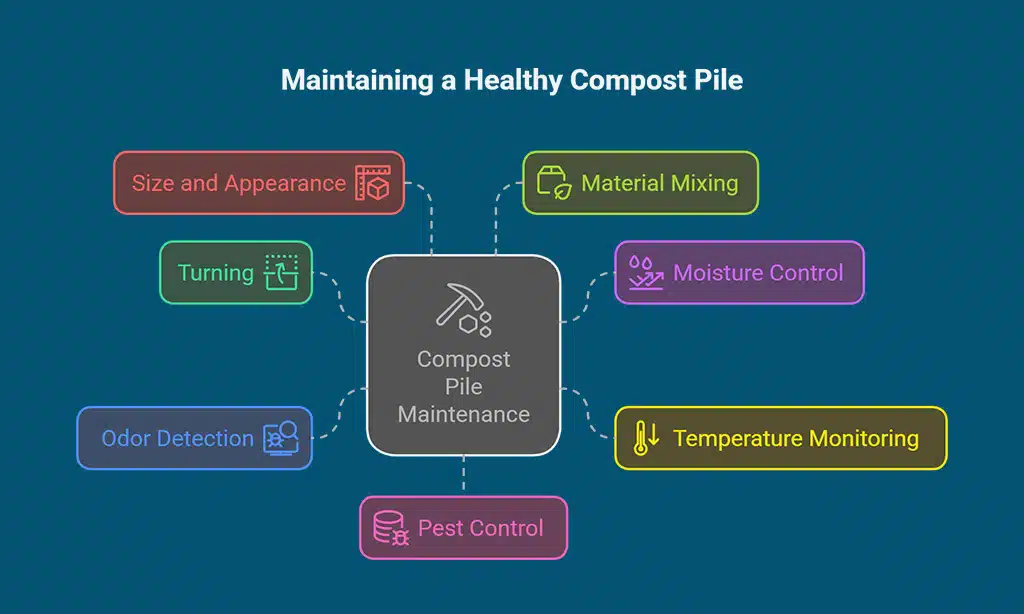
Keeping your compost pile healthy takes a little effort, but it’s worth it. Let’s dive right into how you can care for it with ease.
- Turn that compost pile weekly or bi-weekly to keep air flowing through it. This simple step stops bad smells and cuts down on greenhouse gas emissions by avoiding anaerobic conditions, where no oxygen gets in. It’s like giving your compost a breath of fresh air, and it speeds up the decomposition process for that nutrient-rich compost.
- Check the moisture in your compost bin often, aiming for a damp sponge feel. If it’s too dry, toss in some water or green materials like food scraps and grass clippings. Too wet? Mix in brown materials such as dry leaves to balance it out. Proper moisture retention keeps the pile working fast.
- Watch the compost temperature to see if it’s breaking down right. A warm pile, around 110 to 160 degrees Fahrenheit, means things are cooking nicely with organic matter. If it cools off, add more green stuff like coffee grounds or even a bit of pee to boost nitrogen levels and rev up the action.
- Sniff around for odd odors, a sign something’s off with your compost heap. A stinky pile often means no air, so turn it more or add brown materials to fix anaerobic spots. This keeps your backyard composting smooth and odor-free for better waste reduction.
- Peek at the size and look of your compost tumbler or pile now and then. If it’s not shrinking after a few weeks, the mix might need tweaking with more yard trimmings or food waste. Composting can take months depending on size, so patience is key while you monitor progress.
- Stir things up regularly to blend green and brown materials for even breakdown. Use a pitchfork or other composting tools to mix well, ensuring no clumps slow down the process. This helps create that perfect soil amendment for your garden’s soil health.
- Keep an eye out for pests sneaking into your outdoor composting setup. If critters show up, bury food scraps deeper or cover the pile with a tight lid. Protecting your compost ensures it stays safe and useful for recycling organic waste.
Avoid Common Composting Mistakes
Hey there, let’s keep your composting journey smooth. I’ve got some tips to dodge common pitfalls in your backyard composting adventure.
- First up, don’t let your compost pile turn into a stinky mess. If it gets smelly or slimy, toss in some dry stuff like shredded paper or dry leaves. Then, give that pile a good turn to mix it up. This trick helps balance the moisture and stops the rot from taking over your compost bin.
- Next, watch out for a pile that’s too dry, like a desert in your backyard. If it’s crumbling with no action, add wet green materials or even a splash of water. Heck, some folks use pee to boost moisture retention. Keep it damp, not soggy, for a happy decomposition process.
- Got flies buzzing around your food scraps? Cover fresh bits with cardboard to shoo them away. This simple step cuts down on pests hovering over your compost heap. It’s like putting a lid on a snack tray at a picnic.
- Worried about rats sneaking into your compost tumbler? Make some noise or add movement near the bin to scare them off. A little racket goes a long way in keeping these critters from munching on your garden waste. Think of it as setting up a tiny scarecrow.
- Don’t pile on too much of one thing, like only grass clippings. Mix in both green materials and brown materials for a balanced nutrient-rich compost. Too much of one kind slows down the breakdown, and nobody wants a sluggish pile.
- Avoid tossing in stuff that doesn’t belong, like diseased plants. These can spread trouble to your soil health later on. Stick to safe compostable materials, and you’ll save your garden from sneaky issues down the road.
- Finally, don’t ignore your pile after you build it. Check on the compost temperature and turn it now and then to speed up recycling organic waste. A little care keeps the process rolling for awesome home composting results.
Harvest Your Finished Compost
Dig into your compost pile and check for that rich, brown color. See if it crumbles easy in your hand, and take a whiff for a nice, earthy smell. That’s the sign your finished compost is ready to go.
Grab a shovel or a garden fork, and scoop out this nutrient-rich compost from the bottom or center of your heap. It’s like striking gold in your backyard, folks.
Don’t rush to dump it all on tiny seedlings, though. Homemade compost can be a bit strong for those little guys, so use it wisely. Spread a thin layer on your flower or veggie beds for a boost.
Or, mix it into potting soil with some online recipes for a custom soil amendment. Your garden will thank you with better growth and healthier plants.
Use Your Compost Effectively in Your Garden
Hey there, let’s make the most of that finished compost you’ve worked hard to create! It’s a game-changer for your garden, trust me.
- First off, spread your nutrient-rich compost around the base of your plants. This black gold boosts soil health, packing in vital nutrients that help veggies and flowers grow strong. It also cuts down on the need for chemical fertilizers, saving you cash and keeping your garden natural.
- Next up, mix some compost into your soil before planting. Doing this helps with moisture retention, so your plants stay hydrated even on hot days. Plus, it builds resistance against diseases, giving your garden a fighting chance.
- Try making compost tea for a quick nutrient hit. Soak a bit of your finished compost in water, let it sit for a day, and then pour it over your plants. This liquid goodness seeps right into the roots, speeding up plant growth like a shot of espresso.
- Don’t forget to top-dress your lawn with a thin layer of compost. This trick prevents soil erosion and keeps your grass looking lush. It’s like giving your yard a cozy blanket of organic matter.
- Use compost as a mulch around trees and shrubs. Lay it down thick to lock in water and keep weeds at bay. This method reduces household waste by recycling organic matter, making you a hero for environmental sustainability.
- Lastly, blend compost into raised beds for a supercharged growing space. It enriches the dirt, turning it into a powerhouse for vegetables and herbs. You’re not just gardening; you’re promoting mindfulness about food waste and smarter shopping habits.
Takeaways
Well, folks, you’ve got the scoop on starting your home composting journey! Isn’t it neat to turn food scraps and yard trimmings into nutrient-rich compost for your garden? Give it a shot, and watch your soil health bloom like a spring flower.
If you hit a snag with your compost pile, just tweak it a bit. Stick with it, and soon you’ll be bragging about your green thumb!
FAQs
1. What’s the first step to kick off home composting?
Hey, let’s dive right in with backyard composting or even apartment composting. Just grab a compost bin or a simple compost tumbler, and you’re on your way to recycling organic waste like a pro.
2. What stuff can I toss into my compost pile?
You can throw in food scraps, coffee grounds, grass clippings, and yard trimmings as green materials. Don’t forget brown materials like dry leaves to balance it out. Oh, and skip the diseased plants, alright, to keep your compost heap healthy?
3. How do I keep my compost bin from turning into a stinky mess?
Keep that compost temperature in check by turning your pile often. It helps with the decomposition process and stops bad smells from taking over your outdoor composting spot.
4. Can I do this indoors if I’m in a tiny space like a basement?
Absolutely, indoor composting or worm composting works great for small spots. Just use a small container for compostable packaging and food scraps to start making nutrient-rich compost.
5. Why bother with composting when I could just chuck stuff in trash incinerators?
Well, pal, home composting cuts down on waste management woes and boosts soil health. It’s like giving Mother Earth a high-five with environmental benefits of composting, reducing nutrient runoff, and preventing soil erosion. Plus, your garden will thank you with better plant growth instead of relying on synthetic fertilizers.
6. How long until I get that finished compost for my garden?
Hang tight, because turning organic matter into finished compost takes a few months with proper compost layering and moisture retention. Keep an eye on your composters, whether it’s a bin or tumbler, and mix green and brown materials often. Soon, you’ll have a soil amendment ready to enrich your soils and shrink your environmental impact.