On the surface, sports still look like they always have: a match on TV, a local game in the park, a marathon passing through a city. But below that surface, something much bigger is happening. Sports are no longer just a way to pass the time. They are quietly reshaping how we live day to day, how we work and build careers, and how we relax and play in an always-online world.
In other words, how sports is changing our lives has become one of the most important cultural and economic stories of this decade.
This article explores that transformation across three dimensions — how we live, how we work, and how we play — and what it means for the future.
From Pastime to Powerhouse: Sports in Everyday Life
For most of the last century, sports meant one thing: watching a game at the stadium or on television. Today, the picture is far more complex.

From Stadium Seats to Second Screens
Fans now follow sports everywhere. Live streaming, short-form clips, and social media updates have turned every moment into content. Many people do not watch full games. They consume highlights, behind-the-scenes clips, and data-driven analysis on demand.
The result is a huge shift in sports consumption habits:
- Fans watch on phones, tablets, and laptops, often while multitasking.
- Second-screen experiences (real-time stats, live chats, polls) are now the norm.
- Global audiences can follow leagues and athletes in real time, regardless of geography.
Sports is no longer confined to match day. It lives in timelines, notifications, and trending hashtags, shaping conversations well beyond the final whistle.
The Sports Industry as a Global Economic Engine
The economic impact of the sports industry has grown into the trillions when you include media rights, sponsorships, betting, merchandising, and tourism.
Major events like World Cups, Olympics, and franchise leagues drive:
- Infrastructure development (stadiums, transport, urban renewal)
- Job creation in media, logistics, security, and hospitality
- Brand campaigns that run for months around a single tournament
Sports has moved from “entertainment budget” to “strategic industry,” and that status is shaping policy, investment, and urban planning.
The Rise of Sports Technology
At the same time, sports and technology are deeply intertwined. Data analytics, performance tracking, fan apps, virtual and augmented reality, and smart stadium systems have created a fast-growing sports tech sector.
From the way athletes train to the way fans buy tickets and watch games, technology is making sports more:
- Measurable
- Personalised
- Immersive
These innovations are not just changing sports. They’re also feeding directly into how we live, work, and play.
How Sports Is Changing Our Lives
Sports now influence our daily routines, our health, our mental well-being, and even the communities we belong to.
Health, Habits, and the Wearable Revolution
One of the clearest ways sports is changing our lives is through sports wearables and fitness trackers.
Smartwatches, smart rings, heart-rate straps, and GPS devices have turned ordinary people into “everyday athletes.”
You may not play in a professional league, but you:
- Track your steps, calories burned, and standing time
- Monitor heart rate, sleep patterns, and stress levels
- Join app-based challenges and leaderboards with friends or colleagues
This is the quantified-self movement, powered by technology that originally evolved from elite sports performance tools. Professional-grade data is now in the hands of amateur runners, cyclists, and gym-goers everywhere.
From Passive Fan to Active Participant
The line between spectator and participant is blurring:
- A marathon on TV inspires people to sign up for their first 5K run.
- A football league’s fitness challenge app nudges fans to walk more.
- Cycling races drive sales of smart bikes, indoor trainers, and related apps.
The role of sports in modern life is no longer just to entertain. It is to push us towards healthier routines, step by step, day by day.
Sports and Mental Health, Identity, and Community
Sports are not only about physical health. It also plays a powerful role in mental health and social well-being.
Sport as a Mental Health Anchor
Participation in sports and regular physical activity is closely linked with:
- Reduced stress and anxiety
- Better mood and higher self-confidence
- A sense of achievement and personal progress
Recreational leagues, running clubs, yoga communities, and fitness classes provide structure and support. Many people find that the pitch, gym, or run route becomes a safe space to disconnect from work pressure and digital overload.
This is where the connection between sports and mental health becomes most visible. For many, the weekly game or morning workout is a healing ritual.
Belonging, Tribalism, and Social Capital
Supporting a club or national team gives people a shared identity. Scarves, jerseys, chants, and memes create a sense of belonging that crosses age, class, and background.
Sports build social capital in several ways:
- Local clubs bring neighbours together.
- Online fan communities connect people across continents.
- Shared wins and losses become reference points in friendships and family stories.
In a world that often feels fragmented, sports offer a simple, powerful answer to “Where do I belong?”
From Margins to Mainstream: Women’s and Inclusive Sports
Another key part of the impact of sports on society is the rapid rise of women’s sports and inclusive programmes.
- Women’s leagues are drawing record attendances and broadcast deals.
- Female athletes are becoming major global influencers and brand ambassadors.
- Coverage and investment are slowly catching up with public interest.
Inclusive and adaptive sports programmes are also transforming how we think about ability. Para-sports, wheelchair leagues, and unified competitions show that traditional physical norms do not limit competition, teamwork, and joy in movement.
The message is clear: sports are expanding who gets to participate — and who gets to be seen.
How Sports Is Changing the Way We Work
The influence of sports is just as visible in today’s workplace and business culture.
Sports as a Serious Employer and Business Ecosystem
The sports economy supports much more than athletes and coaches.
It encompasses:
- Media and broadcasting
- Digital content creation and social media
- Event management and operations
- Sports marketing and sponsorship
- Sports law, finance, and player representation
- Data analytics and sports science
- Product design, e-commerce, and fan merchandising
This ecosystem is growing as leagues expand, new tournaments appear, and more countries invest in sports infrastructure. Entire cities are being repositioned as sports destinations, with jobs created around events, venues, and tourism.
The Boom in Sports Tech and Data Jobs
Another area where sports and technology intersect is the growth of analytics and digital experiences.
New roles now exist at the intersection of sports and tech:
- Performance analysts interpreting data from GPS vests and motion sensors
- App developers creating fan engagement platforms and fantasy sports products
- UX designers building immersive streaming interfaces
- Data scientists predicting injuries, performance trends, and fan behaviour
The demand for these skills reflects a broader shift: sports is increasingly driven by data-driven decision-making. From recruitment to strategy to engagement, numbers matter.
The Office Learns from the Locker Room
Corporate culture has borrowed heavily from the language and structure of sports.
Teamwork, Coaching, and High Performance
Companies now talk about:
- “High-performance teams” instead of departments
- “Coaching conversations” instead of performance reviews
- “Seasonal sprints” instead of projects
Leadership workshops often feature athletes or coaches who share lessons about resilience, teamwork, and focus. Stories from locker rooms and finals become templates for navigating crises and change in the workplace.
Corporate Wellness Becomes Sporty
At the same time, sports and workplace culture are connected through wellness programmes. Employers recognise that healthier employees are more productive and engaged.
So they are:
- Sponsoring gym memberships or sports club fees
- Running step-count or cycling challenges
- Integrating wearables into wellness rewards programmes
- Organising in-house tournaments and activity days
This makes physical activity part of the work story, not just something people do after hours. Also, low-impact exercises and sports are changing the way of it.
Remote Work and Sports Consumption
The rise of remote and hybrid work has also changed how and when we watch sports:
- Staff can flex their hours to watch major matches live, then work later.
- Some teams schedule internal breaks during big games to boost morale.
- Fans follow games via mobile apps or muted streams alongside their tasks.
The relationship between remote work and sports consumption is still evolving, but the trend is clear: the old rigid line between work time and sports time is fading.
Sports Values in Entrepreneurship and Innovation
Many entrepreneurs openly credit sports for shaping how they build companies:
- Training discipline becomes daily execution.
- Learning from defeat becomes iteration and pivoting.
- Team roles and tactics become organisational design.
Athletes are also becoming investors and founders, creating brands in nutrition, apparel, media, and technology. They bring their fan bases, credibility, and competitive mindset into the business world, blurring the line between athlete and entrepreneur.
How Sports Are Changing the Way We Play
Entertainment has changed dramatically in the digital era, and sports sit at the centre of that shift.
Streaming, Social Media, and the Always-On Fan
Fan engagement today looks nothing like it did in the cable TV era.
From Spectator to Co-Creator
Fans are no longer passive viewers. They:
- Create reaction videos, podcasts, memes, and fan art.
- Run their own analysis channels and blogs.
- Participate in live chats, polls, and watch-along sessions.
This ecosystem of fan content extends the life of every moment in sport. A single play can turn into thousands of TikToks, threads, and think-pieces.
Global Digital Fan Communities
Supporters of the same club might:
- Watch together on group calls from different countries.
- Join global fan groups on messaging apps.
- Organise meetups when their team tours internationally.
Digital platforms have turned clubs into global communities, not just local institutions.
Esports, Gaming, and Hybrid Competition
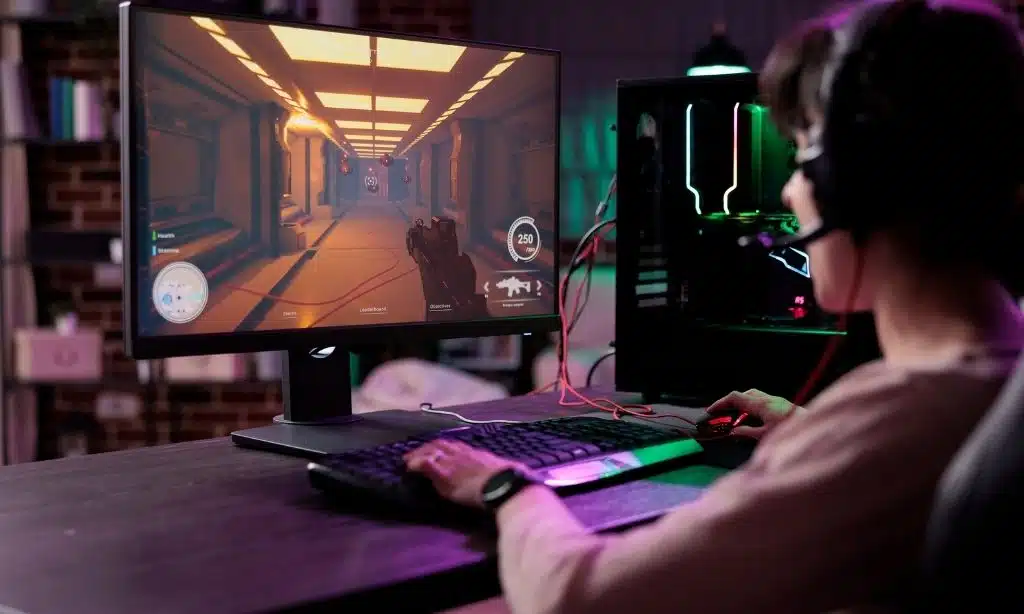
Another layer of how sports are changing the way we play is the rise of esports and sports gaming.
- Professional esports leagues now mirror traditional sports structures.
- Traditional clubs sign esports players to represent them in virtual competitions.
- Sports video games host official tournaments with major prizes.
Beyond competitive gaming, the gamification of fitness brings sports energy into everyday routines:
- Running and cycling apps give virtual badges, ranks, and digital trophies.
- People join virtual races and leaderboards instead of physical events.
- Home fitness platforms blend workouts with game-like scoring and progress tracking.
Here, “play” is no longer limited to physical fields or courts. It includes digital arenas, avatars, and data-driven challenges.
Smart Stadiums, AR/VR, and the Future of Live Experience
The live experience is changing both inside and outside stadiums.
The Stadium as a Smart Destination
Modern venues are increasingly “smart”:
- Digital ticketing and contactless entry reduce queues.
- Apps show seat locations, restroom wait times, and concession options.
- Fans can order food to their seats with a tap.
- Integrated Wi-Fi and screens deliver live stats and replays.
The stadium is now a connected environment, designed to maximise comfort, safety, and engagement.
AR/VR and Mixed-Reality Fandom
With virtual reality and augmented reality, fans can:
- Experience courtside or pitchside angles from home.
- See live stats overlaid on the screen while watching.
- Choose their own camera angles during a match.
For people who cannot travel or afford tickets, mixed-reality experiences offer a new form of presence. The idea of “attending” a game is being redefined.
Who Gets Left Out? Inequality, Access, and the Darker Side
Despite all these positive changes, the way sports is changing our lives also raises difficult questions.
The Access and Affordability Gap
Sports can be expensive:
- Equipment and club fees put pressure on families.
- Tickets for major events are priced beyond the reach of many fans.
- Streaming fragmentation forces people to pay for multiple platforms.
Digital inequality also matters. Many of the benefits of sports tech — from wearables to interactive apps — are easier to access in wealthy, urban environments than in rural or low-income communities.
Commercialisation, Pressure, and Burnout
As sports become more commercial, pressure increases at every level:
- Young athletes may face early specialisation and intense training.
- Parents may invest heavily in coaching and travel, chasing scholarships or contracts.
- Fans are constantly targeted with promotions, betting offers, and merchandise campaigns.
The line between passion and burnout can be thin. The role of sports in modern life must be balanced with the need for rest, playfulness, and genuine joy.
Ethics, Integrity, and Governance
Growing money and visibility bring ethical challenges:
- Match-fixing and illegal betting undermine trust.
- Doping and performance-enhancing drugs threaten athletes’ health and competition fairness.
- Sportswashing and political controversies raise questions of values and accountability.
If sports are going to keep shaping how we live, work, and play, they must also maintain integrity and fairness. Strong governance and transparent regulation are essential.
What the Future Looks Like: Sports in the Next Decade
Looking ahead, several trends show where the impact of sports on society is likely to go.
Hyper-Personalised Sports Experiences
With AI and data analytics, fans and participants can expect:
- Personalised highlight reels based on favourite players, teams, or moments.
- Tailored coaching insights from wearables and smart equipment.
- Training plans that adapt in real time to performance and recovery data.
This is sports and technology at their closest point of contact — turning every fan and amateur into a unique data profile.
More Inclusive, More Digital, More Global
The sports world is becoming:
- More inclusive, with growing attention to women’s sports, para-sports, and community programmes.
- More digital, with content and competition designed primarily for online consumption.
- More global, as leagues expand into new regions and time zones.
Sports will continue to be a powerful tool for connection, education, and inspiration — if access and affordability keep improving.
Sports as a Blueprint for Healthier, Smarter Cities
City planners are increasingly aware of the benefits of active citizens.
Sports will influence:
- The design of public spaces, including running routes, bike lanes, and community courts.
- Investments in multi-use arenas that host not only games but also concerts, conferences, and community events.
- Policies that link sport, public health, and urban quality of life.
In this way, sports are not just an outcome of social change. It becomes a driver of how we organise and experience our cities.
Bottom Line: More Than “Just a Game”
From smartwatches to smart stadiums, from boardrooms to bedrooms, sports are woven into the daily rhythms of modern life.
The question of how sports is changing our lives now has a clear answer:
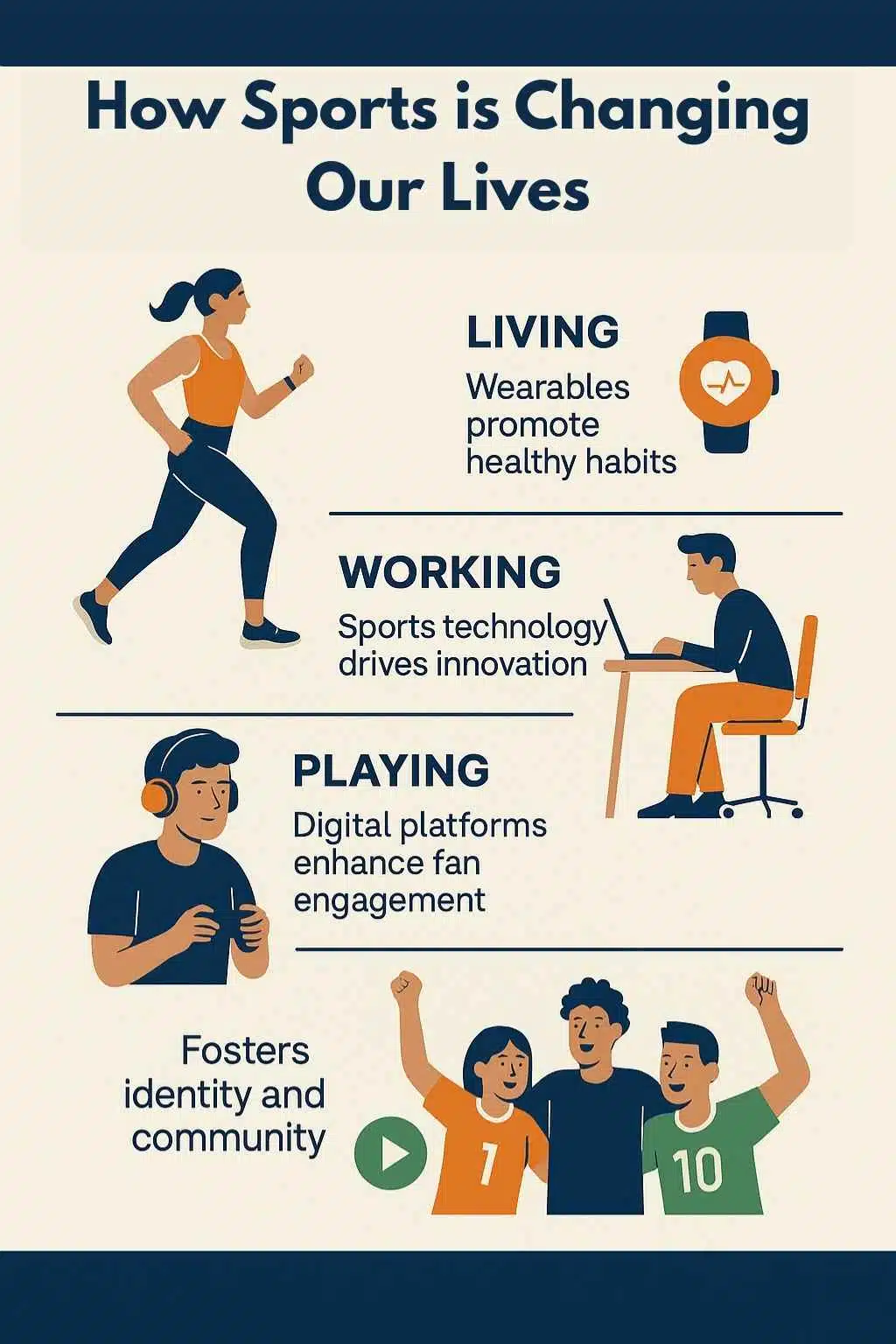
- It changes how we live by shaping our health habits, mental well-being, and sense of community.
- It changes how we work through new careers, corporate cultures, and wellness practices inspired by sport.
- It changes how we play via digital fan experiences, esports, and immersive technologies that stretch the meaning of participation.
Sports have evolved into a kind of social operating system — influencing identity, economics, technology, and culture all at once.
The challenge for fans, policymakers, and businesses is to guide this transformation in a way that is inclusive, ethical, and genuinely human. If we can do that, sports will not only reflect our world. It will help build a better one.