Many of us buy new sunglasses each summer. The frames break fast, and we toss them in the trash. We worry about disposal and environmental harm. We want shades that blend style, sustainability, and protection.
One NYC label uses 95 percent recycled metal, biobased castor seed oil, and ocean plastic to craft durable eyewear. This guide to eight Eco-Friendly Sunglasses Brands will help you find shades that last, protect your eyes, and reduce waste.
We include budget picks like Zenni, polarized lenses, and frames made from FSC Certified hardwoods. Read on.
Key Takeaways
- Quince uses 95% recycled metal, biobased castor seed oil, and ocean plastic. It adds bamboo, cork, and reclaimed FSC wood. The brand does life cycle assessments to cut waste.
- Eco Eyewear’s New York label and Italy’s Sea2see partner with fishers to melt marine plastic into frames. Brands like Saint Owen, SmartBuyGlasses, Peepers, SeaClean, Woodzee, Pela, and Proof Eyewear made 2025’s top eco lists.
- Sunski makes light frames with polarized lenses that block 100% UVA and UVB rays. It backs every pair with a free lifetime warranty.
- Pela casts plant-based bioplastic frames that fully compost at home within one year. Pala Eyewear donates 10% of sales to fund eye clinics in Ghana and Kenya.
- Woodzee handcrafts FSC-certified hardwood frames. SOLO Eyewear uses bamboo and recycled plastic. Zenni sells eco frames for under $20 in recycled paper cases.
Quince: Affordable and Sustainable Style
Quince blends sustainable fashion and low costs. The brand crafts frames from 95 percent recycled metal, biobased castor seed oil, and ocean plastics. Designers add bamboo, cork, and reclaimed wood from FSC certified forests.
They track resource use and cut material degradation with a life cycle assessment.
Quince shapes sunglass lenses that resist scratches and glare. The company joins circular economy experts to limit waste and guard natural resources. It meets strict guidelines for environmental responsibility in every step.
Eco Eyewear: Made From Recycled Materials
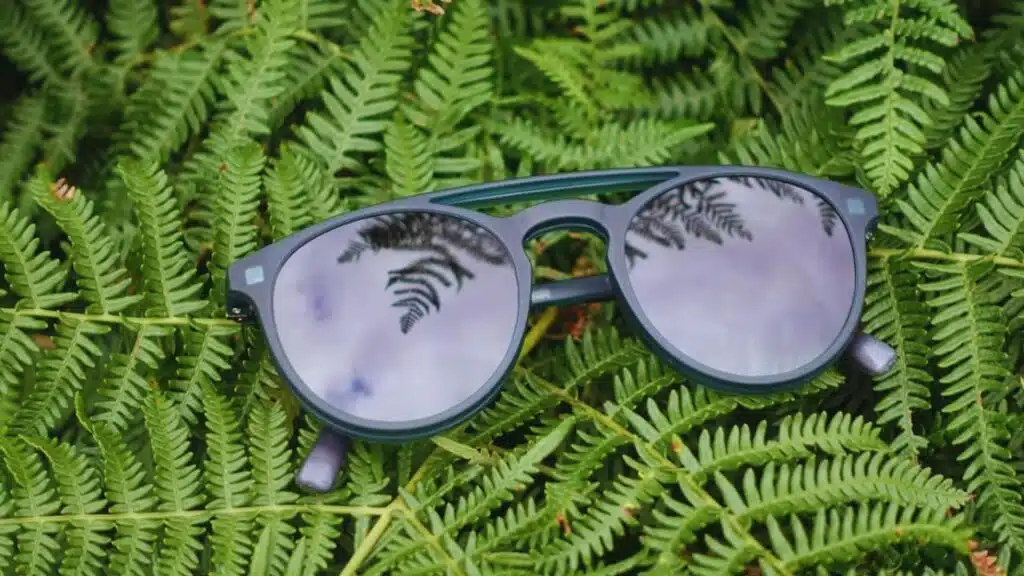
A New York label crafts frames from 95 percent recycled metal, biobased castor seed oil, and ocean plastics. Sea2see, an Italian glasses maker, melts marine plastic with help from local fishermen to form new sunglass parts.
Designers test sustainable prescription sunglasses in low-waste workshops to cut energy and water use. Eco brands like Saint Owen, SmartBuyGlasses, Peepers and SeaClean make style while they protect nature.
Brands such as Woodzee, Pela and Proof Eyewear join the 2025 list of cool, ethical shades.
Some makers turn to bamboo, cork or reclaimed wood for light, sturdy frames. GROWN crafts pairs from bamboo, maple, ebony and walnut woods that carry FSC certification. Designers work sustainably at each step to lower carbon and toxin spread.
Customers wear these sunglasses to look good and do good.
Sunski: Lightweight Frames with a Lifetime Warranty
Sunski builds light frames. You can wear them all day. A lifetime warranty covers every model. Repairs come at no cost, any time.
Reviewers list this brand with Saint Owen, SmartBuyGlasses, and Peepers as cool sustainable names of 2025. The brand uses ethical production methods. Every pair blocks 100 percent UVA and UVB rays when paired with polarized lenses.
Pela: Plant-Based and Biodegradable Sunglasses
Pela casts frames from plant-based bioplastic that carries a low carbon footprint, using biobased castor seed oil and bits of recycled ocean plastic. Their models meet compostability tests and break down fully in home compost bins within a year.
Parts feel light on the nose, they add no toxic chemicals, and they cut waste at every turn.
Pela sunglasses joined the coolest sustainable brands of 2025 alongside SeaClean and Proof Eyewear. The brand uses life cycle analysis to cut greenhouse gas emissions at each step.
It avoids fossil-derived polymers, opting for compostable bioplastic.
Woodzee: Handcrafted Wooden Frames
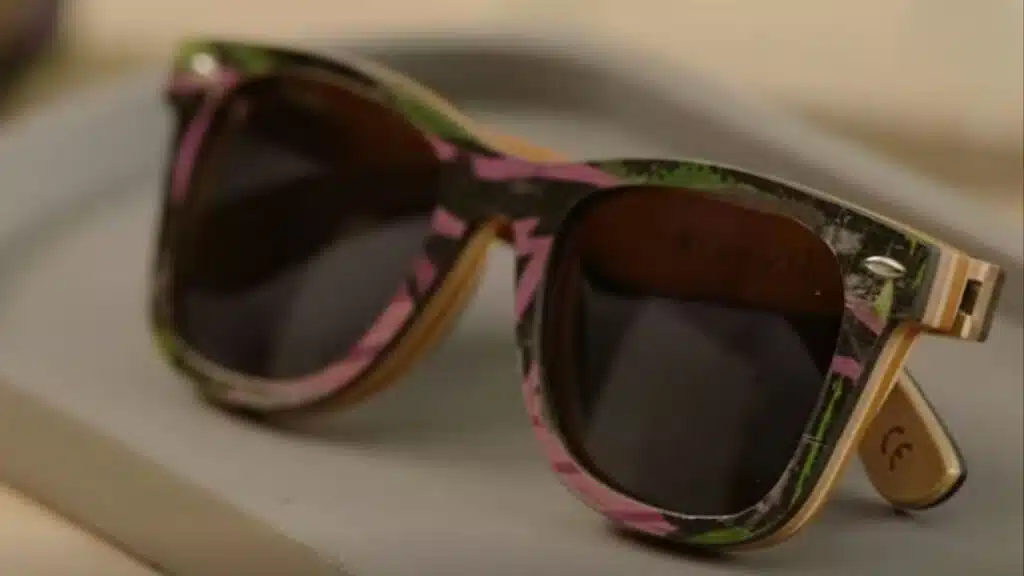
Woodzee handcrafts sunglasses from reclaimed hardwood, like sugar maple and black walnut. Their artisans carve each frame with a scroll saw and fine sandpaper. They buff the wood until it feels smooth.
They finish it with plant-based oil to guard against water. They add cork nose pads and bamboo temples for extra comfort.
Design blogs rank Woodzee among the coolest sustainable brands of 2025. Readers love the warm grain in each pair. The light feel makes them easy to wear all day. They cut plastic waste, and they reduce carbon footprints.
Each pair shows how style can help protect the earth.
Pala: Supporting Eye Care Initiatives in Africa
Pala Eyewear crafts frames from 95 percent recycled metal, bio-based castor seed oil, and plastic pulled from ocean clean-ups. They joined the SmartBuyGlasses list of coolest sustainable brands in 2025.
They also follow strict ethical trade paths to keep coastal communities strong.
The brand pledges ten percent of sales to fund vision clinics in Ghana and Kenya, helping thousands get eye tests and glasses each year. Their mission links style with purpose. Their methods mirror top eco-friendly standards.
SOLO Eyewear: Bamboo and Recycled Plastic Frames
SOLO Eyewear uses bamboo and recycled plastic to craft frames. Designers shape each piece with laser cutters and injection molds. Bamboo renews quickly and soaks up carbon. Plastic waste comes from ocean cleanups and keeps debris out.
This brand leads a wave of zero waste sunglasses. The team avoids toxic chemicals and cuts new plastic demand. Customers get light, tough shades that marry style with green ethics.
Proof Eyewear: Bold Designs Using Sustainable Materials
Proof Eyewear shapes frames that stand out in color and form. The New York City label molds 95 percent recycled metal for frames, blends biobased plant oil into durable parts, and recycles ocean plastics for bold looks.
Editors spot them next to Bonnie Clyde and Akila on ethical sunglasses lists. The name sits with Saint Owen, SmartBuyGlasses, Peepers, Woodzee, Pela, and SeaClean on 2025’s top choices.
Design teams sculpt thick rims and bright hues to catch the eye on a beach, street or trail. Each pair meets fair labor and low impact rules for truly sustainable sunglasses. Readers find proof of change with every bold frame.
Zenni: Budget-Friendly Eco Options
Zenni sells sustainable eyewear on a small budget. It uses recycled plastic and plant-based materials. You can snag frames for under $20. The brand makes prescription sunglasses with eco-conscious design and mindful manufacturing.
The label packs shades in recycled paper cases. Staff wraps them in minimal packaging. Ethical production guides each step. These glasses show low cost and green goals can sit side by side.
Why Choose Eco-Friendly Sunglasses
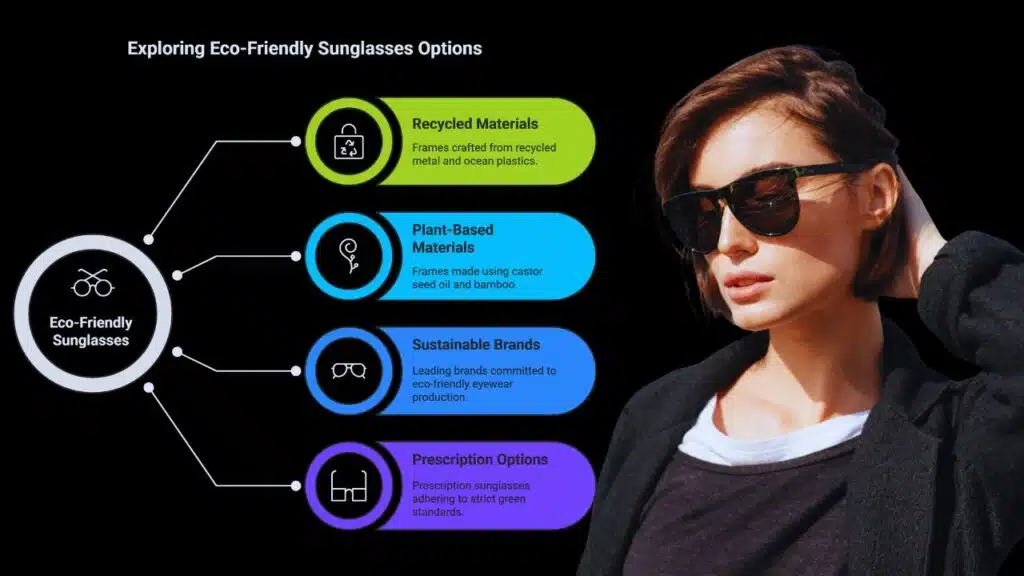
Choosing planet-friendly shades cuts plastic waste. Brands blend recycled metal, castor seed oil from plants, and ocean plastics into frames. A New York label uses 95 percent recycled metal and sea waste in each pair.
Sea2see teams with fishers to turn marine debris into fresh eyewear. Names like Saint Owen, Peepers, Woodzee, and SeaClean lead the sustainable sunglasses market in 2025.
Materials such as bamboo, cork, and reclaimed wood avoid virgin plastic. Grown shapes frames from bamboo, maple, ebony, and walnut certified by the Forest Stewardship Council. Labels like Sunski, Covry Pala Eyewear, and Akila mix style with eco ethics.
Prescription lines follow strict green rules in their design and making. These options boost your look and help the earth.
Takeaways
These brands show that eco-friendly shades can blend style with responsibility. Each frame uses recycled metal, bamboo or repurposed ocean plastic. You wear plant-based, biodegradable lenses that feel light on the skin.
Sunski adds a lifetime warranty so you can plan long adventures. Woodzee shapes FSC certified hardwoods into chic looks. Pala funds eye care in Africa, and Proof Eyewear crafts bold designs.
Zenni caps off the list with budget-friendly green picks. You help the planet when you pick any of these labels.
FAQs
1. What makes 8 eco-friendly sunglasses brands special?
They use recycled plastic, bamboo stems, or ocean waste. They choose plant based hinges, water based dyes, or bio acetate. They cut waste, stay green, keep style fresh, and bring sustainable design with flair.
2. How do these eco-friendly sunglasses brands stay stylish and sustainable?
They mix bright frames with neat cuts, and add fresh hues, fine lenses. They pick shapes that fit all faces, and they make bold looks with green parts, while they keep their sustainable plan.
3. Can I find a pair that fits my face and stays sustainable?
Yes, they offer guide charts, small to large shapes. They hug round faces well, they fit square and oval heads. Each pair uses upcycled parts, each stay green, each stays sustainable.
4. Are these eco-friendly sunglasses brands as tough as regular shades?
Yes, they test the bio plastic, press the bamboo, mold the ocean waste. They use scratch guard lens. They hold up to heat, drops, and rough use. They last long, they stay sustainable through wear.