Do you watch your bills climb as heat slips through leaky walls? Cob houses use clay, sand, and straw as building materials for strong thermal mass. This post spotlights ten cob methods, from green roofs to passive solar design, adding recycled materials for top energy efficiency.
Ready to learn more?
Key Takeaways
- Cob homes use clay, sand, and straw to form 1-ft-thick walls that cost about 10% of a standard home and have stood for over 10,000 years.
- Packing straw bale infills into cob raises wall R-values by about R-2 per inch, cuts heat loss, and taps local hay for a circular economy.
- Integrating oak or reclaimed wood timber frames with cob boosts structural support, resists earthquakes and wind, and cuts carbon by reusing lumber.
- Applying lime or clay plaster wicks away moisture, improves indoor air quality, and can include recycled glass or denim for added insulation.
- Orienting walls east–west, fitting low-e windows, and adding green roofs or passive solar overhangs slashes heating and cooling bills by up to 30%.
What Is Traditional Cob Building and How Is It Done?

Builders shape clay, sand, and straw into thick walls. This blend forms a sturdy thermal mass and good thermal insulation. Workers mix ingredients by foot or in a mixer. They apply each layer by hand with a tool.
They pack walls about a foot thick. This method costs one tenth of a standard home. Builders can recycle cob after demolition, leaving no waste. They use local, renewable resources.
Green building fans love cob homes. The oldest cob house has lasted 10,000 years despite wind and rain.
Walls air dry for days or weeks, based on local climate. They can carve benches and shelves right into walls, like clay pottery. Each home needs no fancy gear or steel frames. Cob boosts indoor air quality and cuts carbon emissions.
It cuts energy consumption for heating and cooling. Many builders call it a solid pick for sustainable building.
Cob with Straw Bale Infills for Enhanced Insulation
Packing straw bundles inside cob walls feels like wrapping your home in a thick quilt. It boosts thermal mass, cuts energy use, lifts indoor air quality, and even works wonders alongside low-emissivity glazing—read on to see the details.
How Do Straw Bale Infills Improve Cob Wall Insulation?
Hay bundles press tightly into cob frames. They block heat loss with their loft and trapped air. Builders call this method cob with straw bale infills. It raises wall R-values by about R-2 per inch and cuts heat flow.
Farmers know bales hold warmth, like a thick coat around a house.
This mix uses renewable materials. It adds thermal mass from cob, plus high thermal resistance from bales. Homeowners slash heating bills and boost energy efficiency. It meets sustainable construction goals and cuts energy consumption.
Local hay bundles link to a circular economy and reduce construction waste.
What Are the Best Practices for Combining Straw Bale with Cob?
Mix cob and straw bale walls to boost thermal insulation and energy efficiency. A cob house costs about one tenth the price of a standard home.
- Select dry straw bales for top thermal insulation and to meet renewable materials goals.
- Layer cob over bale surfaces to bond insulation and thermal mass for lasting energy efficiency.
- Anchor bales firmly within a post and beam frame using recycled steel ties.
- Compress each cob layer into bale gaps to boost wall density and reduce thermal bridging.
- Wrap the base in an insulated concrete form to block moisture and create a low carbon concrete footing with fly ash.
- Seal all joints with lime plaster to use non-toxic materials and to promote indoor air quality.
- Install a reflective barrier behind interior finishes to lower fossil fuels used for heating and cooling.
- Position walls for passive solar design to harness solar energy and natural light.
- Use reclaimed wood beams from locally sourced materials to tie cob and bale layers and cut construction waste.
- Test moisture levels often with a hygrometer to avoid rot and mold in natural building.
Integrating Timber Framing with Cob for Structural Support
Oak beams slot into thick cob with wooden pegs, boosting wall support and using renewable materials. A crosscut saw and level shape layered wood panels, and the build gains thermal mass—read on.
How Does Timber Framing Strengthen Cob Structures?
Heavy timber frames hold up cob walls. Builders notch beams and posts to lock them together. They fill large timbers with cob to boost stiffness and load support. This setup stabilizes walls against earthquake jolts and wind.
Reclaimed wood cuts carbon footprint and warms each room. It pairs with cob to add thermal mass and reduce heating needs. Post and beam design lets builders create wide spaces and high ceilings.
The earthen walls wrap around the frame to keep drafts out. Each home gains durability and remains environmentally friendly.
What Are the Steps to Combine Timber and Cob Effectively?
Timber frames give cob walls structure and form. This mix of wood and mud makes homes at one tenth the cost of a normal build.
- Choose reclaimed wood or cross-laminated timber for posts and beams in a post and beam framing system, fit steel hardware at each joint, they bring renewable materials and solid support.
- Mark beam spots on a solid foundation, sketch each position on paper to guide frame assembly and control thermal mass.
- Shape mortise and tenon joints with simple tools, carve tight fits that cut waste and boost indoor air quality.
- Prepare a cob mix of clay, sand, plant fiber, and water, test small batches for consistent texture and sustainable design.
- Press mud into cavities between beams, fill every gap, add recycled glass or straw for better insulation.
- Let walls dry slowly, watch moisture levels to protect low-voc finishes and stop cracks.
- Apply a lime and clay finish, pick non-toxic coatings that improve indoor environment and resist weather.
How Can Recycled Materials Be Used in Cob Construction?
Builders often salvage beams from old barns. They clean the reclaimed wood then fit it as roof rafters. This cuts waste and trims deforestation. Cob walls gain more thermal mass when beams go in.
Workers use a mason’s trowel to pack mud around the wood. Some mix recycled glass shards into plaster for extra thermal insulation. These bits glow when they catch sun. Local DIY crews love this low-carbon method.
These elements rank high among sustainable building materials.
Engineers add recycled steel bars to strengthen the frames. They embed them in cob walls for better load bearing. This step boosts resilience in high winds. Cheap steel cuts construction waste too.
Craftspeople set energy-efficient windows before plastering. That move saves heating costs by thirty percent. Homeowners can add smart thermostats to track use. Good airflow then fine tunes indoor air quality.
Teams aim for net zero by pairing green roofs and solar panels.
What Natural Plasters Work Best for Breathable Cob Walls?
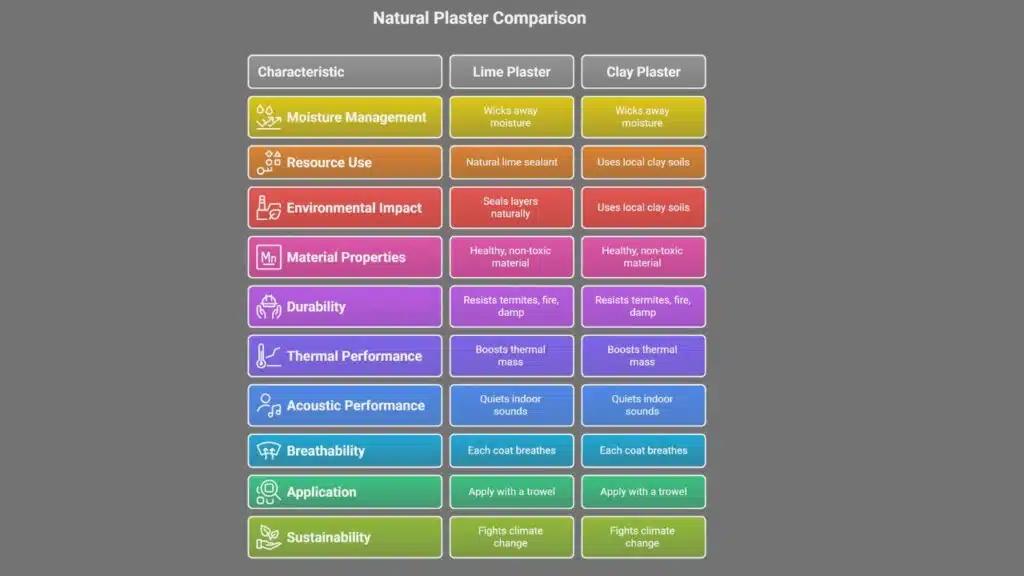
Lime plaster and clay plaster work best for cob walls. They wick away moisture, improving indoor air quality. Clay and adobe plaster use local clay soils, so builders tap into renewable resources.
They form a healthy, non-toxic material that resists termites, fire, and damp. They boost thermal mass and quiet indoor sounds. Each coat breathes, so walls dry fast and cut energy use.
You can stir shredded recycled glass or recycled denim into a closed-loop mix on a mortar board. You apply it with a trowel in thin coats. Such recipes cut construction debris, boost thermal insulation, and drive energy efficiency for eco-friendly construction.
You seal layers with natural lime to resist weather. Each wall stays strong and fights climate change.
How Can Green Roofs Be Added to Cob Buildings?
Green roofs add life to cob homes. Cob houses cost about one tenth of a standard build, and green roofs boost insulation and tame rainwater.
- Secure sturdy beams with reclaimed wood or recycled steel. These frames hold deep soil and live plants without sagging.
- Spread a tough liner and a root barrier over the cob. This combo blocks moisture and roots from seeping inside.
- Add a 2-inch layer of lightweight clay beads for stormwater management. This material drains fast and cuts roof weight.
- Pull a filter cloth over the beads to block fine particles. This step boosts indoor air quality and protects drains.
- Blend local topsoil with recycled compost and straw bale ash for a rich planting mix. This sustainable construction mix feeds plants and lowers waste.
- Plant low profile succulents, native grasses, or wildflowers to improve thermal insulation and air quality. These hardy plants need little care and add green charm.
- Attach gutters, a rain barrel, and a moisture check tool to track water use. This setup cuts runoff and supports water management goals.
How Do You Incorporate Passive Solar Design into Cob Homes?
Passive solar design taps natural light and warmth. It boosts comfort and cuts energy bills.
- Align major walls along an east–west axis to catch south sun in winter and cut heating costs. This layout uses passive solar design and building orientation as key sustainable building materials strategies.
- Fit low-e, energy-efficient windows on south facades to trap solar warmth and seal out drafts at night. These windows link to net-zero energy building goals and boost indoor air quality.
- Soak warmth in thick cob walls to use thermal mass like a heat battery that holds warmth for hours. This system cuts reliance on a water heater or air conditioning unit.
- Shade summer sun with roof overhangs sized using a sun angle chart tool to block high July rays yet let in low winter light. This step adapts construction materials and reduces cooling loads.
- Place mass concrete slabs under south windows to store heat by day and radiate it by night. This mix of low-carbon concrete and cob walls smooths temperature swings.
- Use a sun angle calculator to study seasonal sun paths and fine-tune window and wall placement. This planning tool trims construction waste reduction and boosts energy efficiency.
- Install a smart thermostat to log indoor air quality and control heat release from cob thermal mass. This device links sustainable construction with smart home tech and can run alongside solar panels.
- Seal air leaks with low-voc caulk and recycled glass insulation to stop unwanted heat loss. This move fits sustainable building materials and helps cob homes cost about one-tenth of a conventional build.
Takeaways
Cob walls craft greener homes, and builders nod with approval. You can layer thermal mass and add passive solar design in a snap. Builders mix clay, sand, straw with recycled glass and reclaimed wood, wielding a masonry spatula, garden cart, and spirit gauge.
Each step cuts energy use, boosts indoor air quality, and adds lasting charm. Buyers clamor for smart houses with green roofs, energy-efficient windows, and low-VOC finishes.
FAQs
1. What is cob building and why is it part of eco-friendly construction?
Cob is like a mud cake that we bake into home walls. It mixes earth, sand, straw, and water. It is a type of natural buildings that use locally sourced materials and recycled materials. It cuts the effect of buildings on nature, and points to a sustainable future.
2. How do cob walls help thermal insulation and passive solar design?
Cob has strong heat storage, or thermal mass. It soaks up warmth by day, then gives it back by night. It works like a battery for the sun. This boosts energy efficiency, you use less heat or AC.
3. Can I mix recycled steel, recycled glass, or low-carbon concrete into cob?
Yes, you can stir in bits of recycled glass, scraps of recycled steel, or low-carbon concrete in your concrete mixtures. You can also drop in reclaimed wood. This move cuts construction waste and uses renewable materials.
4. What other eco-friendly materials pair well with cob?
Try stacking straw bales or seal gaps with wattles. Add green roofing materials on top, it helps with hot water and water-heating. Use non-toxic, low-voc materials to keep indoor air quality high. You breathe easy.
5. Does cob support solar panels, smart thermostats, and net-zero energy goals?
Sure, you can mount solar panels on green roofs, hook up smart thermostats, even run hot water gear off the sun. This plan trims oil and gas use, it steers you toward zero-energy homes.
6. Can cob homes earn leed certification and help fight climate change?
Cob can meet leed certification if you pick sustainable building materials like renewable resources and non-toxic finishes. It also mitigates carbon output, it stands tall like a green shield against climate change.