You might struggle to publish content in multiple languages on one site. A CSA Research survey shows that 75% of global shoppers want content in their own language. We list ten platforms, and show how seo tools, a translation management system, and headless cms setups can help you build user-friendly multilingual websites.
Keep reading.
Key Takeaways
- A CSA Research survey shows that 75% of global shoppers want content in their native language, so U.S. brands use 10 key CMS platforms to build multilingual sites.
- WordPress powers over 40% of all websites and uses the WPML plugin with the Localazy API to manage posts, menus, SEO tags, and headless setups.
- Drupal, first released in 2001, offers language modules, Acquia cloud hosting, Composer, and Drush to craft large-site localization and custom translation workflows.
- Contentful serves more than 200,000 engineers and managers with a headless CMS, Localazy integration, fast CDN, REST API, and built-in SEO and i18n support.
- Adobe Experience Manager, HubSpot CMS, Optimizely, Contentstack, Shopify, DatoCMS, and Salesforce Experience Cloud link to translation management systems, use API-first designs, and map language-specific URLs for better global SEO.
WordPress
WordPress powers more than 40% of websites, from personal blogs to major media outlets. This open-source cms shapes digital marketing and web development across the globe. It needs the WPML plugin for multilingual support.
That plugin handles posts, menus, pages and widgets, and helps launch multilingual websites.
Developers can use its REST API to turn it into a headless multilingual cms for apps or custom front ends. Teams can link WordPress with Localazy via API or by uploading .po files for translation services.
These translation workflows help brands set up language-specific urls and seo metadata. This approach raises search engine ranking and extends global reach with a scalable cms platform.
Drupal
A free open-source cms, Drupal hit the web in 2001. It works as a scalable cms for global sites. This platform packs more muscle than WordPress but asks for module know-how for localization.
Drupal uses language modules to provide multilingual support for websites. Developers install translation management system tools and craft translation workflows. Labels get language tags and seo metadata for better search results.
Some teams set up a headless cms with Drupal to split content management system from the front end.
Acquia, the cloud-based version of Drupal, syncs with translation services. It uses Composer and Drush to manage modules and CLI tasks. Teams tap into MariaDB and SQLite databases for stable performance.
Developers plug in custom workflows to route content to translators. Cloud hosting scales with spikes in user engagements. A command-line interface speeds up updates. Marketers call Drupal a top multilingual cms.
More folks add modules from Drupal.org to expand features.
Adobe Experience Manager
Adobe Experience Manager Cloud taps Adobe’s enterprise power. It drives global brands with strong localization support and flexibility for customization. Teams use its API first design for headless cms setups.
Brands set custom workflows for translation management system tasks.
AEM competes with Salesforce Experience Cloud in big enterprise sites. It packs modules for multilingual content management system and seo metadata. Companies gain scalable cms power and translation workflows.
It links with Creative Cloud, so teams work in Photoshop and InDesign on assets.
Contentful
Contentful sits atop the headless cms pack, used by over 200,000 software engineers and brand managers. It adds new locales in seconds, so teams launch sites faster than ever. The sleek content management system relies on robust APIs for smooth content retrieval and strong localization workflows that link up with the Localazy translation service.
Writers can manage translation workflows from one screen, while republication happens without delays.
Developers praise the REST interface as a data superhighway. Pages pop up in a flash thanks to a worldwide caching network. Editors set language-specific urls, tweak i18n tags, and update seo metadata with a few clicks.
This is multilingual support that grows with your needs, a scalable cms without endless maintenance. Even rookies find it easy, so brands spend less time training and more time selling.
HubSpot CMS
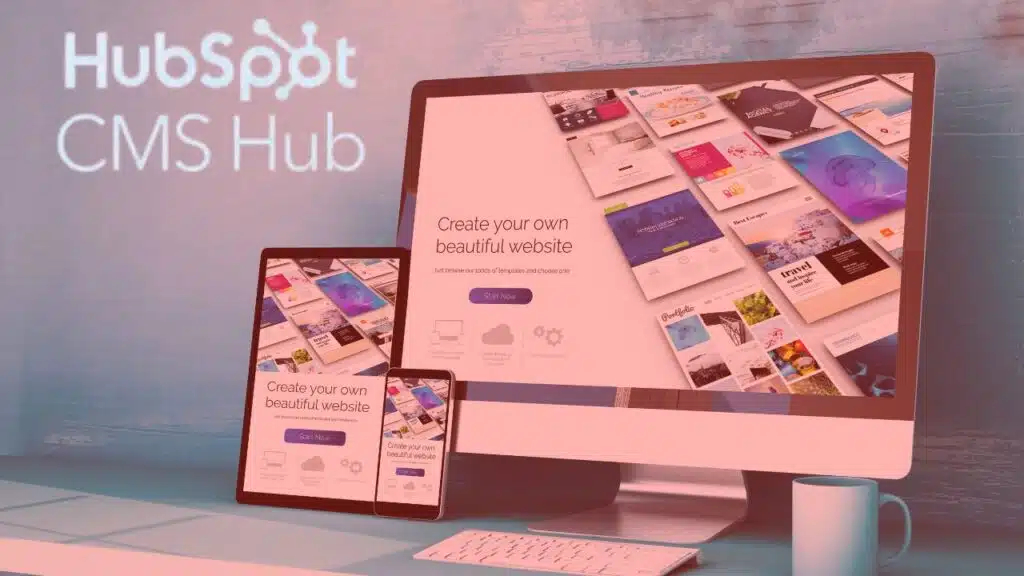
HubSpot CMS runs in the cloud and needs no server upkeep. It ties to your Marketing Hub and CRM. Brands add language tags in pages fast. Editors pick a locale and start content translation.
The system uses application interfaces for translation services. Teams set custom workflows to guide every step. The platform acts as a headless cms and as a full content management system.
Users see SEO metadata fields for each language. This tool scales with your growth. It suits teams needing multilingual support.
Developers hook application interfaces to global translation engines. They link to services like Smartling or Memsource. Special modules fetch cloud data and drive translation workflows.
Teams map language-specific URLs in xml sitemaps. They dodge crawler errors and boost seo optimization. A/B tests run in the Marketing Hub per locale. Pages adapt to every script and layout.
Editors track every change in a built-in audit log. Engineers lock roles with custom permissions. Your brand can power 50 multilingual websites at once.
Optimizely
Optimizely packs built-in localization tools inside its scalable cms. Translation teams write and edit content right in the platform. Editors assign language tags and manage seo metadata on each page.
It provides scheduling, versioning, and integrated DAM in one hub.
It delivers multilingual support for editorial and browser-detected languages across multilingual websites. Teams can run manual translations or link to external translation workflows with a translation management system.
The headless cms design frees developers to build custom workflows across mobile apps or e-commerce platforms. It helps global brands push content translation at scale.
Contentstack
Contentstack ranks high among headless cms for global companies. This scalable cms powers multilingual websites with excellent localization support. Think of it as a swiss army knife for global brands, offering tools for translation services, language tags, and page variants.
Translators can use custom translation workflows to speed up editing. Editors approve each draft before release. A cdn ensures fast page loads.
The API and query language calls let developers fetch content on demand. A lightweight SDK streamlines coding. Integration with a translation management system speeds up editing. Brands handle thousands of content items across languages at scale.
Global marketing teams love its customizable multilingual workflows.
Shopify
Thousands of brands trust Shopify to run stores in 20 languages. It acts as a scalable cms for eCommerce. Developers use Liquid templates and Shopify CLI to tweak themes. They tap Storefront API for headless commerce and multilingual websites.
Merchants handle products, payments, and inventory in a single dashboard. A built-in invoicing tool cuts hours off accounting tasks. Localization-supporting themes use translation management system plugins to swap text instantly.
Agile stores set up language-specific urls to boost search engine optimization. You can tag content with language tags and seo metadata in each product page. GraphQL Admin API pulls translated fields from a content delivery network.
Shopify pairs with third-party translators or multilingual plugins for smooth translation workflows. Simple template files let you loop through translated text in Liquid. GitHub Actions and Docker automate theme builds across languages.
Your site greets global customers like a fluent shopkeeper, no robot voice.
DatoCMS
Brands can use DatoCMS to build a headless cms with simple locale management. GraphQL API links content to templates fast.Teams can add new translations in a translation management system and track them in one place. It offers multilingual support and acts as a scalable cms.
Editors work in a dashboard available in eight languages. They can publish text in more than 400 locales. Language tags help search engines index each page. Localized sites reach audiences in each market.
Salesforce Experience Cloud
Salesforce Experience Cloud acts like a global interpreter for your consumer portals. It offers multilingual support, API integration and streamlined translation workflows. Developers tap Salesforce endpoints, link to third-party translation management systems, and sync language tags in minutes.
The platform rivals Adobe Experience Manager in enterprise CMS and scales to thousands of pages across regions.
Marketers pick the Experience Builder, drop in language-specific URLs, and tweak seo metadata in a snap. You get headless cms functions, via REST interfaces, or a full-site content hub.
Teams add multilingual plugins, route copy to translation services or handle manual translations. Editors spot gaps on dashboards, update text, roll out new locales with ease. This scalable cms keeps your global brand singing in multiple tongues.
Key Features to Look for in Multilingual CMS Platforms
A strong CMS keeps your multilingual websites in sync across all tongues. It supplies ongoing multilingual support and handles locale needs.
- Ongoing Multilingual Support: CMS should let you update content in 20+ locales with live previews, so you keep translations fresh with translation management system hooks.
- Intuitive Authoring Format: Editors must work in plain text, visual editors, or JSON; they need WPML plugin or similar to switch languages in a click.
- Locale Convention Handling: System should adapt date, time, and numeric patterns per country to match local norms and character sets.
- Bidirectional Text Support: Platform must handle right-to-left scripts, like Arabic or Hebrew, without breaking page layout.
- E-Commerce Market Adaptation: It should integrate payment and tax modules by region, so shoppers get local currency and shipping rules.
- Global Site Structure Consistency: Platform must keep menus, global navigation, and footers uniform across all language variants.
- Custom Audience Preferences: You need custom fields and segments to show region-specific banners, offers, or legal disclaimers.
- Headless CMS Flexibility: The system should supply content via API to apps, SPAs, or mobile devices in multiple tongues.
- Open-Source Extensibility: Choose a community-backed open-source cms that acts as a scalable cms with modules for translation workflows.
- SEO Metadata Tools: Ensure page titles, meta descriptions, and hreflang tags adjust per locale to boost international visibility.
- Language-Specific URLs: You need clear URL patterns, such as site.com/en/ or site.fr/, to help search engines index each language.
- Translation Workflow Automation: The CMS should link to translation services or AI tools, track status, and handle review stages.
Managing Multilingual SEO with CMS Tools
CMS tools let teams tweak url paths for each language, boosting multilingual support. Headless cms grant users global content hubs and metadata tools. Ghost pushes the rel=”alternate” link tag to guide crawlers.
Those tags help search bots show proper pages for French, Spanish, and more.
Webflow links to Localazy so teams add hreflang tags fast. That combo feeds meta info to each variant. Teams plug a translation management system to smooth translation workflows. Brands earn higher ranks in Google for global reach.
Integration Options for Global Brands
Global teams rely on three connection types in Localazy. Manual file upload, command line interface hooks, and full app interface automation fit into headless CMS, scalable CMS, and open-source CMS setups.
Localazy offers over 50 automated shell integrations to speed up content translation. Large-scale projects gain faster workflows via full app interface automation.
The author’s team delivers CMS integration services for multilingual websites. Experts set up WPML plugin or HubSpot CMS, map language tags, and sync SEO metadata for language-specific URLs in a multilingual CMS.
Such custom workflows tie into translation services and a TMS to keep updates in sync. These tools handle translation workflows and internationalization across content hubs.
Best Practices for Localization Using CMS Platforms
Teams treat translation as part of their content strategy. They analyze content creation and localization in a single workflow. They set guidelines with staff and a translation provider.
Some pick a translation management system or a multilingual plugin for seamless content translation. Editors tag language codes and update SEO metadata in the CMS.
Storyblok offers field-level translation for a consistent page structure across languages, and folder-level translation for varied layouts per market. Users pick the field-level model for the same design in each language, or the folder-level model for region-specific custom pages.
Contentful and Contentstack integrate translation services via API, tying in a translation management system. They link WPML plugin or other multilingual plugins to a headless CMS to build scalable, multilingual websites.
Tips for Choosing the Right CMS for Your Brand’s Needs
Your brand needs a cms that fits growth. Stakeholders should align goals before picking a solution.
- Gather input from local and global teams to match core needs for content management systems.
- Map your launch scope and user journey to guide translation workflows and custom workflows.
- Check if your cms supports headless cms features, the WPML plugin, or an API based translation management system.
- Test seo metadata controls, language tags, and language-specific URLs to boost multilingual websites.
- Weigh open-source cms options against enterprise suites like Adobe Experience Manager for a scalable cms.
- Factor in content modeling and custom workflows that match your publishing cycle and translation services.
- Compare integration libraries in HubSpot CMS, Contentstack, and Optimizely for seamless connections with your stack.
- Partner with seasoned developers to shape workflows, secure your platform, and fine-tune multilingual support.
Takeaways
Mixing a headless CMS with a flexible translation workflow helps teams roll out content fast. Brands win more readers when they tag pages with clear language labels, and optimize SEO metadata.
Many companies lean on a powerful content platform and a multilingual plugin to tie it all together. Think of this as your site toolkit, loaded with translation services and sitewide workflow tools.
Pick the right combo, and watch your global brand shine.
FAQs
1. What is a headless cms and how can it help build multilingual websites?
A headless cms is a type of multilingual content management system. It splits site code from the content. It sends that content to apps or pages. You can add language tags and language-specific urls.
2. How do cms platforms handle translation workflows and seo metadata?
Many cms platforms have a translation management system. You link to translation services and do manual translations. They keep seo metadata for each language so you rank well.
3. Can I use WPML plugin or other multilingual plugins on a store builder?
A wordpress store builder can run WPML and other multilingual plugins. You can add new languages. Then test each page so your site can speak new tongues.
4. Is there a content management system with built-in translation management and custom workflows?
Yes, HubSpot CMS has built-in translation management and custom workflows. Many open-source cms, like craft cms, also let you set translation workflows.
5. How does a scalable cms or database-free cms help U.S. global brands?
A scalable cms can grow with more visitors. A database-free cms serves pages fast. It works well for iot and corporate sites that need ease of use.
6. What other cms platforms support multilingual websites for corporate sites?
You can pick an enterprise cms or a blog tool that has multilingual support. You can run an open-source cms or craft cms on your web server. Each gives multi-lingual content management and custom workflows.