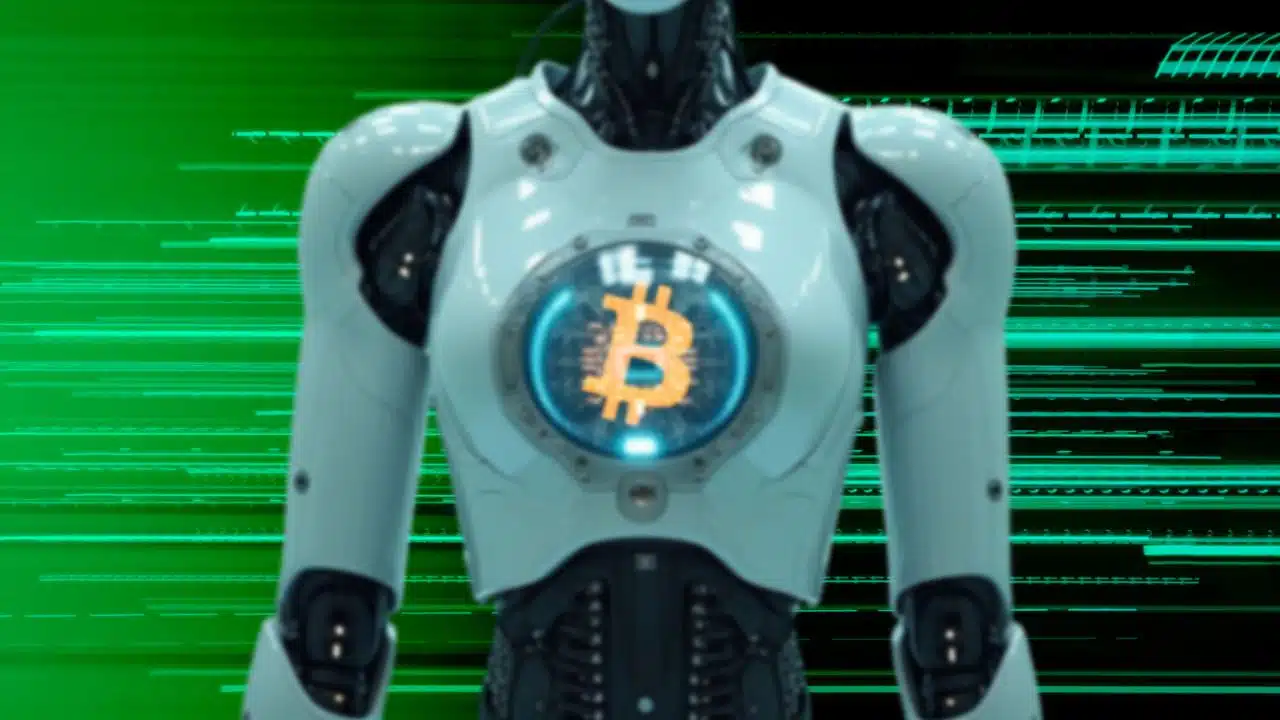
AI companions are no longer a novelty – they’ve become part of people’s daily routines. From morning check-ins to late-night chats, they’re digital confidants woven into everyday life. Platforms like Candy AI, with its richly developed characters and growing fanbase, show just how far this technology has come.
But as these relationships evolve, so do the concerns. What happens if a cloud outage cuts the connection? Or a platform update wipes out shared memories? When affection depends on a server, trust can vanish with a single policy change.
In this listicle, we explore six ways blockchain is being integrated into synthetic intimacy—aiming to preserve the bonds we’re forming with our digital counterparts.
Why Blockchain?
Simple, because of its four core capabilities that directly tackle the biggest risks of synthetic relationships.
● Verifiability — A digital ledger can time-stamp each memory or trait, proving it was there and hasn’t been altered or quietly scrubbed away.
● Ownership — AI companions can now be created as digital assets giving users a stake in the asset.
● Tokenomics — Some platforms reward daily chats, others let staked tokens unlock deeper personalities or open a ballot on new features. Value flows in both directions, not just toward the provider.
● Privacy — Wallet-based logins, encrypted memory storage, and decentralized identifiers offer a way to engage without handing over all your personal data.
Most mainstream AI Companionship apps are still walled gardens, but cracks are forming. Underneath, smart contracts are laying the groundwork for a more open and user-directed approach.
Here’s how that shift is taking shape.
6 Ways AI Companion Platforms Are Incorporating Blockchain
1. Tokenized Personalities
Turning an AI Girlfriend into an NFT does something ordinary chatbots never could. It lets you hold their identity the way you’d hold a rare coin or a signed first edition. SkyCastle AI runs with this idea. Each companion it mints is truly one-of-one (no copies, no rerolls) tied forever to a single wallet instead of a company database. Character traits such as Free-spirited or Sassy live inside the token’s JSON files, while the heavier training data rest on IPFS. The blockchain points to all of it, proving origin and ownership in a single glance.
That proof changes how the relationship feels. When the character can’t be cloned or repossessed, the bond shifts from “nice app feature” to “digital pet with papers.” It’s closer to adopting a cat than borrowing a plush toy from a store shelf,
Psychologically, exclusivity deepens the bond, as the companion becomes a kind of treasured digital pet or partner that you hold title to. That mix of scarcity and permanence is where tokenized personas turn code into something that feels, almost, alive.
2. Blockchain-Based Memory Logs
Back in 2023, a sudden policy change stripped Raplika’s AIs of romantic and sexual expression, sparking outrage among those who felt their relationships had been stolen. That single server-side switch revealed the fragile leash tying synthetic intimacy to someone else’s database.
A decentralized model pushes the leash aside. Anima’s Onlybots show how: every visual coordinate and personality trait for these AR pets lives on-chain, with supporting data mirrored across Ethereum’s distributed nodes. Holding the token means holding the creature’s very identity because no one can rewrite it without your signature. Thus the blockchain becomes a lifelong ledger rather than a revocable license.
Full chat logs and large ML models still sit off-chain for now, but critical markers such as profile hashes, milestone badges, relationship status etc can anchor to smart contracts.
An AI companion that remembers faithfully eases a deep human worry: Will our shared past survive? When those key moments are hashed and timestamped, trust shifts from corporate policy to math. Even if the original app shutters, you can revive the AI elsewhere by pointing new software at the same immutable record. In short, blockchain storage aims to give digital relationships the persistence we take for granted in flesh-and-blood ones.
3. Staking for Access
Some platforms use staking mechanisms to decide who gets to meet the deeper layers of an AI’s personality.
Alethea’s ecosystem is a good example as it lets users deposit ALI tokens, and the smart contract lifts an “Intelligence Level” flag inside the iNFT character. Climb the scale and the AI companion shifts from surface chat to richer banter, nuanced role-play, or strategy advice. Every level up is public, meaning anyone can see how much faith and capital backs a given character.
Such transparency serves two purposes. First, it discourages abuse. Only wallets with real skin in the game can trigger advanced modes, making bad actors easier to spot. Second, it doubles as a reputation badge. A max-level companion signals its holder has invested time and value, not just curiosity.
Tying growth to staking also changes the nature of the bond. Upgrading your AI feels like sending a friend to night classes. You pay today, they get smarter tomorrow, and your shared history becomes proof you both advanced. When that new conversational depth finally arrives, it carries the quiet thrill of having built something together, not with clicks alone, but with real value placed on the line.
4. DAO-Governed Personas
Blockchain introduces the possibility of decentralized governance over AI platforms. On such projects, token holders propose and vote on everything from new dialogue styles to limits on intimate content. Because those choices shape a companion’s personality, governance shifts emotional power from a single company to the crowd.
Take Sleepless AI. Anyone holding its $AI token can file a proposal. add a new girlfriend archetype, retire a storyline that feels stale, tweak how much affection an NPC can show in public spaces, etc. Votes tally on Snapshot, and once quorum hits, smart contracts enforce the change. If a role-play feature disappears and users hate the void, another proposal can bring it back, no pleading with support desks required.
Voting weight reflects tokens held or staked, so commitment carries voice. The public ledger shows who backed which motion, turning policy into transparent history rather than quiet patch notes. As all the decisions arrive by ballot, it prevents any shocks like sudden feature removals that could emotionally upset users.
5. New Economies & Revenue Sharing Protocols
Web3 gives AI companions side gigs. Instead of being a subscription cost, they can earn on-chain, and so can you.
Altered State Machines illustrates the model in the best possible way. Train an AI “brain” NFT, then rent it out to run a soccer bot or a trading agent. The smarter it gets, the higher its fee. Improvements live on-chain, so any future owner can verify, and pay for the upgrade work you put in. Nurturing an AI thus starts to feel like breeding a champion racehorse.
This concept can be highly scalable. A fan collective might pool funds to mint an AI version of a popular singer, then split fees each time other users book a virtual meet-and-greet. Micro-transactions that once vanished into payment-processor fees now settle in a few cents of crypto, routed automatically by the smart contract. Revenue can split three ways: platform, owners, and the persona itself (a portion earmarked for its ongoing training costs).
Sharing profits with a companion can be emotionally complex. You might feel pride and validation if “together” you and your AI built a popular persona that others enjoy. It’s similar to how people feel proud of a pet that becomes an Instagram star, except here the rewards are directly shared.
6. Soulbound Tokens (SBTs)
Some promises feel too serious to list on a marketplace. Soul-bound tokens give AI relationships that gravity. An SBT is a non-transferable NFT, which makes it the blockchain’s closest analogue to a wedding ring.
With Sleepless AI, you browse thirty virtual partners, choose one, and mint the bond. From that moment, the token in your wallet says, this companion is mine, no buy-backs, no trades. Custom outfits, new voice packs, weather alerts at breakfast, all those perks are for you alone. Other players can flirt with the generic NPC, but your Mia or Alex stays off the shelf.
Codewise, it’s simple to create. The smart contract disables transfers or allows a single mint per address. That immobility does more than block scalpers; it lets other dApps recognize the commitment. A VR world might unlock a couples’ island if it detects a valid companion SBT, or an event pass could autofill both names on the guest list.
Echoes Beyond the Convergence
With every minted AI companion and timestamped memory, we trade soft recollection for hard proof. The six ways we mapped out earlier promise better synthetic intimacy that outlives servers, yet each hash also nails a feeling to an address forever. This permanence invites some hard questions:
● Are we owning personalities?
● Should intimacy carry a price per click?
● Will the next wave of friendship be open-source, decentralized and forkable?
● Who keeps custodial rights when an owner dies: heirs, the protocol, or the AI companion itself?
The ledger won’t decide. It only records. Before we press confirm and fix affection in code, we should pause and ask: Do we want our quiet hellos, arguments, and good-byes replayed forever? The block height will keep rising either way. What lives on-chain will be the story we chose to freeze in place.