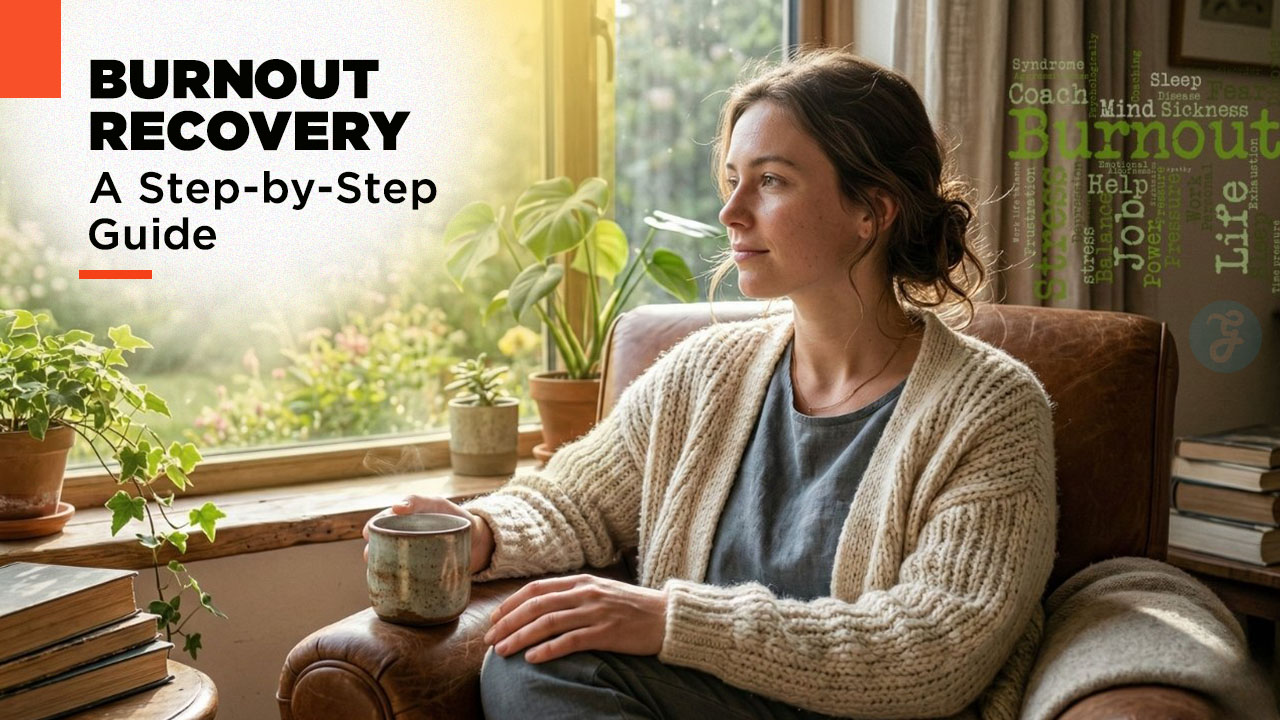
Finding the best essential oils for relaxation and sleep 2026 is about more than just a pleasant aroma. It is about the chemistry of calm. In a world of digital overstimulation and “blue light” fatigue, these botanical extracts provide a direct pathway to the limbic system to signal the body that it is time to downregulate. Choosing the right scents can transform a restless bedroom into a restorative sanctuary.
The 2026 wellness landscape has moved toward “Functional Fragrance.” This means using oils not just for their smell, but for their ability to interact with neurotransmitters like GABA and serotonin. The best essential oils for relaxation and sleep 2026 are increasingly backed by clinical trials that prove their efficacy in lowering heart rates and reducing cortisol levels. By incorporating these into your nightly ritual, you can achieve deeper, more consistent rest without the grogginess of synthetic aids.
Selection Criteria For Our Top Rankings
We evaluated over thirty essential oils based on their terpene profiles and therapeutic versatility. Our team prioritized oils that show the strongest sedative effects in peer-reviewed studies. The following table illustrates the weighting system we applied to determine the top contenders for this year.
| Criterion | Weighting |
| Sedative Potency (GABA Interaction) | 40% |
| Cortisol-Lowering Ability | 30% |
| User Safety & Versatility | 20% |
| Aromatic Longevity | 10% |
Analyzing The 13 Best Essential Oils for Relaxation and Sleep 2026
The following selections represent the most effective botanical extracts for calming the mind and body. Each oil has been handpicked for its specific contribution to sleep hygiene and its ability to reduce daytime stress. These tools provide the chemical foundation you need to reclaim your rest.
1. Lavender (Lavandula angustifolia)
Lavender remains the undisputed champion of the sleep world. In 2026, it is the most studied essential oil for its ability to increase slow-wave sleep, which is the restorative stage where your body repairs itself. Its primary compounds, linalool and linalyl acetate, act as mild sedatives that lower blood pressure and heart rate. It is a vital resource for anyone struggling with “racing thoughts” before bed.
Special Features:
-
Clinically proven to reduce sleep-onset latency (time to fall asleep)
-
Safe for use in pillow sprays and diffusers and topical applications
-
Works synergistically with almost every other oil on this list
Things To Consider:
-
Some lower-quality “lavender” oils are actually hybrid lavandin, which can be stimulating
-
Over-diffusing can sometimes lead to a “medicinal” smell that is less relaxing
Best For: General anxiety and improving overall sleep quality
2. Roman Chamomile (Anthemis nobilis)
Roman Chamomile is often described as “herbal valium” due to its powerful ability to soothe the nervous system. While chamomile tea is popular, the essential oil is far more concentrated and effective for aromatherapy. In 2026, it is frequently used to help those with “sleep-wrecking stress” by quieting the inner monologue. It simplifies the bridge between a busy workday and a peaceful night.
Special Features:
-
Extremely gentle and often recommended for children’s sleep routines
-
Contains apigenin, an antioxidant that binds to receptors in the brain to promote sleepiness
-
Excellent for reducing physical tension in the jaw and neck when used in massage
Things To Consider:
-
It is one of the more expensive oils due to the low yield from the flowers
-
Has a very sweet and apple-like scent that some may find too intense
Best For: Reducing mental chatter and soothing children to sleep
3. Cedarwood (Cedrus atlantica)
Cedarwood is the top choice for those who prefer earthy and grounding scents over floral ones. It contains a high concentration of cedrol, a compound that has been shown to activate the parasympathetic nervous system. In 2026, it is favored for “staying asleep” because its heavy molecules linger in the air longer than citrus or floral notes. It reveals the intent behind “grounding” by making your bedroom feel like a secure forest.
Special Features:
-
Promotes the production of serotonin which the brain then converts into melatonin
-
Helps clear the airways, making it useful for those who snore lightly
-
Provides a solid “base note” that helps other lighter oils last through the night
Things To Consider:
-
The scent is very masculine and woody, which might not appeal to everyone
-
Can be skin-sensitizing if applied topically without a carrier oil
Best For: Improving sleep duration and creating a stable environment

4. Bergamot (Citrus bergamia)
Bergamot is the outlier of the citrus family. While most citrus oils like lemon or grapefruit are stimulating, bergamot is uniquely calming. It is the primary flavor in Earl Grey tea and is known for its ability to reduce heart rate and lower blood pressure. The 2026 version of bergamot oil is often used in “pre-sleep baths” to wash away the stress of a demanding day. It bridges the gap between fresh energy and deep relaxation.
Special Features:
-
Signals the brain to release dopamine and serotonin for a mood boost
-
Effective for treating the “agitation” that often accompanies insomnia
-
Unique spicy-floral aroma that feels sophisticated and spa-like
Things To Consider:
-
It is highly photosensitive. Do not apply to skin before going into the sun
-
Ensure you buy “FCF” (Bergapten-free) versions if using topically
Best For: Evening relaxation and mood-related sleep issues
5. Sandalwood (Santalum album)
Sandalwood is a luxurious and deep oil that has a profound sedative effect. It is widely used in meditation because it slows down the nervous system and enhances mental clarity without causing “brain fog.” In 2026, it is a favorite for those who experience physical restlessness or “restless leg” sensations at night. It is a masterclass in providing a serene and focused atmosphere for sleep.
Special Features:
-
Long-lasting aroma that provides subtle aromatherapy for up to 8 hours
-
Increases non-REM sleep cycles for better physical recovery
-
Exotic and warm scent that creates an immediate sense of “expensive” calm
Things To Consider:
-
High demand has made real Indian Sandalwood very expensive and rare
-
Australian Sandalwood is a more sustainable but slightly sharper alternative
Best For: Deep physical relaxation and luxury sleep environments
6. Valerian (Valeriana officinalis)
Valerian is the “heavy hitter” of sleep oils. While its scent is notoriously earthy and “dirty,” its sedative power is unmatched. It has been used since ancient Greek and Roman times to treat insomnia. In 2026, it is primarily used in blends where other oils like lavender or orange can mask its strong aroma. It reveals the intent behind “sedative” by acting directly on the brain’s GABA receptors.
Special Features:
-
One of the most potent natural alternatives for those with chronic sleep issues
-
Highly effective when applied to the soles of the feet before bed
-
Dramatically reduces the time it takes to fall into a deep slumber
Things To Consider:
-
The smell is polarizing and can be off-putting if used alone
-
It is very thick and may clog some types of cool-mist diffusers
Best For: Chronic insomnia and those who need a “knockout” effect
7. Ylang Ylang (Cananga odorata)
Ylang Ylang is an exotic floral oil that is legendary for its ability to soothe fear and heart agitation. It is a moderately strong sedative that can help with nervous palpitations and “night terrors.” In 2026, it is a staple in “romantic” sleep blends because it encourages a sense of security and optimism. It simplifies the bridge between emotional distress and a tranquil night.
Special Features:
-
Lowers heart rate and respiratory rate significantly upon inhalation
-
Helps balance the mind during periods of grief or high stress
-
Potent floral scent that fills a room with just a few drops
Things To Consider:
-
Can cause headaches in some people if diffused at high intensities
-
The scent is very sweet and “heady,” which can be overwhelming
Best For: Anxiety-driven insomnia and heart-centered relaxation
8. Frankincense (Boswellia carterii)
Frankincense is often called the “King of Oils” for its spiritual and grounding properties. It has been used for millennia to deepen meditation and quiet the mind. In 2026, it is valued for its ability to reduce “cortisol spikes” in the middle of the night. It reveals the intent behind “mindfulness” by helping you detach from the worries of tomorrow. It is an essential addition to any nightly routine focused on inner peace.
Special Features:
-
Deepens the breath, which physically signals the body to relax
-
Reduces inflammation which can indirectly help with pain-related sleep issues
-
Highly grounding and helps “anchor” a room during meditation or prayer
Things To Consider:
-
There are many different species (Serrata, Carterii, Sacra) with slightly different scents
-
A subtle oil that often works better as part of a blend than alone
Best For: Spiritual grounding and reducing midnight wakefulness
9. Jasmine (Jasminum officinale)
Jasmine is a potent floral oil that some studies have shown to be as effective as pharmaceutical sedatives for reducing anxiety. Unlike lavender, which is “fresh,” jasmine is “warm” and “indolic,” providing a narcotic-like heaviness that is perfect for deep sleep. In 2026, it is used to improve sleep quality and reduce movement during the night. It bridges the gap between a light nap and a deep, immobile slumber.
Special Features:
-
Proven to lead to more restorative sleep with fewer nighttime awakenings
-
Boosts self-confidence and mood upon waking the next morning
-
One of the most beloved scents in the world for high-end perfumery
Things To Consider:
-
Genuine Jasmine Absolute is extremely expensive and often diluted
-
The scent is very powerful and can become cloying in small rooms
Best For: Deep, restorative sleep and improving next-day cognitive function

10. Clary Sage (Salvia sclarea)
Clary Sage is a herbaceous oil that specializes in hormone-related relaxation. It has a unique ability to lower cortisol levels and balance the endocrine system. In 2026, it is the primary recommendation for those experiencing sleep disruptions due to stress or hormonal shifts. It reveals the intent behind “balance” by regulating the body’s internal clock. It is a futuristic addition to the toolkit of any modern, high-stress professional.
Special Features:
-
Natural antidepressant properties that help lift the “evening blues”
-
Effective at reducing blood pressure and respiratory rate during panic
-
Clear, nutty aroma that blends well with lavender and bergamot
Things To Consider:
-
Should be avoided during pregnancy (except during labor with professional guidance)
-
Some people find the scent slightly “sweaty” or musky
Best For: Stress-related hormonal imbalances and relaxing after a high-pressure day
11. Vetiver (Chrysopogon zizanioides)
Vetiver is known in India as the “Oil of Tranquility” for good reason. It is derived from the roots of a grass and has a thick, smokey, and leathery aroma. In 2026, it is considered the ultimate grounding oil for those with “sensory overload.” It acts like an anchor for the nervous system, stopping the feeling of being “on edge.” It provides a great user experience for those who need a dark and quiet mental space.
Special Features:
-
Extremely grounding and useful for those with ADHD or hyper-activity
-
One of the most viscous oils, making it a powerful “fixative” in sleep blends
-
Helps quiet the “fight or flight” response instantly upon inhalation
Things To Consider:
-
The scent is very dark and earthy, which is an acquired taste
-
Very slow-moving oil that can take a long time to drop out of the bottle
Best For: Sensory overload and deep “nervous system reset”
12. Neroli (Citrus aurantium)
Neroli is produced from the blossoms of the bitter orange tree and is one of the most precious floral oils. It is famous for its ability to treat “shock” and acute anxiety. In 2026, it is used in sleep therapy to help those who have experienced a stressful event during the day. It reveals the intent behind “gentle” by providing a soft and light floral aroma that feels like a safety blanket.
Special Features:
-
Encourages the brain to release serotonin for a peaceful mood
-
Reduces blood pressure and helps with heart palpitations
-
Refreshing and sophisticated scent that isn’t as “heavy” as Jasmine
Things To Consider:
-
Because it takes thousands of blossoms to make a small amount, it is very costly
-
The scent is quite delicate and can be easily masked by stronger oils
Best For: Acute stress relief and luxury bedtime routines
13. Sweet Orange (Citrus sinensis)
Sweet Orange is the “cheerful” sleep oil. While it might seem counterintuitive to use a citrus oil for sleep, orange is highly effective at reducing the pulse rate and calming cortisol levels. In 2026, it is the go-to choice for those whose insomnia is driven by “perfectionism” or “worry.” It simplifies the bridge between a cluttered mind and a lighthearted perspective.
Special Features:
-
One of the most affordable and accessible oils for daily use
-
Universally liked scent that makes a room feel “happy” and “clean”
-
Excellent for blending with “heavy” oils like Vetiver or Valerian to make them smell better
Things To Consider:
-
The scent evaporates quickly, so it’s best used in a diffuser with a timer
-
Make sure to use “Sweet” Orange rather than “Bitter” for the best sedative effect
Best For: Overthinking and creating a positive sleep environment
2026 Sleep Wellness Market Overview
The market for natural sleep aids has transitioned from single-note solutions to “Synergy Blends.” Most leading aromatherapists now recommend mixing woody base notes with floral top notes to create a multi-layered sensory experience. This comparison highlights the primary strengths of the three leading oil categories in the 2026 landscape.
| Oil Category | Primary Advantage | Best Sleep Stage |
| Florals (Lavender, Rose) | Anxiety Reduction | Falling Asleep (Onset) |
| Woody (Cedar, Sandalwood) | Grounding & Stability | Staying Asleep (Duration) |
| Resins (Frankincense) | Mindful Breathing | Deep Sleep (Slow-Wave) |
How To Choose The Right Essential Oil
Selecting the right oil depends on whether you struggle with “Mental Racing” or “Physical Tension.” You should experiment with single notes first to see how your nervous system responds before moving on to complex blends. This comparison matrix helps you align your specific sleep challenges with the most appropriate botanical resource.
| Sleep Challenge | Recommended Oil | Primary Benefit |
| Anxious Thoughts | Lavender | Lowers Heart Rate |
| Physical Restlessness | Sandalwood | Deep Muscle Relaxation |
| Chronic Insomnia | Valerian | Potent Sedative Action |
| Sensory Overload | Vetiver | Grounds the Nervous System |
Final Thoughts On Natural Sleep
Winning the battle for better rest in 2026 means working with your biology rather than against it. The best essential oils for relaxation and sleep 2026 mentioned here provide a safe and effective way to signal your brain that the day is done. By choosing the right botanical partner for your specific needs, you can create a more authentic and restorative sleep experience.