You love bold special effects and raw indie flair. You want to capture grunge culture, slang, and style again. You can’t pick the right ’90s film. Many fans feel stuck.
In the 1990s, soundtracks drove movie magic and shot songs to the top of the charts. This guide lists 10 films that show the decade’s genre trends and highlight iconic scenes, like Jane Austen’s Emma twist or virtual reality in The Matrix.
Time to press play.
Key Takeaways
- The list names 10 films from 1991 to 1999. They include Boyz n the Hood (1991), Singles (1992), Wayne’s World (1992), Pulp Fiction (1994), Reality Bites (1994), Clueless (1995), Empire Records (1995), Before Sunrise (1995), Fight Club (1999), and The Matrix (1999).
- Pulp Fiction scored a 95 Metascore. The Matrix holds a 73 Metascore and an 8.7 IMDb rating from 2.2 million votes. Reality Bites earned 67. Singles hit 71. Boyz n the Hood scored 76 and a 7.8 IMDb rating from 163,000 votes.
- Directors Quentin Tarantino, the Wachowskis, John Singleton, David Fincher, and Cameron Crowe drove ’90s trends with nonlinear plots, virtual reality, urban drama, social satire, and grunge music scenes.
- These films spawned catchphrases like “As if” and “Party on, Wayne!”, bullet-time fights, and soundtracks that revived Pearl Jam and Queen on the charts.
- Runtimes range from 1 hour 30 minutes (Empire Records) to 2 hours 34 minutes (Pulp Fiction). Ratings span PG-13 to R, showing the decade’s bold themes and raw indie flair.
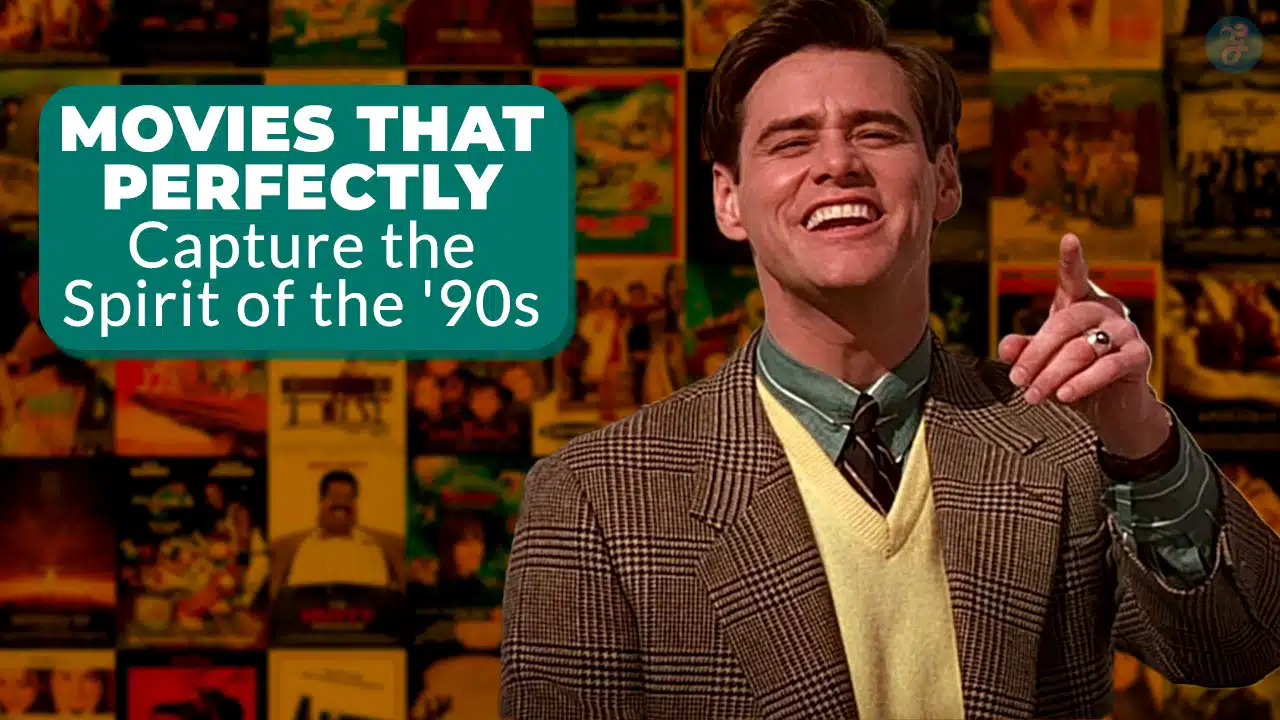
Clueless (1995)
Amy Heckerling uses a video recorder to catch every quip in Clueless. Alicia Silverstone rocks a wardrobe that defines ’90s mall culture.
Captures ’90s youth culture, fashion, and slang
Clueless shows teen life in the ’90s. Cher plays matchmaker, plotting crush connections with walkie-talkies and pep talks. Her plaid skirts, tube tops, and jelly sandals set trends across Gen X aisles.
That “As if” catchphrase hopped from screen to schoolyards.
Alicia Silverstone carries the role with charm and wit. Amy Heckerling lifts Jane Austen’s Emma into modern hallways. Costume design shows ’90s fashion with bold pastels, chunky jewelry, glossy lips.
Viewers tagged it a style bible for slacker queens.
Modern adaptation of Jane Austen’s “Emma”
Directed by Amy Heckerling in 1995, Clueless retools jane austen’s emma into a high school playground. Cher Horowitz lives in a Beverly Hills mansion. She takes a new girl under her wing and plays Cupid.
She sets up her teachers too.
Plot shows a wealthy teen matchmake her classmates. Alicia Silverstone got her big break as Cher. Spa days meet slang like As if. Witty banter blends with a nod to romance. Amy Heckerling mixes satire and heart.
Fans still quote lines in malls and classrooms.
Pulp Fiction (1994)
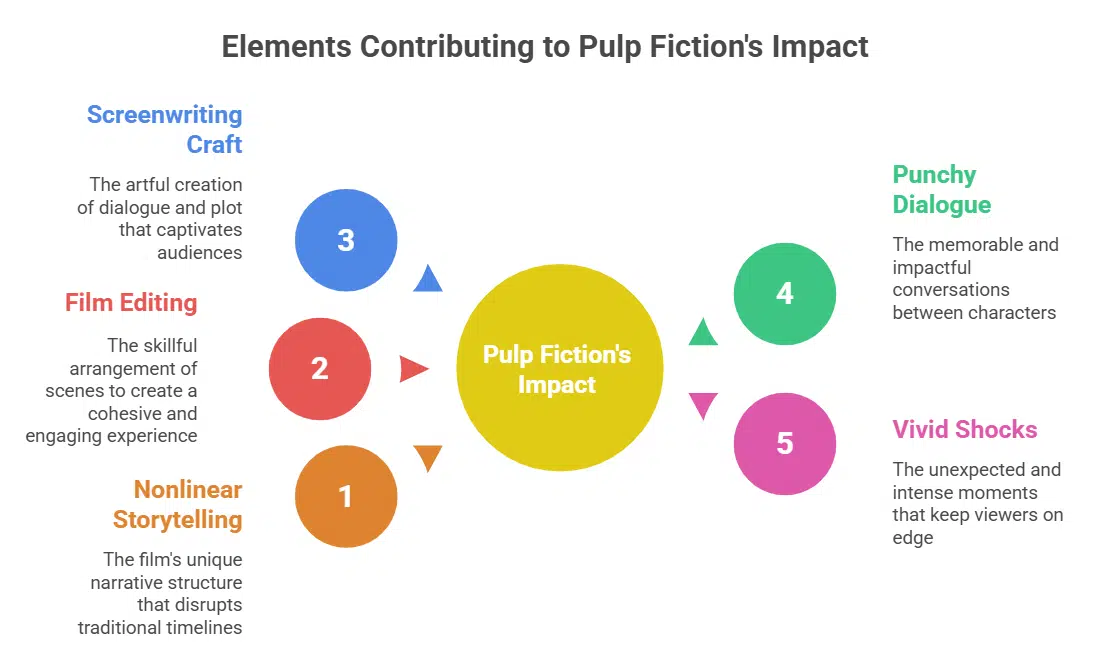
Pulp Fiction uses nonlinear storytelling to flip scenes on their head. It shows off film editing and screenwriting craft, and each moment pops with punchy talk and vivid shocks.
Iconic nonlinear storytelling and dialogue
Directors craft scenes. Quentin Tarantino released Pulp Fiction in 1994. He used chapters that jump through time. Audiences catch events out of order. This trick, a landmark in nonlinear narrative, keeps viewers hooked.
The movie runs 2 hours 34 minutes under an R rating.
Editors splice clips with tools like Final Cut Pro and Avid Media Composer. Characters banter about foot massages, kahuna burgers, and retro radio shows. The lines snap, just like Jay and Silent Bob chats at Quick Stop.
Their talk feels alive, almost like a live comedy sketch on Saturday Night Live. The style still buzzes, much like Reality Bites or Empire Records captured grunge scenes.
A cultural touchstone for ’90s cinema
Pulp Fiction scored a 95 Metascore on Metacritic. Quentin Tarantino tells a twisty tale of mob hitmen, a boxer, and diner bandits. The film jumps across time, it reshapes crime drama.
It sparked indie voices like Kevin Smith, and fueled Dante and Randal, even Jay and Silent Bob. John Singleton also drew on its bold style for urban tales. Fans still echo Jules and Vincent; they spin lines like ’90s radio hits.
The Matrix (1999)
The film portrays a dark city with slick computer graphics and bold cinematography. Neo plunges into virtual reality, dodging foes in slow-mo fights.
Explores technological paranoia and virtual reality
Lana Wachowski and Lilly Wachowski direct a world shaped by code. This film runs 2 hours 16 minutes. Neo discovers the truth about reality. He battles AI control. They blend live footage and CGI.
Fans still scout for a television series of the same name. It taps deep into technological paranoia. It mirrors grunge culture angst, with raw cityscapes and green code. Slow motion effect tosses you inside the program.
That artful trick freezes each raindrop.
Redefined sci-fi action in the ’90s
Directors Lana and Lilly Wachowski set a new bar for ’90s sci-fi action with The Matrix. It blends code-cracking drama, virtual reality, and kung fu in a dark cityscape. Neo hunts truth, and viewers feel high-tech paranoia pulse.
This film captured cyberpunk style and grunge culture flair. It earned a Metascore of 73.
Its bullet time effect made slow-motion fights iconic. CGI and wirework turned each stunt into art. Audiences rated it 8.7 on IMDb with 2.2 million votes. Actors Keanu Reeves and Laurence Fishburne sell every punch.
Fans still debate paradox loops and digital rebellion.
Reality Bites (1994)
Reality Bites nails the jittery vibe of early cable fans, complete with a battered video camera and a search for real identity. It casts post-college life as a tightrope walk, a raw snapshot of friends juggling love, art, and sketchy day jobs on a worn video tape.
Highlights post-college struggles of Gen X
Gen X grads feel lost in a tough job market. Ethan Hawke stars as a slacker poet who juggles gig work with a free TV show on a local cable channel. Winona Ryder brings wit to every line.
The plot lands hard on self doubt and cheap apartment living. The film runs 1 hour 39 minutes, and carries a PG-13 rating. It rides a wave of grunge culture, with a soundtrack that channels Pearl Jam vibes.
A makeshift radio station adds charm, as characters spill raw talk about rent, love, and identity. Ben Stiller steers the camera with sharp scenes in diner booths and film sets. Viewers feel each awkward job interview and every victory at the cable TV studio.
This coming-of-age film packs humor and heart, spilling out genuine lines at every turn.
A snapshot of relationships and identity in the ’90s
Reality Bites shows love and doubt in the ’90s. Ethan Hawke plays Troy, who works at a small campus station chasing big ideas. Winona Ryder paints Lelaina as a film grad who craves meaning.
Ben Stiller pops up as a geeky TV host. Cameron Crowe spices his script with Pearl Jam nods and flannel humor. Critics gave its Metascore a 67.
Youth films like this probe relationships and identity. Characters swap cassette tapes and argue over grunge culture anthems. Jay and Silent Bob appear for a sly joke. The Seattle grunge scene sets a moody backdrop.
Fans glimpse dorm life and late-night diners come alive.
Singles (1992)
Singles throws you into Seattle’s grunge world, as an alternative rock band pulses through a local radio station. Young slackers chase love, fight for gigs, and sing along to faded posters.
Focuses on Seattle’s grunge music scene
The film opens in Seattle in 1992. It shows real grunge music at its core. It features cameos from Pearl Jam and Soundgarden members. Ethan Hawke works at a radio station. Cameron Crowe directs with care.
Flannel and coffee meet rock and roll.
This slice of life follows twenty-somethings in love and adulthood. They hang out in record stores. They share band demos. They chase local gigs. The film feels raw and real. It brings the Seattle grunge scene to life.
Explores love and friendships in the ’90s
Cameron Crowe set Singles in the Seattle grunge scene, with flannel shirts and street art. He explores romance and pals chasing dreams in 1992. A radio station sparks a fling between a singer and a bass player.
The soundtrack pops with grunge acts like Pearl Jam. Dialogue snaps like old friends texting at midnight.
It runs 1 hour 39 minutes and earns a PG-13 rating. It scored 71 on Metacritic. Scenes riff with playful banter, almost like Mike Myers in a skit. Characters feel real, raw, and funny.
This story shows a tight bond as love and music collide.
Wayne’s World (1992)
Wayne’s World lights up a garage broadcast studio with wild riffs, loud guitar licks and off-the-cuff banter. Myers and Carvey, fresh from Saturday Night Live, nail pop culture satire with rapid edits and a headbanging soundtrack.
Celebrates ’90s pop culture and humor
This movie revived Queen’s Bohemian Rhapsody on a radio station and MTV, showing two slackers hosting a public-access cable show from a basement. Mike Myers and Dana Carvey star under Penelope Spheeris’s direction, and they toss in “schwing” and other pop culture lines.
The plot taps into the DIY ethos of early ’90s media, and it reflects slacker life with low budget charm.
This film blends pop culture bits with nods to the Seattle grunge scene and Pearl Jam vinyl. The hosts roll tapes on camcorders and twist knobs on audio mixers in their homemade studio.
Fans catch ’90s vibes in every riff, joke and backstage moment. The movie paved the way for comedies by Kevin Smith and set a high bar for later hits like Empire Records.
Iconic catchphrases and memorable moments
Mike Myers and Dana Carvey brought catchphrase gold to Saturday Night Live. They leaned into the camera and called out, “Party on, Wayne! Party on, Garth!” Fans still repeat that line at parties and games.
A headbanger car scene revived the British band Queen’s song Bohemian Rhapsody and fired up a new soundtrack trend.
Myers and Carvey showed a tight best friend bond through quirky sketches and movie cuts. Viewers saw a real friendship that shaped future buddy comedies. Wayne’s World hit top charts as one of the defining comedies of the ’90s.
Boyz n the Hood (1991)
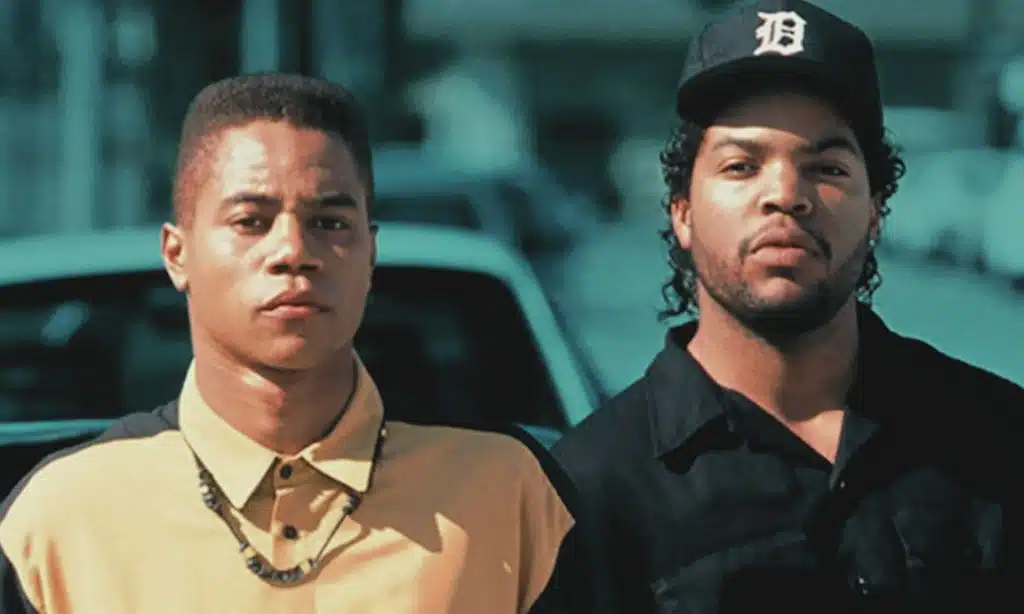
Boyz n the Hood hits home as a drama about growth, pain, and hope. Its bold cinematography and tight film editing pull you into city life.
John Singleton directs this coming-of-age film, Boyz n the Hood, on August 7, 1991. The story shows race, relationships, and violence in Crenshaw, Los Angeles. He uses raw scenes from real life.
The movie sparks talks in sociology and community outreach groups.
Characters meet at a doughnut shop and swap war tales like worn out records. Tre says, “The hood sets the rules,” and that line lingers. The film feeds data analysis on urban policing and neighborhood studies.
That insight helps shape public policy on youth centers.
A powerful coming-of-age story
Boyz n the Hood nails urban life in South Central Los Angeles. Singleton wrote and directed this 1991 drama. It shows young men facing tough choices on real streets.
It runs 1 hour 52 minutes and holds a 7.8 IMDb rating from 163,000 voters. Critics gave it a 76 Metascore. This film ranks high among coming-of-age films, bringing raw emotion and sparking real talk about community.
Fight Club (1999)
Fight Club blasts consumer culture and broken masculinity with bone-crunching intensity. David Fincher uses gritty cinematography and sharp editing to make every twist land like a gut punch.
Examines consumerism and masculinity
In Fight Club, the story mocks mall culture and ad slogans. It calls out compulsive shopping at Gap and Ikea. Film critique shapes each punch line with data on consumer behavior. Tyler Durden leads a case study in social psychology, using soap as a symbol of wasted wealth.
Fans see how he rips consumerism like a dark comedy.
It tackles male identity and bonds in gritty basements. It shuns suits and ties, favoring bare fists over board rooms. The movie cracks open tired ideas of tough guy roles, with raw humor and brutal honesty.
This view of masculinity mirrors The Big Lebowski, yet feels more fierce. Youth rebels still quote lines at bars and couches, showing lasting cultural impact.
A bold critique of ’90s societal norms
Fight Club hit theaters in 1999 and stunned many fans. It drags viewers into a world of empty malls and trash bins, pops brand names, and rips through consumerism. Tyler Durden, a wild rebel, shouts lines about identity, daring us to shed our masks.
The film stuns with raw camera work, gritty lighting, and a jaw drop twist.
That bold hit shaped indie cinema and marked a shift in the ’90s. Filmmakers pick its jagged cuts, fractured timeline, and scathing satire on masculinity. Modern hits still echo its rough voiceover and fearless critique of mass culture.
It still guides modern filmmaking practices today.
Empire Records (1995)
Empire Records shows a ragtag crew at a record store as they race to keep it alive, spin local singles and hype the next big act. It bursts with grunge spirit, radio banter, and DIY grit.
Highlights ’90s music and youth rebellion
The film runs 1 hour 30 minutes and holds a PG-13 rating. It drops grunge riffs from Pearl Jam, turning each aisle into a mini-concert. Record store speakers and a dusty jukebox play local acts, fueling the plot with raw energy.
The vibe channels grunge culture tied to the Seattle scene of the early ’90s.
This story in Empire Records centers on young staffers who face a radio station chain boss. They blast upbeat tracks to save their indie shop from corporate takeover. Characters stage a protest jam in vinyl aisles, showcasing DIY rebellion.
The plot shows them deal with corporate pressures while keeping the music alive.
Set in a quirky independent record store
Empire Records unfolds in a colorful indie record store. Vinyl bins line the walls, alongside rows of tapes and CDs. A battered music machine sits next to a soundboard. Staff chat over a live radio station feed, spinning tracks by Pearl Jam or the Brian Jonestown Massacre.
A rogue turntable spins grunge culture tunes.
Critics gave it a Metascore of 47, yet fans adore its energy. It taps nostalgia for the dream of working in music retail. Characters banter with slang, crack jokes, and plot schemes.
Store shelves transform into vibrant stages for spontaneous breakouts. Every shift feels like a radio showdown or a college road trip.
Before Sunrise (1995)
The director’s team rolls one 16 mm camera to catch those raw, late-night chats. The lead actor sparks genuine warmth in a long stroll across the ancient streets of that Austrian city, and their off-the-cuff dialogue glints like first light on cobblestones.
A romantic exploration of meaningful connections
Before Sunrise follows Jesse and Celine on a moving train. They chat about art, loss, and first love beneath streetlamps. Ethan Hawke and Julie Delpy bring each line to life.
This 1995 film highlights youth culture and a coming-of-age quest. Its character-driven narrative captures fleeting connections and deep hope. Writers often compare its mood to Swingers and True Romance, which fuels modern talk on relationships.
Captures the spirit of spontaneous travel
Movie scenes show fleeting bonds between two young strangers in the Austrian capital. Actors Ethan Hawke and Julie Delpy spark real dialogue and raw interaction as they wander together.
Camera work follows them closely, adding a sense of discovery. Audiences feel every pause, every laugh on cobblestone streets.
A soft romance unfolds in real time, mixing heart and adventure. This travel tale inspired many coming-of-age films in the ’90s. It captured youth culture and wanderlust without a map or plan.
Fans still cite its impact on how we chase big moments.
Takeaway
These films still spark neon vibes. They feel like time machines. Each one blends the rock scene, bold slang, and special effects magic. You might find yourself humming a track or quoting wild lines.
This list makes your heart beat like an old boom box.
FAQs on Best ’90s Movies That Define the Decade
1. What movie shows grunge culture best?
Cameron Crowe’s Singles opens at a radio station, Pearl Jam even plays live. Empire Records feels loud and raw, like a vinyl storm.
2. Which coming-of-age films nail teen life?
Can’t Hardly Wait catches high school buzz. I Know What You Did Last Summer mixes fear with friend drama. Ethan Hawke shines in Reality Bites, it feels real.
3. How do 90s comedies make us laugh?
Adam Sandler charms in The Wedding Singer, he sings jokes. Mike Myers yelled schwing in Wayne’s World, it rocks. Dana Carvey honed his bits on Saturday Night Live, he nails the punch.
4. Where do we meet cult duos and indie sparks?
Kevin Smith gave us Jay and Silent Bob, they wander diner tales, they jab at pop culture. You laugh, you wince, you feel the DIY beat.
5. What dark films stir the 90s edge?
Fight Club hits hard, it messes with the mind. Eric Draven returns in The Crow, he soars in shadows. Anton Newcombe slipped tracks into an erotic thriller, it felt bold, it felt wild.