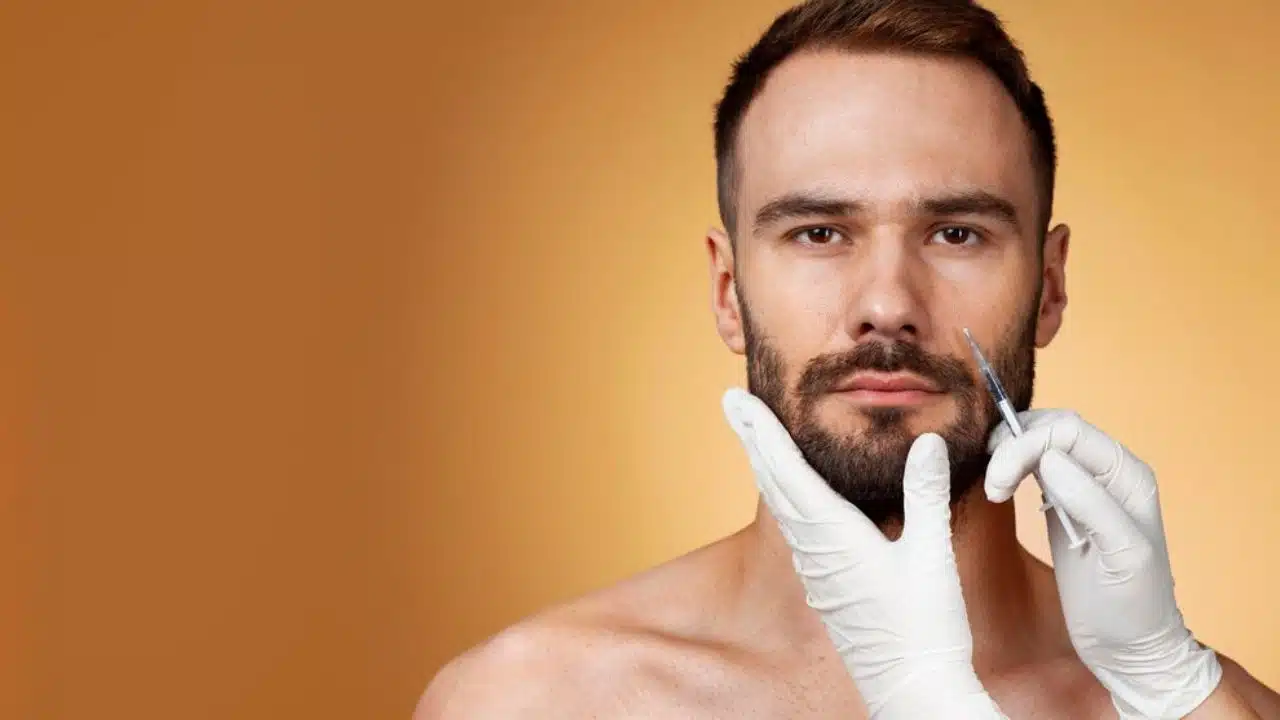
For many men, a full, thick beard is the ultimate symbol of masculinity and style. However, not everyone is blessed with the ability to grow a lush, even beard naturally. Whether due to genetics, hormonal imbalances, or scarring, patchy or thin facial hair can be a source of frustration and insecurity. Fortunately, advances in hair restoration techniques have made it possible to achieve the beard of your dreams through a beard transplant.
What is a Beard Transplant?
A beard transplant, also known as a beard hair transplant, is a surgical procedure that involves taking hair follicles from a donor area (usually the back of the scalp) and transplanting them to the face to fill in sparse or patchy areas of the beard. This procedure is similar to a traditional hair transplant but requires special expertise due to the unique characteristics of facial hair.
How Does a Beard Transplantation Work?
The process of beard transplantation typically involves the following steps:
- Consultation: You will meet with a hair restoration surgeon to discuss your goals and medical history and determine if you are a good candidate for a beard transplant.
- Donor Hair Harvesting: On the day of the procedure, the surgeon will harvest hair follicles from the donor area. This is usually done using the Follicular Unit Extraction (FUE) method, which involves extracting individual follicles individually.
- Graft Preparation: The harvested hair follicles are prepared under a microscope into individual grafts.
- Graft Placement: The surgeon will make tiny incisions in the recipient area (the beard area) and carefully place the grafts. The grafts’ angle, depth, and distribution are crucial for achieving a natural-looking result.
- Recovery: After the procedure, you will be given instructions for care, including how to wash and care for your new beard grafts. Most patients can return to work and normal activities within a few days.
Benefits of a Beard Hair Transplant
There are numerous benefits to undergoing a beard hair transplant, including:
1. Permanent Results
Unlike other beard enhancement methods, such as supplements or topical treatments, a beard transplant provides permanent results. The transplanted hair follicles will continue growing like your natural facial hair.
2. Natural-Looking
When performed by a skilled hair restoration surgeon, beard transplantation can provide results that look completely natural. The transplanted hairs will blend seamlessly with your existing facial hair.
3. Customizable
A beard transplant allows you to customize your facial hair to your preferences. Whether you want to fill in a few sparse areas or achieve a thick beard, your surgeon can tailor the procedure to your specific goals.
4. Boost in Confidence
For many men, facial hair is closely tied to self-image and confidence. By achieving the beard you’ve always wanted, a beard hair transplant can significantly boost self-esteem.
Choosing a Surgeon for Your Beard Transplant
Choosing the right surgeon is crucial for achieving the best results from your beard transplant. Here are some factors to consider:
- Experience: Look for a surgeon with extensive experience with beard transplants. This is a highly specialized procedure that requires specific expertise.
- Results: Ask to see before-and-after photos of the surgeon’s previous beard transplantation patients. This will give you an idea of the quality of their work.
- Technique: Ensure that the surgeon uses modern, refined techniques like FUE to harvest and place grafts.
- Rapport: Choose a surgeon with whom you feel comfortable and who takes the time to listen to your goals and concerns.
The Beard Transplant Procedure
Here’s a more detailed look at what you can expect during a beard hair transplant procedure:
Pre-Procedure
Before the procedure, you will have a consultation with your surgeon. They will examine your facial hair, discuss your goals, and determine the best action. They may also provide instructions for preparing for the procedure, such as avoiding certain medications.
Donor Hair Harvesting
On the day of the procedure, the first step is to harvest the donor’s hair. This is usually done using the FUE method, which involves the following steps:
- The donor area (usually the back of the scalp) is shaved.
- Local anesthesia is administered to numb the area.
- The surgeon uses a specialized tool to extract individual hair follicles, leaving tiny, nearly invisible puncture wounds that heal on their own.
Graft Preparation
After the hair follicles are harvested, they are prepared under a microscope. The follicles are carefully separated into individual grafts, each containing one to four hairs. The grafts are then kept in a special solution to keep them viable until they are ready to be transplanted.
Graft Placement
The next step is to place the grafts into the beard area. This involves the following steps:
- The recipient area is cleaned and numbed with local anesthesia.
- The surgeon makes tiny incisions in the beard area, following the natural growth pattern of facial hair.
- The individual grafts are carefully inserted into these incisions.
- The placement of the grafts is a meticulous process that requires great skill to ensure a natural-looking result.
Post-Procedure
After the procedure, your face may be slightly swollen, and you may experience discomfort, which can be managed with pain medication. You will be given detailed instructions for caring for your transplanted grafts, which may include:
- Avoiding strenuous activity for a few days
- Sleeping with your head elevated
- Gently washing the transplanted area
- Avoiding direct sun exposure
Most patients can return to work and normal activities within a few days after the procedure.
Recovery and Results
The recovery process after a beard transplant is generally quite manageable. Here’s what you can expect:
Immediate Aftermath
Immediately after the procedure, your face may be slightly swollen and tender. This is normal and will subside within a few days. You may also notice some scabbing around the transplanted grafts. It’s important not to pick these scabs, which can dislodge the grafts.
The First Few Weeks
The transplanted hairs will shed in the first few weeks after the procedure. This is a normal part of the process and doesn’t mean the procedure was unsuccessful. The hair follicles are still in place and will begin to grow new hair after a few months.
Long-Term Results
Most patients start to see new hair growth around three to four months after the procedure. The full results of a beard transplant are typically seen around nine to twelve months after the procedure. At this point, you can expect to have a full, natural-looking beard.
Alternatives to a Beard Transplantation
While a beard transplant is the most effective and permanent solution for patchy or thin facial hair, it’s not the only option. Other alternatives include:
- Minoxidil: This topical medication, commonly used to treat scalp hair loss, can also stimulate facial hair growth.
- Beard Supplements: Some supplements, such as biotin and vitamin B complex, are claimed to support healthy hair growth.
- Beard Dye: For men with patchy gray or white facial hair, beard dye can help create the appearance of a fuller, more even beard.
- Beard Filler: Cosmetic products like beard filler fibers can temporarily fill in sparse areas of the beard.
However, it’s important to note that these alternatives are not as effective or long-lasting as a beard transplant.
Conclusion
A beard transplant is a highly effective and permanent solution for men struggling with patchy, thin, or uneven facial hair. By transplanting hair follicles from the scalp to the face, a skilled surgeon can create a full, natural-looking beard that greatly enhances a man’s appearance and self-confidence.
If you’re considering a beard transplantation, choosing an experienced surgeon specializing in this procedure is crucial. They will be able to assess your specific case, recommend the best course of action, and deliver results that meet your expectations.
While a beard hair transplant is a significant investment, it can provide a lifetime of benefits. Imagine waking up every day with the beard you’ve always wanted, without needing constant grooming products or temporary solutions. For many men, this boost in self-assurance is priceless.