The current world landscape of gaming could not exist without Japan. Most of the greatest names, characters, and systems originated from the Land of the Rising Sun, shaping how we play and view games today. Super Mario, Donkey Kong, Sonic the Hedgehog, Final Fantasy, Pokémon, Zelda, and many others are more than games in Japan. They are cultural icons blurring the line between fiction and reality for their otaku fans. And while Japan has made the gaming industry we know today, there are also influences of various games inside their culture.
1. Gesen Centers
Japan is unique in the gaming world as it still has a thriving arcade industry, or gesen as they call it. Gesen or “game centers” are spacious places packed to the brim with various arcade machines. Tokyo has an entire city district dedicated to games and anything related to electronic entertainment called Akihabara, where otakus can meet and play together.
Otaku is a word in the Japanese language that signifies a person who is completely obsessed with anything. And all of these terms come together to form the backbone of Japanese gaming habits. Socializing in arcade centers, playing together or against others, and unwinding after a long and hard day is what makes the popularity of arcades survive even now.
The landmark title Space Invaders was made in Japan and available in an arcade, with many of the industry firsts making their debut on arcade devices. Entertainment and bringing happiness into their lives are fundamental needs in Japanese culture, satisfied by gaming in various forms.
2. Handheld Gaming & Emerging Genres
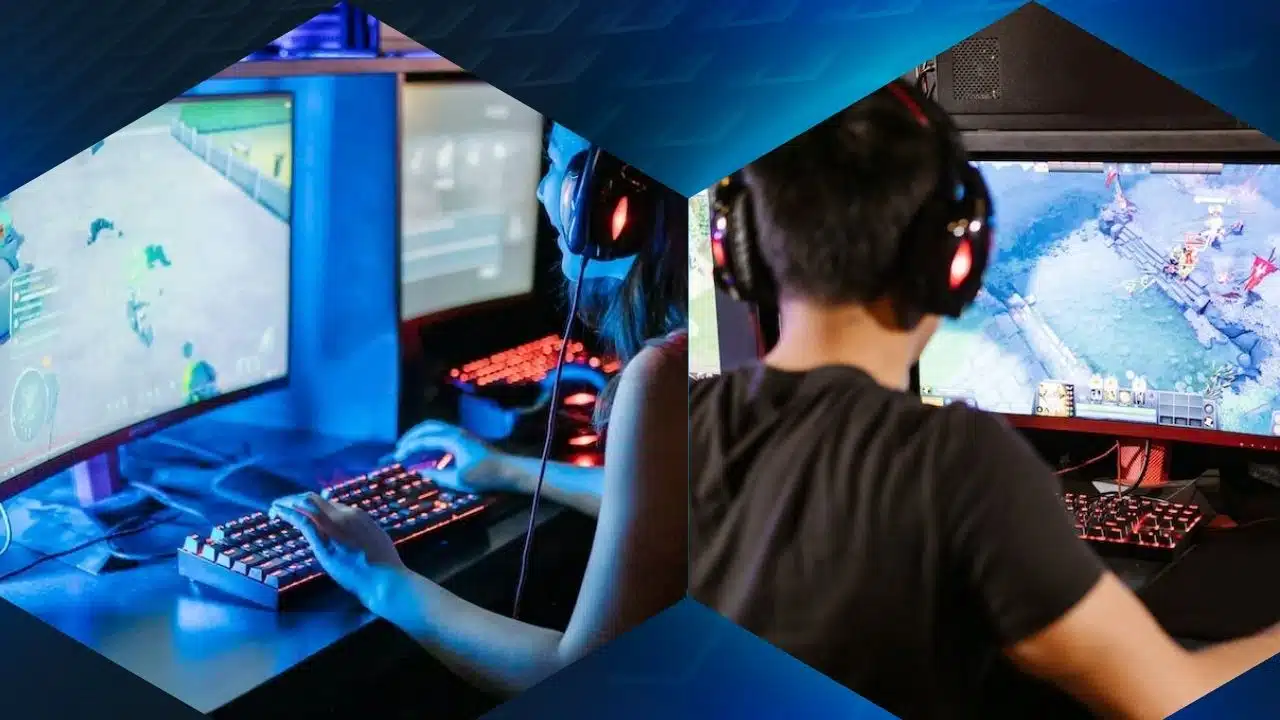
The passion for gaming every otaku feels extends beyond a single arcade center. With the rise of mobile phones and the associated tech, Japanese people got the chance to game at any point in their busy lives. Commuting to work, during breaks, or on other occasions when it’s not handy to sit down in front of a console or go into an arcade center, has made handheld devices soar in popularity.
Game Boy, PS Vita, Nintendo DS, and Nintendo Switch are all prime examples of advancements in handheld technology competing against mobile devices. In 2020, Japan accounted for 22% of all global mobile game spending from the App Store and Google Play Store.
Add to this the popularity of online casinos for a Japanese audience, and you’ll realize the scope of gaming in Japan. In fact, the country’s online casino market was worth more than $6 billion in 2022, and it’s forecast to exceed $10 billion by 2027. Other genres that are thriving recently include puzzle games, which account for just under half of the total games played on smartphones in Japan—times have changed since the heyday of Pokémon and Sonic.
That need is transferred to the fact that the three big names in the industry – Sony, Sega, and Nintendo – all come from Japan. It’s the needs of the market dictating the flow of supply and demand, and judging by the gaming needs of Japanese gamers, even more games can be made.
3. Japanese Console Industry
The entertainment needs of Japanese gamers transferred to the necessity for personal console systems. Nintendo, Sega Genesis, and Sony PlayStation exist for when otakus come home to play their favorite games in peace and privacy. Sony PlayStation 2 still holds the title as the best-selling video game console of all time, numbering almost 158 million units sold as of September 2023.
The success of Sony and other home entertainment systems remains rivaled only by the Xbox series, but it alone can not compete against the Japanese market. That market was valued at $29 billion in 2021, and currently, Japan makes up 15% of total worldwide gaming revenue. Fanaticism and fierce brand dedication led to the console wars of Sega VS Nintendo. Both companies strive for perfection and bring the best gaming experience, and both made some of the most iconic characters in video gaming history (Sonic and Mario).
4. The Phenomenon of Pokémon
The Pokémon frenzy from the Japanese audience is visible in the 2022 sales, where Pokémon Scarlet/Violet and Pokémon Legends: Arceus sold over six million copies combined. Pokémon games inspired movies, a long-running animated series, and manga to be created, following its Game Boy debut on February 27, 1996. From then, trading card games and Pokémania followed, engulfing the hearts and minds of gamers worldwide.
The perfectionist nature of the Japanese people could be seen in the “Gotta catch them all” slogan, contributing to players devoting themselves to mastering the game. The Pokémon brand as a whole has also earned the titles of highest-grossing media franchise, and they became one of the best-selling video game franchises of all time. The wave of Pokémon success escalated further in 2016 when Pokémon Go was released for mobile, making it the most successful augmented reality mobile game in Japan and the world.
5. Influence of Games over Japanese Fashion
Japanese games are rife with mentions, details, and depictions of their folklore, mysticism, religion, and ways of life. Each game contains some degree of these elements infused into its core gameplay. We can see these examples in traditional games like the Yakuza series or in more fantastical settings like Final Fantasy. A game like Okami is full of elements from Japanese folklore, legends, and mythical creatures.
Japanese game developers use the rich background of their nation’s culture to not only enhance gameplay but also educate gamers while they are entertained. The design and details in Japanese games have led to the rise of cosplay, where gamers dress up as their favorite characters from a game they adore. The subculture of cosplaying is thriving in Japan, where some detailed costumes can be expensive to make.
The fashion brand of Japan Uniqlo has started selling clothes themed around Final Fantasy and League of Legends artwork, character design, and themes, catering to gamers who wish to embrace the styles of their favorite characters. Because games hold such an iconic place in Japanese culture, designs from them become iconic and sought after.
6. Effects of Games on Education
Education is part of any country’s culture, and the rising need for gaming developers of all kinds has pushed the Japanese youth towards various forms of computer programming, game design, and associated fields. To create new, inspiring games while maintaining the high standard set by the industry requires experts and highly educated game developers.
From playing incredible games, growing up in a rich and diverse gaming culture, and seeing the success of the industry worldwide, it’s easy to realize how obtaining these job titles has been highly sought after. The 191 gaming companies that operate in Japan all contribute to the aforementioned numbers, driving the demand for high-tech work needed to maintain their prestigious positions in the gaming industry.