Are you breaking out and wondering if your creatine supplement is to blame? Can creatine cause acne? It’s not hard to grasp why – acne is a widespread skin condition, and creatine, popular among fitness enthusiasts for its performance-enhancing properties, has been at the center of this debate.
This comprehensive article will delve into the potential links between creatine use and acne formation while suggesting effective ways to manage skin health using this supplement.
Ready for some clarity? Dive in!
Content Highlights
- No conclusive scientific evidence links creatine to acne, but anecdotal reports suggest a potential connection.
- Creatine may potentially contribute to acne by increasing levels of DHT and testosterone, as well as through dehydration.
- Proper skincare routine, staying hydrated, and consulting with a dermatologist can help manage acne while taking creatine.
- Creatine supplementation has been shown to increase muscle mass and strength, improve athletic performance, and potentially provide cognitive benefits.
Does Creatine Cause Acne?
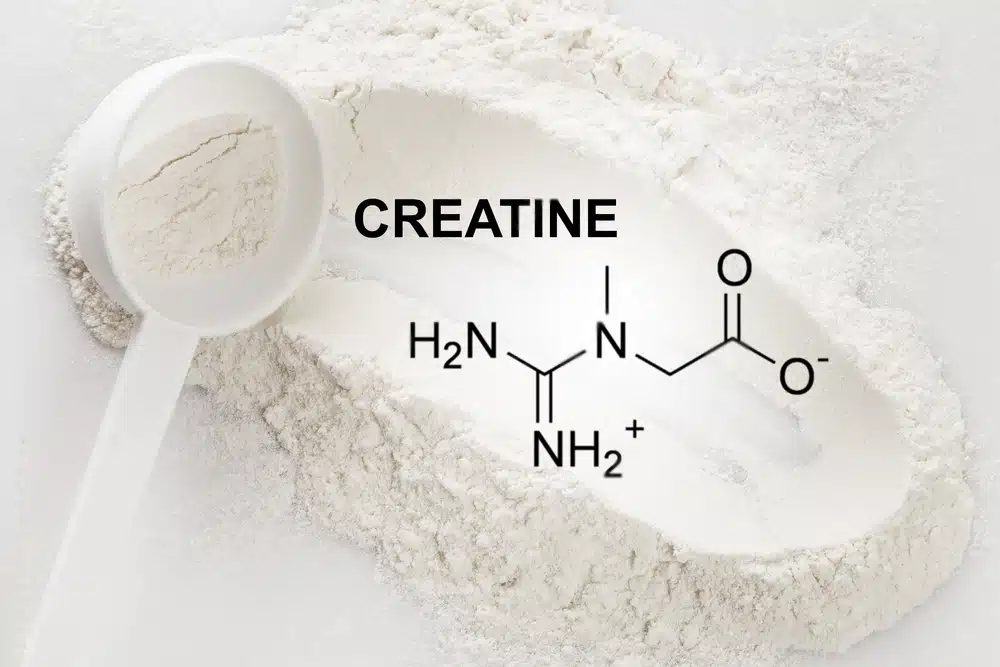
No conclusive evidence links creatine to acne, but anecdotal reports and observations suggest a potential connection.
Lack of Conclusive Evidence
Scientifically, there isn’t any direct evidence to link creatine with acne. We pour through numerous studies and research on this topic but found no definitive data that attests to creatine as a causative agent for acne.
This lack of conclusive evidence fuels the debate surrounding the impacts of creatine on skin health. However, it’s important to note that not all effects are universally experienced by users; anecdotal reports suggest some individuals encounter breakouts after using this supplement.
Although these cases exist, they don’t provide substantial backing to declare creatine as an acne trigger due to their subjective nature and limited number. Therefore, while you may develop skin problems when utilizing creatine, no scientific consensus currently confirms this hypothesis. You can also read – does creatine has calories?
Anecdotal Reports and Observations
Though scientific research does not directly link creatine to acne, numerous anecdotal reports suggest a potential connection. These individual accounts often highlight increased breakouts after starting creatine supplementation, primarily amongst those already prone to acne.
It’s important to note these observations may be influenced by other factors, such as increased workout intensity leading to more sweat and oil production, which can contribute to acne development.
Also, many believe that creatine increases sebum production, potentially causing clogged pores. However, whether the reported skin issues directly result from enhanced testosterone levels from taking creatine or simply coincidental occurrences remains inconclusive.
As with any supplement intake, experiences vary greatly among individuals due primarily to differences in body chemistry and genetic predispositions toward certain conditions like acne.
Possible Mechanisms of Creatine and Acne
Creatine may potentially contribute to acne by increasing levels of DHT and testosterone, as well as through dehydration.
Increased DHT Levels
In sports supplementation, creatine has been linked to increased dihydrotestosterone (DHT) levels, a hormone that can stimulate sebum production. Excessive sebum may contribute to skin inflammation and acne formation.
However, it’s crucial to note that while this connection is speculated, current research does not conclude that creatine significantly increases DHT levels or directly contributes to acne.
While there’s an association between high DHT levels and hair loss in men, its direct link with acne remains insufficiently evidenced. Furthermore, each individual may react differently to supplements like creatine; hence one person’s experience may differ from another’s – maintaining this variable nature when assessing potential side effects.
Increased Testosterone Levels
One possible mechanism by which creatine may contribute to acne is through increased testosterone levels. Testosterone is a hormone that plays a key role in the development of acne.
While some studies have shown increased testosterone levels in individuals taking creatine, it is important to note that this effect is inconsistent across all subjects, and more research is needed.
However, suppose you are prone to acne or already have existing acne. In that case, it may be advisable to monitor your skin closely while using creatine supplements and consult a dermatologist if any issues arise.
Read also: How much water should I take with creatine?
Dehydration
Dehydration is often mentioned as a possible side effect of creatine supplementation, but no concrete evidence supports this claim. Early research suggesting a link between creatine and water retention may have led to misconceptions about dehydration.
Proper hydration is essential while taking creatine to maximize its benefits and minimize potential side effects. Drinking enough water throughout the day helps your body absorb and utilize creatine effectively.
So, stay hydrated by drinking plenty of fluids when incorporating creatine into your fitness routine.
Other Side Effects of Creatine

Creatine can also cause muscle cramps, digestive issues, and weight gain.
Muscle Cramps
Muscle cramps are a potential side effect of creatine supplementation, although everyone does not experience them. It is important to note that muscle cramps can occur due to various factors and may not be directly caused by creatine.
However, incorrect dosages or dehydration from inadequate fluid intake while taking creatine could contribute to muscle cramps. To minimize the risk, consuming enough water throughout the day and following the recommended dosage guidelines for creatine supplements is essential.
While muscle cramps are a possible concern when using creatine, they can usually be managed with proper hydration and adherence to dosing instructions.
Digestive Issues
Digestive issues are among the potential side effects of creatine supplementation. Some individuals may experience nausea, bloating, and loose stools. While these gastrointestinal discomforts are not directly related to acne development, they can still be bothersome for those taking creatine supplements.
It is important to listen to your body and adjust your dosage or timing of creatine intake if you experience digestive problems. Additionally, staying well-hydrated and maintaining a balanced diet can help alleviate these issues while reaping the benefits of creatine supplementation for muscle strength and performance enhancement.
Weight Gain

Creatine supplementation has been associated with weight gain in some individuals. This is because creatine can increase water content within muscle cells, leading to temporary weight gain.
It’s important to note that this weight gain is not due to increased body fat but rather increased hydration of the muscles. Studies have shown that this initial weight gain typically ranges from 1-3 pounds during the first week of creatine use.
While this transient increase in body weight may concern some individuals, it’s crucial to remember that the primary purpose of creatine supplementation is not for losing or gaining weight but rather for enhancing athletic performance and promoting muscle growth. You can also read – does creatine make you fat?
How to Deal with Acne While Taking Creatine
Take care of your skin by following a proper skincare routine, staying hydrated, and consulting a dermatologist. Learn more about managing acne while reaping the benefits of creatine supplementation.
Proper Skincare Routine

Maintaining a proper skincare routine is essential for managing acne while taking creatine. Cleansing your face twice daily with a gentle cleanser can help remove dirt, oil, and sweat that can clog pores.
It’s important to avoid harsh scrubbing or using abrasive products that can irritate the skin further. An oil-free moisturizer can help keep the skin hydrated without adding excess oils.
Additionally, using non-comedogenic (non-pore clogging) sunscreen is crucial to protect the skin from harmful UV rays. If you’re concerned about acne while taking creatine, incorporating these simple steps into your daily routine can help minimize breakouts and keep your skin clear and healthy.
Staying Hydrated

Proper hydration is crucial when taking creatine supplements. Dehydration can occur if you don’t consume enough fluids, leading to potential problems like muscle cramps and weight gain.
This could also contribute to acne breakouts, especially when combined with intense workouts. By drinking an adequate amount of water throughout the day, you can help maintain healthy skin while reaping the benefits of creatine supplementation.
Remember that hydrated skin is more resilient and less prone to irritation and blemishes.
Consulting a Dermatologist
If you are experiencing increased acne while taking creatine, it is advisable to consult with a dermatologist. A dermatologist specializes in skin conditions and can provide personalized advice and treatment options based on your needs.
They can assess your situation, evaluate any potential triggers or underlying causes of your acne, and recommend appropriate skincare products or treatments. Consulting a dermatologist will help ensure you receive the most effective strategies for managing your acne while still enjoying the benefits of creatine supplementation.
Everyone’s skin is different, so seeking professional guidance can make all the difference in finding an effective solution.
You May Find Interest: Does Creatine Make You Bloated
Benefits of Creatine Supplementation
Creatine supplementation has increased muscle mass and strength, enhanced athletic performance, and potentially provided cognitive benefits.
Increased Muscle Mass and Strength
Creatine supplementation has been shown to impact increasing muscle mass and strength positively. Numerous studies have demonstrated that creatine can enhance performance during high-intensity workouts, allowing individuals to work more during reps or sprints.
By providing an additional energy source for muscles, creatine helps athletes push harder and longer, ultimately leading to greater muscle size and strength gains. This makes creatine a popular supplement choice among bodybuilders, powerlifters, and other athletes looking to maximize their physical performance.
Improved Athletic Performance
Creatine supplementation is widely known for its benefits in improving athletic performance. Numerous studies have highlighted the positive effects of creatine on muscle mass, strength, and power output.
By increasing the body’s phosphocreatine stores, a compound responsible for replenishing ATP (the energy currency of cells), creatine helps athletes perform at their best during high-intensity activities like weightlifting, sprinting, and jumping.
It can also enhance muscle recovery and reduce fatigue, allowing individuals to exercise more intensely and for longer durations. While acne is not directly linked to creatine consumption, it’s important to consider individual experiences and consult a dermatologist if you have concerns about potential side effects while enjoying the athletic benefits of creatine supplementation.
Potential Cognitive Benefits
Creatine supplementation has shown potential cognitive benefits that may interest many individuals. Research suggests that creatine can help improve cognitive function, particularly in memory and information-processing tasks.
Studies have found that creatine supplementation may benefit older adults by protecting against age-related memory decline and enhancing overall brain health. These findings indicate that creatine could be a helpful supplement for those looking to boost their mental performance and maintain cognitive health as they age.
So, if you’re seeking ways to enhance your brain power, adding creatine to your supplement regimen might be worth exploring further.
Recommended Dosage and Timing of Creatine
Following recommended dosages and timing guidelines is important to get the most out of creatine supplementation. The typical dosage for creatine is around 3-5 grams per day, although some individuals may require higher doses (up to 20 grams) during the initial loading phase.
It is best to start with a smaller dose and gradually increase it over time.
When it comes to timing, there are different approaches you can take. Some studies suggest that taking creatine immediately before or after your workout can enhance its effectiveness by maximizing muscle uptake.
Others recommend spreading your daily dose throughout the day to maintain consistently elevated levels in your system.
Remember, consistency is key when supplementing with creatine. Unlike other supplements that must be cycled on and off, creatine can be taken continuously without any negative effects.
However, if you decide to stop using creatine for an extended period, it’s advisable to go through another loading phase when you resume supplementation.
By following these recommended guidelines for dosages and timing, you can optimize the benefits of creatine and potentially see improvements in muscle mass, strength gains, and athletic performance while minimizing any potential side effects associated with incorrect usage.
References and Additional Resources
To learn more about the relationship between creatine and acne, here are some reputable references and additional resources:
- “Acne: Causes, Diagnosis and Treatment” by American Academy of Dermatology
- “The effects of creatine supplementation on performance and hormonal response in participants susceptible to acne vulgaris” study published in the Journal of Exercise Nutrition & Biochemistry
- “Creatine Supplementation: Effects on Acne Vulgaris and Seborrhea” study published in the Journal of Cosmetic Dermatology
- “The role of anabolic hormones for wound healing in catabolic states” study published in the Annals of Plastic Surgery
- International Society of Sports Nutrition Position Stand: Creatine
- Mayo Clinic: Creatine Supplements
Read Also: 10 Best Flavored Creatine
Frequently Asked Questions (FAQs)
As a supplement, creatine has some pros and cons. You can check the answers below for queries on either creatine or acne.
1. Can creatine cause acne?
Some evidence suggests that creatine supplementation may potentially exacerbate acne in individuals prone to breakouts. However, more research is needed to establish a clear link between creatine and acne.
2. How does creatine affect the skin?
Creatine increases the production of dihydrotestosterone (DHT), a hormone known to stimulate oil glands in the skin. Elevated levels of DHT can lead to increased sebum production, which may contribute to acne development.
3. Are there any alternatives for individuals concerned about potential acne from using creatine?
If you’re worried about possible acne flare-ups from taking creatine, consider alternative supplements like beta-alanine or branched-chain amino acids (BCAAs) as they have not been associated with adverse effects on the skin.
4. Can proper skincare routine help prevent or manage potential acne caused by creatine?
Maintaining a good skincare routine can help reduce the likelihood and severity of breakouts associated with creatine use. This includes cleansing your face twice daily, avoiding pore-clogging products, using non-comedogenic moisturizers, and keeping your skin hydrated and balanced.
Disclaimer: This content is for informational purposes only and does not replace professional medical advice, diagnosis, or treatment. This information is not comprehensive and should not be used to make health or well-being decisions. Consult a qualified healthcare professional with questions about a medical condition, treatment options, or health regimen. This website or the content should never replace professional medical advice.