Most loyalty programs I joined over the years died quietly in my phone. I signed up, got a welcome coupon, and forgot about them. The few I still open every day have one thing in common: they feel like a small game. That is why I started collecting gamified loyalty program ideas that work for apps, SaaS tools, online stores, and content sites.
Below are 10 ideas I have used as a customer and tried in my own digital work. Each one comes with a real 2026 example and one tip. All of them are simple enough for a small team to launch.
What Is a Gamified Loyalty Program?
A gamified loyalty program adds game rules to rewards. Instead of only “spend $10, get 10 points,” customers keep streaks, unlock levels, finish missions, or win surprise prizes. The goal is to build a habit, not just hand out a discount.
This is no longer a side experiment. In Open Loyalty’s Loyalty Program Trends 2026 report, 42.1% of loyalty professionals named gamification as one of the biggest trends for the next two to three years, up from 22.2% in 2021. Also, 38% plan to invest in it in 2026, up from 32.1% in 2024.
The same report shows what teams care about most. 59% put customer lifetime value first, and 44% focus on lowering churn. So the best gamified loyalty program ideas keep people around longer. They do not just give away the most coupons.
10 Gamified Loyalty Program Ideas for Digital Businesses
Here are the 10 gamified loyalty program ideas I would start with. Each one shows how it works, a real example, and a tip from my own use.
1. Daily Streaks With a Safety Net
A streak counts how many days in a row someone does something. Duolingo is the best example I know. I kept a language streak going for months mainly because I did not want the number to reset.
The safety net matters as much as the streak, because a broken streak can make people quit. In June 2026, Duolingo ran a one-time Streak Revival event. Users could restore their longest streak by finishing three lessons. 15.4 million learners took part, including nearly 8 million with no active streak. In Q2 2026, daily active users grew 23% to 58.7 million.
Tip: Use this gamified loyalty program idea for products people should use often, like habit apps, newsletters, or courses. Give one free “freeze” per month.
2. Tiered Status Levels
Tiers give customers a clear next level to reach. Starbucks relaunched its Rewards program on March 10, 2026, with three levels: Green, Gold, and Reserve. Gold members earn 1.2 Stars per dollar, and their Stars never expire. Reserve members earn 1.7 stars per dollar.
Early results look strong. In fiscal Q2 2026 (January to March), Starbucks reported a record 35.6 million 90-day active US members, up 4% year over year.
Tip: Keep it to three tiers. Make the top tier about access, like early features or priority support. That keeps this gamified loyalty program from eating your margins.
3. A Quick First Reward
Many programs put the first reward too far away. I have dropped programs that needed 20 purchases before I got anything. A small early win fixes that. Starbucks added a 60-Star reward worth $2 off any item. CEO Brian Niccol said it became the most-used benefit, at about one-third of all redemptions.
Tip: In any gamified loyalty program, set the first reward so a new customer can reach it within one or two weeks.
4. Missions and Challenges
A mission is a short task with a clear prize. For example: “Upload three files this week and get 1 GB extra. ” Open Loyalty’s 2026 report lists missions, time-bound challenges, and streak incentives among the mechanics brands that are now building into their programs.
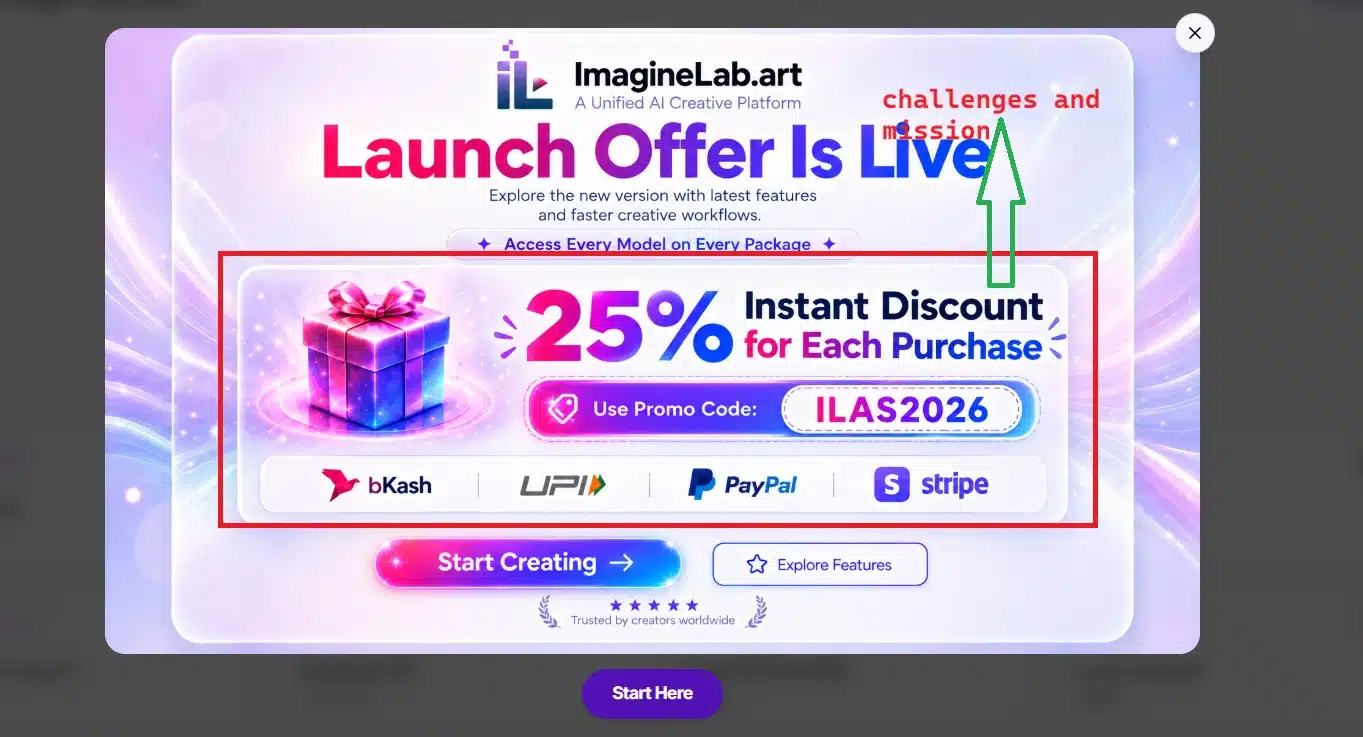
I like missions because they teach people the product. In a SaaS tool, a mission can lead a user to the feature that makes them stay.
Tip: Tie each mission in your gamified loyalty program to one action that predicts retention. Do not reward random clicks.
5. Progress Bars and Milestones
People like to finish what they start. A bar that says “70% complete” pulls users toward the end. LinkedIn’s profile strength meter has used this trick for years. In an online store, “Spend $12 more for free shipping” works the same way. In a loyalty app, show how close the user is to the next tier.
Tip: Start the bar above zero. A few points for signing up makes this gamified loyalty program idea feel easy to finish.
6. Badges for Non-Purchase Actions
Not every loyal act is a purchase. Reviews, referrals, tutorials, and community posts all help a digital business. Badges reward these actions without costing you cash. I have written product reviews just to earn a “Top Reviewer” badge. It sounds silly, but public recognition works.
Tip: Show badges on public profiles. A badge nobody else sees adds little to a gamified loyalty program.
7. Spin-the-Wheel and Mystery Rewards
Surprise rewards add the thrill of chance. A spin after checkout or a mystery box after a milestone keeps things fresh.
Keep two rules in mind. Every prize should have real value, even the smallest one. Also, prize games can fall under sweepstakes laws. In the US, many need a free way to enter, so check local rules first.
Tip: Use chance as a bonus layer in your gamified loyalty program, not as the main way to earn.
8. Referral Quests
Referrals turn loyal users into a growth channel. Dropbox grew fast in its early years by giving extra free storage to both the inviter and the new user. You can make referrals feel like a game with steps. One friend unlocks a badge, three unlock a free month, and ten unlock a top-tier perk.
Tip: Reward only referrals who become active users. This protects your gamified loyalty program from fake sign-ups.
9. Weekly Leaderboards
Leaderboards rank users by points or activity. Duolingo’s weekly leagues are a good model. You compete with a small group, and the board resets every week. Big all-time leaderboards can backfire. A new user who sees rank 40,000 often gives up.
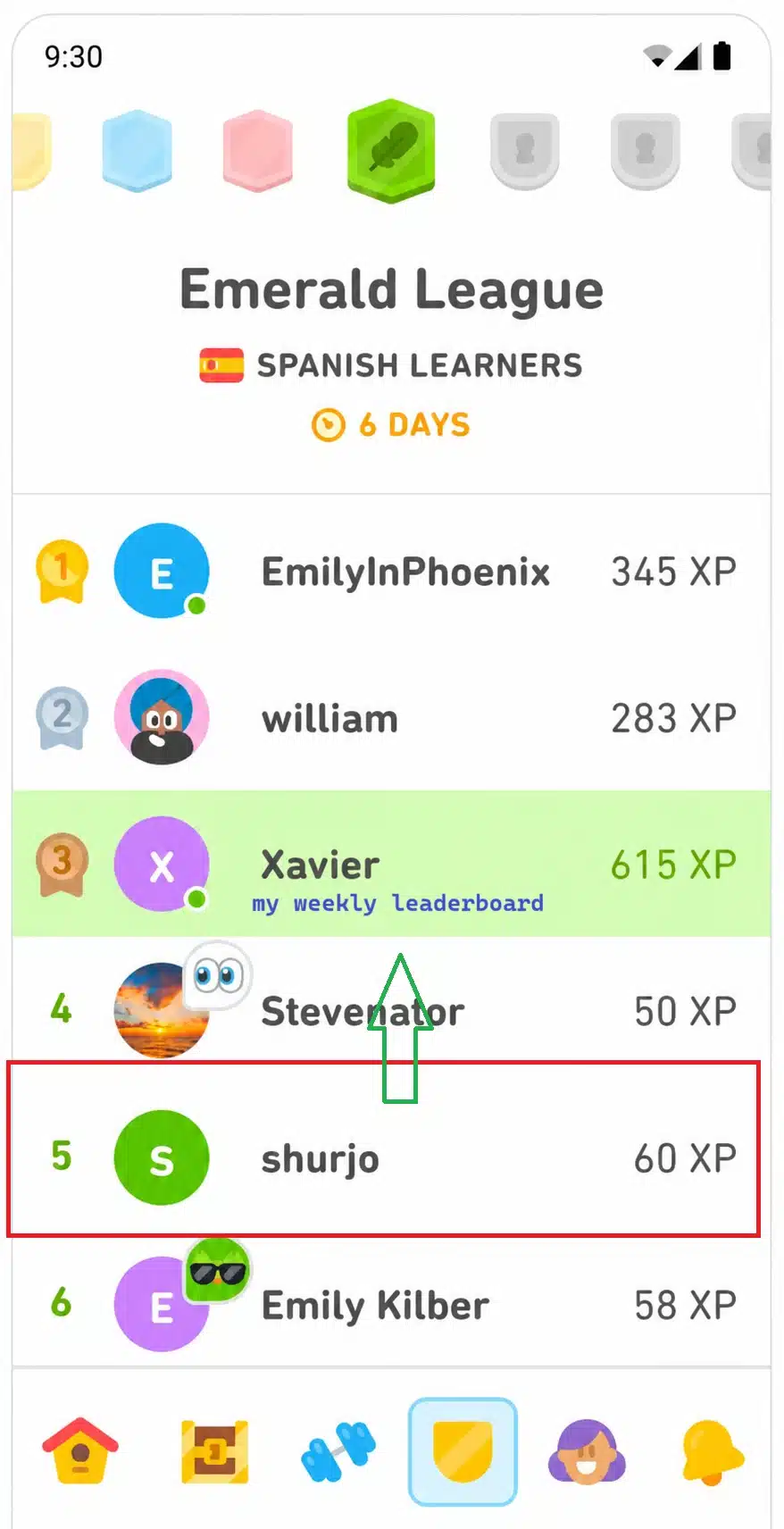
Tip: Keep groups small, reset often, and let users opt out. This gamified loyalty program idea fits learning, fitness, and creator platforms best.
10. Seasonal Events and Double-Point Days
Limited-time events give users a reason to come back now. Starbucks gives Gold members at least four Double Star Days a year, when they earn double Stars on the whole purchase. For a digital business, try a two-week event around a launch or holiday. Add a themed badge and bonus points.
Tip: Put events on a public calendar so users expect them. Too many random events make a gamified loyalty program feel messy.
How to Pick the Right Idea for Your Business
You do not need all 10. Start with two that match how customers already use your product. This table shows where I would begin with a gamified loyalty program.
| Business type | Ideas to start with | Main metric |
|---|---|---|
| SaaS or app | Missions, progress bars, streaks | Activation and churn |
| Online store | Tiers, quick first reward, seasonal events | Repeat purchase rate |
| Content or community | Streaks, badges, leaderboards | Return visits |
| Digital services | Referral quests, tiers | Client lifetime value |
Before you build, check that your tools can track user actions in real time. If your business still runs on spreadsheets and email, start with this digital blueprint to modernize your SME. Older brands moving online can read our guide on digital transformation for traditional businesses. If you sell services, see how repeat clients fit into a profitable digital services business.
Then follow three steps:
- Pick one behavior to grow, such as weekly logins or second purchases.
- Launch one game mechanic for it and test it with a small group.
- Measure retention after 30 and 90 days, not just sign-ups.
Niccol made a point on the Starbucks earnings call that stuck with me: a rewards program should not be a coupon book. I agree. The goal is a habit, not a discount.
FAQs on Gamified Loyalty Program Ideas
What is the easiest gamified loyalty program idea to start with?
A quick first reward plus a progress bar. Both are cheap to build and show results fast. Add streaks or tiers once you know which actions keep customers coming back.
Do gamified loyalty programs work for SaaS and B2B?
Yes. Missions, progress bars, and badges guide users to key features. In SaaS, a gamified loyalty program should reward product use more than spending.
How do I know if my gamified loyalty program is working?
Track retention, churn, and customer lifetime value. These are the top goals loyalty teams set for 2026, ahead of order volume.
Are spin-to-win games legal?
Usually, but rules vary by country and state. In the US, prize games often need a free way to enter. Check local laws before adding chance to a gamified loyalty program.
Final Thoughts
The best gamified loyalty program ideas are simple: a streak that is hard to break, a level worth reaching, and a reward that comes early. The programs I still use never feel like homework. They feel like a small win each time I open them.
Pick one or two ideas from this list. Test them with a small group, measure retention, and build from there.