Moving overseas gives you a new country. It does not automatically give you a good life there.
That part still needs building.
The things that make the biggest difference are often remarkably ordinary: people you trust, healthcare you understand, routines that work, and enough confidence in your surroundings that every minor problem does not become an international incident.
Then there are the things that keep life interesting – the places you explore, local habits you adopt, and experiences you would never have had if you stayed home.
The best expat life needs both. Too much familiarity and you stop taking advantage of where you are; too little and everyday life stays confusing and exhausting.
Below are seven things that make expat life better:
Ask Locals Who They Use
Online reviews are useful. A neighbour or colleague saying, “Use this company, they’ve fixed ours for years,” is infinitely better.
Ask people around you for their trusted doctor, mechanic, plumber, dentist, and other everyday recommendations.
Save the names as you collect them. Local knowledge is one of the most useful shortcuts available to expats. There is no special achievement awarded for personally texting five disappointing service providers before eventually discovering the excellent one everybody else already knew about.
Find Your New Spots
Not every outing needs research. Find your default coffee shop, grocery store, takeaway, park, and somewhere reliable for dinner.
Having a few places where you already know what to expect removes dozens of tiny decisions from the week. It also makes your surroundings start feeling like your neighborhood rather than just being the area where you happen to live.
There is something wonderfully reassuring about reaching the point where “Where should we go?” has an immediate and extremely predictable answer.
Learn The Language Of Your Life
Generic vocabulary lists can teach you fifteen fruits before teaching you how to explain that your internet has stopped working.
Change things up.
Learn the language connected to your actual routine: work, shopping, school, healthcare, transport, and other social situations.
Those are the words you will actually need.
Every successful little interaction builds confidence. You learn how to discuss philosophy eventually. For now, being able to explain exactly what is wrong with your broadband feels considerably more intellectually satisfying.
Make Healthcare Boring
Healthcare is one area of expat life you ideally want to be extremely uneventful.
Know where your nearest doctor and hospital are, understand the local system, and make sure you have suitable coverage.
For people living overseas long term, expat health insurance can provide access to medical care internationally, with benefits varying between plans.
Then forget about it until you need it. Being able to do exactly this is rather the point of having everything properly arranged.
Stop Waiting To Be Invited
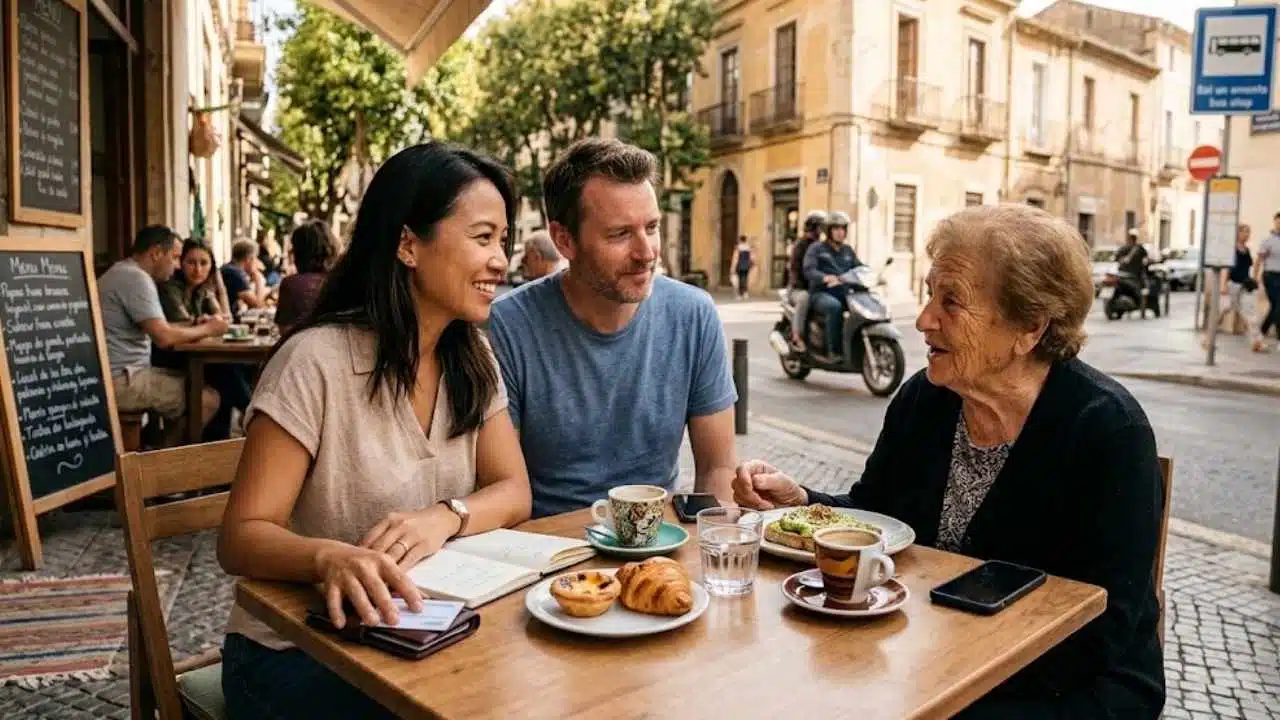
When you are new somewhere, it is easy to assume friendships will happen once people start including you.
Speed things up a little.
Invite the neighbors over. Suggest dinner instead of vaguely agreeing to something that never happens. Some invitations will go nowhere; others may create friendships that completely change your experience abroad.
Building a social life requires occasional bravery. Fortunately, the terrifying act of asking someone whether they fancy a drink usually lasts approximately seven seconds.
Celebrate The Local Calendar
Do not let local celebrations happen around you while you remain permanently on the perimeter.
Find out which festivals, holidays, and annual events matter to the community, and experience them properly. Learn the traditions, eat what everybody insists you need to try, and return year after year.
Repetition is where you start finding your feet. The first time you discover a local tradition, a few years later you could be explaining it enthusiastically to newly arrived expats yourself!
Build Your Own Version Of Home
Do not spend your expat life trying to recreate home exactly as you remember it.
Keep the pieces worth holding on to, but allow your new country to contribute something too.
Maybe a local dish becomes a regular dinner. A new festival joins the family calendar. Friends you met after moving become people you cannot imagine life without.
Little by little, the distinction between “home” and “here” becomes less important. What replaces it is something far more personal: a life made from the people, traditions, and habits you have collected from both places.
In Conclusion
Perhaps the best sign of a good expat life is when it stops feeling like an experience you need to make the most of. You have people to call, places you return to, and traditions you now understand well enough to gleefully anticipate.
The things you brought from home have found their place beside everything you have discovered since arriving. Nothing needed to be replaced. Your idea of home just became bigger. And, somewhere in that mixture of old and new, you built an everyday life that feels entirely, comfortably yours.