Choosing an engagement ring is one of the most personal purchases many couples will ever make. While timeless designs never disappear, new preferences continue to shape the jewelry market as shoppers weigh style, budget, sustainability, and long-term value.
Social media, celebrity engagement announcements, and changing attitudes toward diamonds have all influenced what people look for when they begin shopping. Today’s trends show that couples want rings that reflect their personalities instead of simply following tradition, and that has opened the door to a wider variety of beautiful options.
Changing Diamond Preferences
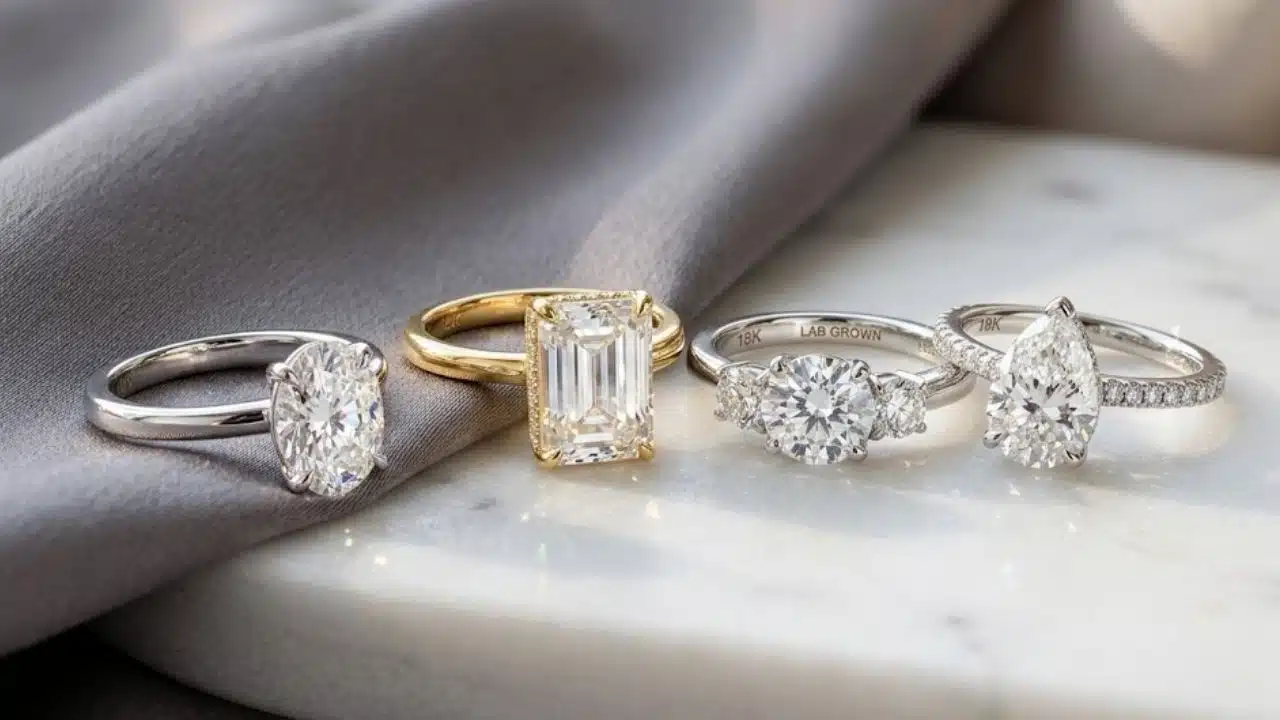
One of the biggest developments in recent years is the growing interest in ethical engagement rings with lab-grown diamonds instead of earth-mined because many buyers appreciate having more choices when it comes to cost, environmental considerations, and sourcing. Lab-grown diamonds have the same physical and chemical properties as natural diamonds, yet they often allow shoppers to select a larger stone or a more elaborate setting while staying within budget.
This shift has not replaced traditional mined diamonds, but it has expanded the marketplace. Some couples still prefer naturally formed stones because of their rarity and history, while others focus on affordability or personal values. Jewelers have responded by offering larger selections across both categories, making it easier than ever for shoppers to compare styles, cuts, and settings before making a final decision. Instead of one option dominating the market, consumers now have meaningful choices that suit different priorities.
Vintage Styles Return
Vintage-inspired rings continue to attract attention as couples search for designs that stand apart from standard solitaire settings. Details like milgrain edges, filigree work, floral patterns, and art deco influences have made a noticeable return. These elements add personality without making a ring feel overly trendy.
Oval, emerald, and cushion cuts remain among the most requested diamond shapes, while elongated stones continue to gain popularity because they can create the appearance of greater finger coverage. Yellow gold has also experienced a resurgence after years of white gold and platinum dominating the market. Rose gold still appeals to buyers looking for a softer, romantic appearance, especially when paired with vintage-inspired settings.
Customization has become another defining feature of today’s engagement ring market. Many couples choose to modify existing designs by selecting a unique center stone, changing the band width, or incorporating hidden details beneath the diamond. Those personal touches help create a ring that feels meaningful without requiring a completely custom design from scratch.
Personal Style Leads Decisions
Fashion trends influence engagement rings, but personal taste has become an even stronger driving force. Rather than choosing whatever happens to be most popular, many couples start by thinking about everyday wear, lifestyle, and long-term comfort. Someone with an active career may prefer a lower-profile setting, while another buyer may prioritize maximum sparkle with a halo or pavé design.
Colored gemstones have also become more common as accent stones or even centerpieces. Sapphires, emeralds, and rubies provide distinctive alternatives for buyers who want something less conventional while still maintaining an elegant appearance. Mixed metal designs have gained traction as well, giving rings additional visual interest and making them easier to pair with different jewelry collections.
Many jewelers now encourage shoppers to view engagement rings as highly personal pieces rather than symbols that must follow a strict formula. That mindset has helped broaden the range of styles available and reduced the pressure to purchase a ring that simply matches current fashion.
Celebrity Influence Continues
Celebrity engagement announcements still inspire many jewelry trends, even when buyers ultimately choose something different. Fans often study stone shapes, settings, and band designs after a high-profile proposal, then adapt those ideas to fit their own budgets and preferences. Searches frequently spike whenever a famous engagement makes headlines.
One example that continues to generate discussion is Taylor Swift’s engagement ring, which has fueled conversations about elegant designs, timeless settings, and understated luxury. Whether celebrity speculation proves accurate or not, public interest often encourages shoppers to explore similar styles featuring classic proportions, refined craftsmanship, and wearable elegance instead of overly flashy designs.
Celebrity influence works best as inspiration rather than a shopping checklist. A ring that fits one person’s lifestyle may not fit another’s, so many buyers use these examples as a starting point before narrowing their search to designs that better reflect their own tastes.
Choosing A Ring That Lasts
An engagement ring is meant to be worn for many years, making durability just as important as appearance. Buyers should consider metal strength, setting security, daily comfort, and future maintenance alongside the visual appeal of the stone itself. A beautiful ring should complement everyday life instead of becoming difficult to wear.
Working with a reputable jeweler can also make the process easier by providing education about diamond grading, gemstone quality, warranties, and routine maintenance. Understanding the differences between cuts, clarity grades, and setting styles helps shoppers make informed decisions without feeling overwhelmed by technical terminology.
As engagement ring trends continue to evolve, one theme remains consistent. Couples increasingly value authenticity over tradition for tradition’s sake. Whether they choose a vintage-inspired setting, a classic solitaire, a lab-grown diamond, or a colorful gemstone, the most meaningful engagement ring is one that reflects the relationship it represents.