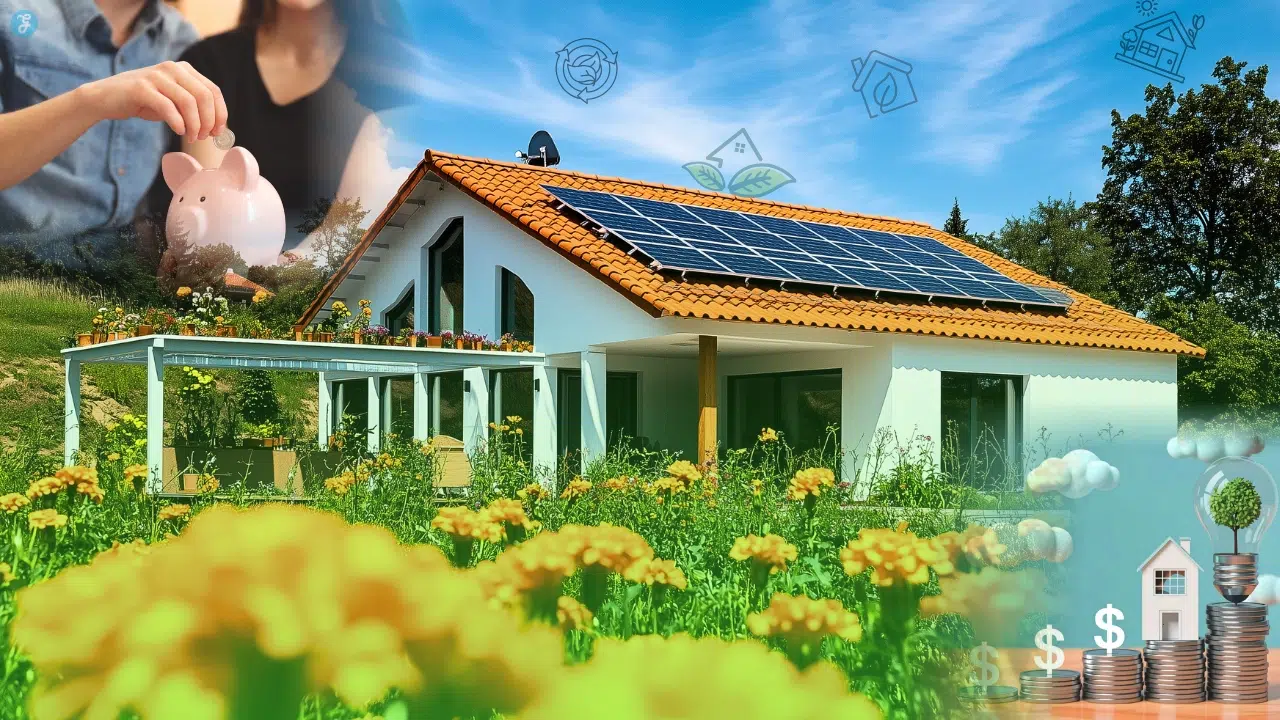
An eco-conscious home doesn’t have to come with a high price tag. While solar panels and advanced green tech may seem expensive, achieving sustainable living is possible with smart, budget-friendly choices.
Designing an Eco-Friendly Home Design on a Budget is like eating healthy on limited funds—it takes planning, but it works. Ultra-efficient homes combine strong energy-saving construction, efficient appliances, and smart lighting with accessible renewable energy options like solar power.
This guide explores affordable solutions such as shipping container homes, prefabricated tiny houses, and the use of recycled materials. It also highlights government incentives that can significantly reduce costs.
Creating a sustainable, eco-friendly home is more achievable than it seems—with the right approach, it can be done without overspending.
Key Principles of Eco-Friendly Home Design
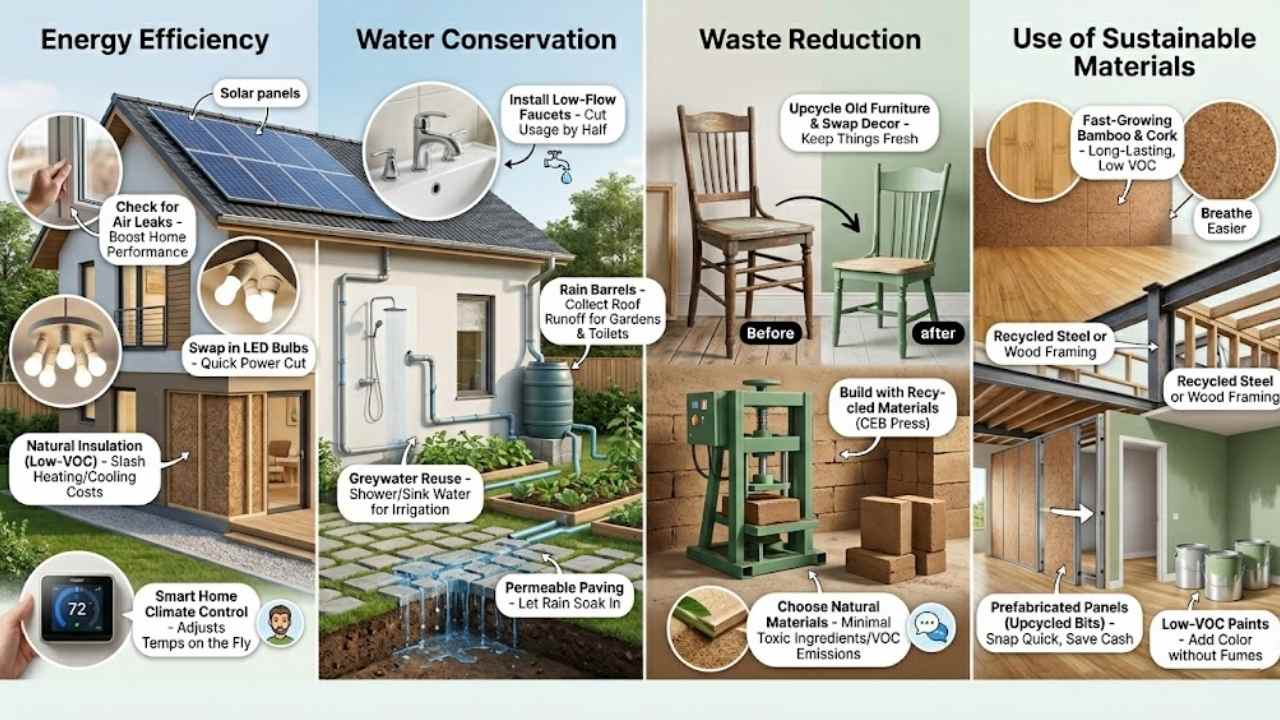
Think your home as a cozy fortress against waste, where smart choices like natural insulation keep things warm without guzzling power. Explore these core ideas, from slashing water use with rain barrels to picking bamboo floors that last, and watch your space turn green on a dime.
Energy efficiency
Ultra-efficient homes blend top-notch energy-efficient construction, appliances, and lighting with ready-to-buy renewable energy systems. You can start small. Swap in energy-efficient light bulbs to make your place more environmentally friendly.
These bulbs cut down on power use right away. For budgets under $500, energy-efficient lighting stands out as a smart eco-friendly upgrade. Think about testing doors and windows for air leaks, too.
This simple check boosts your home’s total performance. Adding insulation amps up energy efficiency and slashes heating and cooling costs. Natural insulation fits perfectly into sustainable home design.
It uses materials with low or no toxic ingredients and low VOC emissions. Solar energy offers a solid renewable choice for homeowners building ecological housing. Green technology like this keeps things running smooth.
Smart home climate control systems slash energy consumption in sustainable housing. They adjust temps on the fly, saving you money and resources. Imagine your house thinking ahead, like a helpful neighbor who turns off lights you forgot.
Self-build homes often include these features for better efficiency. Tiny houses shine here, with modular construction that locks in heat. Affordable housing projects push this angle hard.
Groups like the Open Building Institute share open source plans for such setups. You gain control, cut waste, and live lighter on the planet. Natural building techniques, with bamboo or cork, tie into this principle well.
Energy efficiency isn’t just about saving the earth; it’s about saving your wallet, too, says sustainable design expert Laura Fenton, author of The Little Book of Living Small.
Water conservation
Water saves money and helps the planet in your home design. Install low-flow faucets, they cut usage by half without losing pressure. Think of it like a smart diet for your pipes, trimming waste one drop at a time.
Realtors® from the National Association of Realtors® often suggest these in real estate deals, especially for sustainable homes. Add rain barrels to catch roof runoff, perfect for gardens or flushing toilets.
NAR backs such moves in residential real estate, tying into fair housing and property rights. You collect free water, and Mother Nature thanks you. Pair this with modular eco homes, they fit zoning laws and boost efficiency.
Greywater systems reuse shower and sink water for irrigation, a game-changer on tight budgets. Builders like those in Open Source Ecology promote this in design-build projects. Picture your laundry water feeding plants, it’s like recycling with a green thumb.
Use permeable paving in yards, it lets rain soak in instead of running off. Groups like Sustainable Design Group push these ideas in Vermont and beyond. Check local codes first, they vary by area.
Bamboo houses or Earthship homes often include these features, blending with incremental building techniques.
Waste reduction
Waste reduction starts with smart choices that cut down on trash in your home. Upcycle old furniture instead of tossing it out, and swap home decor with friends to keep things fresh without buying new.
Marcin Jakubowski promotes open-source tools like the CEB press for building with recycled materials, turning waste into sturdy walls. Think of it as giving junk a second life, like turning yesterday’s scraps into tomorrow’s treasures.
Sustainable home design thrives on natural materials with low toxic ingredients and minimal VOC emissions. Homeowners, embrace these habits to slash waste and boost homeownership pride.
Jacob Racusin shares tips on using bamboo scraps for durable fixes, proving you can go green without breaking the bank. Swap stories with neighbors about your upcycling wins, and watch your eco-friendly space grow.
Use of sustainable materials
Pick sustainable materials to cut your home’s impact on the planet. Go for natural options like bamboo and cork, which grow fast and last long. These choices skip toxic stuff and keep VOC emissions low, so you breathe easier inside.
Chris Reinhart, a real estate pro, often points folks to recycled steel or wood for that eco edge. Think of it like swapping junk food for fresh veggies; your house stays healthy, and so does the earth.
Mix in prefabricated panels made from upcycled bits; they snap together quick and save cash. Ace McArleton swears by them in commercial real estate deals, tying into Realtors® code of ethics for green builds.
Low-VOC paints add color without the fumes, perfect for any room. Imagine chatting with friends over coffee, “Hey, my walls don’t stink up the place anymore.” Solar energy pairs well here too, boosting efficiency on a budget.
Affordable Eco-Friendly Home Options
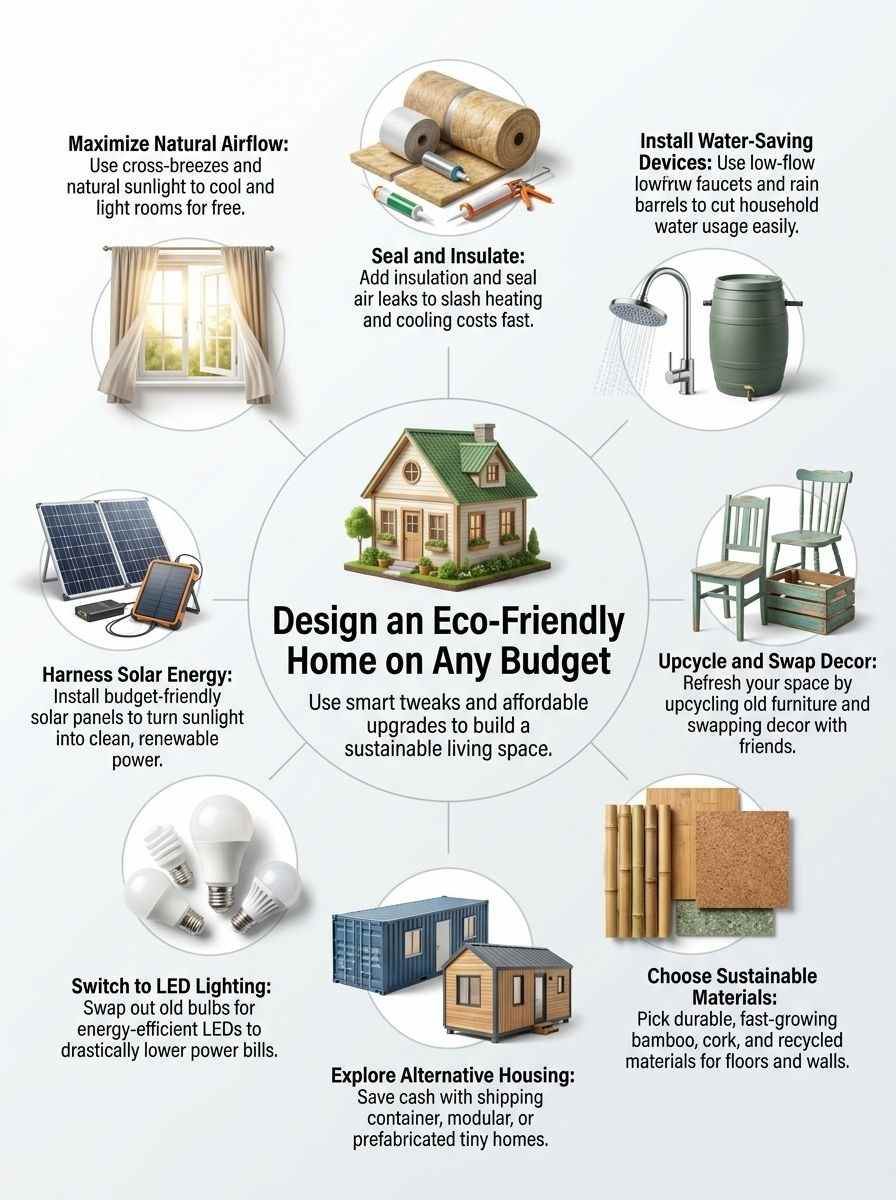
Think turning old shipping crates into a cozy, green nest or snapping together modular units like Lego blocks for your dream spot – these wallet-friendly picks prove sustainability fits any pocket, so keep scrolling to see which one sparks your next big move!
Shipping container homes
Shipping container homes turn old steel boxes into sturdy, green living spaces. You repurpose them to cut waste and build fast. Stack a few for more room, like giant building blocks on a budget.
Folks love how they fit any wallet size. Add insulation right away; it boosts energy efficiency and slashes heating bills. Test those doors and windows for air leaks, folks, to keep the warm air inside.
Sustainable design shines here with natural materials that skip toxic stuff and keep VOC emissions low. A Realtor® might spot land on MLS for your project, tying into new frameworks for eco builds.
Coding simple javascript scripts to automate lights, making the setup even smarter.
Ultra-efficient versions mix top-notch construction with appliances and commercially available renewable energy systems, like solar panels that harness clean power. You install solar energy setups for long-term savings.
Grab energy-efficient light bulbs; they transform any space into an eco gem. For budgets under $500, energy-efficient lighting upgrades pay off quick. Jump to $1,000 to $5,000 and add an EV charger for that electric car dream.
Smart home climate control systems, programmed with javascript, slash energy use by adjusting temps on the fly. Upcycle old furniture or swap decor with friends to keep things fresh without spending much.
Picture a cozy cabañita vibe inside, small yet full of charm. The Realtors® Political Action Committee, RPAC, pushes policies that back such green ideas.
Prefabricated tiny homes
Prefabricated tiny homes offer a smart path to eco-living without breaking the bank. Builders assemble these compact houses in factories, then ship them to your site for quick setup.
You get energy efficiency built right in, like thick insulation that cuts heating and cooling costs. Add solar panels, and you harness renewable power to slash your bills. Think of it as a cozy nest that tucks into small spaces, perfect for folks dreaming big on a tight budget.
Picture swapping old decor with friends to upcycle furniture inside your tiny prefab pad. Install energy-efficient light bulbs for under $500, and watch your space glow green. Smart climate controls keep things comfy while trimming energy use.
Test doors and windows for leaks, seal them up, and boost that eco vibe. Go for natural materials like bamboo floors with low VOC emissions, and you’ve got a home that feels good for you and the planet.
Earthship homes
Earthship homes stand out as clever, self-sustaining builds that recycle old tires, cans, and bottles into sturdy walls. Builders pack dirt into those tires for natural insulation, which keeps the inside cozy without much heating or cooling.
Imagine you live in a place that catches rainwater, grows food indoors, and runs on solar power, all while slashing your bills. These homes embrace ultra-efficient designs, blending state-of-the-art energy-efficient construction with renewable systems like solar panels.
You can add smart touches, such as energy-efficient light bulbs or low-VOC paints, to boost that eco vibe on a tight budget. Folks often upcycle furniture here, swapping decor with friends for a fresh look without waste.
Testing doors and windows for air leaks helps seal in warmth, and adding insulation cuts energy use big time. Smart home climate control systems fit right in, reducing consumption while keeping things comfy.
Modular eco homes
Modular eco homes offer a smart way to build sustainably without breaking the bank. Builders construct these homes in factories, then assemble them on-site, cutting waste and time.
You get ultra-efficient designs that blend energy-efficient construction, appliances, and lighting with solar energy systems. Picture snapping together a house like puzzle pieces, all while slashing your carbon footprint.
Folks love how these homes use natural materials with low or no toxic ingredients and low VOC emissions. Add insulation to boost efficiency and trim heating costs. Smart home climate control systems cut energy use even more.
Energy-efficient light bulbs fit right in, making your space glow green on a dime.
Homeowners often install water-saving devices and test doors plus windows for air leaks in these setups. Solar panel installations bring renewable power to life, and you can add an EV charger for budgets from $1,000 to $5,000.
Energy-efficient lighting shines as an upgrade under $500. Upcycle old furniture or swap decor with friends to keep things budget-friendly. Bamboo and cork materials add that eco-touch indoors.
These homes stand tough with durable builds that last. You feel good knowing your place helps the planet, one module at a time.
Eco-Friendly Building Materials
Imagine turning old tires into sturdy walls for your dream pad, saving cash and the planet at the same time. Switch to reclaimed wood floors or grass-based panels, and watch your space glow with that green vibe, all while keeping things light on your wallet.
Recycled materials
Recycled materials cut waste and save money in your eco-friendly home design. Builders reuse old bricks, metal, and glass to make strong walls and floors. You grab scrap wood from old barns for custom shelves.
This approach keeps junk out of landfills, and it feels good, like giving new life to forgotten treasures. Fact is, sustainable home design focuses on natural materials with low or no toxic ingredients and low VOC emissions.
Pick recycled plastic for countertops; it lasts long and harms the earth less.
Upcycle old furniture to boost your space without spending a ton. Turn an old door into a coffee table, or swap decor with friends for fresh vibes. These budget-friendly ways create a sustainable home that shines.
Imagine your pals oohing over that quirky lamp from recycled bottles. Energy-efficient choices tie in here too, like using reclaimed insulation to slash heating costs. Go for bamboo blends in recycled fabrics for rugs; they add warmth and eco-charm.
Bamboo and cork
Bamboo grows fast, like a weed in your backyard, and makes strong floors or cabinets without harming the planet much. People love it for that quick renewal, often harvesting in just three to five years.
Cork comes from tree bark, stripped every nine years, so the oaks keep thriving in places like Portugal. Both fit right into sustainable home design, packing low or no toxic ingredients plus super low VOC emissions to keep your air clean.
Pick bamboo for counters or shelves; it resists wear like a champ and feels warm underfoot. Cork shines in flooring or walls, soaking up sound and adding that cozy bounce. You swap in these natural picks easily, cutting down on waste while building a home that breathes easy.
Imagine your space humming with eco-vibes, all without breaking the bank.
Low-VOC paints and finishes
Low-VOC paints cut down on harmful fumes that pollute indoor air. You breathe easier with these options, and they keep your family safe from toxins. Think of them as a fresh coat that hugs the planet, not hurts it.
Sustainable home design calls for natural materials with low or no toxic ingredients and low VOC emissions. Pick brands like Benjamin Moore or Sherwin-Williams for their eco lines; they offer colors that pop without the nasty chemicals.
Switch to these finishes, and you transform walls into breathable spaces. Imagine slapping on a layer that dries fast and smells clean, like a summer breeze. Homeowners love how they reduce headaches from old-school paints.
Go for water-based versions over oil ones; they seal in style while slashing emissions. Your budget stays happy too, with gallons starting under $30 at stores like Home Depot.
Budget-Friendly Sustainable Upgrades
Imagine slashing your utility bills while going green, like swapping out old bulbs for bright LED lights, adding affordable rooftop solar panels to harness the sun’s power, or installing low-flow showerheads and faucets that cut water use without skimping on that refreshing spray—stick around to uncover more easy wins for your wallet and the planet.
Energy-efficient lighting
Energy-efficient lighting cuts your power bills and helps the planet. You can swap old bulbs for better ones without breaking the bank.
- Switch to energy-efficient light bulbs, a top way to green up your home, and watch your energy use drop fast. These bulbs last longer than old ones, so you save money over time, plus they fit budgets under $500 for that eco boost you need.
- Grab LED options, folks, because they shine bright while sipping electricity like a miser sips tea. Imagine you’re flipping the switch, and bam, your room lights up without guzzling power, tying right into smart home climate control systems that slash total energy consumption.
- Test doors and windows for air leaks first, then pair that with efficient lighting to amp up your home’s energy efficiency. Adding insulation boosts this setup too, cutting heating and cooling costs, and hey, it’s like giving your house a cozy, earth-loving hug.
- Think about ultra-efficient homes that blend state-of-the-art construction with these lights and renewable systems, like solar energy. Homeowners, you get commercially available tech that makes your space a powerhouse of savings, all while keeping things sustainable.
- Upcycle old fixtures or swap decor with friends to match your new lighting vibe, a budget trick that feels like finding treasure in your attic. Use natural materials with low VOC emissions for any related paints or finishes, ensuring your eco-friendly upgrade stays toxin-free and durable.
Solar panel installations
Solar panels turn sunlight into clean power for your home. Homeowners love them as a smart way to go green without breaking the bank.
- Homeowners design eco-friendly homes with solar energy, a viable renewable energy option that cuts down on fossil fuels and lowers bills over time, like planting a money tree in your backyard that actually pays off.
- You install solar panels on roofs or yards to harness the sun’s rays, and they pair well with ultra-efficient homes that mix state-of-the-art construction, appliances, and lighting with these commercially available renewable energy systems for top-notch savings.
- Costs vary, but think of solar panel installations as a budget-friendly upgrade, often starting around a few thousand dollars, much like adding an EV charger which runs between $1,000 to $5,000, yet they deliver long-term value through reduced energy use.
- Pair solar setups with smart home climate control systems, which slash energy consumption even more, turning your place into a powerhouse of efficiency without the high drama of constant utility hikes.
- Test doors and windows for air leaks before you add solar panels, since sealing those gaps boosts home energy efficiency, much like plugging a leaky boat before setting sail on savings.
- Add insulation alongside your solar installation to improve heating and cooling, which reduces costs and complements the renewable punch, imagine wrapping your house in a cozy blanket that also fights climate change.
- Choose sustainable materials for your solar-friendly home, focusing on natural options with low or no toxic ingredients and low VOC emissions, so your green upgrade feels fresh and safe, not stuffy.
- Upcycle old furniture or swap decor with friends to keep things budget-friendly while you invest in solar, tying into waste reduction that makes your eco-home feel personal and thrifty, like trading baseball cards for a brighter future.
- Energy-efficient light bulbs work hand-in-hand with solar panels, an easy swap under $500 that amps up your home’s environmental edge, proving small changes pack a punch when the sun does the heavy lifting.
Water-saving devices
You can cut water use in your home with simple devices that fit any budget. These tools help the planet, lower bills, and tie into broader eco-friendly upgrades like energy-efficient lighting.
- Low-flow showerheads slash water flow during baths, saving up to 2,700 gallons a year per person, wow, that’s a lot. Install one for cheap, just like energy-efficient light bulbs, which make homes more environmentally friendly and cost little. Pair it with smart home climate control systems, they reduce energy consumption big time, and add testing doors and windows for air leaks to boost efficiency. You get durable results, much like choosing natural materials with low VOC emissions for sustainable design.
- Faucet aerators mix air into the stream, cutting use by half without losing pressure, talk about a win-win. They cost under $10, an eco-friendly upgrade like those for budgets under $500, and work great in kitchens or baths. Think of upcycling old furniture too, swap decor with friends for free sustainable vibes. Adding insulation nearby improves home energy efficiency, reduces heating costs, and complements the water savings nicely.
- Dual-flush toilets give options for light or full flushes, dropping household water by 20 percent easy. Affordable models start at $100, similar to installing an EV charger for budgets between $1,000 to $5,000 as a green step up. Incorporate green spaces with plants that need less watering, and choose long-lasting materials to avoid waste. Ultra-efficient homes integrate such features with renewable systems, making your place state-of-the-art.
- Rain barrels collect roof runoff for gardens, free water that beats the hose every time. Set one up for $50, a budget-friendly way like swapping home decor to create sustainable spots. Solar energy pairs well here, a viable option for homeowners, as it powers pumps if needed. Plan for natural lighting too, it ties in ventilation that keeps things fresh without extra power.
- Leak detectors spot hidden drips fast, preventing waste of thousands of gallons yearly, imagine that surprise bill gone. These gadgets run $20 to $100, fitting right into waste reduction efforts with recycled materials. Use bamboo or cork for nearby fixes, they are sustainable choices. Energy-efficient lighting nearby enhances the setup, and durable picks last longer to cut replacements.
Tips for Designing an Eco-Friendly Home
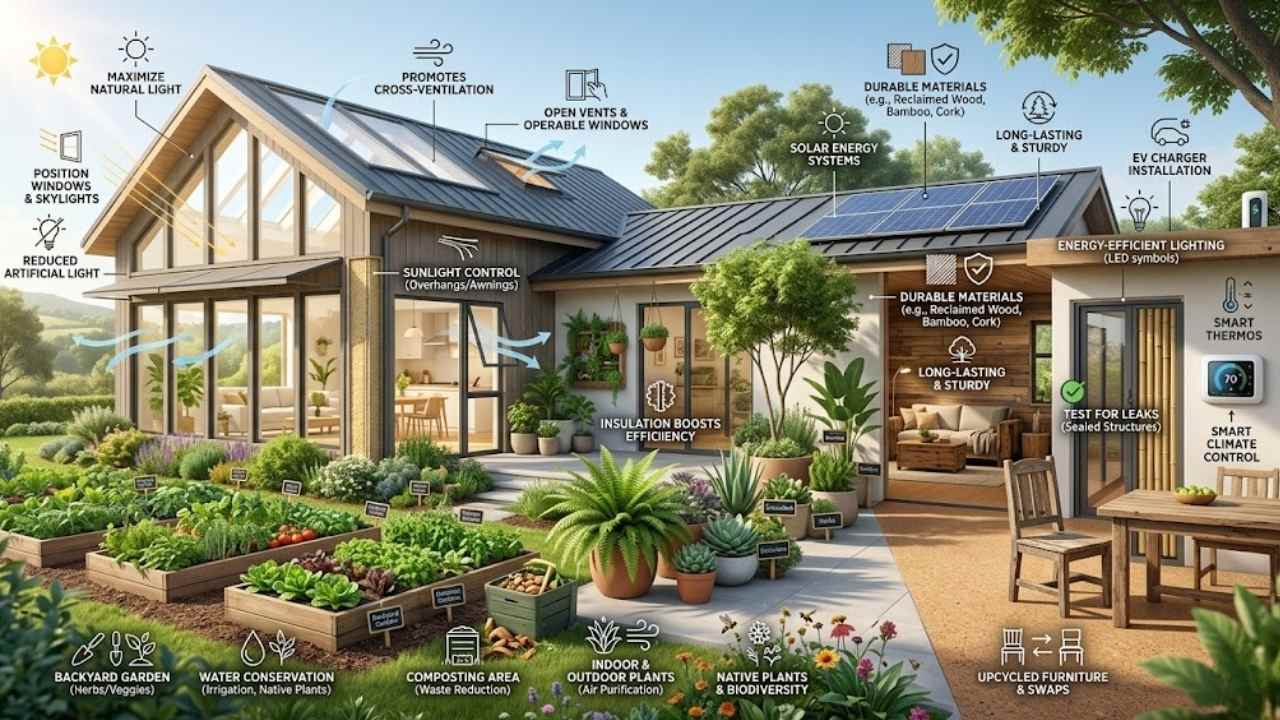
Imagine turning your living space into a breath of fresh air, where sunlight floods in through big windows and cool breezes flow from open vents, cutting down on those pesky energy bills.
Hey, why not add some leafy friends like ferns in pots or a small backyard garden to purify the air, and pick sturdy stuff like reclaimed wood that stands the test of time—want more ways to make it happen?
Plan for natural lighting and ventilation
Natural lighting and ventilation cut down on energy use, like a breath of fresh air for your wallet and the planet. You save big on bills while keeping things comfy, folks.
- Position windows and skylights to flood rooms with sunlight, slashing the need for energy-efficient light bulbs that make homes more environmentally friendly. Think of it as letting the sun do the heavy lifting, reducing your reliance on artificial lights during the day. This ties into ultra-efficient homes that blend state-of-the-art energy-efficient construction with renewable systems, boosting total savings.
- Install vents and operable windows for cross-breezes, pulling in cool air like a natural fan that beats pricey AC units. You create a flow that keeps indoor temps steady, and testing doors and windows for air leaks seals the deal by preventing drafts. Adding insulation amps up this effect, cutting heating and cooling costs in eco-friendly setups.
- Pair natural ventilation with smart home climate control systems, which slash energy consumption by adjusting to outdoor conditions automatically. Imagine your house whispering to the thermostat, “Hey, open up for that breeze,” making sustainable living a breeze itself. This approach focuses on natural materials with low VOC emissions, tying into broader eco-design principles.
- Incorporate overhangs or awnings to control sunlight, avoiding overheating while inviting just enough glow for a cozy vibe. Solar energy options complement this by powering any extras, like an EV charger for budgets from $1,000 to $5,000. You build a home that feels alive, reducing waste and embracing renewable vibes.
- Design layouts that maximize airflow paths, such as open floor plans that let wind dance through without barriers. Energy-efficient lighting steps in at night, available for under $500, but daytime relies on these smart placements. Upcycling old furniture fits here too, swapping decor with friends to keep things fresh and green without extra costs.
Incorporate green spaces and plants
Green spaces add freshness to any home. Plants make rooms feel alive and help the planet too.
- Add indoor plants like ferns or succulents to filter air, cut down on toxins, and match sustainable home design that focuses on natural materials with low or no toxic ingredients and low VOC emissions, just as experts recommend for eco-friendly spots.
- Create a small backyard garden with herbs or veggies to save on water use, tie into water conservation efforts, and pair it with energy-efficient upgrades like solar panels for a full green setup under various budgets.
- Use hanging planters or wall gardens inside to boost natural lighting and ventilation, which teams up with testing doors and windows for air leaks to improve total home energy efficiency and slash heating costs.
- Incorporate outdoor green areas, say a patio with native plants, to promote waste reduction by composting clippings, and blend this with upcycling old furniture for budget-friendly decor swaps with friends.
- Pick durable plants such as bamboo for flooring or decor accents, linking to affordable options like bamboo and cork materials that keep your space eco-friendly without breaking the bank.
- Set up a green roof or vertical garden to aid energy efficiency, much like adding insulation does, and combine it with smart home climate control systems that cut energy use even more.
- Bring in potted trees or shrubs for shade that cools your home naturally, supporting renewable options like solar energy while you install water-saving devices nearby for double the impact.
- Swap decor items with pals to include more plants, a fun way to go sustainable on a dime, and add energy-efficient light bulbs around them to highlight the greenery without extra costs.
- Design window boxes with flowers to invite bees and birds, enhancing biodiversity, and align this with ultra-efficient homes that mix renewable systems for top-notch eco results.
- Place low-maintenance greenery in key spots to reduce stress, like a metaphor for breathing easy in your own oasis, and connect it to EV charger installs for homes aiming at budgets from $1,000 to $5,000.
Choose durable, long-lasting materials
You need durable materials for an eco-friendly home that stands strong. These choices cut down on replacements, save cash, and boost sustainability like a wise old tree weathering storms.
- Focus on natural materials with low or no toxic ingredients and low VOC emissions, as sustainable home design demands this approach to keep indoor air clean and healthy for years. Picture swapping out chemical-laden stuff for bamboo or cork that grows back fast, lasts forever, and feels good underfoot, oh, and it ties into upcycling old furniture by giving new life to pieces that already prove their toughness.
- Upcycle old furniture and swap home decor with friends as budget-friendly ways to create a sustainable home, turning that rickety chair into a sturdy gem without buying new. It beats tossing things in the landfill, right, and pairs well with adding insulation to improve home energy efficiency and reduce heating and cooling costs, since good insulation acts like a cozy blanket that endures season after season.
- Test doors and windows for air leaks as an important step in creating an environmentally friendly home, because sealing them up with durable seals prevents drafts and makes the whole structure last longer. Imagine a house that breathes easy, like a well-tuned engine, and throw in energy-efficient light bulbs for under $500 to light the way without fading fast.
- Opt for energy-efficient lighting as an eco-friendly upgrade available for budgets under $500, picking bulbs that shine bright for ages and slash your power bill. Energy-efficient light bulbs are a recommended way to make homes more environmentally friendly, heck, they outlast the cheap ones like a marathon runner versus a sprinter.
- Consider solar energy as a viable renewable energy option for homeowners designing eco-friendly homes, using panels built from tough materials that harness the sun without wearing out quickly. Ultra-efficient homes integrate state-of-the-art energy-efficient construction, appliances, and lighting with commercially available renewable energy systems, so your solar setup becomes a powerhouse that endures.
- Install an EV charger as a sustainable home upgrade option for budgets between $1,000 to $5,000, choosing models with long-lasting components that support green driving for the long haul. Smart home climate control systems can significantly reduce energy consumption in eco-friendly homes, and when you pair them with durable wiring and sensors, it’s like giving your place a brain that thinks ahead and sticks around.
Final Thoughts
You’ve explored key principles like energy efficiency and water conservation, plus affordable options such as shipping container homes and bamboo materials. These tips fit any budget, from simple light bulb swaps to solar panel setups that cut costs fast.
Imagine your home slashes waste and saves the planet, one eco-upgrade at a time, making a real difference in fighting climate change. Check out sites like Energy Star for more guides on efficient appliances, or join local green building groups for hands-on advice.
Go ahead, start small today, and watch your space turn into a sustainable haven. Hey, I once upcycled old jars into planters, and it sparked my whole eco-journey, proving anyone can do it.
Frequently Asked Questions (FAQs) About Eco-Friendly Home Design on a Budget
1. What’s the first step in designing an eco-friendly home on a tight budget?
Start by assessing your current space, like checking for drafts or old bulbs that waste energy. Swap them out for LED lights, which save money over time, and feel that satisfaction when your bills drop.
2. How do I pick sustainable materials without breaking the bank?
Look for recycled wood or bamboo instead of new lumber; they’re tough and kind to the planet. Thrift stores often have gems like that, turning your hunt into a fun treasure chase.
3. Can I make my kitchen eco-friendly on any budget?
Yes, install low-flow faucets to cut water use. Add compost bins for scraps, reducing waste. It’s like giving Mother Earth a high-five while keeping your wallet happy.
4. What about energy efficiency in an eco-friendly home design?
Insulate walls with affordable foam panels to keep heat in.