

Choosing a floor finish for a family home is never just about colour and sheen. Floors are the biggest “touch surface” in most houses. Babies crawl on them, toddlers sit and play on them, pets nap on them, and everyone walks over them hundreds of times a day. That’s why many UK homeowners look for low-VOC floor finishes: they want a hard-wearing surface without filling the house with strong fumes during the job, and they want to reduce avoidable indoor air pollutants afterwards.
The confusing part is that “low-VOC” gets used loosely. Some products are genuinely low in VOC content, some are low-odour but not necessarily low-emission, and some are simply marketed well. This guide gives you a practical, brand-neutral method to choose the right low-VOC floor finish for your home, your floor type, and your family’s needs.
What “low-VOC” actually means
“Low-VOC” can sound simple, but it’s used to describe several different things, which is why people get confused. Some labels refer to VOC content in the product, while others refer to what the product emits into the air after you apply it. You can also find products that are “low odour” without being truly low in VOC content, and vice versa. Understanding these differences helps you compare products fairly and avoid being misled by vague claims. Once you know what to look for, you can shop faster and with more confidence.
VOCs: the quick definition
VOCs (volatile organic compounds) are chemicals that evaporate easily at room temperature. In floor finishes, VOCs commonly come from solvents and some additives that help a product spread, level, and dry.
VOC content vs VOC emissions
These two ideas get mixed up constantly:
- VOC content: how much VOC is in the product (often shown as grams per litre, g/L). This is about what’s in the tin.
- VOC emissions: how much (and what) the product releases into the air during application and curing. This is about what happens in your home.
A finish can have relatively low VOC content but still smell strong (because some chemicals are noticeable at tiny levels). Another finish can smell mild but still release irritants while curing. That’s why you should never choose purely by smell.
“Low odour” isn’t the same as “low-VOC”
Low odour is mainly about comfort. It can be a helpful sign, but it isn’t proof of low VOC content or low emissions. Always look for actual data on the product sheet and label.
Why families in the UK often prioritise low-VOC finishes
Family homes have unique exposure patterns because children and pets spend more time close to the floor than adults do. Renovation work also concentrates emissions into a short window, which can feel intense if you’re living in the home during the project. UK weather and housing layouts can make ventilation harder, especially in winter or in terraced homes with limited cross-breeze. Low-VOC finishes can reduce disruption and make the space feel “liveable” sooner, even if you still need to respect cure times. For many households, it’s a practical comfort upgrade as much as a health-minded decision.
1. Floors are a high-exposure surface
- Babies and toddlers spend time close to the floor and touch it often.
- Pets lick paws after walking on floors.
- People sit, stretch, do yoga, and play on floors.
- Dust settles on floors and gets disturbed constantly.
2. Renovation exposure comes in waves
The “worst” part for most people is the first stage: application and early drying. But curing continues after it feels dry, and some products keep releasing small amounts for longer than you’d expect.
3. UK home layout can amplify indoor air issues
Many homes have smaller rooms, less cross-ventilation in winter, and busy routines that make “leave windows open for days” unrealistic. Low-VOC products can make the whole process far easier to live with.
The biggest mistake: choosing only by a marketing label
Floor finishes are heavily marketed, and many phrases are not specific enough to guide a safe, durable choice. Words like “eco,” “natural,” “non-toxic,” and “child-safe” can mean very different things depending on the brand. Some labels focus on odour, some on ingredients, and some on emissions testing—so you can’t treat them as interchangeable. A better approach is to use marketing claims only as a starting point and then confirm with technical information. This one habit prevents most disappointments and reduces the chance of needing a costly redo.
If you want to choose well, treat every marketing phrase as a hypothesis that needs confirming:
- “Eco”
- “Natural”
- “Non-toxic”
- “Child-safe”
- “Pet-safe”
- “VOC-free”
- “Green”
- “Low odour”
These words may reflect good intentions, but they’re not a substitute for the technical information that tells you what’s really going on.
Step-by-step: a simple decision framework that works
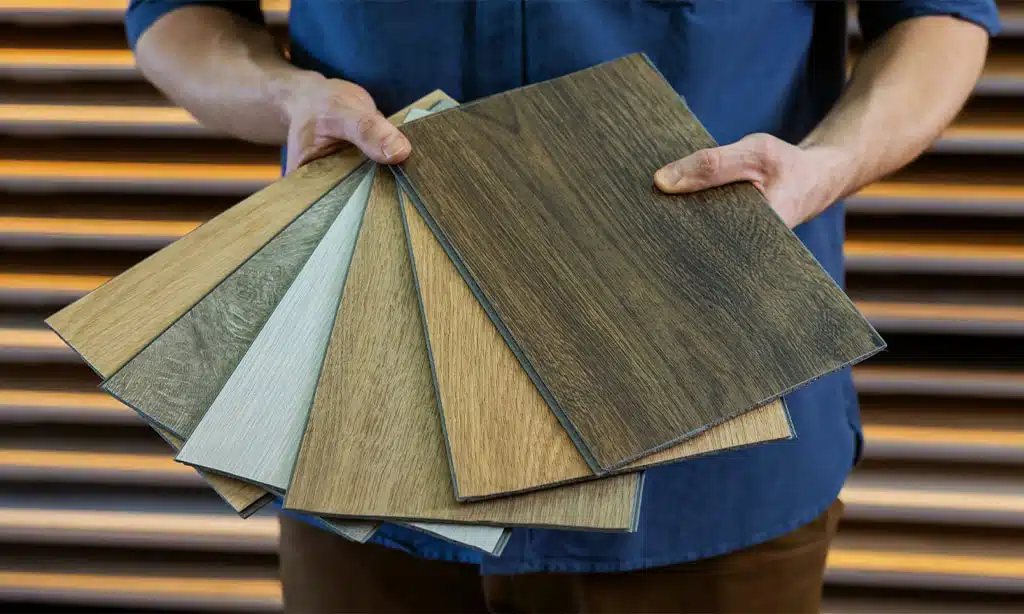
A good choice becomes much easier when you follow a consistent process instead of bouncing between products. First, confirm your floor type and whether it can be refinished, recoated, or should be left factory-finished. Next, decide what matters most in your home: durability, repairability, odour disruption, or maintenance style. Then shortlist finish categories that match those priorities before you compare individual products. Finally, treat curing and ventilation as part of the selection, not an afterthought. This method saves time and usually produces a better-looking, longer-lasting result.
Step 1: Identify your floor type and its constraints
Before you even look at finishes, confirm what you’re finishing:
- Solid wood (oak, pine, etc.)
- Engineered wood (a wood wear layer over plywood/HDF)
- Parquet
- Cork
- Bamboo
- Concrete
- Factory-finished flooring (laminate, many LVT/vinyl planks)
This matters because some floors can be refinished fully, while others should only be recoated, and some shouldn’t be coated at all.
Step 2: Decide what matters most in your home
Pick your priority. This prevents decision paralysis.
- Maximum durability with easy cleaning (hallways, kitchens, family rooms)
- Easy local repair and a natural look (living rooms, bedrooms)
- Very low odour disruption (nurseries, occupied homes, winter projects)
- Compatibility with underfloor heating
- Lowest ongoing maintenance
- Lowest visible wear (scratch visibility, sheen, glare)
Step 3: Choose a finish category that matches your priorities
Most family homes will land in one of these:
- Water-based polyurethane / water-based lacquer systems
- Hardwax oil systems
- Penetrating oils (traditional oils)
- Two-component water-based finishes (for high performance)
Step 4: Verify the product with the right documents
For any finish you’re seriously considering, read:
- The label (VOC content info, intended use)
- The Technical Data Sheet (TDS)
- The Safety Data Sheet (SDS)
If a brand makes it hard to find these, treat that as a warning sign.
Step 5: Plan application and curing like part of the product choice
The “best” low-VOC finish can still be miserable if you apply it poorly or move back in too quickly.
Understanding finish types (with family-focused pros and cons)
Not all low-VOC finishes behave the same once they’re on your floor, even if the tins sound similar. Some finishes form a tough film on top, while others soak in and create protection differently. Film finishes are often easier to wipe clean and resist spills, while penetrating systems can be easier to touch up locally. The right choice depends on how your household uses the space, not only on a VOC number. If you pick the wrong finish type for your lifestyle, you may end up frustrated even if the product is “green.” This section helps you match finish behaviour to family life.
1. Water-based polyurethane (and similar water-based floor varnishes)
This is one of the most common “family practical” options.
Why it’s popular in family homes:
- Typically lower VOC content than older solvent-based varnishes
- Usually lower odour
- Fast drying between coats, which shortens disruption
- Good resistance to scuffs, spills, and frequent cleaning
- Often available in matte/satin options that hide wear better than gloss
Trade-offs:
- Can highlight poor sanding and dust nibs (prep matters a lot)
- Some finishes can look slightly cooler or less “amber” than oil-based systems (some people love this, others don’t)
- If the coating wears through, repairs may require a larger-area recoat for blending
Best rooms:
- Hallways, stairs, living rooms, kitchens (if rated for floors and applied correctly)
Good to know:
- The system matters: primer/sealer + topcoats. Mixing brands without checking compatibility can lead to adhesion issues.
2. Hardwax oil
Hardwax oils are popular for their natural look and repairability.
Why families like it:
- Natural appearance with a soft sheen
- Small scuffs and everyday wear can be less obvious
- Local repairs can be easier than with a hard film finish
- Many people find the feel underfoot more “warm” and less plasticky
Trade-offs:
- Maintenance routines matter more
- Some hardwax oils still include solvents, so “natural” doesn’t automatically mean low-VOC
- Spill resistance varies by product and application quality
- Kitchens and entryways demand realistic expectations and prompt clean-up habits
Best rooms:
- Living rooms, bedrooms, home offices, lower-spill zones
Ideal for:
- Homes where you want easy touch-ups and don’t mind periodic maintenance
3. Traditional penetrating oils
Traditional oils can look beautiful but require honesty about lifestyle fit.
Pros:
- Excellent grain enhancement
- Patina can look lovely over time
- Repairs can be possible if you accept some variation
Cons for family homes:
- Often longer curing times
- Lower spill resistance unless the system is designed for it
- More sensitive to strong cleaners and standing water
Best rooms:
- Bedrooms, formal rooms, lower-traffic areas
4. Two-component water-based finishes (2K systems)
These are chosen for performance rather than “DIY simplicity.”
Pros:
- Very high durability and chemical resistance
- Great for heavy traffic, busy kitchens, and commercial-style demands
- Can still be relatively low in VOC content compared with older solvent systems
Cons:
- More complex application (mixing, pot life)
- Less forgiving if you’re inexperienced
- Still requires careful ventilation and PPE during application
Best rooms:
- Kitchens, hallways, family rooms, stairs, heavy wear zones
Floor-by-floor: What to choose depending on your floor type
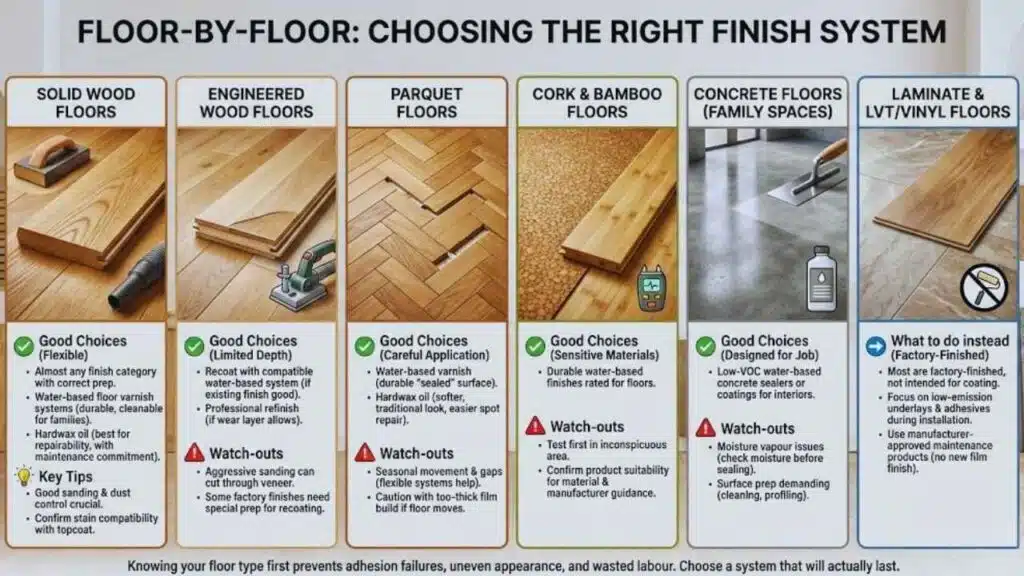
Your floor material determines what’s possible, what’s risky, and what kind of prep you’ll need. Solid wood is flexible and can handle many finish systems, while engineered wood may have limits depending on the wear layer thickness. Some surfaces like laminate and many LVT floors are factory-finished and typically shouldn’t be coated with varnish or oil. Materials like cork, bamboo, and concrete can work beautifully, but they often require specific products designed for them. Knowing your floor type first prevents adhesion failures, uneven appearance, and wasted labour. It also helps you choose a system that will actually last.
Solid wood floors
You can choose almost any finish category as long as prep is correct.
Best all-round choice for families:
- Water-based floor varnish systems (durable, cleanable)
Best for repairability:
- Hardwax oil (if you commit to maintenance)
Key tips:
- Good sanding and dust control are more important than tiny differences between brands.
- If staining, confirm compatibility. Some stains can interfere with adhesion if not designed for the topcoat.
Engineered wood floors
Engineered wood can be refinished, but sanding depth may be limited.
Good choices:
- Recoat with a compatible water-based system if the existing finish is in good condition
- Professional refinish if the wear layer allows it
Watch-outs:
- Aggressive sanding can cut through the veneer.
- Some engineered floors have factory finishes that don’t accept recoating without special prep.
Parquet
Parquet can look stunning but demands careful application.
Good choices:
- Water-based varnish for a durable “sealed” surface
- Hardwax oil for a softer, traditional look and easier spot repair
Watch-outs:
- Movement and gaps can appear seasonally; flexible systems can help.
- Be cautious with too-thick film build if the floor moves.
Cork and bamboo
These materials can be more sensitive to moisture and denting.
Good choices:
- Durable water-based finishes rated for floors
Watch-outs:
- Test first in an inconspicuous area
- Confirm the product is suitable for the specific material and manufacturer guidance
Concrete floors in family spaces
Concrete can be finished well, but you need a product designed for the job.
Good choices:
- Low-VOC water-based concrete sealers or coatings designed for interior floors
Watch-outs:
- Moisture vapour issues can cause failure; check moisture before sealing.
- Surface prep can be demanding (cleaning, profiling).
Laminate and many LVT/vinyl floors
Most are factory-finished and not intended to be coated.
What to do instead:
- Focus on low-emission underlays and adhesives during installation
- Use manufacturer-approved maintenance products rather than adding a new film finish
How to “read” a floor finish like a pro (TDS + SDS essentials)
Two products can look identical on a shop shelf and behave completely differently when applied. The label gives you a snapshot, but the Technical Data Sheet tells you how it performs, how it’s applied, and what it’s compatible with. The Safety Data Sheet helps you understand precautions during application and what level of ventilation and protection is sensible. For family homes, cure time details and cleaning guidance are just as important as VOC content. If you learn to scan these documents quickly, you can make confident decisions without becoming an expert chemist. This section shows you what to look for and what to ignore.
On the label: what you want to see
- Intended use clearly stated (floor, staircase, high traffic)
- VOC content disclosed (often g/L)
- Application method (brush, roller, pad)
- Coverage per coat
- Drying and recoat times
On the Technical Data Sheet (TDS): the decision-makers
Look for:
- VOC content (and whether it’s ready-to-use)
- Recommended coats (2? 3? more?)
- Coverage (m² per litre) and expected film build
- Dry time vs cure time
- Sanding between coats (yes/no and grit guidance)
- Compatibility rules (primers, stains, existing finishes)
- Sheen options (matte/satin/gloss)
- Cleaning and maintenance guidance
On the Safety Data Sheet (SDS): the safety reality
Look for:
- Ventilation requirements
- PPE guidance (gloves, eye protection, respirator type if needed)
- Sensitiser warnings (important for people with chemical sensitivities)
- First aid and spill advice
- Disposal guidance (especially for leftover product and soaked rags)
Even if VOC is low, you still want sensible safety habits during application.
Certifications and what they’re good for (without getting overwhelmed)
Certifications can reduce guesswork, but they’re not magic and they’re not all measuring the same thing. Some focus on emissions into indoor air, others on broader environmental standards, and some are simply marketing badges. The best way to use certifications is as supporting evidence after you’ve confirmed the finish meets your performance needs. If two products are similar in durability and application, a credible certification can be a helpful tie-breaker. It can also be reassuring for households with sensitivities, where lower-emission performance matters more. This section helps you use labels wisely without getting overwhelmed.
You’ll sometimes see certifications that focus on emissions into indoor air (which can matter if your family is sensitive) and others that focus on broader environmental impact.
How to use certifications sensibly:
- Use them as additional reassurance, not as your only filter.
- Treat them as a tie-breaker between products that already meet your performance and VOC goals.
- Remember: a certified topcoat doesn’t help much if you pair it with high-emission primers, adhesives, or cleaners.
Many homeowners choose a low-VOC topcoat and then accidentally add higher-emission products around it. Stains, primers, fillers, levelling compounds, and adhesives can contribute significantly to indoor air impact during a project. Even cleaning products used too early can create strong smells or irritate sensitive occupants. If your goal is a genuinely lower-VOC outcome, you need to think in terms of a full system rather than a single tin of finish. The good news is that once you know the common “hidden sources,” they’re easy to manage. This section shows where to pay attention so your effort actually pays off.
If you want a genuinely lower-VOC outcome, don’t stop at the topcoat.
Common overlooked sources:
- Wood stain and colour systems
- Primers and sealers
- Fillers (especially solvent-based fillers)
- Levelling compounds
- Adhesives and grippers (more relevant for new installs)
- Cleaning products used too early or too aggressively
A smart approach:
- Choose a finish system and then choose compatible prep products designed to work with it.
- If you’re sensitive, consider doing a small test patch and living with it for a day or two before committing to the full space.
Room-by-room recommendations for UK family homes
Different rooms behave differently because moisture, traffic, and spill risk change the performance demands. A nursery prioritises low disruption and quick usability, while a hallway needs abrasion resistance and grit protection. Kitchens reward finishes that resist water and food spills, while bedrooms can prioritise feel and appearance. Choosing one finish for the entire home can work, but it’s often smarter to match finish type to the room’s reality. This approach can reduce long-term maintenance and keep the home looking consistent for longer. This section helps you decide room by room without brand bias.
Nursery or child’s bedroom
Priorities:
- Low odour disruption
- Faster “usable” time
- Easy cleaning
Common best fit:
- Water-based floor varnish in matte or satin
Extra tips:
- Finish when the room can be emptied and kept ventilated.
- Avoid bringing soft furnishings back too early; they can trap odours.
Living room / family room
Priorities:
- Wear resistance
- Scratch visibility management
- Repair strategy
Best fits:
- Water-based varnish if you want maximum sealed durability
- Hardwax oil if you want easy touch-ups and a natural look
Hallway and stairs
Priorities:
- Abrasion resistance
- Grit resistance (shoes bring in sand and grit)
- Slip awareness
Best fits:
- Durable water-based varnish or high-performance system
Tips:
- Use mats at entrances to reduce grit, which is the main cause of micro-scratching.
- Choose satin/matte to reduce visible wear.
Kitchen
Priorities:
- Spill resistance
- Easy cleaning
- Stain resistance (water, food, grease)
Best fits:
- Durable water-based varnish or a high-performance 2K water-based system
Hardwax oil can work in kitchens, but it’s typically best for households that clean spills quickly and accept some patina.
Bedrooms
Priorities:
- Comfort
- Low disruption
- Low visible wear
Best fits:
- Water-based varnish or hardwax oil depending on your style preference
Application planning: how to keep disruption low (even with kids and pets)
The same product can feel “easy” or “awful” depending on how you plan the job. Good ventilation, dust control, and a realistic timeline can make even a multi-coat system manageable for a family. Poor planning often leads to strong lingering smells, rough texture from dust, and damage from walking on the floor too early. Families benefit most when the room can be fully cleared and isolated, even for a short time. Thin coats and proper recoat timing reduce odour, speed up drying, and improve appearance. This section turns product choice into a smooth real-world outcome.
Before you start
- Decide where everyone will be during the job (and where pets will go).
- Remove furniture completely. Shuffling furniture mid-job increases dust and mistakes.
- Clean thoroughly and control dust. Dust is the biggest “why does it look rough?” problem.
- Plan ventilation that works for UK weather (especially winter). Even cracking windows and using a fan to exhaust air can help.
During application
- Keep the space isolated. Close doors, cover vents if needed, and keep foot traffic out.
- Apply thin, even coats. Over-applying increases drying time, odour, and the chance of failure.
- Follow recoat timing. Recoating too soon can trap moisture; too late can reduce adhesion.
After application: “dry” isn’t “cured”
A realistic family-friendly way to think about it:
- First stage: dry enough to walk on carefully (often relatively soon)
- Second stage: safe for light furniture and gentle use
- Final stage: fully cured and safe for wet cleaning and rugs
If you put down rugs too early, you can trap odours and slow curing. If you wet mop too early, you can dull or damage some finishes.
If you’re sensitive or anxious about emissions
- Finish one room at a time.
- Consider temporarily sleeping in a different area.
- Increase ventilation during and after.
- Choose faster-curing systems when possible.
DIY vs professional: when it’s worth hiring help
Some floor projects are very DIY-friendly, while others are expensive to get wrong. Recoating an intact finish can be straightforward, but full sanding, repairs, and multi-room refinishing require skill and dust management. Stairs are particularly challenging because of edges, drips, and repeated handling. High-performance systems can also be less forgiving, making professional application a smart investment. Hiring the right person can reduce disruption and deliver a more even finish, but only if you ask the right questions. This section helps you decide whether DIY makes sense and how to evaluate a pro.
DIY can work well when:
- The floor is in good condition and you’re recoating
- You can keep the room isolated and ventilated
- You’re confident in sanding and dust control
- You’re using a forgiving system and you can follow instructions carefully
Professional help is often worth it when:
- You need full sanding and refinishing across multiple rooms
- You have stairs (they’re time-consuming and unforgiving)
- You want a high-performance 2K system
- You need help diagnosing an existing finish
Questions to ask a pro:
- What system will you use (primer + coats)?
- How long until light use vs full cure?
- How will you manage dust and ventilation?
- How will you protect the rest of the home?
Maintenance: how to keep your low-VOC floor finish looking good
A well-maintained floor needs refinishing less often, which means fewer renovation emissions over the years. The biggest enemy of most finishes is grit, which acts like sandpaper under shoes and furniture. Cleaning routines matter too, because some products are sensitive to strong degreasers or overly wet mopping. Hardwax oils and varnishes have different maintenance “personalities,” and choosing the one you’ll actually maintain is key. Simple habits like mats, felt pads, and gentle cleaners deliver the highest return for family homes. This section helps you protect your finish and avoid premature wear.
Low VOC is only part of a “healthy floor.” Maintenance affects how often you need refinishing, which affects future disruption.
Universal best habits
- Use entrance mats to reduce grit
- Vacuum or dry mop frequently (grit is the main scratch culprit)
- Use felt pads on furniture
- Clean spills quickly
- Avoid harsh cleaners unless the finish manufacturer recommends them
Water-based varnish maintenance
- Gentle cleaners and a damp (not soaking) mop once fully cured
- Avoid abrasive pads
- Recoat before the finish wears through in high-traffic areas
Hardwax oil maintenance
- Use compatible cleaners recommended for oiled surfaces
- Top up or refresh as needed in traffic paths
- Avoid strong degreasers that strip the protective layer
Budget and value: what you’re paying for
Floor finishing costs are driven as much by labour and preparation as by the finish itself. Repairs, sanding quality, and dust control often determine how good the final result looks. More coats and longer cure times can add labour, especially if you need to keep the space off-limits for longer. High-performance systems can cost more but may reduce long-term wear and rework in heavy-traffic homes. The best value typically comes from matching the finish to the room, applying it correctly, and maintaining it well. This section helps you spend money where it actually improves results.
Costs vary a lot, but the main drivers are predictable:
- Prep work: repairs, filling, sanding, dust control
- Finish system complexity: 2K systems and multi-step systems cost more
- Number of coats and drying time: more coats means more labour
- Layout and obstacles: stairs, tight halls, and awkward rooms add time
Value tip for families:
Pay for prep quality and correct application. A well-applied mid-range low-VOC finish usually beats a premium product applied badly.
Common mistakes (and how to avoid them)
Most floor-finish regrets come from a few repeat patterns, not from choosing the “wrong brand.” People rush cure time because the floor looks dry, then wonder why it marks, dulls, or smells trapped under rugs. Others mix incompatible primers, stains, and topcoats, leading to peeling or patchy sheen. Applying coats too thickly can increase odour and extend drying dramatically. Some homeowners use harsh cleaners too soon and damage the finish before it’s fully hardened. This section highlights the most common pitfalls so you can avoid rework, stress, and added disruption.
Mistake 1: Choosing purely by “eco” marketing
Fix: insist on VOC data and clear technical documentation.
Mistake 2: Ignoring compatibility
Fix: confirm the finish is designed for floors and compatible with stains/primers/existing coatings.
Mistake 3: Rushing cure time
Fix: plan your family schedule around curing milestones, not just “it feels dry.”
Mistake 4: Applying too thickly
Fix: thin, even coats improve results and reduce odour and drying time.
Mistake 5: Using strong cleaners too early
Fix: wait until full cure before wet cleaning, and use the recommended cleaner type.
A practical “best choice” summary for most UK family homes
If you want one reliable direction without overthinking, start with a durable water-based floor varnish designed for high-traffic use. It tends to be the easiest to live with during application and the easiest to clean once cured. Matte or satin finishes are usually more forgiving in busy homes because they hide scuffs better than gloss. The key is using a compatible system, applying thin coats, and respecting curing milestones before full use. If your home has a mix of high-traffic and low-traffic rooms, you can still keep a consistent look by choosing similar sheen levels across systems. This section distils the whole article into a decision you can act on.
If you want the simplest low-VOC answer that works for most families:
- Choose a water-based floor varnish system designed for high traffic.
- Pick matte or satin for easier wear hiding.
- Use the full recommended system (primer if needed, correct number of coats).
- Plan ventilation and keep the room off-limits until the finish reaches key cure milestones.
- Maintain with gentle cleaners and grit control so you don’t need refinishing again soon.
If you want a warmer, natural look and easy touch-ups:
- Choose a hardwax oil system, but be realistic about kitchen/hallway performance and commit to the recommended maintenance routine.
Final Thoughts
Choosing a low-VOC floor finish for a UK family home is really about balancing three things: indoor comfort, durability, and how you actually live day to day.
If you want the simplest, most practical route for most families, a water-based floor varnish made for high-traffic use is usually the safest bet. It typically keeps odour and disruption lower, cleans easily, and holds up well in hallways, living rooms, and kitchens when applied correctly and given enough curing time.
If you care most about a natural look and the ability to touch up worn areas without redoing the whole room, hardwax oil can be a great fit—just go in with realistic expectations about maintenance and spill habits, especially in kitchens and entryways.
FAQs
What is the best low-VOC floor finish for a family home in the UK?
For most families, a water-based floor varnish designed for high-traffic use is the most practical balance of low odour, lower VOC content, durability, and easy cleaning. If you prioritise repairability and a natural look, hardwax oil is a strong alternative.
Is water-based floor varnish always low-VOC?
Often, but not always. Some water-based products still contain solvents and additives. Always check the VOC figure and the product’s technical sheet rather than relying on “water-based” alone.
Are “VOC-free” floor finishes really zero VOC?
Usually not in a literal sense. “VOC-free” is often a marketing phrase based on a specific definition or threshold. Treat it as a prompt to check the technical information rather than as a guarantee.
Which is safer for kids and pets: hardwax oil or varnish?
Neither is automatically “safer” in every case. The safer choice is the one with lower VOC content, clearer documentation, sensible application precautions, and enough curing time before the room is used normally again. Varnish tends to be easier to clean and more spill-resistant; hardwax oil tends to be easier to touch up.
How long should children and pets stay off newly finished floors?
Follow the manufacturer’s guidance for light use and full cure. As a general rule, keep them off during application and early drying, and avoid putting pets back on the floor until the finish can handle normal foot traffic and has had time to cure properly.
Can low-VOC finishes work with underfloor heating?
Yes, but you must choose a finish rated for floors and suitable for heated substrates, and follow the temperature and curing instructions carefully. Underfloor heating can change drying behaviour, so don’t rush.
What sheen is best for family homes?
Matte or satin usually hide scratches and wear better than gloss. Gloss tends to show every mark, especially in hallways and bright rooms.
What’s the easiest low-VOC option to maintain?
A durable water-based floor varnish system is usually the easiest for frequent cleaning and spill resistance, once fully cured.





















