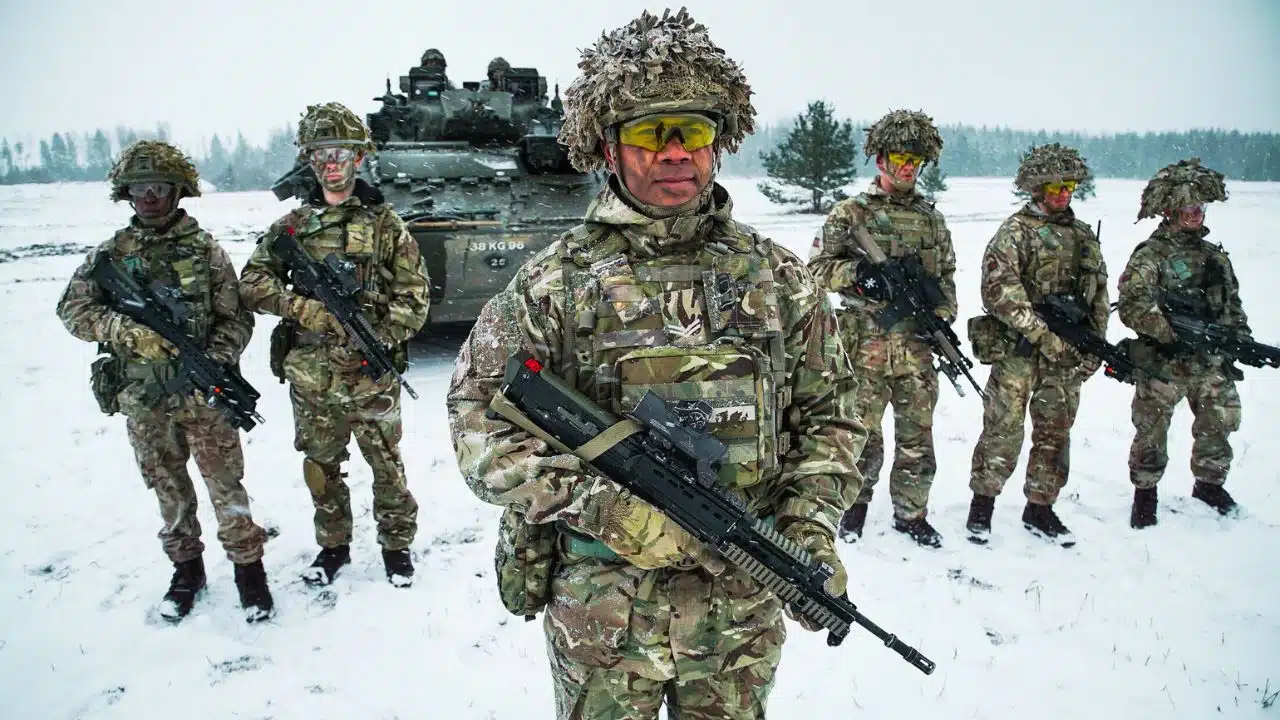
Russia cuts military ties with NATO states after government orders in early and mid‑December 2025 moved to end military cooperation frameworks with 14 Western countries, deepening a years‑long freeze in Russia–NATO relations.
Two decisions, one direction
Russian Prime Minister Mikhail Mishustin signed an order published on December 19, 2025, authorizing Russia’s Defense Ministry to terminate military cooperation agreements with 11 Western countries, most of them NATO members. The list includes Bulgaria, Germany, Poland, Romania, Denmark, Norway, the Netherlands, Croatia, Belgium, the Czech Republic, and a defense memorandum with the United Kingdom (named in the documents as the UK and Northern Ireland).
Earlier in December, a separate government decree ended three long‑standing military cooperation agreements with Canada, France, and Portugal, with Russia’s Foreign Ministry instructed to notify the governments involved through diplomatic channels. Taken together, the two actions amount to a broader rollback of post‑Cold War military engagement instruments that were signed from 1989 through the early 2000s.
Which ties are being cut
The December 19 order focuses on agreements signed between 1992 and 2002 that set basic rules for defense cooperation between ministries—such as structured contacts, exchanges, and other forms of bilateral military interaction. The earlier December order terminates separate agreements with Canada (military visits), France (defense cooperation), and Portugal (military‑sphere cooperation).
Agreements Russia moved to end (December 2025)
| Country (or party) | Document type (as described publicly) | Signed | December 2025 action |
| Bulgaria | Bilateral military cooperation agreement | Aug. 4, 1992 | Authorized for termination (Dec. 19) |
| Germany | Defense‑ministry cooperation agreement | Apr. 13, 1993 | Authorized for termination (Dec. 19) |
| Poland | Defense cooperation agreement | Jul. 7, 1993 | Authorized for termination (Dec. 19) |
| Romania | Defense cooperation agreement | Mar. 28, 1994 | Authorized for termination (Dec. 19) |
| Denmark | Defense cooperation agreement | Sept. 8, 1994 | Authorized for termination (Dec. 19) |
| Norway | Defense cooperation agreement | Dec. 15, 1995 | Authorized for termination (Dec. 19) |
| United Kingdom | Defense memorandum of understanding | Mar. 18, 1997 | Authorized for termination (Dec. 19) |
| Netherlands | Defense cooperation agreement | Jun. 18, 1997 | Authorized for termination (Dec. 19) |
| Croatia | Defense cooperation agreement | Dec. 18, 1998 | Authorized for termination (Dec. 19) |
| Belgium | Defense cooperation agreement | Dec. 19, 2001 | Authorized for termination (Dec. 19) |
| Czech Republic | Defense cooperation agreement | Apr. 16, 2002 | Authorized for termination (Dec. 19) |
| Canada | Agreement on military visits | Nov. 20, 1989 | Terminated (early Dec.) |
| France | Defense cooperation agreement | Feb. 4, 1994 | Terminated (early Dec.) |
| Portugal | Military‑sphere cooperation agreement | Aug. 4, 2000 | Terminated (early Dec.) |
Why Moscow is unwinding old defense frameworks
NATO says practical civilian and military cooperation with Russia has been suspended since April 2014, following Russia’s actions in Ukraine and the annexation of Crimea. That means many of the agreements now being scrapped were already operating in a severely constrained environment, even before Russia’s full‑scale invasion of Ukraine in February 2022 further drove relations down.
In 2025, Russia also took other steps aimed at dismantling older cooperation arrangements with European partners, including ending a military‑technical cooperation agreement with Germany signed in 1996. In April 2025, Russia denounced a separate cooperation agreement tied to the Barents/Euro‑Arctic region that had involved Norway, Sweden, and Finland.
What it means for NATO and European security
NATO describes its relationship with Russia as being at its lowest point since the Cold War, while also stating that its core response since 2014 has been to suspend practical cooperation but keep political channels available as needed. From NATO’s perspective, the current security environment is shaped not only by the war in Ukraine but also by Russia’s departure from major arms‑control and transparency mechanisms in recent years.
NATO notes, for example, that Russia’s withdrawal from the Treaty on Conventional Armed Forces in Europe (CFE) became effective in November 2023 after years of non‑compliance, and that Russia’s withdrawal from the Open Skies Treaty became effective in December 2021. Against that backdrop, Moscow’s termination of additional bilateral defense agreements reinforces a longer trend: fewer formal tools for routine military contact, transparency, and confidence‑building between Russia and many European states.
Final thoughts: what comes next
The December 2025 terminations and authorizations signal that Moscow is formally closing out a generation of defense agreements created after the Soviet collapse and during the post‑Cold War attempt at structured military engagement with Europe and North America. NATO’s position that practical cooperation has been suspended since 2014 suggests the near‑term operational change may be limited, but the legal and diplomatic “paper architecture” is being reduced further. If additional agreements are targeted, the next indicators to watch will be new Russian government orders on the legal portal and any reciprocal legal steps by affected states regarding remaining bilateral defense arrangements.