


Most travelers stick to the same touristy spots in Puerto Rico and miss the real magic. This beautiful island offers three bioluminescent bays, more than any other place on Earth. This guide shows you 15 local secrets to experience Puerto Rico like the locals do, from hidden trails in El Yunque National Forest to authentic lechón at neighborhood kiosks.
Get ready to fall in love with the real Puerto Rico.
Key Takeaways
- Puerto Rico has three bioluminescent bays, more than any other place on Earth, with Mosquito Bay being the brightest.
- Old San Juan’s cobblestone streets use 500-year-old blue-gray stones that came from Spanish ships as ballast for walking tours.
- El Yunque National Forest offers eight hidden trails beyond main tourist paths, including Mount Britton Trail Extension and Baño de Oro.
- La Ruta Panorámica connects Puerto Rico’s central mountains with scenic viewpoints, coffee plantations, and Taíno ceremonial sites like Caguana Park.
- Local food kiosks serve authentic Puerto Rican dishes like lechón, arroz con gandules, and fritters at affordable prices across the island.
What are the best spots to explore Old San Juan’s cobblestone streets?
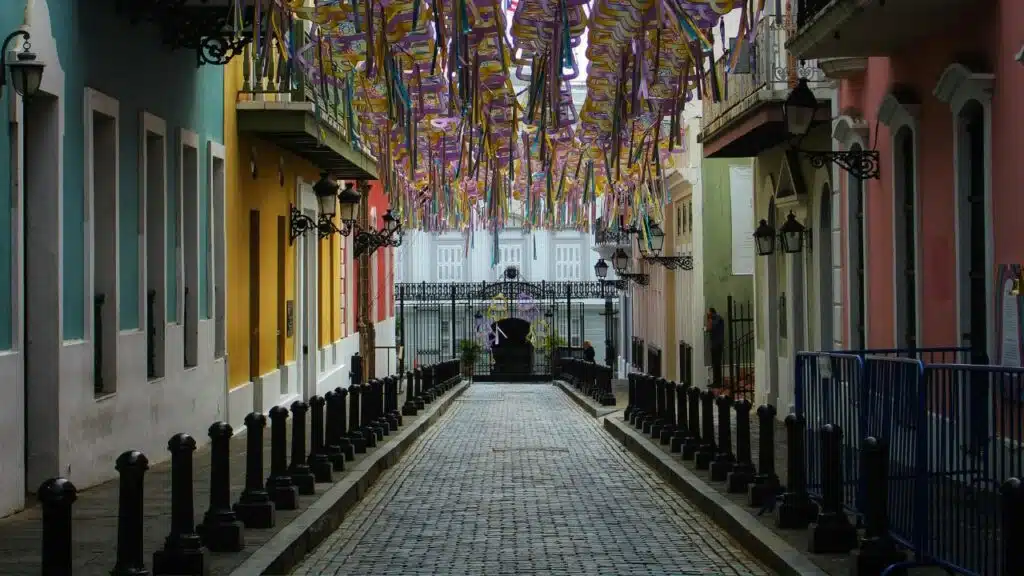
Old San Juan’s cobblestone streets tell stories from 500 years ago. These blue-gray stones came from Spanish ships as ballast and now create the most walkable historic district in the Americas.
- Plaza de San José – Start your walk at this quiet square near the Castillo San Felipe del Morro. Local families gather here in the evenings, and you can grab fresh coconut water from street vendors.
- Calle del Cristo – This famous street runs downhill toward the harbor and offers the best shopping in old san juan. Stop at local art galleries and cafes between the historic buildings.
- Paseo del Morro – Walk along this grassy area next to El Morro fortress for ocean views. The cobblestone path here connects to the city walls and provides perfect sunset photo spots.
- Calle Fortaleza – The Governor’s mansion sits on this street, painted in bright blue. Small restaurants serve authentic puerto rican food, and the cobblestones here are some of the oldest in the city.
- Plaza de Armas – This central square buzzes with activity day and night. Street musicians play bomba and plena music while locals play dominoes under the trees.
- San Juan Gate – Walk through this massive stone entrance that once protected the city from pirates. The cobblestone ramp leads down to the harbor where cruise ships dock today.
- La Fortaleza area – These narrow streets near the Governor’s residence stay cooler in the afternoon shade. Local kids play soccer on the small cobblestone plazas between colonial houses.
- Calle de las Monjas – This quiet residential street shows how puerto ricans live in the historic district. Colorful balconies hang over the cobblestones, and small corner stores sell cold drinks.
Where can I find traditional Puerto Rican dishes at local kiosks?
Local kiosks across Puerto Rico serve authentic dishes that locals eat daily. These small food stands offer the best way to taste real Puerto Rican cuisine without breaking the bank.
- Visit La Placita in Santurce, San Juan – This area has dozens of small food stands selling fresh fritters and empanadillas. Most kiosks stay open late and accept U.S. dollar payments.
- Explore roadside stands in Cataño – Local vendors here serve amazing lechón with green plantains and rice. The pork is slow-roasted and incredibly tender.
- Stop at kiosks near Flamenco Beach – Beach vendors sell cold piña coladas and fresh seafood dishes. Try the fish fritters while watching surfers ride the waves.
- Check out food stands in Jayuya, Puerto Rico – Mountain kiosks serve hearty arroz con gandules with pigeon peas. The rice dish comes with fried plantains on the side.
- Find local vendors in San Germán – Historic town kiosks offer traditional Puerto Rican dishes at great prices. Look for stands selling fresh fruit and local snacks.
- Visit food trucks near San Juan Airport – Airport area vendors serve quick meals before flights. Many stands offer authentic Puerto Rican cuisine for travelers.
- Explore kiosks in La Perla neighborhood – Local food stands here serve dishes passed down through generations. The community vendors know the best recipes for traditional meals.
- Stop at roadside stands during La Ruta Panorámica drives – Mountain road kiosks offer fresh coffee and local pastries. These family-run stands provide authentic island flavors.
How can I kayak on a bioluminescent bay in Puerto Rico?
Puerto Rico has three magical bioluminescent bays that glow with tiny organisms called dinoflagellates. These glowing waters create an amazing experience you can only find in a few places on Earth.
- Book your tour to Mosquito Bay on Vieques Island, the brightest bioluminescent bay in the world. Tours run year-round, but the glow appears strongest on dark, moonless nights.
- Choose La Parguera in Lajas for a more accessible option from the mainland. This bay offers easier transportation and multiple tour operators with flexible schedules.
- Pack insect repellent, a waterproof bag for your phone, and wear clothes you don’t mind getting wet. Bring a towel and change of clothes for after your paddle.
- Arrive 30 minutes early to get fitted for life jackets and receive safety instructions from your guide. Most tours provide clear-bottom kayaks for the best viewing experience.
- Paddle gently through the water to see the blue-green sparkles trail behind your kayak. The organisms light up when disturbed, creating magical streaks in the dark water.
- Avoid wearing sunscreen or bug spray that contains chemicals, as these harm the delicate ecosystem. Tour operators provide eco-friendly alternatives if needed.
- Stay quiet and move slowly to protect the fragile environment and maximize your chances of seeing the brightest glow. Flash photography is prohibited to preserve the organisms.
- Plan your visit during the dry season from December to April for the clearest skies and calmest waters. Hurricane season can affect tour availability from June through November.
Hidden trails and adventures in El Yunque National Forest
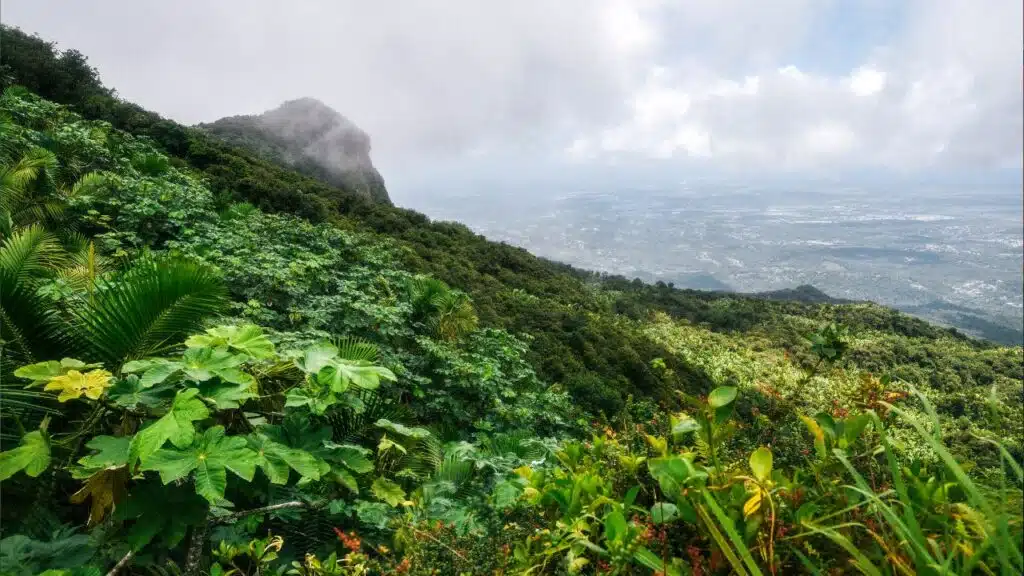
El Yunque National Forest hides secret paths that most tourists never discover, where waterfalls cascade through untouched rainforest and rare coquí frogs sing their ancient songs.
These off-the-beaten-track adventures offer raw encounters with Puerto Rico’s wild side, far from crowded trails and tour groups.
What are the lesser-known trails to hike in El Yunque?
Most visitors stick to the main paths in El Yunque National Forest. Smart hikers know the hidden trails offer better views and fewer crowds.
- Mount Britton Trail Extension – This path continues past the main lookout tower. You’ll find secret waterfalls and rare bird species. The trail gets muddy during hurricane season, so pack insect repellent.
- Baño de Oro Trail – Local Puerto Ricans call this the “golden bath” trail. It leads to natural pools perfect for swimming. The path starts near the Palo Colorado Information Center.
- Caimitillo Trail – This forgotten route connects to several other paths. You can spot coquí frogs and native plants here. Few tourists know about this gem in the rainforest.
- Tradewinds Trail – Park rangers rarely mention this short but steep hike. It offers amazing views of the Caribbean Sea. The trail works best with offline maps since cell service is spotty.
- El Toro Trail – This challenging path leads to Puerto Rico’s second-highest peak. You’ll need good hiking boots and plenty of water. The views make every step worth the effort.
- Angelito Trail – Families love this easy walk through bamboo groves. The trail connects to a small waterfall and picnic area. It’s perfect for kids who want to explore nature safely.
- Big Tree Trail – Ancient trees tower over this quiet path. You can see how Taíno people once lived in these forests. The trail stays cool even during hot summer days.
How do I prepare for a hike in El Yunque’s hidden spots?
El Yunque National Forest hides secret trails that most tourists never see. Smart preparation makes the difference between an amazing adventure and a tough day.
- Pack waterproof gear because rainfall hits the forest daily, sometimes without warning. Bring a rain jacket, waterproof backpack cover, and plastic bags for your phone and snacks.
- Apply insect repellent generously before you start hiking and repack extra bottles in your bag. The forest bugs are hungry and active all day long.
- Download offline maps to your phone since cell service disappears quickly on hidden trails. Mark your starting point and planned route before you lose signal completely.
- Wear sturdy hiking boots with good grip because wet rocks and muddy paths make walking tricky. Flip-flops or sneakers will make you slip and slide everywhere.
- Start your hike early in the morning to beat afternoon storms and crowds of day hikers. Most locals hit the trails by 7 AM to get the best weather window.
- Bring more water than you think you need, at least two liters per person for a full day. The humid air makes you sweat more than you expect.
- Tell someone your hiking plan and expected return time before you head into the forest. Cell phones don’t work on remote trails, so safety planning matters.
- Pack energy snacks like trail mix, granola bars, or fresh fruit to keep your energy up. Local kiosks near the forest sell good hiking food if you forget to bring some.
What makes Flamenco Beach on Culebra a perfect relaxation spot?
Flamenco Beach on Culebra delivers pure paradise with its soft white sand and crystal-clear turquoise waters. This stunning beach stretches for miles, giving you plenty of space to spread out and soak up the Caribbean sun.
The calm, shallow waters make it perfect for swimming and snorkeling. You’ll find colorful fish swimming near the shore, and the gentle waves create a soothing soundtrack for your beach day.
Getting to Culebra takes some planning, but the journey pays off big time. You can catch a ferry from the main island or take a short flight to this small island gem. The beach offers basic facilities like restrooms and food kiosks, so you can grab cold drinks and local snacks without leaving the sand.
Pack your sunscreen, bring a good book, and prepare to lose track of time on one of Puerto Rico’s most beautiful beaches.
How can I learn about Taíno culture and history in Puerto Rico?
Puerto Rico holds deep connections to its first people, the Taínos. These indigenous inhabitants called the island Borikén, which means “land of the brave lord.” You can explore their rich heritage at several museums across the island.
The Museo de Historia, Antropología y Arte in San Juan displays ancient Taíno artifacts, pottery, and tools. Casa Blanca Museum also showcases pre-Columbian exhibits that tell the story of these early settlers.
Many sites feature petroglyphs, which are rock carvings the Taínos left behind. Caguana Indigenous Ceremonial Park in Utuado contains some of the best-preserved ceremonial grounds.
Here, you can walk among stone circles where Taíno chiefs once held important ceremonies.
Local guides offer walking tours that bring Taíno history to life through storytelling. These experts share how the Taínos influenced modern Puerto Rican culture, from food to language.
Many Spanish words used today come from the Taíno language, including “hammock” and “barbecue.” You can also visit Tibes Indigenous Ceremonial Center in Ponce, which contains the oldest cemetery in the Caribbean.
The center features reconstructed Taíno villages and ball courts where ancient games took place. Some coffee plantations, like Hacienda Buena Vista, include information about how Taínos first cultivated crops on the island.
Art galleries throughout San Juan, Puerto Rico display contemporary works inspired by Taíno symbols and traditions. These cultural experiences help you understand how indigenous heritage shapes modern Puerto Rican identity.
What to see on a scenic drive along La Ruta Panorámica?
La Ruta Panorámica stretches across Puerto Rico’s central mountains, offering breathtaking views and cultural gems. This scenic route connects the island’s most stunning landscapes and charming towns.
- Stop at Cayey’s viewpoint to see the southern coast and Caribbean Sea spread out below you like a painted canvas.
- Visit Barranquitas to explore the birthplace of Luis Muñoz Rivera and enjoy cool mountain air that feels refreshing after beach days.
- Drive through Adjuntas, known as the “Pearl of the South,” where coffee plantations dot the hillsides and local cafés serve fresh brews.
- Explore Utuado’s Caguana Indigenous Ceremonial Park to learn about Taíno culture and see ancient ball courts carved from stone.
- Take photos at Maricao’s stone observation tower, which gives you panoramic views of the western mountains and valleys.
- Sample local lechón at roadside stands in Guavate, where whole pigs roast over open flames and families gather for Sunday meals.
- Walk through Aibonito’s flower festival grounds, where colorful blooms create a natural garden against the mountain backdrop.
- Stop in Corozal for handmade crafts and wooden santos, religious figures carved by local artisans using traditional methods.
- Visit Orocovis to see the geographical center of Puerto Rico marked by a simple monument in this quiet mountain town.
Where are the best local markets for authentic Puerto Rican souvenirs?
Puerto Rico’s local markets offer authentic treasures that capture the island’s spirit. These bustling spots give you real Puerto Rican souvenirs, not tourist traps.
- Plaza del Mercado de Santurce – This vibrant market pulses with local energy. Find handmade crafts, traditional masks, and fresh produce. Vendors speak Spanish, so bring your phrase book or translation app.
- Mercado de Río Piedras – Local families shop here for daily needs. You’ll discover authentic Puerto Rican spices, coffee beans, and wooden santos figurines. Prices stay fair because tourists rarely visit this gem.
- Old San Juan artisan shops – Cobblestone streets hide small craft stores. Local artists sell hand-painted tiles, vejigante masks, and silver jewelry. Each piece tells a story of Taíno culture and island history.
- Plaza Las Delicias in Ponce – The Pearl of the South offers weekend craft fairs. Browse colorful hammocks, carved wooden items, and traditional musical instruments. Street food vendors serve fresh alcapurrias while you shop.
- Loíza’s weekend markets – This coastal town celebrates Afro-Caribbean heritage. Find bomba drums, coconut crafts, and vibrant paintings. Local musicians often perform while artisans work on their creations.
- Caguas farmers market – Saturday mornings bring fresh island produce and handmade goods. Pick up locally roasted coffee, plantain chips, and woven baskets. Cash works best here, so bring U.S. dollars.
- Bayamón’s Plaza del Sol – Indoor stalls protect shoppers from tropical weather. Discover hand-stitched guayaberas, ceramic pottery, and aromatic soaps made with local ingredients. Air conditioning makes browsing comfortable year-round.
How can I experience the vibrant nightlife in Santurce?
Santurce pulses with energy after dark, offering everything from salsa clubs to craft cocktail bars. This San Juan neighborhood transforms into Puerto Rico’s hottest nightlife destination once the sun sets.
- Start your night at La Placita de Santurce, where locals gather for drinks and live puerto rican music. The small plaza fills with people dancing salsa in the streets.
- Visit La Factoria, one of the world’s best bars according to international rankings. Their creative cocktails and multiple themed rooms keep the party going until dawn.
- Dance to reggaeton and Latin beats at clubs along Calle Loíza. Local DJs spin the latest hits while you sip margaritas with island locals.
- Explore the art galleries that stay open late during monthly art walks. You can view local artwork while enjoying wine and meeting Puerto Rican artists.
- Join the bar crawl scene that moves between rooftop lounges and street-level cantinas. Each spot offers different vibes, from chill jazz to high-energy dance floors.
- Sample late-night food trucks serving traditional lechón and arroz con gandules after midnight. These mobile kitchens fuel the party crowd with authentic flavors.
- Check out live music venues featuring local bands playing everything from bomba to modern fusion. Many shows start after 10 PM and run past 2 AM.
- Experience the LGBTQ-friendly bars that make Santurce welcoming for all visitors. The community creates inclusive spaces with drag shows and themed parties.
What should I know about visiting Mosquito Bay on Vieques Island?
Mosquito Bay on the island of Vieques holds the title as the world’s brightest bioluminescent bay. This magical spot glows with tiny organisms called dinoflagellates that light up when disturbed.
You can only visit at night through guided tours, and swimming is not allowed to protect these fragile creatures. The best time to see the glow is during a new moon when the sky is darkest.
Getting to Vieques requires a ferry ride or small plane from the main island. Book your bioluminescent bay tour in advance, especially during peak season. Bring insect repellent because mosquitoes can be bothersome.
The tour guides paddle you through the mangroves in clear-bottom kayaks. Every stroke of your paddle creates streaks of blue-green light in the water, like painting with stars.
How do I attend and enjoy a traditional Fiestas Patronales celebration?
Fiestas Patronales bring Puerto Rico’s towns to life with music, food, and dancing that lasts for days. Each town honors its patron saint with celebrations that show the real heart of Puerto Rican culture.
- Check the festival calendar before your trip since each town celebrates on different dates throughout the year. Most celebrations happen between May and December, with peak season during summer months.
- Arrive early in the evening when local families start gathering and food vendors set up their stalls. The best atmosphere begins around 6 PM when the crowds are manageable.
- Try traditional festival foods like alcapurrias, bacalaitos, and fresh coconut water from street vendors. Local cooks prepare these treats using family recipes passed down for generations.
- Dance to live salsa, merengue, and bomba music that fills the town square. Don’t worry about perfect moves, locals love when visitors join the fun.
- Watch for the religious procession that honors the patron saint, usually held on the main celebration day. This solemn ceremony shows the deep faith that connects Puerto Rican communities.
- Bring cash in U.S. dollars since most vendors don’t accept credit cards. Small bills work best for buying food, drinks, and handmade crafts.
- Learn basic Spanish phrases like “¡Qué buena música!” to connect with locals who appreciate visitors showing interest in their culture. Most people speak some English but love hearing Spanish attempts.
- Stay until late night when the party really gets going with live bands and dancing under the stars. The celebration often continues past midnight on weekends.
- Visit the local church during daytime hours to see special decorations and learn about the patron saint’s story. Church volunteers often share fascinating historical details about their town’s traditions.
Takeaways
Puerto Rico opens its arms to every traveler ready to step off the beaten path. Your journey through this Caribbean paradise will create memories that last a lifetime. From the cobblestone streets of Old San Juan to the glowing waters of Mosquito Bay, each experience connects you to the island’s soul.
Pack your sense of adventure, bring your appetite for lechón and arroz con gandules, and prepare to fall in love with La Isla del Encanto. The island waits for you to discover its hidden treasures, one local secret at a time.
FAQs
1. What’s the best way to get around Puerto Rico like a local?
Locals skip the touristy spots in San Juan and head straight to hidden gems. Download offline maps before you go, since cell service can get spotty in El Yunque National Forest. The U.S. dollar works everywhere, so no currency exchange needed.
2. When should I visit Puerto Rico to avoid the crowds?
Hurricane season runs from June to November, but locals know the sweet spots between storms. Island time means things move slower here, so plan accordingly. Skip the peak winter months when cruise ships flood Old San Juan’s cobblestone streets.
3. What food should I try to eat like a Puerto Rican?
Lechón is the king of Puerto Rican cuisine, hands down. You’ll find the best arroz con gandules at local joints, not fancy restaurants. Rice and peas might sound simple, but it’s comfort food at its finest.
4. Where can I experience real Taíno culture in Puerto Rico?
The history of Puerto Rico runs deep with Taíno roots that locals still celebrate today. Rafael Cepeda’s cultural center showcases authentic traditions that tourists rarely discover. Many locals in the San Juan metro area can share stories passed down through generations.
5. What’s the deal with the bioluminescent bays everyone talks about?
Mosquito Bay on Vieques is the brightest of the bioluminescent bays, but La Parguera offers a more local experience. Pack insect repellent because the bugs love these spots as much as the tourists do. The islands of Vieques require a short ferry ride, but it’s worth every minute.
6. How do I explore Old San Juan without looking like a total tourist?
Start early at Castillo San Felipe del Morro before the cruise crowds arrive. Locals call it “La Isla del Encanto” for good reason, so take your time wandering. The Spanish language helps, but most folks speak English in the tourist areas around Caribe Hilton and Isla Verde.





















