Many new investors want safe ways to buy cryptos, but they fear big price swings and scams. They worry about seed phrases, private keys, fake exchanges, and losing money fast, and they want simple steps for wallets and cold storage.
One fact: experts name Bitcoin, Ethereum, Cardano, Solana, and Chainlink among the five safest crypto assets for 2025, based on market capitalization and real use. This post lists 10 low-risk crypto options, shows basic market data, and gives clear tips on dollar-cost averaging, asset allocation, smart contracts, decentralized finance (defi), and crypto security like hardware wallet choices, two-factor authentication, and cold storage.
You will get action steps, wallet options like Ledger Nano X and KeepKey, and ways to track crypto assets across blockchain networks. Keep reading.
Key Takeaways
- Top low-risk picks include Bitcoin (market cap $2.46T, $123,875.46 in 2025), Ethereum ($551.31B, $4,565.09), and Cardano ($30.35B, $0.8465).
- Also consider Solana ($127.47B, $233.91), Binance Coin ($167.76B, $1,205.55), XRP ($179.14B, $2.99), Polkadot ($6.80B, $4.18), and Chainlink.
- Use stablecoins for safety and liquidity: USDT pegs 1:1, and USDC maintains a 1:1 peg with audited reserves and compliance.
- Protect holdings with hardware wallets like Ledger Nano X, KeepKey, or Trezor, use cold storage, enable two-factor authentication, and keep offline seed backups.
- Limit exposure to 1–2% of your portfolio (up to 5% if tolerant), use dollar-cost averaging, start small, and take quarterly profits.
Bitcoin (BTC): The Foundation of Crypto Stability
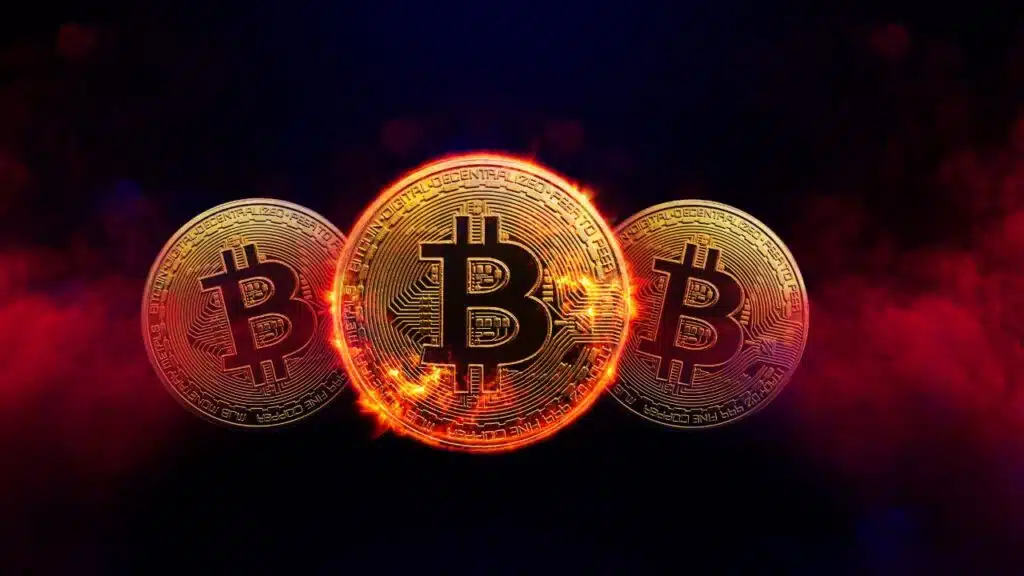
Bitcoin launched in 2009 as the first cryptocurrency, and it set the standard for public blockchains. Today its market capitalization sits at $2.46 trillion, and the price reads $123,875.46 in 2025.
It uses the proof of work consensus mechanism, which incentivizes miners and fuels crypto mining. It does not host complex smart contracts or decentralized applications the way other networks do.
Over 50% of total crypto market cap ties back to Bitcoin, which makes it a benchmark for markets in crypto-assets.
Investors like its recognition and relative stability, some add it to index funds or use it in portfolio management to balance financial risks. Pros include wide acceptance for payments, deep liquidity on crypto exchanges and strong market capitalization weight.
Cons include high energy use, reliance on mining, and a tendency to follow broader market trends, unlike proof of stake chains. Considered the most decentralized and secure crypto coin, Bitcoin boosts network security with robust cryptography.
Use a Ledger Nano or Trezor, cold storage, encryption, a VPN, strong passwords and offline backups to protect against phishing scams and man-in-the-middle attacks.
Ethereum (ETH): A Leading Platform for Smart Contracts
Market capitalization sits at $551.31 billion, with a price of $4,565.09 in 2025. It ranks second only to Bitcoin in market cap. The network runs smart contracts, and it hosts decentralized applications and decentralized finance (defi) platforms.
Developers build tokens, dApps, and protocols that power exchanges, wallets, and lending services.
Ethereum moved to Proof of Stake (PoS), cutting energy use compared to Proof of Work. This consensus mechanism strengthens network security, and it opens paths for upgrades. Pros include dominance in DeFi and decentralized applications, plus access to a decentralized exchange and lending protocol, such as Uniswap and AAVE.
Cons include high network traffic, which can drive transaction costs up. You can store ETH in a hardware wallet or cold storage, pick the option that matches your crypto security comfort.
Binance Coin (BNB): Backed by a Trusted Exchange
Binance Coin launched in 2017 as a utility token for the Binance exchange. It now powers BNB Chain, and acts as a crypto token that fuels smart contracts, decentralised applications, and defi.
Traders like low transaction costs and high throughput on the chain. Its market capitalization sat at $167.76 billion, and the price reached $1,205.55 in 2025.
Centralization brings regulatory scrutiny, and that risk can hit users and investors. Users should stash funds in a hardware wallet or cold storage, like a Ledger Nano, to boost crypto security.
Speculation, memecoins and derivatives can spark bullish swings that ignore consensus mechanisms or network security.
Cardano (ADA): Focused on Sustainability and Scalability
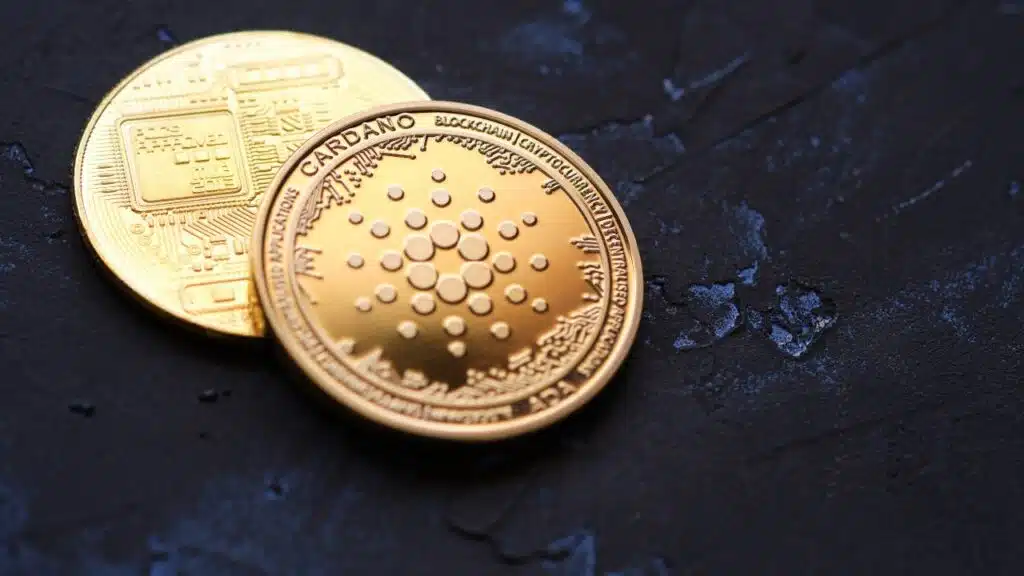
Cardano runs an open-source decentralised blockchain for peer-to-peer transactions and smart contracts. The network uses a research-based Proof of Stake model, which trims energy use and targets scalability.
Engineers wrote the code in Haskell to boost safety and network security. Market capitalization sits at $30.35 billion, and the price trades near $0.8465 in 2025. Pros include scalability and energy efficiency, cons include fewer dApps, lower adoption than Ethereum, and governance or centralization worries.
Cardano struck partnerships with African governments to fund real-world projects, and it seeks decentralized finance (defi) use cases. Store ADA in a hardware wallet or cold storage, and follow crypto security steps to protect your crypto tokens.
Ripple (XRP): Designed for Seamless Cross-Border Transactions
XRP trades at $2.99 in 2025, and its market capitalization sits at $179.14 billion. Ripple built RippleNet, and the XRP Ledger moves value fast between financial institutions, the network focuses on payments, not smart contracts or decentralized finance (defi) apps.
The system cuts settlement times, it runs much faster than SWIFT, and it can lower cross-border banking barriers.
That speed attracts banks, yet critics flag centralization concerns and ongoing legal issues with the SEC, which can add volatility for cautious beginners. XRP aims to fix inefficiencies in the traditional international banking system, so treat it like other crypto currencies and store large holdings in a hardware wallet or cold storage to improve crypto security and network security.
Watch the stock market and moves by big firms like BlackRock for macro signals, ignore unsolicited emails, and be wary of tokens offered in initial coin offerings when you manage your finances.
Solana (SOL): High-Speed and Low-Cost Transactions
Solana (SOL) has a market capitalization of $127.47 billion and trades at $233.91 in 2025. The network uses Proof of History consensus, and it can process nearly 65,000 transactions per second, with average transaction fees of about $0.00025.
That speed keeps fees tiny, and it makes decentralized finance (defi), smart contracts, and non-fungible token activity practical. Pros include rapid throughput and low cost; cons include limited interoperability with Ethereum, and a history of network outages.
Developers build apps on Solana, and a robust DeFi and NFT ecosystem has grown around it. Investors should protect SOL with a hardware wallet or cold storage, to boost crypto security and guard this digital currency.
Solana partners with Visa, which adds payment network ties, and that helps real-world use cases, while network security work continues.
Polkadot (DOT): Enabling Blockchain Interoperability
As a Layer-0 protocol, Polkadot links multiple blockchains, letting them send data and assets across chains. Its market capitalization sits near $6.80 billion, with DOT trading around $4.18 in 2025.
The network runs a nominated Proof of Stake consensus, and it supports smart contracts and decentralized finance (defi) use cases.
Think of DOT as a train station for blockchains, each line, or parachain, can carry tokens and data to other lines. Active developers build on the relay chain and a development framework, using browser extensions and hardware wallet support for testing and access.
Slot auctions for parachains can get costly, and DOT competes with Cardano and Cosmos. Cold storage, strong network security practices, and careful wallet choices help protect funds and boost crypto security.
Chainlink (LINK): Essential for Smart Contract Integration
Chainlink, a leading decentralized oracle network, supplies critical data feeds that trigger smart contracts. Developers use its price feeds across decentralized finance (DeFi), for lending, trading, and automated payouts.
Its decentralized oracle model raises network security, reducing single point failures for on-chain logic. The project holds a medium market capitalization, smaller than Bitcoin and Ethereum, and carries medium risk for cautious investors.
Chainlink also works with Vodafone DAB, showing interest from big telecom firms. That partnership shows real world demand for oracle services. Investors should store LINK in a hardware wallet or cold storage, to protect tokens from online hacks.
Traders will weigh the project’s practical role against its limited status compared to larger coins.
Tether (USDT): A Reliable Stablecoin Option
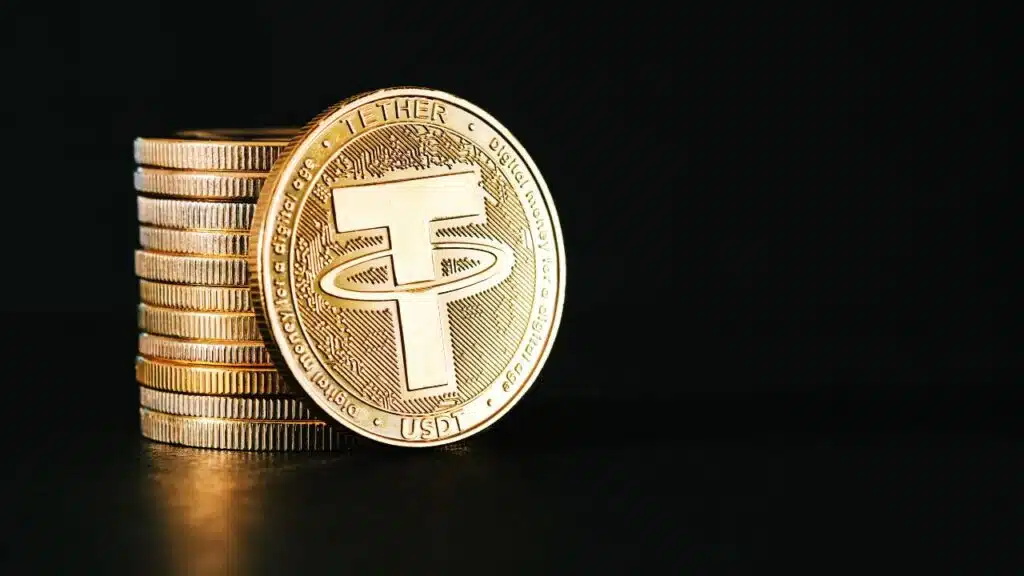
USDT pegs to the US dollar at a 1:1 rate. The token holds a low risk label, it uses custody-based security and has mixed status with regulators. Traders rely on USDT for liquidity, it shows up in many trading pairs, and it ranks among the most traded cryptocurrencies by volume.
Risk-averse investors use USDT as a safe haven during periods of high market volatility, like a calm harbor in a storm. It supports decentralized finance (defi) apps and smart contracts, helping markets move without wild swings.
You can store USDT in a hardware wallet or leave it on crypto exchanges, and you should watch market capitalization and network security before you act.
USD Coin (USDC): Trusted for Stability and Transparency
It maintains a 1:1 peg with the US dollar, and regulated financial institutions issue the tokens. Independent audits verify reserves on a regular basis, and issuers publish reports.
That transparency and regulatory compliance make USDC one of the least volatile digital assets; people use it for payments, trading, and as a store of value.
Major exchanges, including Coinbase, list USDC, and many decentralized finance (defi) platforms accept it. Developers deploy USDC in smart contracts on Ethereum, and apps like Uniswap and Aave use it for liquidity pools.
Market capitalization shows its broad use among stablecoins. You can move it into a hardware wallet for cold storage, like a digital savings jar, or keep it on an exchange for active trading.
Strategies for Minimizing Risk in Crypto Investments
Invest only money you can afford to lose. Keep an emergency fund before you buy crypto.
- Limit crypto exposure to 1–2% of your portfolio, cap it at 5% for risk-tolerant investors. Use only speculative capital, never funds meant for bills or emergency needs.
- Use dollar-cost averaging, schedule regular small buys on an exchange, and automate orders. Buy more on market dips, this steady plan lowers timing risk.
- Favor projects with high market capitalization and clear fundamentals. Pick platforms that run smart contracts, or serve decentralized finance, with visible user activity and solid developer teams.
- Spread holdings across token types and sectors, include smart contracts platforms, defi protocols, and stablecoins. Avoid overconcentration in one asset, trim positions that grow too large.
- Take profits on gains, convert portions to stablecoins or cash, then reallocate to lower-risk holdings. Schedule quarterly profit-taking and rebalancing to manage exposure.
- Combine technical analysis and on-chain analytics for entry and exit timing, blend chart signals with blockchain flows. Use charting platforms and on-chain data providers to spot volume shifts.
- Store long-term coins in a hardware wallet or cold storage, keep trading funds on reputable exchanges. Activate two-factor authentication, use strong passphrases, and keep backup keys on a secure device.
- Use a portfolio tracker app, price alerts, and market tracker feeds to watch positions. Link charting and alert tools, set stop limits, and get SMS or email notices for big moves.
- Start small, study token economics, team records, and smart contracts code samples. Limit initial crypto to 1–2% of net worth, grow allocation slowly as you gain hands-on experience.
Tools for Managing and Tracking Crypto Portfolios
Pick a small set of tools, and keep your setup simple. Mix exchanges, analytics, wallets, and alerts for live tracking.
- Use major exchanges like Kraken, eToro, Binance, Coinbase, Bitbuy, and Bitget for buying, selling, and tracking, market risks apply. Check order books and fee pages before you trade.
- Try crypto portfolio management apps and platforms for real-time tracking and automated alerts. They pull balances from exchanges and wallets, and show gains, fees, and shifts.
- Watch moving averages, Relative Strength Index (RSI), and crossovers on charting platforms, to spot trends fast. Track average transaction fees and mempool size while timing entries.
- Explore on-chain analytics to study on-chain activity, address holding data, and investor flows for better entry and exit points. Link those signals to smart contracts and decentralized finance (defi) positions.
- Secure long-term assets in hardware wallets like Rockwallet, a Ledger device, Ledger Nano S Plus, Trezor Model One, a Trezor device, or Ellipal Titan, trading risks apply. Keep recovery seeds offline and test restores.
- Set automated alerts for price swings, RSI thresholds, and MA crossovers across exchanges and trackers. Use mobile push, email, or SMS to act fast on sudden moves.
- Run tax and reporting tools to log trades and produce forms for filings, they save time at year end. Monitor legal and regulatory news, as new rules can affect asset values quickly.
- Track decentralized finance (defi) positions, TVL, and smart contracts with specialized trackers to watch yield and counterparty risk. Check contract addresses, approvals, and average gas fees before staking.
Tips for Safely Storing and Securing Crypto Assets
Secure your crypto, protect your gains.
Keep private keys offline, save recovery phrases in multiple safe places.
- Use device wallets like Ledger Nano X, RockWallet, Ledger Nano S+, KeepKey, and Trezor T for cold storage, keep large holdings offline, separate hot wallets for small, regular trades.
- Protect your private keys, never share the seed phrase with anyone, store recovery words offline in multiple secure copies, treat them like cash.
- Enable two-factor authentication (2FA), set it on all exchanges and wallets, use apps like Google Authenticator or Authy for safer logins.
- Backup wallet files and recovery phrases, keep several offline copies in fireproof, waterproof places, test recovery on a spare device periodically.
- Avoid phishing scams, verify platform legitimacy before you click any link, never open unsolicited links, double check URLs and official apps.
- Skip public or shared computers, never use public Wi-Fi for trades, if you must, use a secure VPN and trusted devices only.
- Segregate funds between hot and cold wallets, use a small hot wallet for interacting with smart contracts, keep most assets in cold storage.
- Use password manager tools, create strong, unique passwords for exchanges and email, pair them with 2FA and device wallets for layered defense.
- Store seed phrases and private keys completely offline, write them on metal or paper backups, keep at least two secure offline copies in separate locations.
Takeaways
This list puts safer choices first, like Bitcoin, Ethereum, Cardano, Solana, and Chainlink. Experts Rahul Nambiampurath and Erika Rasure add clear, practical advice. Use steady moves, like dollar-cost averaging, and track holdings with a portfolio tracker or an exchange app.
Store coins in a hardware wallet, for example Ledger Nano X, or a mobile wallet, or a device such as KeepKey, and enable two-factor authentication. Start small, learn the tech, watch market caps and fees, and adjust as your confidence grows.
Sleep better, with a plan that matches your goals.
FAQs
1. What are low-risk crypto investments for cautious beginners?
Low-risk crypto investments include stablecoins parked in interest-bearing accounts, regulated crypto ETFs, and staking on vetted platforms. Use custodial wallets for simple trades, and a hardware wallet for long term storage. Practice dollar-cost averaging and keep a clear plan, diversification helps lower risk.
2. How can a cautious beginner start safely?
Pick a regulated platform, read fees, and set up a custodial wallet or hardware wallet. Start small, use dollar-cost averaging, and move funds to interest-bearing accounts or low-volatility tokens. Ask questions, and treat crypto like money, not a get-rich-fast ticket.
3. Why use stablecoins or crypto ETFs, and how do they help?
Stablecoins hold a steady peg, they cut price swings. Placing them in interest-bearing accounts can earn small returns, like a savings account with training wheels. Crypto ETFs give broad exposure, they lower single-asset risk, and they work well for cautious beginners.
4. What common mistakes should cautious beginners avoid?
Do not chase high yields, they often hide big risk. Avoid unfamiliar yield farming or shady platforms. Do not leave keys or funds on exchanges, like leaving your house keys on the porch. Rebalance, diversify, and stick to your plan, patience pays.