The administration of U.S. President Donald Trump has announced the withdrawal of the sanctions waiver granted to the Chabahar port in Iran, a project that has been jointly developed by India and Iran. This decision brings an end to the special exemption that was introduced in 2018 during Trump’s first term in office. With the revocation, the U.S. sanctions regime will formally apply to Chabahar from September 29, 2025, leaving only a brief ten-day window before the change comes into force.
The waiver had allowed India to work on the port and use it as a channel for trade and humanitarian shipments to Afghanistan and Central Asia without being exposed to penalties. By removing the exemption, the Trump administration has aligned the project with the wider U.S. sanctions framework against Iran.
Why the Waiver Was Important
When the U.S. imposed wide-ranging sanctions on Iran under the Iran Freedom and Counter-Proliferation Act (IFCA) of 2012, the Chabahar project was given special consideration. Washington recognized that the port was not only vital for Afghanistan’s reconstruction but also provided an alternative trade corridor bypassing Pakistan.
The waiver, granted in 2018, exempted India’s work on the Shahid Beheshti terminal at Chabahar, the construction of associated rail links, and the shipment of humanitarian supplies such as food, medicines, and other non-sanctioned goods to Afghanistan. It was a practical recognition of India’s role in providing stability and aid to Afghanistan at a time when the country was deeply dependent on external support.
By withdrawing this waiver, the U.S. has signaled a harder line against Iran, removing even the exceptions that previously acknowledged regional development and humanitarian needs.
The Strategic Importance of Chabahar
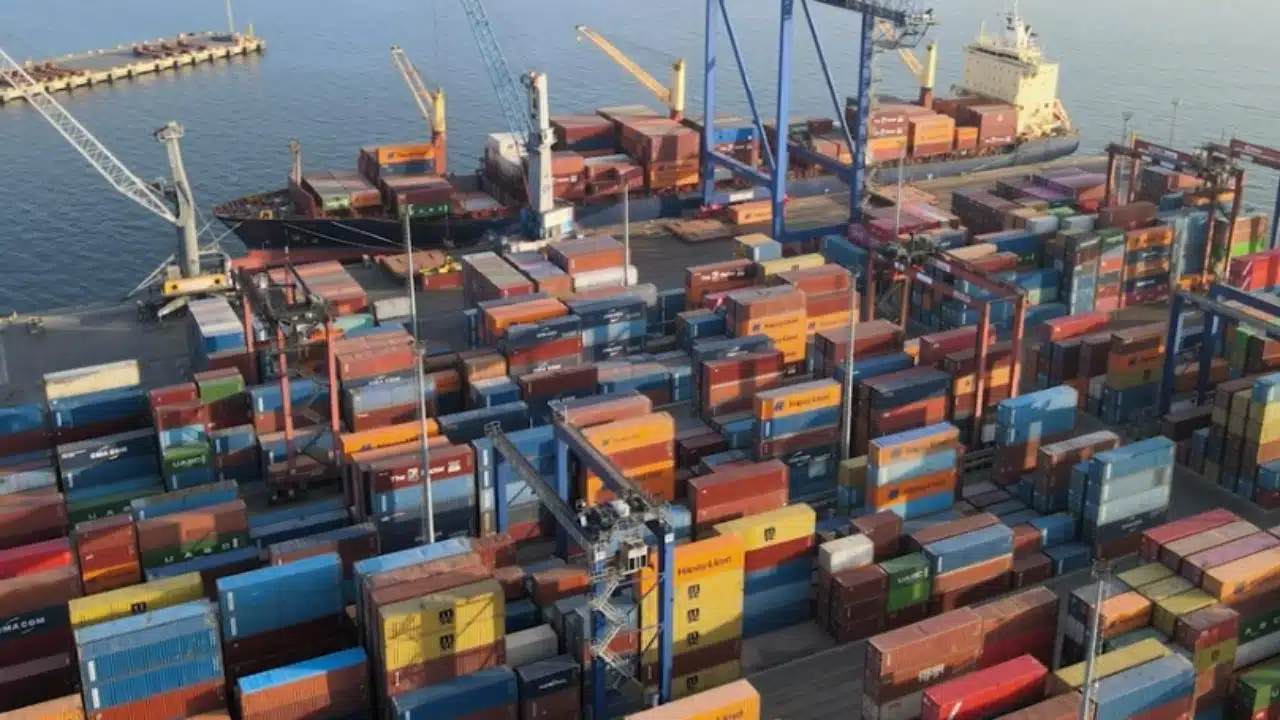
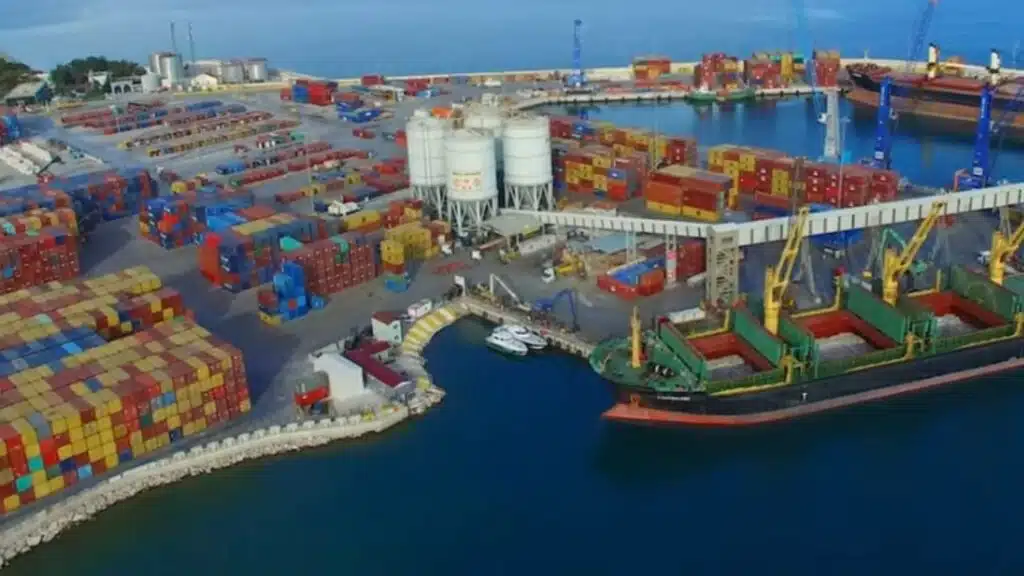
Chabahar is located in Iran’s Sistan-Baluchistan province, along the Gulf of Oman. As Iran’s only deep-water port with direct access to the Indian Ocean, it offers India its closest and most secure sea link to Afghanistan and landlocked Central Asia.
For India, the port was more than an infrastructure project. It was a geostrategic investment designed to:
- Bypass Pakistan: Chabahar offered India a way to move goods to Afghanistan and beyond without depending on routes through Pakistan, where transit restrictions and political tensions have consistently hindered trade.
- Counter China’s Gwadar port: Only about 170 kilometers away, Pakistan’s Gwadar port has been developed by China as part of the China-Pakistan Economic Corridor (CPEC). Chabahar provided India with a counterbalance to China’s growing influence in the Arabian Sea and the wider Indian Ocean.
- Support connectivity projects: The port formed a critical node in the International North-South Transport Corridor (INSTC), linking India to Iran, Afghanistan, Central Asia, Russia, and eventually Europe.
India’s Contributions So Far
India’s commitment to Chabahar has been substantial:
- In May 2016, India, Iran, and Afghanistan signed the Trilateral Chabahar Agreement to establish the International Transport and Transit Corridor.
- India supplied six Mobile Harbour Cranes (two with 140-tonne capacity and four with 100-tonne capacity) worth about USD 25 million to equip the port.
- Through India Ports Global Limited (IPGL) and its subsidiary, India Ports Global Chabahar Free Zone (IPGCFZ), India formally took over operations of the Shahid Beheshti terminal on December 24, 2018.
- Since then, the port has handled over 90,000 Twenty-foot Equivalent Units (TEUs) of container traffic and more than 8.4 million metric tonnes (MMT) of bulk and general cargo.
Beyond commercial trade, Chabahar has been a lifeline for humanitarian assistance. India has used the port to ship around 2.5 million tonnes of wheat and 2,000 tonnes of pulses to Afghanistan. During the COVID-19 pandemic, it facilitated critical supplies. In 2021, India even sent 40,000 litres of pesticide (Malathion) to Iran through the port to help fight a locust outbreak.
The U.S. Rationale: Maximum Pressure on Iran
According to the U.S. State Department, the waiver withdrawal is aligned with Washington’s “maximum pressure policy” on Iran. The goal is to cut off avenues that could provide Iran with economic relief, especially projects that involve international partners.
American officials argue that even indirect revenue streams from port development or operations could bolster Iran’s economy and, by extension, support the activities of the Islamic Revolutionary Guard Corps (IRGC), which the U.S. designates as a terrorist organization. The U.S. believes these funds fuel destabilizing actions across the Middle East, including support for proxy groups and weapons development.
By revoking the exception, the Trump administration is signaling that no project, regardless of its regional developmental benefits, will be allowed to function outside the sanctions regime.
Implications for India
The withdrawal of the waiver has serious consequences for India:
- Exposure to Sanctions: Indian companies, officials, and even shipping operators involved in Chabahar’s operations may now face penalties under U.S. law. This complicates India’s ability to sustain its role in port management and investment.
- Investment Risks: India’s multi-million-dollar investment in equipment, infrastructure, and long-term operational contracts is now under threat. The uncertainty could discourage private partners and slow down expansion plans.
- Trade and Connectivity Setbacks: Chabahar was India’s gateway to Afghanistan and Central Asia. With sanctions back in place, the route may no longer be viable, forcing India to explore alternative corridors or negotiate exemptions once again.
- Humanitarian Concerns: India had used the port to deliver food and aid to Afghanistan, especially after the Taliban takeover worsened the humanitarian crisis. The U.S. decision risks making such aid shipments more difficult, if not impossible.
- Geopolitical Pressure: The decision strengthens China and Pakistan’s position in the region. While India faces restrictions at Chabahar, China’s Gwadar port will continue to expand as part of its Belt and Road Initiative. This tilts the regional infrastructure game in Beijing’s favor.
What Comes Next
Several questions remain unanswered:
- Will India seek a new exemption? New Delhi is likely to push Washington for clarity or carve-outs to ensure that humanitarian shipments are not disrupted. Diplomatic negotiations could be critical in the coming weeks.
- How will Iran respond? Tehran may look to deepen partnerships with other countries, including China, to counter U.S. pressure, potentially sidelining India.
- What about INSTC? With Chabahar under sanctions, India’s broader vision for the International North-South Transport Corridor may face serious delays.
- Regional Stability: The change could also impact Afghanistan, where access to affordable trade routes remains crucial for economic stability.
The revocation of the Chabahar waiver marks a major strategic blow for India’s regional ambitions. The port was a symbol of India’s ability to balance development goals with geopolitical strategy. By ending the exemption, the U.S. has not only tightened the screws on Iran but also complicated India’s investments, humanitarian outreach, and long-term plans to connect with Central Asia.
What happens after September 29 will depend largely on how India negotiates with Washington, how Iran chooses to engage with alternative partners, and whether exemptions for humanitarian aid can be salvaged. For now, however, India’s Chabahar gamble faces its most serious test yet.
The Information is collected from The Indian Express and India Today.