Many travelers visit Puerto Rico but miss its most amazing animals. The island formed from an underground volcano, creating homes for rare birds, frogs, and sea creatures found nowhere else on Earth.
This guide shows you exactly where to find nine incredible animals that call Puerto Rico home. Get ready to meet some wild new friends.
Key Takeaways
- Puerto Rico hosts unique animals found nowhere else on Earth, including the tiny coquí frog and endangered Puerto Rican parrot.
- El Yunque National Forest offers the best spots to find endemic species like parrots, anoles, and nine different bat types.
- Mosquito Bay in Vieques shines as the world’s brightest bioluminescent bay with millions of glowing dinoflagellates per gallon.
- Humpback whales migrate through Mona Passage from January to March, creating the Caribbean’s top whale watching experience.
- Conservation efforts saved the Puerto Rican parrot from just 13 birds in the 1970s to current wild populations.
How can you spot the iconic Coquí frog in El Yunque National Forest?

The coquí frog calls out its name every night in El Yunque National Forest. This tiny amphibian measures just 1.3 to 1.6 inches long but makes a big sound in Puerto Rico’s rainforest ecosystem.
- Visit El Yunque after sunset when coquí frogs start their famous nighttime calls that echo through the forest canopy.
- Listen for the distinctive “ko-KEE” sound that gives these endemic frogs their name and cultural importance in Puerto Rico.
- Look on broad leaves, tree trunks, and wet rocks where these small amphibians rest during their active evening hours.
- Book a guided night tour with local experts who know exactly where to find different varieties like common, mottled, or dwarf coquí.
- Bring a small flashlight to spot their tiny bodies, but keep the light dim to avoid disturbing their natural behavior.
- Check areas near streams and waterfalls where the habitat stays moist and supports healthy biodiversity for these rainforest creatures.
- Search for six different types including whistling, wrinkled, and locust varieties that vary in color and size across the forest.
- Focus your search in dense vegetation areas where these frogs indicate a thriving ecosystem and proper conservation efforts.
- Plan multiple visits since coquí populations change with weather conditions and seasonal patterns in the tropical environment.
Where can you observe the endangered Puerto Rican parrot in the wild?
El Yunque National Forest stands as your best bet for spotting the Puerto Rican parrot, also known as Iguaca. This bright green bird with red and blue accents measures about one foot long.
It’s the only native parrot species in the United States. Back in the 1970s, only 13 individuals survived in the wild due to deforestation, poaching, and disease. Conservation efforts through the Puerto Rican Parrot Recovery Program have brought these birds back from the brink.
Some parrots now live free in El Yunque’s lush canopy.
Guided wildlife tours offer your best chance to see this critically endangered species up close. These tours support ongoing conservation initiatives while giving visitors a rare glimpse of one of the world’s rarest birds.
Local guides know exactly where to look and can spot the parrots’ distinctive calls echoing through the rainforest. Habitat restoration projects continue to expand safe spaces for these remarkable birds.
Each sighting represents a small victory in the fight to save this species from extinction.
How do you encounter green sea turtles on Puerto Rico’s beaches?
Puerto Rico’s beaches offer incredible opportunities to witness endangered sea turtles in their natural coastal habitats. These gentle marine creatures nest on the island’s shores during specific seasons, making responsible wildlife encounters possible.
- Visit beaches during nesting season from May through October when leatherback sea turtles, the largest turtle species, come ashore to lay eggs on Puerto Rican sands.
- Join organized nighttime turtle walks led by local conservation groups who guide visitors to active nesting sites while protecting these endangered species.
- Book snorkeling or diving tours in shallow coastal waters where green sea turtles feed on seagrass beds and rest near coral reefs.
- Explore Culebra’s Flamenco Beach and Vieques’ beaches, which serve as important nesting grounds protected by marine conservation efforts and wildlife protection laws.
- Contact sea turtle rehabilitation centers that sometimes offer educational programs about ocean ecosystems and the vital role these creatures play in marine biology.
- Practice responsible travel by maintaining distance from nesting females, avoiding flash photography, and never touching or disturbing turtles or their nests.
- Time your beach visits during early morning hours when sea turtles often surface near shore to breathe before diving back to deeper waters.
- Support ecofriendly tourism operators who contribute to conservation efforts and follow strict guidelines to protect nesting sites and hatchlings from human interference.
Where is the best place to snorkel with manatees in Puerto Rico?
Culebra and Vieques islands offer the best snorkeling spots for manatee encounters in Puerto Rico. These protected waters host healthy coral reefs that attract diverse marine life, including gentle sea cows.
Guided tours take visitors to shallow bays where manatees feed on seagrass beds. The calm, clear waters around these islands create perfect conditions for spotting these protected species.
Responsible tourism practices help protect these magnificent creatures during your underwater adventure. Professional guides know exactly where to find manatees without disturbing their natural behavior.
Coral reefs surrounding these areas teem with tropical fish and sea turtles, making each snorkeling trip a celebration of Puerto Rico’s rich biodiversity. Marine life viewing reaches its peak in these Caribbean waters, where every dive reveals new wonders beneath the surface.
What makes the bioluminescent organisms in Mosquito Bay unique?
Mosquito Bay in Vieques holds the title as the brightest bioluminescent bay in the world. This natural phenomenon comes from tiny microorganisms called dinoflagellates that live in the water.
These microscopic creatures emit blue-green light when something disturbs them. Swimming, kayaking, or even moving your hand through the water creates an amazing light show. The dinoflagellates glow as a defense mechanism against predators.
This ecosystem supports millions of these tiny organisms in every gallon of water.
Puerto Rico hosts multiple bioluminescent bays, but Mosquito Bay shines the brightest. Conservation efforts protect this delicate marine life from pollution and damage. Nighttime tours let visitors witness this natural wonder during the darkest hours.
New moon phases offer the best viewing conditions for maximum brightness. The glowing effect works best in complete darkness. Ecotourism here supports local conservation programs that keep the bay healthy.
Only a few places on Earth have this type of bioluminescence, making Puerto Rico a special destination for nature lovers.
What kinds of bats live in Río Camuy Cave Park?
Río Camuy Cave Park hosts several fascinating bat species that call Puerto Rico home. These nocturnal mammals are the only native land mammals on the island, making them extra special to spot.
Nine different types of bats live throughout Puerto Rico, and many make their homes in the park’s limestone caves.
Antillean fruit bats flutter through the cave systems, feeding on tropical fruits and helping spread seeds across the forest. Big brown bats hunt insects near the cave entrances during twilight hours.
Brazilian free-tailed bats emerge in large groups, creating spectacular displays as they search for flying insects. The sooty mustached bat and velvety free-tailed bat also inhabit these underground chambers, contributing to the rich biodiversity of this ecosystem.
These chiroptera play vital roles in pollination and pest control, keeping Puerto Rico’s environment healthy and balanced.
Where can you see iguanas roaming freely across Puerto Rico?
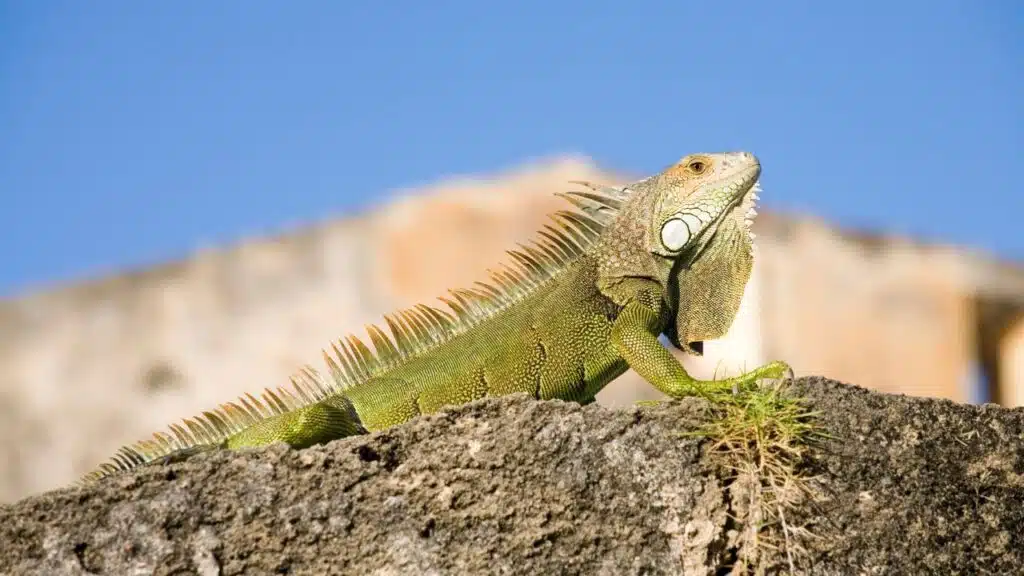
Green iguanas bask in the sun across Puerto Rico’s urban areas and coastal regions. You’ll spot these large reptiles lounging on park benches, climbing trees in San Juan’s plazas, and sunning themselves near beaches.
Parks and gardens serve as perfect viewing spots for wildlife photography. These herbivorous creatures munch on leaves, flowers, and fruits throughout the day.
Coastal areas offer the best iguana-watching opportunities. Rock formations near water bodies attract these reptiles for their daily sunbathing ritual. Both native and non-native species call Puerto Rico home, though green iguanas dominate the landscape.
Their striking appearance and impressive size make them popular photo subjects for visitors. Conservation efforts monitor their impact on local flora and ecosystem balance.
When and where can you spot humpback whales in the Mona Passage?
The Mona Passage offers one of the Caribbean’s best whale watching experiences. These massive marine mammals travel through this vital corridor between Puerto Rico and the Dominican Republic during their annual migration.
- Plan your whale watching trip between January and March for the best sightings during peak migration season.
- Book organized boat tours from the west coast of Puerto Rico, where whale sightings happen most often.
- Look for spectacular breaching behavior as humpback whales launch their massive bodies out of the water.
- Watch for tail-slapping displays when whales smack their flukes against the ocean surface.
- Choose morning boat tours when seas are typically calmer and marine mammals are more active.
- Bring binoculars to spot whale spouts and dorsal fins from greater distances across the passage.
- Support local ecotourism operators who follow responsible whale watching guidelines and contribute to conservation efforts.
- Stay patient during your marine corridor adventure, as whale sightings depend on weather and migration patterns.
- Listen for the captain’s guidance about where to look, since experienced guides know the best observation spots along this marine highway.
How can you discover unique lizards like the Puerto Rican anole?
Puerto Rico’s emerald anole offers one of the island’s most exciting reptile encounters. This small lizard measures about 2.75 inches in length and shows off amazing color-changing abilities.
You can watch it shift from bright green to dark brown right before your eyes. The emerald anole is one of 11 Anolis lizard species that call Puerto Rico home, making the island a true paradise for reptile lovers.
El Yunque National Forest provides the best spots to find these territorial creatures. Look for them on bamboo and palm trunks throughout the Luquillo mountains and Cordillera Central.
These insectivores love to hang out near Yokah Tower, where hiking trails offer perfect viewing opportunities. Male anoles display their yellow and brown dewlap during territorial disputes, creating quite a show for visitors.
Guided nature walks boost your chances of spotting these masters of camouflage in their tropical rainforest habitat.
What vibrant marine life can you experience while diving or snorkeling?
Coral reefs around Puerto Rico create homes for amazing sea creatures that will take your breath away. Parrotfish swim in bright colors while angelfish glide past like living rainbows.
Sea turtles paddle through the warm waters, and you might spot them munching on seagrass or resting near the reef. Schools of tropical fish move together like underwater clouds, creating a living kaleidoscope.
Sea urchins dot the ocean floor like spiky purple cushions, and octopuses hide in rocky cracks, changing colors faster than a magician’s trick.
Snorkeling adventures bring you face to face with endangered species that call these waters home. El Yunque’s rivers flow into the ocean, mixing fresh water with salt to create special habitats where both land and sea animals thrive.
Guided tours teach you about reef conservation while you swim alongside these incredible creatures. Marine biodiversity here includes species you won’t find anywhere else on Earth, making each dive a treasure hunt for new discoveries.
El Yunque rainforest holds amazing wildlife treasures waiting for discovery. Smart hikers know the right trails and techniques to spot these hidden creatures.
- Start your wildlife adventure on El Portal Trail, which offers excellent chances to see colorful birds and endemic species moving through the dense vegetation.
- Take the La Mina River trail early in the morning when animals are most active and easier to spot along the water’s edge.
- Book a Rainforest Tour for $85 that lasts 6+ hours, giving you expert guidance to find rare species like the Puerto Rican boa.
- Hike near Yokah Tower where the ecosystem supports diverse fauna including vibrant lizards, giant tree snails, and many bird species.
- Plan a night walk to discover nocturnal creatures like bats and the famous coquí frogs that come alive after dark.
- Join a Nature Walk Adventure for $75 lasting 6 hours to learn conservation efforts while spotting endemic amphibians and reptiles.
- Move quietly through trails and listen carefully for sounds of flannel moths, Puerto Rican tarantulas, and other invertebrates hiding in the flora.
- Bring binoculars to observe mammals and birds in the tree canopy where much of the rainforest’s biodiversity lives and feeds.
- Stop frequently at stream crossings and clearings where wildlife often gathers to drink water and search for food.
Takeaways
Puerto Rico offers wildlife adventures you can’t find anywhere else. These nine encounters showcase the island’s amazing biodiversity and endemic species. Pack your camera, grab your hiking boots, and get ready for nature tours that will blow your mind.
The island’s tropical rainforest, crystal-clear waters, and conservation efforts create perfect conditions for unforgettable wildlife experiences. Your next adventure travel destination awaits on this Caribbean paradise.
FAQs
1. What makes Puerto Rico’s wildlife different from other places?
Puerto Rico sits in the Caribbean, creating a perfect home for animals you won’t find anywhere else. The island’s warm weather and varied landscapes support creatures that evolved here over thousands of years.
2. Can I see bioluminescent bay creatures during my visit?
Yes, you can swim with glowing plankton in Mosquito Bay on Vieques Island. These tiny sea creatures light up when you move through the water, creating a magical blue glow around your body.
3. Where can I spot the famous coqui frogs?
You’ll hear these little frogs singing their “ko-kee” song all over the island after sunset. El Yunque rainforest offers the best chance to see them up close during night walks.
4. Are there dangerous animals I should worry about in Puerto Rico?
The island has very few dangerous creatures. Most wildlife here is harmless to humans, though you should always keep a respectful distance from any wild animal you encounter.