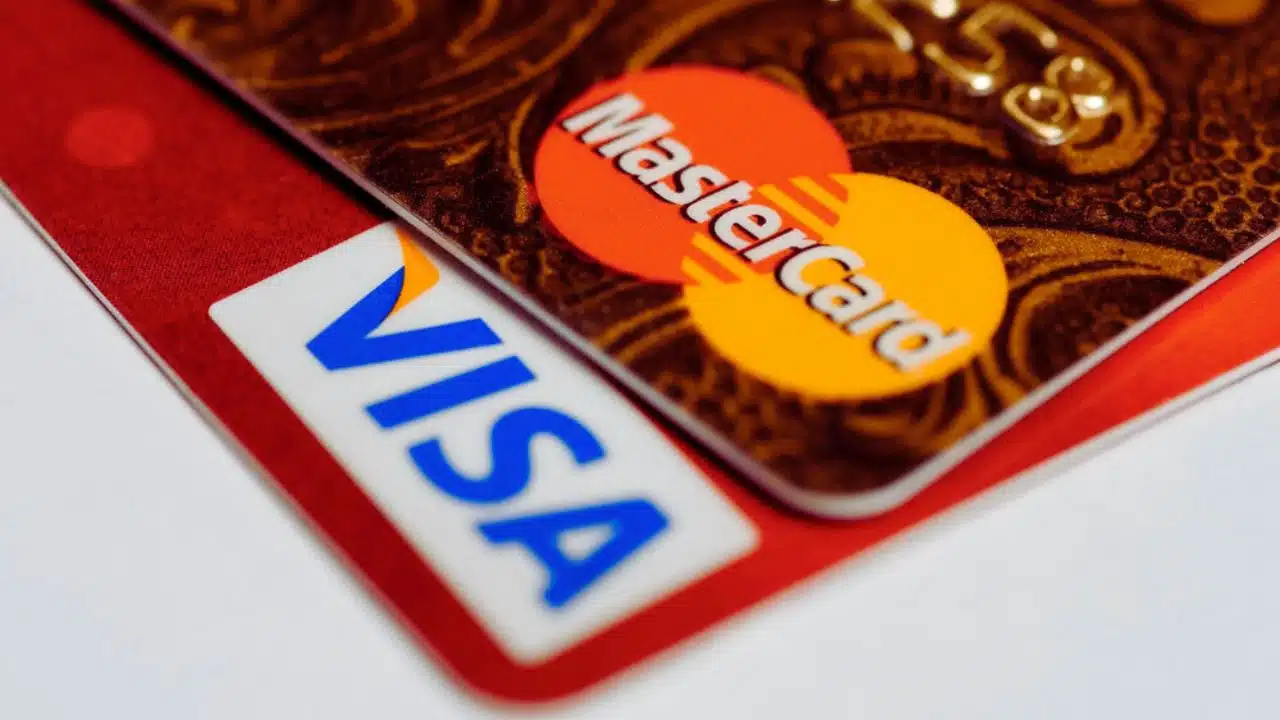
Visa, Mastercard Settle ATM Fee Lawsuit for $167.5m

Visa Mastercard $167.5M ATM Fee Settlement

Visa and Mastercard have agreed to pay $167.5 million to settle a class-action lawsuit accusing them of conspiring to inflate ATM access fees for millions of users since 2007. The deal, filed December 19, 2025, in Washington, D.C. federal court, awaits judge approval and targets non-bank ATM transactions.​

Settlement Details

Visa will contribute $88.8 million, covering 53% of the fund, while Mastercard adds $78.7 million. This money goes to a settlement fund for consumers who paid unreimbursed access fees at independent, non-bank ATMs. Eligible claims cover transactions from October 2007 onward, potentially affecting millions across the U.S.​

Plaintiff attorneys call the outcome strong given litigation risks. They plan to seek up to 30% of the fund—about $50 million—for fees. Neither company admits wrongdoing and both denied misconduct throughout.​

Lawsuit Background

The case started in October 2011 in U.S. District Court for the District of Columbia. Plaintiffs claimed Visa and Mastercard rules blocked independent ATM operators from offering lower access fees on rival networks. These network rules allegedly created a conspiracy that kept fees artificially high, harming competition.​

Independent ATMs, often in stores or standalone spots, rely on Visa and Mastercard networks for processing. The suit argued operators could not discount fees for cheaper alternatives, forcing uniform high prices on users. This spanned nearly 14 years of appeals and motions.​

Legal Timeline

Key events shaped this long fight. Below is a timeline of major milestones.

Date Event
Oct 2007 Class period begins for eligible ATM transactions.​
Oct 2011 Lawsuit filed against Visa, Mastercard in D.C. court.​
2021 Banks settle related claims for $66 million.​
2024 U.S. Supreme Court denies review of class certification.​
Jul 2024 Preliminary approval in related bank ATM case.​
Dec 18-19, 2025 $167.5M settlement filed for non-bank ATMs.​

The timeline highlights persistent challenges to network rules.​

Related ATM Cases

This settlement is one of three linked suits in D.C. court. A prior case on bank-owned ATMs ended with Visa and Mastercard paying $197.5 million, approved in June 2025, plus the $66 million bank deal—totaling over $264 million recovered. That covered users overcharged at bank ATMs from 2007 to 2024.​

A third suit by independent ATM owners and operators remains pending. It alleges similar overcharges on network access fees. These cases stem from the same antitrust concerns over fee restraints.​

Impact on Consumers and Industry

Millions who used non-bank ATMs may qualify for payouts, though amounts depend on claims volume. Past settlements show average returns vary; the bank ATM fund distributed after claims closed in early 2025. Users must watch for notices if approved.​

The deals pressure payment networks to rethink rules. Experts see potential for more competition, lowering future fees. Independent operators gain leverage against uniform pricing. U.S. cash withdrawals total billions yearly, making even small fee cuts significant.​

Visa and Mastercard face broader scrutiny. The U.S. Justice Department sues Visa over debit market monopoly. Merchant swipe fee settlements also loom large.​

Company Responses and Market Reaction

Visa and Mastercard stayed silent on settlement requests. Both firms maintain strong positions; Visa shares rose 0.7% and Mastercard 0.6% post-news. Annual revenues exceed $30 billion each, dwarfing these payouts.​

Denials of wrongdoing align with past defenses. They argued rules ensured network efficiency. Settlements avoid trial risks without liability admission.​

Broader Antitrust Context

Payment giants battle multiple fronts. A $5.54 billion merchant interchange settlement awaits claims into 2025. ATM cases echo 1980s-1990s surcharging fights. Courts apply “rule of reason” to weigh competition harm versus benefits.​

These rulings signal regulators target fee opacity. Consumers benefit from class actions aggregating small claims. Future policies may mandate fee transparency.​

Final Thoughts

This $167.5 million deal closes a chapter on ATM fee fights but leaves questions. Pending suits could yield more relief, while approvals unlock funds for users. Watch for claim sites and fee changes ahead. The cases underscore push for fairer payment systems.​


Subscribe to Our Newsletter

Related Articles

Top Trending

Tokenizing the World: The Rise of Real World Assets (RWA) in 2026
Lab Grown Eel
Lab-Grown Eel: Japanese Food Tech Breakthrough Hits Sushi Markets
Leading in the Age of Agents How to Manage Digital Employees
Leading in the Age of Agents: How to Manage Digital Employees
UK Sovereign AI Compute
UK’s “Sovereign AI” Push: Sunak Pledges £500M for Public Sector Compute
Dhaka Fintech Seed Funding
Dhaka’s Startup Ecosystem: 3 Fintechs Securing Seed Funding in January

LIFESTYLE

Travel Sustainably Without Spending Extra featured image
How Can You Travel Sustainably Without Spending Extra? Save On Your Next Trip!
Benefits of Living in an Eco-Friendly Community featured image
Go Green Together: 12 Benefits of Living in an Eco-Friendly Community!
Happy new year 2026 global celebration
Happy New Year 2026: Celebrate Around the World With Global Traditions
dubai beach day itinerary
From Sunrise Yoga to Sunset Cocktails: The Perfect Beach Day Itinerary – Your Step-by-Step Guide to a Day by the Water
Ford F-150 Vs Ram 1500 Vs Chevy Silverado
The "Big 3" Battle: 10 Key Differences Between the Ford F-150, Ram 1500, and Chevy Silverado

Entertainment

Netflix Vs. Disney+ Vs. Max- who cancelled more shows in 2025
Netflix Vs. Disney+ Vs. Max: Who Cancelled More Shows In 2025?
global Netflix cancellations 2026
The Global Axe: Korean, European, and Latin American Netflix Shows Cancelled in 2026
why Netflix removes original movies featured image
Deleted Forever? Why Netflix Removes Original Movies And Where The “Tax Break” Theory Comes From
can fans save a Netflix show featured image
Can Fans Save A Netflix Show? The Real History Of Petitions, Pickups, And Comebacks
Netflix shows returning in 2026 featured image
Safe For Now: Netflix Shows Returning In 2026 That Are Officially Confirmed

GAMING

The Death of the Console Generation Why 2026 is the Year of Ecosystems
The Death of the Console Generation: Why 2026 is the Year of Ecosystems
Pocketpair Aetheria
“Palworld” Devs Announce New Open-World Survival RPG “Aetheria”
Styx Blades of Greed
The Goblin Goes Open World: How Styx: Blades of Greed is Reinventing the AA Stealth Genre.
Resident Evil Requiem Switch 2
Resident Evil Requiem: First Look at "Open City" Gameplay on Switch 2
High-performance gaming setup with clear monitor display and low-latency peripherals. n Improve Your Gaming Performance Instantly
Improve Your Gaming Performance Instantly: 10 Fast Fixes That Actually Work

BUSINESS

Leading in the Age of Agents How to Manage Digital Employees
Leading in the Age of Agents: How to Manage Digital Employees
Dhaka Fintech Seed Funding
Dhaka’s Startup Ecosystem: 3 Fintechs Securing Seed Funding in January
Quiet Hiring Trend
The “Quiet Hiring” Trend: Why Companies Are Promoting Internally Instead of Hiring in Q1
Pharmaceutical Consulting Strategies for Streamlining Drug Development Pipelines
Pharmaceutical Consulting: Strategies for Streamlining Drug Development Pipelines
IMF 2026 Outlook Stable But Fragile
Global Economic Outlook: IMF Predicts 3.1% Growth but "Downside Risks" Remain

TECHNOLOGY

UK Sovereign AI Compute
UK’s “Sovereign AI” Push: Sunak Pledges £500M for Public Sector Compute
Netflix shows returning in 2026 featured image
Safe For Now: Netflix Shows Returning In 2026 That Are Officially Confirmed
Grok AI Liability Shift
The Liability Shift: Why Global Probes into Grok AI Mark the End of 'Unfiltered' Generative Tech
GPT 5 Store leaks
OpenAI’s “GPT-5 Store” Leaks: Paid Agents for Legal and Medical Advice?
Pocketpair Aetheria
“Palworld” Devs Announce New Open-World Survival RPG “Aetheria”

HEALTH

Apple Watch Anxiety Vs Arrhythmia
Anxiety or Arrhythmia? The New Apple Watch X Algorithm Knows the Difference
Polylaminin Breakthrough
Polylaminin Breakthrough: Can This Brazilian Discovery Finally Reverse Spinal Cord Injury?
Bio Wearables For Stress
Post-Holiday Wellness: The Rise of "Bio-Wearables" for Stress
ChatGPT Health Medical Records
Beyond the Chatbot: Why OpenAI’s Entry into Medical Records is the Ultimate Test of Public Trust in the AI Era
A health worker registers an elderly patient using a laptop at a rural health clinic in Africa
Digital Health Sovereignty: The 2026 Push for National Digital Health Records in Rural Economies