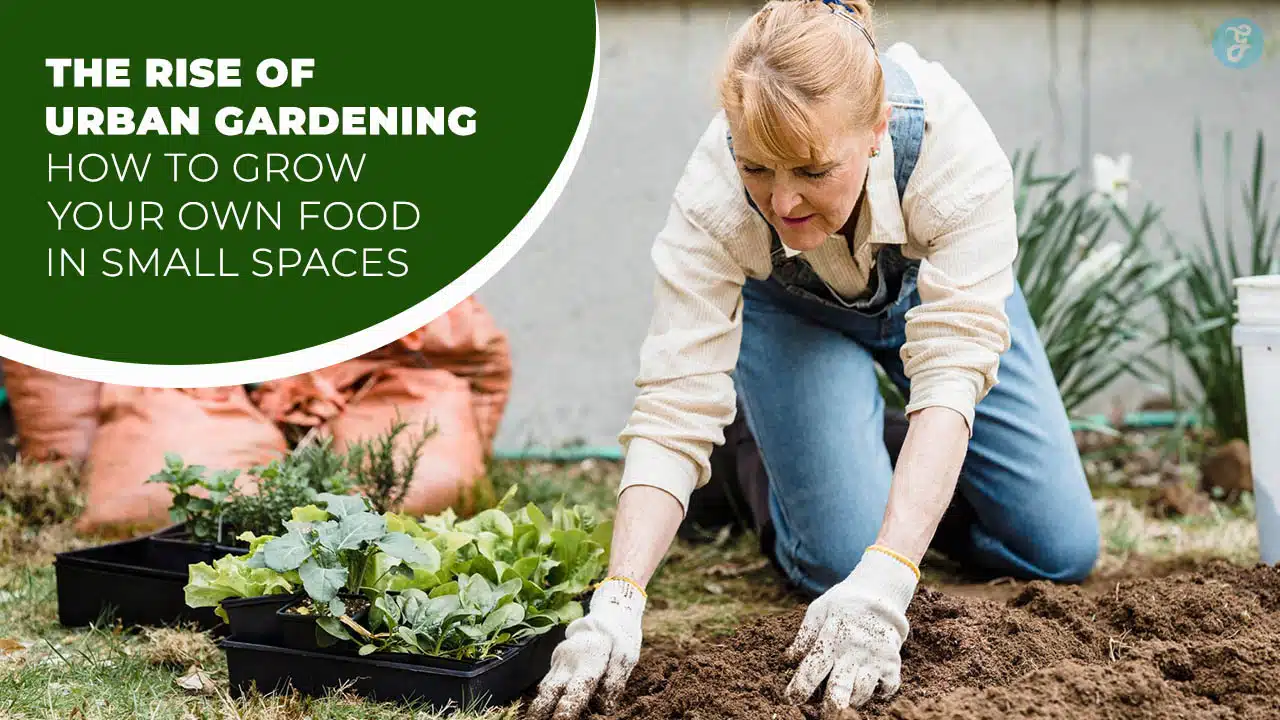
Are you stuck in a tiny apartment, craving fresh veggies but lacking a yard? Urban gardening is booming, letting city folks grow their own food even in small spaces. This blog will show you easy tricks to start your own green oasis, no matter how cramped your place is.
Curious to dig in?
Key Takeaways
- Urban gardening lets city folks grow food in small spaces like balconies or tiny yards.
- Potatoes can yield several pounds per square foot, making them great for tight areas.
- Urban gardens use 66% less water than lawns, saving over 32,000 gallons yearly per 1,000 square feet.
- Nan Chase grew crops in a yard just 9/100th of an acre for 10 years, proving small spaces work.
- Young parents, newlyweds, and students join urban gardening for food security and sustainable living.
Choosing the Right Plants for Small Spaces
Picking the best plants for tiny spots can feel like a fun puzzle. Hey, you don’t need a huge yard to grow yummy stuff in your urban garden. Stick with herbs, vegetables, and fruits that thrive in small spaces, like compact tomatoes or bushy basil.
Potatoes are a superstar here; they can yield several pounds per square foot, making them a top pick for tight areas.
Try rotating your crops to keep the soil happy and productive. Grow lettuces in spring, switch to okra in summer, and plant mustard greens when fall or winter rolls around. For something steady, go with semi-permanent choices like cardoons, rhubarb, or asparagus.
These gems stick around, giving your balcony gardening or indoor setup a green boost with fresh produce year after year.
Maximizing Space with Vertical Gardening
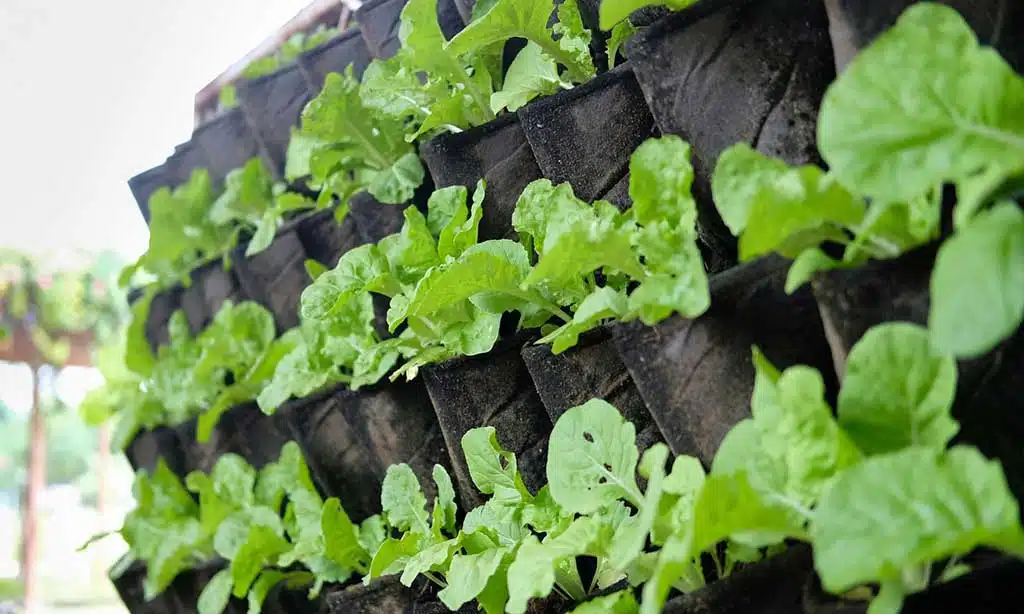
Hey there, gardeners! Let’s talk about maximizing tiny spots with vertical gardening, a true innovation for urban farming.
- To start, vertical gardening allows you to grow upward rather than outward, ideal for small areas like a balcony or a compact yard. It’s like creating a tower for your plants, stacking them vertically to conserve ground space. This approach does wonders in urban agriculture, transforming even a modest corner into a vibrant oasis. You can cultivate plenty of fresh produce without requiring a large piece of land.
- Experiment with tall crops like popcorn, sunchoke, amaranth, fennel, and dill for impressive outcomes. These plants naturally grow upward, making them perfect for this type of cultivation. They don’t just save space; they bring a striking, lush appearance to your urban garden. Plus, they’re edible plants that enhance your food security right at home.
- Don’t overlook climbing plants like tomatoes, cucumbers, peas, beans, and squash, either. These plants eagerly scale trellises or nets, creating a wall of greenery. Install a basic support using gardening tools, and watch them flourish in your balcony gardening setup. It’s an efficient way to maximize every bit of space.
- Have you come across espalier techniques? They’re excellent for fruit trees like pears, apples, persimmons, and kiwis in confined areas. You guide the branches to grow flat against a wall or fence, almost like a natural artwork. This technique not only conserves room but also adds an elegant touch to your space while yielding delicious snacks.
- Consider installing structures like arbors or lattices to support your vines and climbers. These setups aren’t just practical; they form a lovely backdrop for your rooftop garden or front yard patch. Pick up some budget-friendly gear from a local nursery, and you’ve got a solid frame for sustainable gardening.
- Incorporate companion planting to keep your vertical setup healthy and thriving. Pairing compatible plants together promotes growth and repels pests without relying on harsh chemicals like sprays. It’s a clever strategy for organic gardening, maintaining soil nutrient balance and ensuring a bountiful harvest.
- Finally, keep that potting soil nutrient-rich with compost from kitchen scraps or a small compost bin. Add some organic fertilizer to nourish your plants as they grow tall. This keeps your urban farm thriving, even in the tiniest of spaces, guaranteeing fresh salad greens or berries ready to harvest.
Growing Food in Containers and Pots
Let’s talk about growing food right in your tiny space. Containers and pots make urban gardening a breeze, even if you’ve got just a balcony or patio.
- Start with the right size pot for your plants, especially if you’re growing tomatoes in your vegetable garden. They need big containers, think 12 to 15 gallons, to spread their roots and thrive. Pick smaller-fruited varieties if your spot gets less sun or cooler weather; they adapt better.
- Try salad greens for an easy win in container gardening. Use shallow pots on patios or walkways, as these greens don’t need much depth. They grow fast, so you’ll have fresh produce for your meals in no time.
- Grab some herbs to plant alongside your veggies for a green oasis. Shallow containers work great for basil or parsley, fitting snug on a balcony gardening setup. Snip a few leaves whenever you cook; it’s like having a mini market at home.
- Pick sturdy pots that won’t tip over in a gust of wind on your rooftop gardens. Plastic or ceramic ones are solid picks, often found cheap at local retailers. Make sure they’ve got drainage holes to keep roots from rotting.
- Fill your containers with good soil packed with plant nutrients. Mix in some organic fertilizers to boost growth in your urban agriculture project. Healthy dirt means happy plants, and you’ll see the difference in your harvest.
- Place pots where they catch natural light for indoor gardens or small spaces. If sunlight is scarce, add artificial grow lights to keep things growing. It’s a small trick that packs a big punch for your edible plants.
- Water smart with efficient techniques like rainwater collection if you can. Containers dry out quick, so check soil daily in your vegetable patch. A little care keeps your garden from turning into a desert.
- Watch for pests and use organic pesticides to protect your crop in sustainable gardening. A spray of neem oil can fend off bugs without harsh chemicals. Keep your urban garden safe and tasty with this simple fix.
Using Window Boxes for Herbs and Vegetables
Hey there, got a tiny space but a big dream to grow your own food? Window boxes can turn that dream into a tasty reality!
- Pop those window boxes right on your sill, and you’ve got a mini garden for urban gardening. They’re perfect for apartment, condo, and townhouse folks who crave fresh produce. Just grab a sturdy box, drill a few drainage holes, and you’re set to plant.
- Grow salad greens and herbs like basil or parsley with ease. As mentioned, these boxes work great for small edible plants. They add a splash of green to your view while giving you fresh bites for your meals.
- Pick a sunny spot for the best growth in your small spaces. Most herbs and veggies need at least six hours of light daily. If your window’s shady, move the box around or add a small grow light to help.
- Use good soil packed with soil nutrients to feed your plants. Mix in some compost from kitchen waste to keep it rich. This trick keeps your greens thriving without much fuss.
- Water smart with a small can or bottle for efficient watering techniques. Don’t drown your plants; just moisten the soil. Check daily, since window boxes dry out fast in tight spots.
- Plant a mix of herbs and tiny veggies for variety in container gardening. Think chives, mint, or even radishes. It’s like having a flavor buffet right at your fingertips.
- Keep pests at bay with natural pest control ideas. Sprinkle some crushed eggshells or use neem oil spray. This way, you protect your little green oasis without harsh stuff.
- Rotate your crops now and then for healthy soil. Switch up what you plant each season, just like in bigger vegetable gardens. It stops the dirt from getting tired and keeps bugs guessing.
- Hang out by your window box often to spot issues early. See a wilting leaf? Snip it quick before trouble spreads in your balcony gardening setup.
- Enjoy the harvest, even if it’s just a handful of greens. There’s nothing like snipping fresh herbs for dinner. It’s a small win for sustainable living, right from your own home!
Incorporating Hanging Planters for Efficient Growth
Got a tiny space but big dreams of fresh produce? Let’s chat about hanging planters, a super way to grow food in small spots!
- Check out hanging planters as a game changer for urban gardening. They let you use overhead space, perfect if you’ve got a small balcony or patio. Hang them from railings or ceilings, and watch your garden grow up, not out. This trick saves floor space for other stuff, like a cozy chair to sip coffee in your green oasis.
- Grow climbing veggies like tomatoes, cucumbers, peas, beans, and squash in these planters. Their vines love to stretch upward, grabbing onto strings or trellises you set up. Picture juicy tomatoes dangling down, ripe for the picking, right outside your window. It’s like nature’s snack bar in your own balcony gardening setup!
- Try espalier techniques, usually for fruit trees, with your hanging setups. Adapt this method by training vines or small citrus trees to grow flat against a wall or frame. It looks cool and boosts growth in tight spaces, making your urban agriculture spot both pretty and productive.
- Pick sturdy hooks and strong planters to hold the weight of your edible plants. You don’t want a surprise crash when those squash get heavy. Use lightweight soil mixes made for container gardening to keep things safe and easy to manage up high.
- Place your planters where they catch good sunlight for sustainable gardening. Most veggies need at least six hours of rays to thrive, so scout the brightest spots. If your area’s shady, no sweat, just shift them around or add a small grow light to help out.
- Water smart with a drip system or a long spout can for efficient care. Hanging plants dry out faster, so check the soil often to keep it damp, not soggy. Think about rainwater collection if you’re near a gutter; it’s a free and eco-friendly way to hydrate your crop.
- Mix in companion planting to max out your tiny space. Pair up plants like beans with herbs to save room and boost growth. This old-school trick cuts down on pests naturally, keeping your urban garden healthy without harsh sprays.
Soil and Composting Tips for Urban Gardens
Soil is the heart of your urban garden, folks. Get it right, and your plants will thrive in even the tiniest spaces. For urban gardening, start with compost to enrich your dirt with organic matter.
Got limited room? No worries, just use a small worm bin or a composter to turn food waste into gold for your soil. And hey, if you’ve got access to non-carnivorous animal manure, mix that in for a nutrient boost.
It’s like giving your garden a hearty meal.
Digging into specifics, try low-pH additives like peat if you’re growing spuds such as seed potatoes. Pair that with low-nitrogen, high-phosphorus fertilizers to help roots grow strong.
Urban spaces can be tight, so mulching helps keep moisture in and weeds out. Want to kick it up a notch in container gardening? Build a small compost pile right on your balcony or in a corner.
Trust me, your salad greens will thank you with every fresh bite.
Efficient Watering Techniques for Limited Areas
Hey there, urban gardeners! Let’s chat about watering your tiny green spaces without wasting a drop. In small areas like balcony gardening or rooftop gardens, every splash counts.
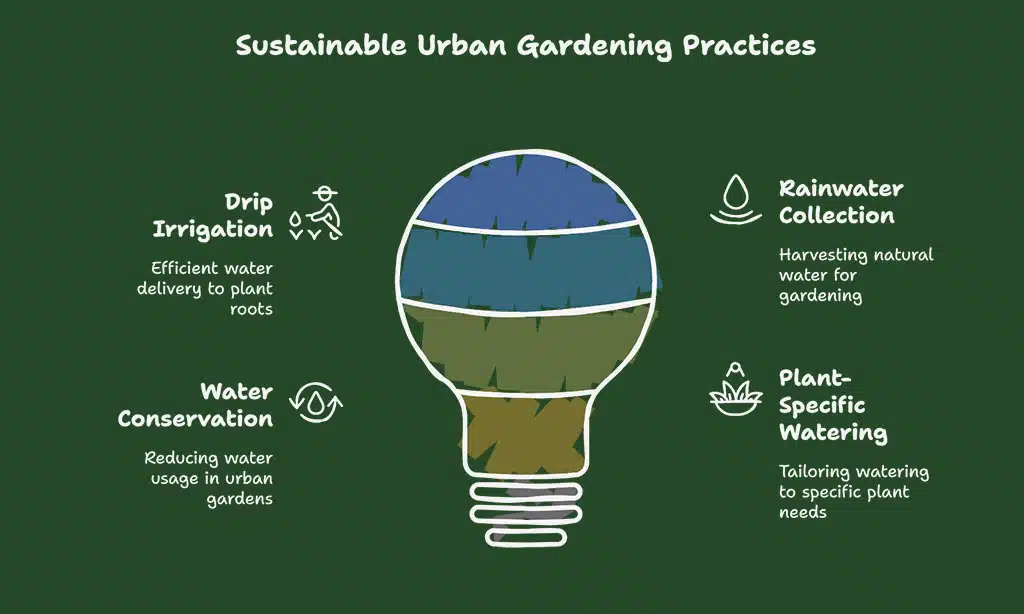
Did you know urban gardens use 66% less water than lawns, saving over 32,000 gallons yearly per 1,000 square feet? That’s a big win for sustainable living, and you can make it happen with smart tricks.
Try using drip irrigation systems for your container gardening setup. These handy tools deliver water straight to the roots, cutting down on waste. For potatoes, keep that soil moist with regular watering, just don’t overdo it.
Collect rain in a barrel for rainwater collection if you can; it’s free and perfect for your edible plants. Stick to these tips, and watch your urban agriculture patch thrive!
Using Natural Light and Artificial Grow Lights
Getting enough light is key for your urban gardening success. Plants, like those tasty salad greens, need a good dose of it to grow strong. Aim for at least 8 hours of light each day, whether it’s from the sun or artificial sources.
If your small space, maybe a balcony or tiny apartment, lacks big windows, don’t sweat it. You can still make a green oasis with some clever tricks.
Grab some grow lights to fill in the gaps when sunlight falls short. These handy tools mimic the sun and work wonders for indoor gardening. Place them close to your plants, especially smaller-fruited tomato varieties that thrive even in cooler climates with low light.
It’s like giving your veggies a cozy spotlight to shine. So, set up those lights, tweak the hours, and watch your urban agriculture dreams sprout right in your own home!
Managing Pests Without Harmful Chemicals
Keeping pests out of your urban gardening space can feel like a battle, but you don’t need harsh chemicals to win. Mix in some onion family plants, like garlic, leeks, or shallots, right into your flower beds.
These natural defenders chase away bugs with their strong scent, protecting your edible plants without any toxic sprays. It’s like having a bouncer at the door of your green oasis, keeping troublemakers out.
Stick to a daily routine of deadheading, thinning, and weeding to stop pests from settling in. This simple habit in your small spaces cuts down hiding spots for creepy crawlies. Think of it as tidying up your home to keep uninvited guests away.
With these easy tricks, your urban agriculture spot stays safe and thriving, all while sticking to organic gardening vibes.
Success Stories of Urban Gardening in Small Spaces
Hey there, folks, let’s talk about some incredible successes in urban gardening! Imagine this: small spaces, like a balcony or a narrow strip of yard, transforming into a lush haven.
Take Nan Chase, for example. She’s been cultivating a variety of crops in a yard just 9/100th of an acre for a full decade. That’s evidence you don’t need a large area to savor fresh produce right at home.
Now, consider who’s getting involved in this movement. Young parents are engaging in urban agriculture to educate their children on food security. Newlyweds, even with financial challenges mounting, discover happiness in container gardening despite limited funds.
Students, as well, are setting up rooftop gardens, maximizing compact areas. These examples highlight how urban gardening fosters sustainable living, one small plot at a time.
Takeaways
Wow, urban gardening sure packs a punch, doesn’t it? You’ve seen how small spaces can turn into a green oasis with just a bit of effort. Think about grabbing some pots, picking easy crops like tomatoes, and starting your own container gardening journey today.
Isn’t it neat to imagine fresh produce right at your fingertips? Let’s grow together and make our city spots bloom!
FAQs
1. What exactly is urban gardening, and how can I start in small spaces?
Hey there, urban gardening is all about growing fresh produce like salad greens or Roma tomatoes in tight spots, think balconies or tiny yards. It’s a fantastic way to dive into sustainable living, even if you’ve just got a corner to spare. Grab some basic gardening tools, try container gardening on a balcony, and you’re off to a green start!
2. Can I grow food indoors with urban agriculture?
Absolutely, indoor gardening is a game-changer for city folks craving a green oasis. Use pots for edible plants near a sunny window, and watch your little patch thrive.
3. What’s the deal with vertical gardening in cramped urban spots?
Well, when you’re short on ground space, vertical gardening is like building a skyscraper for your plants. Stack up pots or use wall planters for herbs and greens, making the most of small spaces. It’s a clever trick for balcony gardening or even rooftop gardens, turning bare walls into lush, living art.
4. How do community gardens fit into urban agricultural trends?
Community gardens are like a shared backyard for city dwellers, fostering food security and friendship. They’re spots where you can learn companion planting or crop rotation tips at gardening workshops. Plus, working together on compost piles or worm bins feels like a win for sustainable gardening!
5. What should I know about soil nutrients and fertilizing in urban setups?
Listen up, good dirt is the heart of organic gardening, so don’t skimp on soil nutrients. Add composted garden waste or nitrogen fertilizer to keep your plants happy, whether in pots or rooftop gardens. It’s like giving your edible plants a hearty meal to grow strong in those small spaces.
6. How does urban gardening help with environmental impact?
Urban gardening is a quiet hero, cutting down your carbon footprint with every sprig of fresh produce you grow. It fights the heat island effect in cities, boosts rainwater collection ideas, and supports sustainable living. Think of it as your personal stand against waste, turning even a tiny balcony into a force for good!