

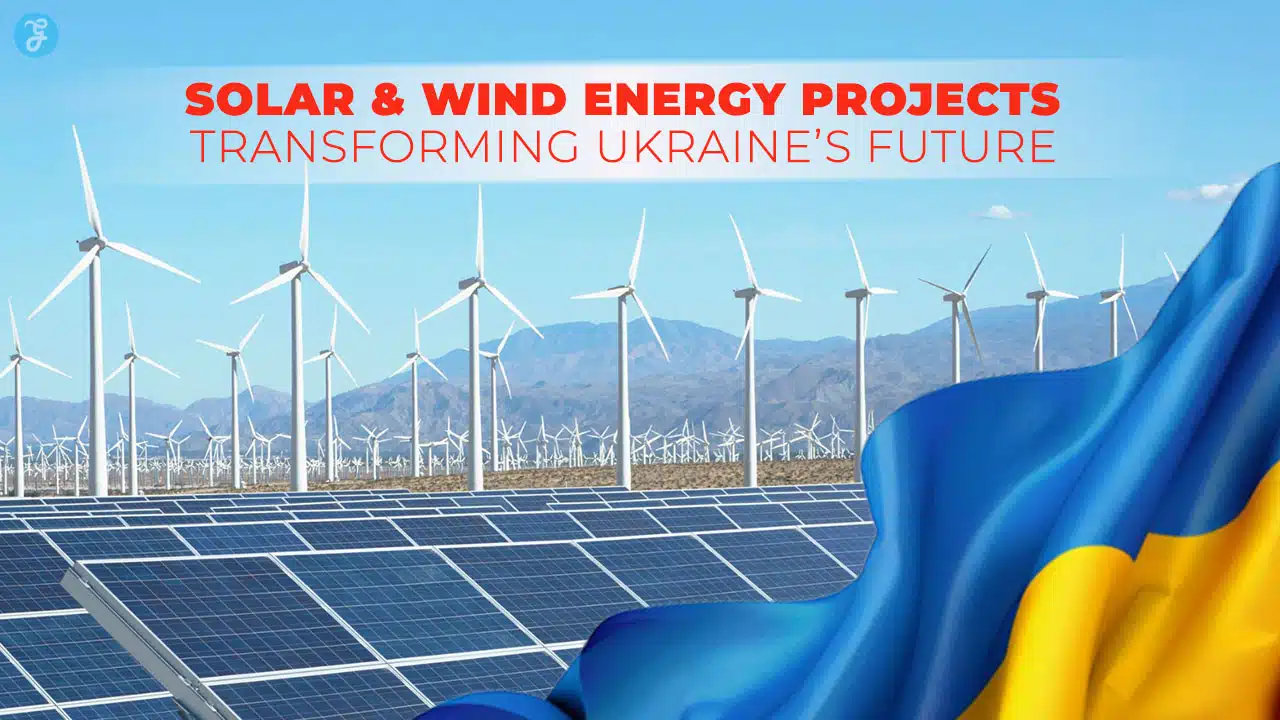
Ukraine faces a massive energy crisis. The Russian invasion destroyed much of the country’s power grid, leaving millions without electricity. Traditional energy sources have become unreliable, dangerous, and expensive.
Many communities struggle with frequent blackouts and rising energy costs.
Ukraine plans to build 94 gigawatts of solar power capacity by 2050. This ambitious goal shows the country’s commitment to clean energy and energy independence. Wind farms and solar projects are already changing how Ukraine generates electricity.
This guide explores eight groundbreaking renewable energy projects across Ukraine. You’ll discover how solar panels and wind turbines are rebuilding the nation’s energy infrastructure.
We’ll show you the innovative technologies and international partnerships making this green transformation possible.
The future of Ukrainian energy is blowing in the wind.
Large-Scale Solar Power Plants
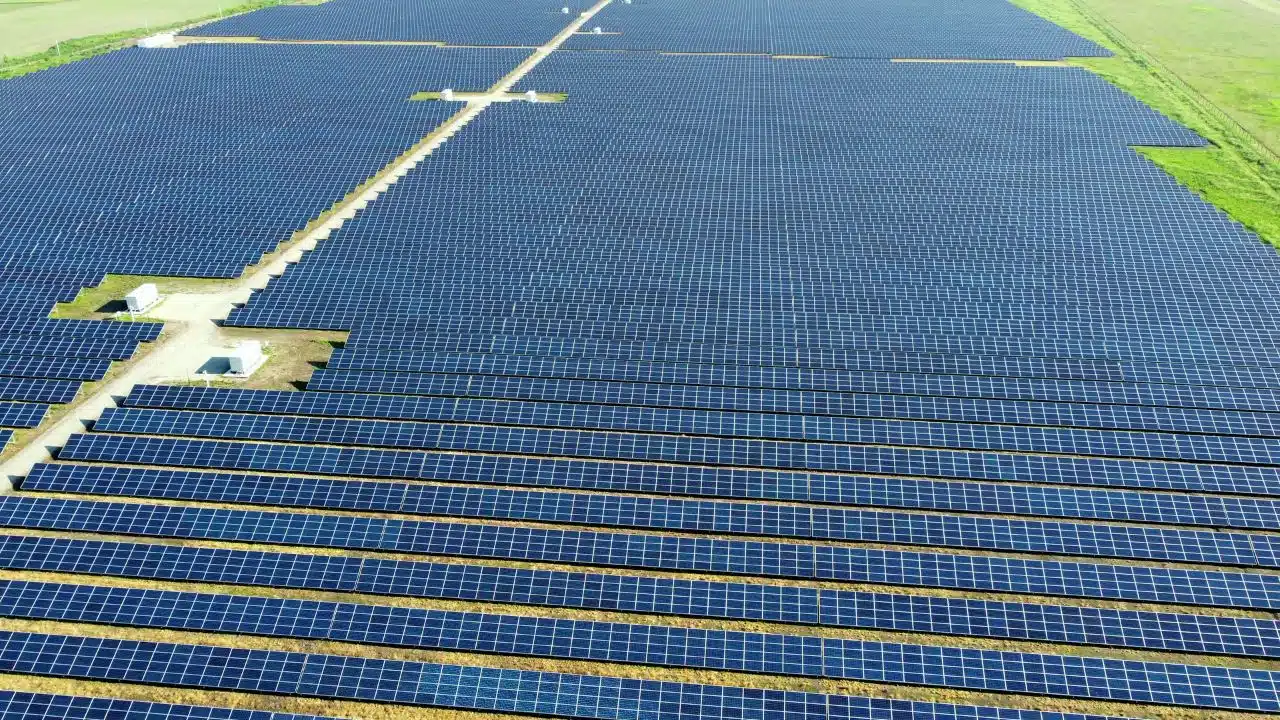
Ukraine’s solar power plants are growing fast, with plans to build 94 GW of solar capacity by 2050. These massive energy projects will power millions of homes and help Ukraine break free from fossil fuels.
Development of 94 GW of solar capacity by 2050
Ukraine has set an ambitious target to build 94 gigawatts of solar power capacity by 2050. This massive expansion represents a complete shift in the country’s energy infrastructure.
The renewable energy strategy puts solar and wind power at the center of achieving climate neutrality. Solar energy development will transform Ukraine’s power generation landscape over the next three decades.
The goal of 94 GW solar capacity aligns perfectly with our vision for energy independence and sustainable development.
Distributed solar generation will spread across rooftop installations and community-based projects. Energy resilience improves dramatically through widespread solar technology adoption.
The ongoing conflict makes reconstruction of energy infrastructure critical for supporting this solar development push. Solar power plants will reduce dependence on fossil fuels while creating new opportunities for clean electricity generation.
Energy security strengthens as Ukraine moves away from traditional thermal power plants toward renewable energy sources.
Key operational projects contributing to Ukraine’s energy transformation
Ukraine’s energy sector is experiencing a major shift through several groundbreaking renewable energy projects. These operational facilities are building the foundation for energy independence and sustainable power generation.
- Nikopol Solar Power Plant – This 246 MW facility stands as one of Europe’s largest solar installations, generating clean electricity for over 100,000 homes while reducing carbon emissions by 300,000 tons annually.
- Zaporizhzhia Wind Farm Complex – Multiple wind turbines across this region produce 497 MW of wind energy, creating jobs for local communities and strengthening Ukraine’s power grid stability.
- Primorsk Wind Energy Project – Located near the Black Sea, this 200 MW offshore wind development uses both floating and fixed-bottom turbines to harness coastal wind resources effectively.
- Distributed Solar Network Initiative – Over 15,000 rooftop solar installations across urban and rural areas generate 850 MW of distributed energy, empowering communities with energy resilience and independence.
- Kherson Hybrid Energy Station – This innovative facility combines 150 MW of solar power with 100 MW of wind energy, plus battery energy storage systems for grid stability.
- Biomass Energy Conversion Plants – Seven operational facilities convert agricultural waste into 180 MW of sustainable energy, supporting rural economies while reducing fossil fuel dependence.
- Modernized Hydropower Infrastructure – Upgraded facilities now integrate with renewable energy sources, providing 1,200 MW of flexible power generation to support energy transition goals.
- Community Solar Gardens Program – Local cooperatives operate 45 small-scale solar installations totaling 120 MW, bringing clean energy directly to schools, hospitals, and community centers.
Distributed Solar Generation
Rooftop solar panels are sprouting across Ukraine like sunflowers in summer, transforming ordinary homes into mini power plants. These distributed systems give families and businesses real energy independence, cutting ties with traditional power grids that have become vulnerable targets.
Rooftop solar installations in urban and rural areas
Solar panels on rooftops are changing how Ukraine produces electricity. Urban buildings and rural homes now host these energy systems across the country. Cities like Kyiv and Kharkiv see apartment buildings installing solar arrays on their tops.
Farmers in countryside areas put panels on barn roofs and house tops. This distributed generation approach helps communities become less dependent on the main power grid.
These installations improve energy resilience for Ukrainian families and businesses. Each rooftop system creates clean electricity right where people need it most. Rural areas benefit greatly since they often face power outages.
Urban centers use rooftop solar to cut electricity costs and reduce carbon emissions. The Ukrainian energy sector supports this growth through new policies and incentives. International partnerships provide funding and technology to expand rooftop solar capacity in varied settings across both urban and rural locations.
Community-driven solar initiatives for energy resilience
Local communities across Ukraine are taking charge of their energy future through grassroots solar projects. These community-driven solar initiatives focus on energy resilience during challenging times.
Neighborhoods band together to install rooftop solar panels on homes, schools, and community centers. The distributed solar generation approach spreads power production across many small locations instead of relying on large, centralized plants.
This strategy makes the power grid stronger and harder to disrupt.
Community solar projects align with Ukraine’s climate neutrality objectives by reducing emissions.
Villages and towns create their own solar cooperatives to share costs and benefits. Residents pool resources to buy solar equipment and hire installation teams. These smaller-scale solar installations give communities direct control over their electricity supply.
Local involvement in solar initiatives encourages investment from both domestic and international partners. The emphasis on distributed solar generation empowers neighborhoods to produce clean energy right where they need it most.
Community solar efforts help overcome challenges from ongoing conflict while building energy independence for the future.
Onshore Wind Farms
Ukraine’s onshore wind farms are rising across the landscape like giants, turning coastal breezes and mountain gusts into clean electricity. These massive wind turbines spin day and night, cutting the country’s dependence on fossil fuels while creating jobs for local communities.
Major wind farm projects under construction
Ukraine’s wind energy sector is experiencing rapid growth through several major construction projects. These developments will significantly boost the country’s renewable energy capacity and strengthen energy independence.
- Zaporizhzhia Wind Farm expands with 200 MW capacity, featuring modern turbines that generate clean electricity for thousands of homes across southern Ukraine.
- Kherson region hosts three wind projects totaling 150 MW, creating jobs while reducing dependence on fossil fuels and improving energy security.
- Mykolaiv Wind Complex adds 180 MW through international partnerships, bringing advanced wind technology and expertise to Ukraine’s energy infrastructure.
- Odesa coastal wind farms utilize Black Sea winds with 120 MW installations, maximizing energy efficiency through strategic coastal positioning.
- Dnipropetrovsk region develops 100 MW wind capacity using refurbished turbines, demonstrating cost-effective approaches to renewable energy development.
- Kirovohrad Wind Park constructs 90 MW facility with energy storage systems, providing grid stability and consistent power supply during peak demand.
- Poltava region builds 110 MW wind installation through European Bank for Reconstruction and Development funding, accelerating Ukraine’s green transformation.
- Cherkasy Wind Project delivers 80 MW capacity with smart grid integration, supporting the electricity market transition toward sustainable energy sources.
Wind energy capacity targets for 2030
Ukraine has set ambitious wind energy capacity targets for 2030 that will reshape its energy landscape. The country plans to develop massive onshore wind farm capacity by 2030, marking a crucial step in its renewable energy transition.
These targets focus on both land-based installations and groundbreaking offshore projects. Wind energy development serves as a cornerstone for Ukraine’s path toward energy independence and security.
Offshore wind energy projects in the Black and Azov Seas represent the most exciting part of these goals. Ukraine targets an estimated capacity of 50 GW by 2030 through these maritime installations.
The plans include floating offshore wind turbines for deeper waters and traditional fixed-bottom turbines for shallower regions. This dual approach maximizes the country’s wind energy resources while addressing different sea depths.
Meeting these wind energy capacity targets requires substantial investment and strong international partnerships to succeed.
Offshore Wind Projects
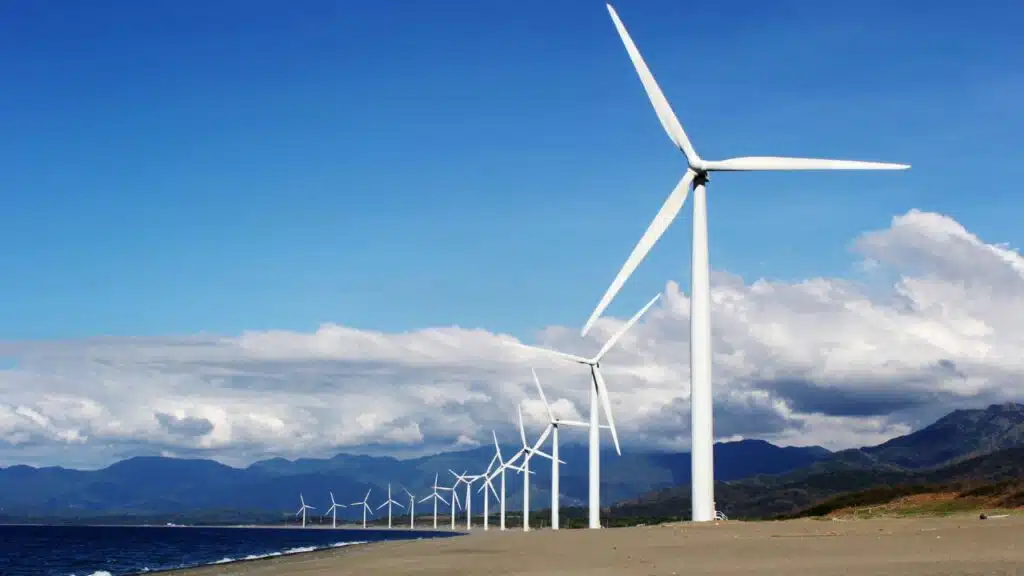
Ukraine’s offshore wind potential in the Black Sea could generate massive amounts of clean electricity for the country’s energy grid. These floating wind farms would tap into strong coastal winds, creating a new source of renewable energy that doesn’t compete with land use for farming or housing.
Potential for wind farms in the Black Sea region
The Black Sea region holds massive potential for offshore wind energy development. Ukraine aims to develop 50 GW of capacity in these waters, which could transform the country’s energy infrastructure completely.
This ambitious target represents a game-changer for Ukraine’s energy independence and security. The region’s strong, consistent winds make it perfect for large-scale wind energy projects that could power millions of homes.
Floating offshore wind turbines will work in deeper waters, while fixed-bottom turbines will operate in shallower areas. This dual approach maximizes the region’s wind energy potential across different water depths.
The Black Sea’s vast expanse offers plenty of space for massive wind farms without competing with shipping lanes or fishing areas. These offshore projects will create thousands of jobs and attract significant international investment to Ukraine’s renewable energy sector.
The development timeline aligns with Ukraine’s climate neutrality goals by 2050, making offshore wind a cornerstone of the country’s green transformation strategy.
Exploration of the Azov Sea for offshore wind energy production
Ukraine’s offshore wind energy plans extend beyond the Black Sea to include the Azov Sea. This smaller body of water offers significant potential for renewable energy development. The Azov Sea contributes to Ukraine’s total offshore wind capacity target of 50 GW across both seas.
Energy planners see this region as crucial for achieving energy independence during these challenging times.
Developers plan to install both floating and fixed-bottom wind turbines in Azov Sea waters. These offshore wind projects represent a cornerstone of Ukraine’s renewable energy strategy.
The shallow depths in many areas make fixed-bottom installations more feasible than in deeper waters. Offshore wind energy exploration in this region could help reduce Ukraine’s dependence on fossil fuels while strengthening energy security for the future.
Hybrid Renewable Energy Systems
Ukraine combines solar panels and wind turbines to create powerful hybrid systems that work around the clock. These smart energy setups use advanced storage technology to keep electricity flowing, even when the sun doesn’t shine or the wind stops blowing.
Integration of solar and wind energy
Solar energy and wind energy work better together than apart. Hybrid renewable energy systems combine both technologies to create steady power generation. Solar panels produce electricity during sunny days, while wind turbines generate power when breezes blow.
This combination helps balance Ukraine’s energy grid throughout different weather conditions. Energy storage systems capture excess power from both sources, storing it for later use when the sun doesn’t shine or wind doesn’t blow.
Smart grids connect these hybrid systems across the country, creating a more reliable power network. The Cabinet of Ministers supports these integrated projects as part of Ukraine’s green transformation goals.
These combined systems reduce dependence on russian gas and strengthen energy security. Power grid stability improves when multiple renewable energy sources work in harmony, making electricity generation more predictable for Ukrainian communities.
Deployment of energy storage systems for stability and efficiency
Energy storage systems work like giant batteries for Ukraine’s power grid. These systems store extra electricity when solar panels and wind turbines produce more than people need. Later, they release this stored power when the sun doesn’t shine or wind doesn’t blow.
Battery farms help balance electricity supply throughout the day. They make renewable energy more reliable for homes and businesses.
Large lithium-ion batteries connect directly to solar farms and wind projects across Ukraine. These storage units can hold thousands of kilowatt-hours of clean electricity. Smart software controls when batteries charge and discharge automatically.
The technology helps prevent blackouts during peak demand hours. Grid operators can respond faster to sudden changes in power needs. Storage systems also reduce strain on older power plants that burn fossil fuels.
Communities gain better energy security through these backup power solutions.
Autonomous Renewable Power Plants
Ukraine builds standalone renewable energy systems that power local communities without connecting to the main grid. These autonomous power plants bring electricity to remote schools, hospitals, and community centers using solar panels and wind turbines.
Solar-powered facilities for schools and community centers
Solar-powered facilities for schools and community centers bring clean energy directly to local communities. These renewable energy projects help buildings become energy independent while cutting electricity costs.
- Schools across the country install rooftop solar panels to power classrooms, libraries, and computer labs during peak daytime hours.
- Community centers use solar energy systems to run heating, cooling, and lighting for local events and gatherings year-round.
- Solar installations on school buildings create outdoor learning spaces where students can study renewable energy technology firsthand.
- Local governments partner with energy companies to fund solar projects that reduce monthly utility bills for public facilities.
- Battery storage systems work with solar panels to keep essential services running during power outages or grid failures.
- Rural communities build solar-powered charging stations for electric vehicles at schools and community buildings.
- Educational programs teach children about sustainable energy while their schools demonstrate clean technology in action.
- Solar-powered water heating systems provide hot water for school cafeterias, gymnasiums, and community kitchens at lower costs.
- Emergency shelters use solar energy to maintain power for communication equipment, medical devices, and basic lighting during crises.
Wind-powered systems for local infrastructure
Wind energy transforms local infrastructure across Ukraine through targeted community projects. These systems bring energy independence directly to schools, hospitals, and municipal buildings.
- Small wind turbines power rural schools and community centers, providing reliable electricity for daily operations and emergency situations.
- Municipal buildings install compact wind systems to reduce energy costs and create backup power during grid outages.
- Water treatment facilities use wind-powered pumps to maintain clean water supply for local communities without depending on the main power grid.
- Street lighting systems connect to small wind generators, keeping roads safe while cutting municipal energy expenses significantly.
- Healthcare clinics in remote areas rely on wind-powered systems to maintain medical equipment and refrigeration for vaccines and medicines.
- Agricultural cooperatives deploy wind systems to power irrigation pumps, grain storage facilities, and processing equipment for local farmers.
- Emergency response centers install wind turbines as primary backup power, maintaining communication systems during natural disasters or power failures.
- Community workshops and training centers use wind energy to power tools and equipment, supporting local job creation and skill development programs.
- Public transportation hubs integrate small wind systems to operate lighting, information displays, and charging stations for electric vehicles.
Green Reconstruction Efforts
Ukraine’s green reconstruction efforts are turning war-torn areas into clean energy hubs. International developers are partnering with Ukrainian companies to rebuild damaged infrastructure using solar panels and wind turbines instead of old fossil fuel systems.
Renewable energy integration in post-war rebuilding projects
Ukraine’s post-war reconstruction presents a golden opportunity to build back better with clean energy at its core. Solar panels and wind turbines are becoming the backbone of new infrastructure projects across war-torn regions.
Schools, hospitals, and community centers now feature integrated solar PV systems that provide reliable electricity generation. These renewable energy sources help communities achieve energy independence while reducing their carbon footprint.
Green reconstruction efforts combine international expertise with local innovation to create lasting change. The European Bank for Reconstruction and Development provides crucial funding for these sustainable energy projects.
Danish and German companies share cutting-edge clean technologies with Ukrainian developers. Energy storage systems paired with renewable installations create resilient power grids that can withstand future disruptions.
This approach transforms destruction into opportunity, building stronger communities powered by the sun and wind.
Collaboration between Ukrainian and international developers
International developers are joining forces with Ukrainian companies to rebuild the country’s energy infrastructure. This partnership brings together expertise from Denmark, Germany, and Sweden to advance solar and wind power projects.
The European Bank for Reconstruction and Development (EBRD) provides financial support for these joint ventures. These collaborations help Ukraine reach its climate neutrality goals by 2050.
Joint efforts focus on implementing reconstruction and modernization of energy systems damaged by conflict. International partners share technology and training to build local workforce skills.
The partnership unlocks vast potential for onshore and offshore wind energy development across Ukraine. These cooperative initiatives support the country’s sustainable development goals while creating new opportunities in the renewable energy sector.
Partnerships Driving Renewable Energy Growth
Ukraine’s energy transformation gains momentum through strategic partnerships with international renewable energy leaders. These collaborations bring cutting-edge technology, financial backing, and expertise that accelerate the country’s shift toward sustainable energy independence.
Memorandums of understanding with global renewable energy leaders
Ukraine has signed strategic partnerships with major renewable energy companies to accelerate its green energy transformation. These agreements create pathways for technology transfer, investment, and workforce development across the country.
- Denmark’s Orsted partners with Ukrainian developers to explore offshore wind projects in the Black Sea region, bringing decades of maritime wind expertise to boost energy independence.
- German energy giant RWE signed agreements to develop large-scale solar installations across Ukraine, targeting 2 GW of new capacity by 2030.
- Swedish Vattenfall commits to wind energy projects through joint ventures, focusing on onshore wind farms that strengthen energy security for local communities.
- Norwegian Equinor explores green hydrogen production facilities, combining wind and solar power to create export opportunities for the European market.
- DTEK Energy collaborates with international partners on hybrid renewable systems, integrating energy storage solutions to stabilize the power grid during peak demand.
- Elementum Energy works with Ukrainian wind energy association to refurbish existing wind turbines, reducing costs while expanding renewable energy capacity.
- European Bank for Reconstruction and Development provides financial backing for multiple renewable projects, supporting Ukraine’s transition away from fossil fuels.
- French TotalEnergies invests in distributed solar generation programs, installing rooftop systems on schools and community centers throughout rural areas.
- Polish PGE partners on cross-border energy infrastructure, creating interconnected renewable networks that enhance regional energy resilience and reduce carbon emissions.
Joint ventures for technology transfer and workforce training
Joint ventures between Ukrainian companies and international partners create effective pathways for renewable energy growth. These partnerships bring advanced technology and skilled workers to Ukraine’s energy sector.
- Danish wind energy companies partner with Ukrainian firms to transfer modern turbine technology and train local engineers on current installation techniques.
- German solar manufacturers establish joint training centers in Ukraine, teaching workers how to install and maintain high-efficiency photovoltaic systems.
- Swedish energy storage specialists collaborate with Ukrainian partners to develop battery technology skills and create local manufacturing capabilities for grid stability.
- International renewable energy developers work with Ukrainian universities to create specialized degree programs focused on wind and solar engineering.
- Technology transfer agreements allow Ukrainian companies to license advanced renewable energy equipment designs while building local production facilities.
- Joint workforce development programs train thousands of Ukrainian technicians in renewable energy maintenance, creating jobs in the growing green energy market.
- European partners provide funding and expertise for vocational schools that teach solar panel installation and wind turbine repair skills to local communities.
- Collaborative research projects between international firms and Ukrainian institutions develop new renewable energy solutions customized for the country’s specific climate conditions.
Policy and Legislative Support
Ukraine’s government passed new laws that make renewable energy investments more attractive. These green auctions and market incentives create a clear path for developers to build solar and wind projects across the country.
Recent laws boosting renewable energy investments
Ukraine’s parliament passed groundbreaking legislation in 2023 to supercharge renewable energy investments. The new laws slash red tape for solar and wind projects, making it easier for developers to get permits.
Green auctions now offer competitive pricing for renewable energy contracts. These auctions help drive down costs while boosting investor confidence. The government also introduced tax breaks for companies building solar panels and wind turbines.
Foreign investors can now own up to 100% of renewable energy projects, opening doors for international partnerships.
Power purchase agreements got a major upgrade under the fresh regulations. The Energy Support Fund now provides financial backing for renewable energy development across the country.
Local communities can sell excess electricity from rooftop solar installations back to the power grid. This creates new income streams for families and businesses. The legislation removes many regulatory barriers that previously slowed down project approvals.
Energy storage systems receive special incentives to help stabilize the electricity generation network. These policy changes position Ukraine as an attractive destination for clean energy investments from Europe and beyond.
Introduction of green auctions and market incentives
Green auctions have become a game-changer for Ukraine’s renewable energy sector. These competitive bidding processes allow solar and wind developers to compete for long-term power purchase agreements (PPAs) with the government.
The lowest bidders win contracts, which drives down electricity costs for consumers. This system creates a win-win situation for both investors and the public.
Market incentives work hand-in-hand with green auctions to boost renewable energy investments. Feed-in tariffs guarantee fixed payments to solar and wind producers for 20 years. Tax breaks reduce the financial burden on renewable energy companies.
The Energy Support Fund provides additional backing for clean energy projects. These policies have attracted international developers and accelerated Ukraine’s green transformation across the power grid.
Energy Security and Decentralization
Ukraine’s renewable energy revolution is changing how the country powers itself, moving away from big, centralized plants to smaller, local systems. This shift means communities can produce their own clean electricity, making the entire power grid stronger and less likely to fail during tough times.
Role of solar and wind in stabilizing Ukraine’s energy grid
Solar and wind energy projects serve as crucial pillars for Ukraine’s power grid stability. These renewable energy sources create a decentralized network that reduces dependence on traditional fossil fuels.
Wind turbines and solar panels spread across the country provide multiple power generation points. This distributed approach makes the entire energy infrastructure more resilient against disruptions.
The Ukrainian energy sector benefits from this diversification, as renewable energy sources can continue operating even when centralized plants face challenges.
Grid operators now rely on renewable energy development to balance electricity generation throughout the day. Solar energy peaks during daylight hours, while wind energy often produces more power during evening and nighttime periods.
Energy storage systems work alongside these renewable sources to store excess power for later use. The combination creates a more stable power supply that adapts to changing demand patterns.
International partnerships with countries like Denmark, Germany, and Sweden bring advanced grid management technologies to Ukraine’s energy transition efforts.
Decentralized renewable solutions for rural and underserved areas
Rural communities across Ukraine are getting a lifeline through decentralized renewable energy solutions. Small solar installations and wind turbines bring power directly to villages that struggled with unreliable electricity for years.
These systems work like mini power plants, serving local needs without depending on the main power grid. Farmers can now run equipment using solar panels on their barns. Schools in remote areas stay powered through community wind projects.
This approach cuts energy costs while boosting energy independence for areas that big utility companies often overlook.
Ukraine’s push for 94 GW of solar capacity includes special focus on these underserved regions. Local energy storage systems keep the lights on even when the sun doesn’t shine or wind doesn’t blow.
International partnerships with Denmark and Germany help fund these smaller projects that make big differences. The European Bank for Reconstruction and Development backs many rural renewable energy initiatives.
These decentralized solutions create jobs in farming communities while reducing carbon emissions. Village residents become energy producers instead of just consumers, giving them control over their power supply for the first time.
Hydrogen Integration with Renewable Energy
Ukraine’s renewable energy projects are creating exciting opportunities for green hydrogen production. Wind farms and solar installations can power electrolysis plants that split water into clean hydrogen gas, opening doors to a massive export market across Europe.
Combining wind and solar energy for green hydrogen production
Ukraine combines wind and solar energy to create green hydrogen, a clean fuel that could reshape the country’s energy future. Wind turbines and solar panels work together to power electrolysis plants, which split water into hydrogen and oxygen.
This process produces zero carbon emissions, making it a key part of Ukraine’s green transformation. The renewable energy sources provide the electricity needed to run these hydrogen facilities around the clock.
Green hydrogen production offers Ukraine a chance to become a major energy exporter to European markets. The country’s abundant wind and solar resources make it perfect for large-scale hydrogen projects.
Energy storage systems help balance the power supply when wind speeds drop or clouds block the sun. This hybrid approach creates a steady flow of clean energy for hydrogen production, supporting both energy independence and economic growth.
Potential for hydrogen exports to the European market
Ukraine sits on a goldmine of renewable energy potential, making it a perfect candidate for green hydrogen production. Wind turbines and solar panels can power electrolysis plants that split water into hydrogen and oxygen.
This clean process creates renewable hydrogen without carbon emissions. The country’s vast agricultural lands offer plenty of space for massive wind farms and solar installations. These renewable energy sources can generate far more electricity than Ukraine needs for domestic use.
European nations are hungry for clean energy alternatives to Russian gas. Germany, Denmark, and other EU countries have committed to ambitious decarbonization goals. They need reliable suppliers of renewable hydrogen to fuel their industries and heat their homes.
Ukraine’s proximity to major European markets gives it a huge advantage over distant competitors. Pipelines and shipping routes already connect Ukrainian ports to European energy infrastructure, making hydrogen exports both practical and profitable.
Advancements in Renewable Technology
Ukraine’s renewable energy sector gets a boost from cutting-edge technology that makes clean power cheaper and more reliable. Wind turbines now use refurbished parts that work just as well as new ones, while solar panels capture more sunlight than ever before.
Use of refurbished wind turbines in new projects
Ukraine’s renewable energy sector has found a smart way to cut costs and speed up development. Refurbished wind turbines offer a practical solution for new wind energy projects across the country.
These restored machines cost much less than brand-new equipment, making wind farms more affordable to build. Many international partners donate or sell used turbines at reduced prices to support Ukraine’s energy independence goals.
Refurbished turbines help developers launch projects faster than waiting for new equipment. The process involves taking older turbines, fixing worn parts, and upgrading key components like control systems.
This approach works well for smaller wind farms in rural areas where communities need reliable power sources. Several Ukrainian wind energy projects now use these restored machines to generate clean electricity while keeping construction budgets manageable.
Innovations in solar panel efficiency and wind turbine design
Ukrainian engineers are pushing solar panel technology to new heights. Modern panels now capture 22% more sunlight than older models. These advanced systems work better in cloudy weather, perfect for Ukraine’s climate.
Perovskite solar cells show promise for even greater energy efficiency. Companies are testing flexible panels that bend around curved surfaces. Smart tracking systems follow the sun throughout the day, boosting power output by 35%.
Wind turbine design has taken giant leaps forward too. New blades stretch longer and catch more wind at lower speeds. Refurbished turbines get second lives with upgraded components and better performance.
Vertical axis turbines work well in urban areas where space is tight. Advanced materials make turbines lighter yet stronger than before. Computer modeling helps engineers place turbines in the best spots for maximum wind capture.
These improvements mean more renewable energy for Ukraine’s growing green transformation.
Community Impact of Renewable Projects
Ukraine’s renewable energy projects create thousands of jobs for local workers, engineers, and technicians across rural and urban communities. These green energy initiatives give villages and towns the power to control their own electricity supply, breaking free from old energy systems that left them vulnerable.
Job creation through renewable energy development
Renewable energy development creates thousands of jobs across Ukraine’s growing green sector. Solar panel installers, wind turbine technicians, and project managers find steady work as new facilities come online.
Local communities benefit from construction jobs during the building phase. Manufacturing plants that produce renewable energy components hire skilled workers and engineers. These positions offer better wages than traditional energy jobs in many cases.
Training programs prepare Ukrainian workers for careers in wind energy and solar power industries. Technical schools partner with international companies to teach modern installation methods.
Rural areas see new employment opportunities as wind farms and solar installations spread across the countryside. Energy storage systems require specialized maintenance teams, creating more technical positions.
The Ukrainian Wind Energy Association works with local colleges to develop workforce training programs that match industry needs.
Empowering local communities with energy independence
Local communities across Ukraine are taking control of their energy future through small-scale renewable energy projects. Villages install solar panels on community centers, schools, and local businesses.
These projects create jobs for residents while reducing dependence on the national power grid. Rural areas benefit most from these initiatives, as they often face power outages and high electricity costs.
Community-owned wind turbines generate clean electricity for entire neighborhoods. Residents learn to maintain and operate these systems themselves, building valuable technical skills.
Energy independence transforms how communities think about their future. Families save money on electricity bills while supporting local economic growth. Small businesses thrive with reliable, affordable power from renewable energy sources.
Schools stay open during grid failures thanks to solar-powered backup systems. Medical clinics maintain critical services with wind-generated electricity. These projects strengthen community bonds as neighbors work together toward common goals.
Local energy production keeps money within the community instead of sending it to distant utility companies. Children grow up understanding clean energy technology, preparing them for green jobs in Ukraine’s expanding renewable sector.
International Collaborations and Investments
Ukraine’s energy transformation gets a major boost from international partners across Europe. Denmark, Germany, and Sweden pour millions into wind and solar projects, while the European Bank for Reconstruction and Development opens its wallet to fund green infrastructure.
Denmark, Germany, and Sweden’s role in Ukraine’s energy sector
Denmark, Germany, and Sweden have become key partners in Ukraine’s renewable energy transformation. These three nations are working together to help Ukraine reach its ambitious climate neutrality goals by 2050.
- Denmark leads offshore wind development expertise, sharing advanced floating turbine technology for Black Sea and Azov Sea projects that could revolutionize Ukraine’s energy infrastructure.
- Germany provides substantial financial backing through the European Bank for Reconstruction and Development, supporting Ukraine’s target of 94 GW solar capacity by 2050.
- Swedish companies contribute wind turbine manufacturing knowledge and energy storage systems that strengthen Ukraine’s power grid stability and energy security.
- All three countries collaborate on workforce training programs, helping Ukrainian engineers master renewable energy technologies for long-term energy independence.
- Joint investment initiatives focus on both fixed-bottom and floating offshore wind turbines, expanding Ukraine’s renewable energy sources beyond traditional onshore installations.
- Technology transfer agreements allow Ukraine to access cutting-edge solar panel efficiency improvements and advanced wind turbine designs from these European partners.
- The partnership directly supports Ukraine’s green transformation by reducing regulatory barriers and streamlining renewable energy investments across multiple sectors.
- Combined efforts from Denmark, Germany, and Sweden help Ukraine decrease its reliance on fossil fuels while building sustainable energy resilience for future generations.
- International collaboration creates opportunities for Ukrainian energy sector growth, positioning the country as a potential renewable hydrogen exporter to European markets.
Financial support from the European Bank for Reconstruction and Development
The European Bank for Reconstruction and Development stands as Ukraine’s strongest financial ally in renewable energy transformation. This institution provides crucial funding that makes large-scale wind and solar projects possible across the country.
EBRD’s support comes through direct loans, grants, and technical assistance programs that help Ukrainian developers build modern energy infrastructure. The bank has committed billions of dollars to support Ukraine’s green energy transition, focusing on projects that boost energy security and reduce dependence on fossil fuels.
EBRD works closely with local energy companies to finance wind turbines, solar panels, and energy storage systems throughout Ukraine. The bank’s funding helps communities install rooftop solar systems and build wind farms that power entire regions.
These investments create jobs, strengthen the power grid, and move Ukraine closer to energy independence. EBRD also provides training programs that teach Ukrainian workers how to maintain and operate renewable energy equipment, building local expertise for the long term.
Takeaways
Ukraine stands at the crossroads of energy transformation. Solar panels and wind turbines are becoming the backbone of a new power system. These renewable energy projects promise energy independence and climate neutrality by 2050.
International partnerships fuel this green revolution. Countries like Denmark, Germany, and Sweden bring expertise and funding. The European Bank for Reconstruction and Development supports these ambitious goals with financial backing.
Communities across Ukraine benefit from job creation and energy security. Rural areas gain access to clean electricity through distributed solar systems. Wind farms create local employment while reducing carbon emissions from fossil fuels.
FAQs
1. What makes these 8 energy projects so important for Ukraine’s future?
These renewable energy projects are building Ukraine’s energy independence, one wind turbine and solar panel at a time. The Ukrainian energy sector is getting a major makeover, moving away from fossil fuels toward sustainable energy. It’s like giving the country a brand new power grid that can’t be easily disrupted.
2. How will wind energy and solar energy help Ukraine’s energy security?
Wind energy and solar energy create local electricity generation that doesn’t rely on gas production from other countries. These renewable energy sources give Ukraine more control over its power supply. When you make your own energy, nobody can turn off the lights.
3. What role does the European Bank for Reconstruction and Development play in these projects?
The EBRD provides crucial renewable energy investments and funding support for Ukraine’s green transformation. They’re backing projects that boost energy resilience across the country. Think of them as the financial muscle behind Ukraine’s energy transition.
4. Are there subsidies available for renewable energy development in Ukraine?
Yes, the Energy Support Fund and various renewable energy policies offer financial help for clean energy projects. The European Union also provides support through different programs. These subsidies make it easier for companies like Elementum Energy to build new facilities.
5. How do these projects address Ukraine’s debt crisis while building energy infrastructure?
Smart energy investments create jobs and reduce expensive energy imports, helping the economy recover. The build back better approach focuses on sustainable development that pays for itself over time. It’s killing two birds with one stone, fixing both energy and economic problems.
6. What challenges do renewable energy companies face from regulatory barriers?
The Ukrainian Wind Energy Association works to remove red tape that slows down project approval. Energy storage systems and power grid connections still need better rules. But things are improving as Ukraine’s energy policy adapts to support more green energy projects.






























