Ukraine’s grain and oilseed market faces big changes in 2025. War, weather, and global trade shifts create new challenges for farmers and buyers worldwide. Many people struggle to understand how these changes affect food prices and supply chains.
The agriculture sector must adapt quickly to survive.
Ukraine’s grain production shows signs of recovery, with maize crops leading the way back to normal levels. This comeback happens while the country fights to keep its exports flowing through new shipping routes.
Export diversification becomes critical as traditional markets shift and new opportunities emerge in Africa and Asia.
This guide breaks down five key market trends that shape Ukraine’s grain and oilseed future. You’ll learn how production recovery, export changes, and climate risks affect global food security.
These insights help you understand what comes next for this vital agricultural market.
Ready to explore what’s driving these major shifts?
Production Recovery and Yield Trends
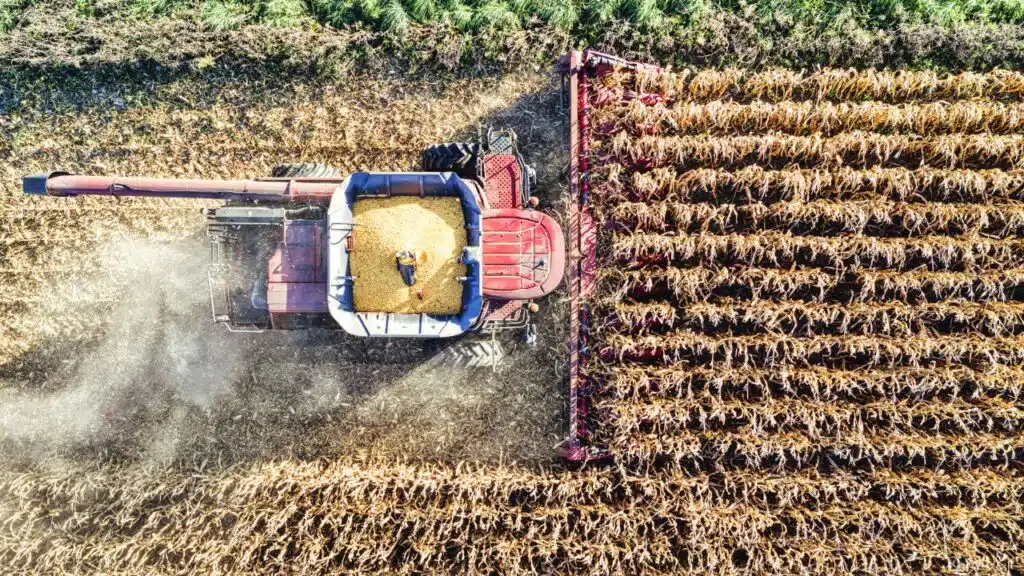
Ukraine’s farmers are bouncing back from tough times, with corn, rye, and oats showing promising recovery rates. Weather patterns play a huge role in determining how much grain ends up in storage bins, making each growing season feel like rolling the dice.
Recovery rates of key crops like maize, rye, and oats
The recovery rates of Ukraine’s major grain crops tell a tale of resilience. Maize leads the charge with the fastest bounce-back potential. Different crops are taking separate paths back to full production.
| Crop Type | Recovery Speed | Expected Timeline | Key Factors |
|---|---|---|---|
| Maize | Fast recovery expected | Ahead of other grains | Better resource access, weather adaptability |
| Rye | Smoother but slower trajectory | Gradual improvement by 2025 | Weather patterns, resource availability |
| Oats | Smoother but slower trajectory | Gradual improvement by 2025 | Weather conditions, agricultural inputs |
| Total Grain & Oilseed Production | Projected full recovery | By 2025 | Combined crop performance, resource restoration |
Corn production shows promising signs of rapid improvement. Farmers report better access to seeds and fertilizers for maize cultivation. Weather patterns play a crucial role in determining final yields across all three crops.
Rye and oats face a steadier climb back to normal production levels. These crops require more time to reach pre-crisis output numbers. Resource availability remains the make-or-break factor for successful harvests.
Weather significantly affects crop yields throughout Ukraine’s agricultural regions. Dry conditions can slash expected harvests by substantial margins. Temperature swings create additional stress on developing plants.
Access to agricultural resources proves crucial for production recovery across all grain types. Seeds, fertilizers, and equipment determine how quickly farms can return to full capacity. Supply chains are slowly rebuilding after massive disruptions.
Total grain and oilseed production should recover by 2025 if current trends continue. This timeline depends on stable weather and consistent resource flows. Farmers are cautiously optimistic about meeting these projections.
Impact of weather patterns and resource access on yields
Weather patterns hit Ukraine’s farms like a double-edged sword. Dry soil conditions create major headaches for farmers trying to grow crops. Fluctuating temperatures mess with planting schedules and crop growth cycles.
Soil moisture levels drop when rain doesn’t come at the right times. This creates a ripple effect across all major crops, from maize to wheat. Farmers watch their fields struggle when weather extremes strike.
Hot spells followed by cold snaps stress plants beyond their limits. Resource availability becomes critical during these tough periods. Seeds, fertilizers, and irrigation equipment cost more when supplies run low.
Access to farming tools and materials shapes harvest outcomes in big ways. Economic implications hit hard when yields drop due to poor weather. Crop performance suffers most when farmers can’t get what they need.
Agricultural productivity takes a nosedive without proper resources. Unfavorable weather leads to substantial yield losses that hurt both local food supplies and export plans. Farming practices must adapt quickly to changing conditions.
Climate variability forces growers to make tough choices about which crops to plant. Yield fluctuations become the norm rather than the exception. Harvest outcomes depend on having the right mix of good weather and available resources at crucial growing times.
Export Diversification
Ukraine’s grain and oilseed exports are spreading their wings like never before. The country is breaking free from its old trading patterns, reaching new markets across continents and building fresh partnerships that could reshape global food trade.
Expanding markets beyond Turkey, Spain, and Egypt
Ukraine’s grain and oilseed sector is casting its net wider than ever before. The country now targets fresh markets in Africa, the Middle East, and China after the trade agreement with the European Union got suspended.
This export diversification strategy comes at a critical time when ongoing conflicts have shaken up traditional supply chains. Turkey, Spain, and Egypt were once the go-to destinations, but now it’s time to spread those agricultural wings.
Market diversification isn’t just smart business, it’s survival. African nations and Middle Eastern countries offer huge opportunities for Ukrainian commodities. China represents another massive market hungry for grain imports.
Export expansion through Poland and other EU countries helps build supply chain resilience when Black Sea routes face disruptions. This economic strategy aims to shield importing nations from global price volatility while securing Ukraine’s agricultural exports future.
Diversifying our export markets is like not putting all your eggs in one basket, especially when that basket might have holes in it.
Targeting Africa, the Middle East, and China
Ukraine made a bold move to expand its agricultural products reach across new territories. The country now focuses heavily on Africa, the Middle East, and China as primary destinations for grain exports.
This trade diversification comes after the suspension of the trade liberalization agreement with the European Union. African nations need stable food supplies, making them perfect partners for Ukraine’s wheat and corn.
Middle Eastern countries also offer strong market opportunities for Ukrainian farmers.
China represents the biggest prize in this economic strategy shift. The Asian giant consumes massive amounts of grain and oilseeds each year. Ukrainian exporters see huge potential in building long-term supply chain relationships with Chinese buyers.
This export market expansion helps reduce Ukraine’s dependence on European routes. The war disrupted traditional Black Sea shipping routes, forcing Ukraine to find new trade partners.
These fresh international relations create better food security options for importing countries while boosting Ukraine’s global economy presence.
Logistics Challenges and Solutions
The Black Sea has turned into a shipping nightmare for Ukrainian grain exports. Farmers now send their crops through Poland and other EU countries, creating new supply chain routes that cost more but keep the grain moving to hungry markets worldwide.
The impact of Black Sea disruptions on exports
The war in Ukraine has turned the Black Sea into a shipping nightmare. Export capacity dropped like a rock when traditional trade routes became too dangerous for grain vessels. Ships that once carried millions of tons of wheat and sunflower oil now sit idle in ports.
This disruption hits hard because the Black Sea served as Ukraine’s main highway for agricultural exports.
Grain volatility skyrocketed as supply chains crumbled overnight. Countries that relied on steady shipments from Ukrainian ports scrambled to find new suppliers. The economic impact rippled across global markets, pushing food prices higher in importing nations.
Poland and other EU countries stepped up to offer alternative pathways, but these land routes move far less cargo than massive cargo ships could handle through the Black Sea.
Alternative export routes through Poland and the EU
Ukraine’s grain exports faced a major roadblock when traditional Black Sea routes got disrupted. Poland and other EU countries stepped up to create new pathways for Ukrainian agricultural products.
- Rail networks connect Ukraine to Polish ports – Freight trains carry wheat, corn, and sunflower oil across the border daily. Polish ports like Gdansk handle increased grain volumes. This rail system moves thousands of tons weekly to global markets.
- Truck transport fills gaps in supply chain logistics – Road transport moves smaller grain shipments through border crossings. Trucking companies expanded fleets to handle agricultural exports. Border processing improved to speed up cargo movement.
- River barges use Danube waterways for grain shipments – Barges transport oilseeds through Romania and other EU river ports. This water route reaches Mediterranean markets effectively. River transport costs less than road shipping for bulk commodities.
- Storage facilities expanded at EU border points – Grain silos increased capacity near Polish and Romanian borders. Temporary storage helps manage export flow during peak seasons. These facilities prevent bottlenecks in the transport infrastructure.
- Cross-border agreements streamlined customs procedures – EU countries reduced paperwork for Ukrainian grain imports. Faster customs processing speeds up agricultural exports significantly. Trade agreements support food security goals across importing regions.
- Investment programs upgrade transport infrastructure capacity – EU funding improves roads, rails, and port facilities for grain handling. Infrastructure projects aim to restore pre-war export levels completely. These upgrades support long-term agricultural trade relationships.
- Multi-modal transport combines different shipping methods – Exporters use trains, trucks, and ships together for efficient delivery. This approach reaches African and Middle Eastern markets more reliably. Combined transport methods reduce geopolitical challenges in supply chains.
- Digital tracking systems monitor grain shipment progress – Technology platforms track cargo from Ukrainian farms to final destinations. Real-time monitoring helps manage logistics challenges effectively. Digital tools improve transparency for international buyers and food security planning.
Climate Change and Agricultural Risks
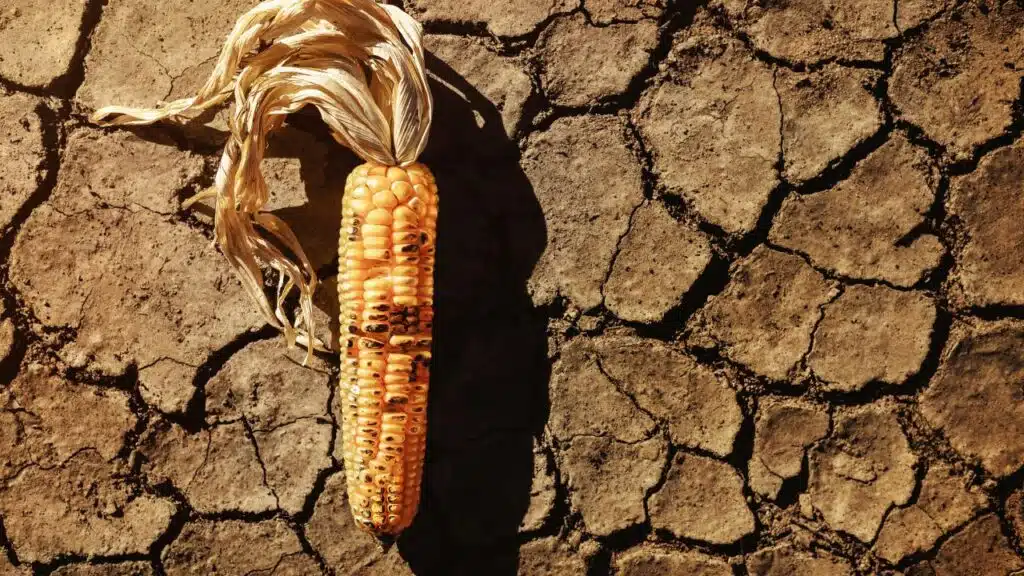
Climate change hits Ukraine’s farms hard, with dry soil conditions becoming the new normal. Farmers now face wild temperature swings that can make or break their grain and oilseed harvests in a matter of days.
Effects of dry soil conditions and fluctuating temperatures
Dry soil conditions and fluctuating temperatures pose serious threats to Ukraine’s grain and oilseed market by 2025. These weather extremes create a perfect storm for crop failures.
Drought conditions drain soil moisture, leaving plants struggling to survive. Temperature swings stress crops during critical growth periods. Maize, wheat, and sunflower crops face the biggest risks from these climate challenges.
Farmers watch their fields turn brown as soil moisture disappears. Crop resilience becomes the difference between profit and loss.
Agricultural sustainability depends on smart resource management during tough weather years. Access to irrigation systems helps farmers fight dry conditions. Modern farming practices include drought-resistant seed varieties and improved soil conservation methods.
Temperature extremes can cut yields by 20-30% in affected regions. Food security concerns grow as production drops hit export markets. African and Middle Eastern countries rely heavily on Ukrainian grain shipments.
Climate variability makes planning harvests much harder for producers. Yield variability from weather swings creates uncertainty in global food markets.
Ukrainian farmers face mounting pressure from unpredictable weather patterns that threaten crop yields. Smart risk management strategies help protect agricultural operations from climate-related losses.
- Invest in comprehensive crop insurance programs that cover drought, flood, and hail damage to protect against financial losses from extreme weather events.
- Adopt drought-resistant seed varieties that require less water and can survive in harsh conditions, reducing vulnerability to dry spells.
- Install modern irrigation systems with water-saving technology to maintain crop health during periods of limited rainfall and preserve precious water resources.
- Practice crop rotation and diversification to spread weather risks across different planting seasons and reduce dependence on single crop types.
- Build soil health through conservation practices like cover cropping and reduced tillage to improve water retention and protect against erosion.
- Use advanced weather forecasting tools and satellite monitoring to make informed planting and harvesting decisions based on accurate climate predictions.
- Create emergency water storage systems and reservoirs to provide backup irrigation during extended dry periods and water shortages.
- Implement integrated pest management programs that adapt to changing pest patterns caused by shifting temperature and moisture conditions.
- Establish partnerships with agricultural cooperatives to share resources, knowledge, and costs related to climate adaptation technologies and sustainable farming practices.
Global Price Volatility and Food Security
Global grain prices swing like a pendulum, and Ukraine’s market sits at the center of this storm. When wheat and corn costs spike or plummet, countries across Africa and the Middle East feel the pinch in their food budgets, making every harvest from Ukrainian fields a matter of life and death for millions of families worldwide.
Influence of global price changes on importing countries
Price spikes hit importing countries like a punch to the gut. Countries in Africa and the Middle East face growing food security risks as grain and oilseed prices swing wildly across global markets.
These nations depend heavily on imports to feed their people, making them vulnerable to every price shock. Supply chain disruptions through the Black Sea create ripple effects that reach dinner tables thousands of miles away.
Families struggle to afford basic staples when costs soar overnight.
Ukraine’s shift to new export markets adds another layer of complexity to global trade dynamics. Import dependence becomes a double-edged sword for developing nations. Economic instability follows price volatility like night follows day.
Climate impact on agricultural yields makes the situation worse, creating a perfect storm for food insecurity. Countries that once relied on steady grain supplies now face uncertain futures as shipping routes change and costs climb.
Implications for food security in Africa and the Middle East
Ukraine’s grain and oilseed disruptions hit Africa and the Middle East hard. These regions depend heavily on Ukrainian exports for their daily bread. Food insecurity rises when supply chains break down.
Import dependence makes these areas vulnerable to price shocks. Commodity prices jump when Ukrainian shipments stop or slow down. Families struggle to afford basic foods like wheat and cooking oil.
Economic stability suffers across importing nations. Countries that rely on Ukrainian agricultural production face tough choices. They must find new suppliers or pay higher prices elsewhere.
Global price volatility creates a ripple effect that reaches kitchen tables in Cairo and Lagos. Recovery of Ukraine’s grain and oilseed production by 2025 is vital for food security in Africa and the Middle East.
Without stable Ukrainian exports, millions face hunger and malnutrition in these vulnerable regions.
Takeaways
Ukraine’s grain and oilseed market stands at a crossroads. These five trends will shape farming practices and global food security for years to come. Production recovery offers hope, while export diversification opens new doors across Africa and Asia.
Climate challenges and shipping disruptions test farmers’ resilience every day. Smart planning and flexible strategies will help growers weather these storms and feed the world.
FAQs
1. What are the biggest changes happening in Ukraine’s grain and oilseed market right now?
The war has turned everything upside down, forcing farmers to find new export routes through Poland and Romania. Corn and wheat production dropped sharply, while sunflower oil exports took a major hit when traditional shipping lanes got blocked.
2. How are Ukrainian farmers adapting their crop strategies?
Smart farmers are switching to crops that need less fuel and fertilizer. Many are planting more barley and oats instead of corn, since these grains grow well even when resources are tight.
3. Which countries are stepping up to buy Ukrainian agricultural products?
European Union nations have become Ukraine’s lifeline, importing record amounts of grain through land borders. Turkey and Egypt also ramped up their purchases, helping fill the gap left by disrupted sea routes.
4. What does the future hold for Ukraine’s agricultural exports?
Recovery will be slow but steady, experts say. New rail connections and upgraded border crossings should boost export capacity by 2025, though it may take years to reach pre-war levels.